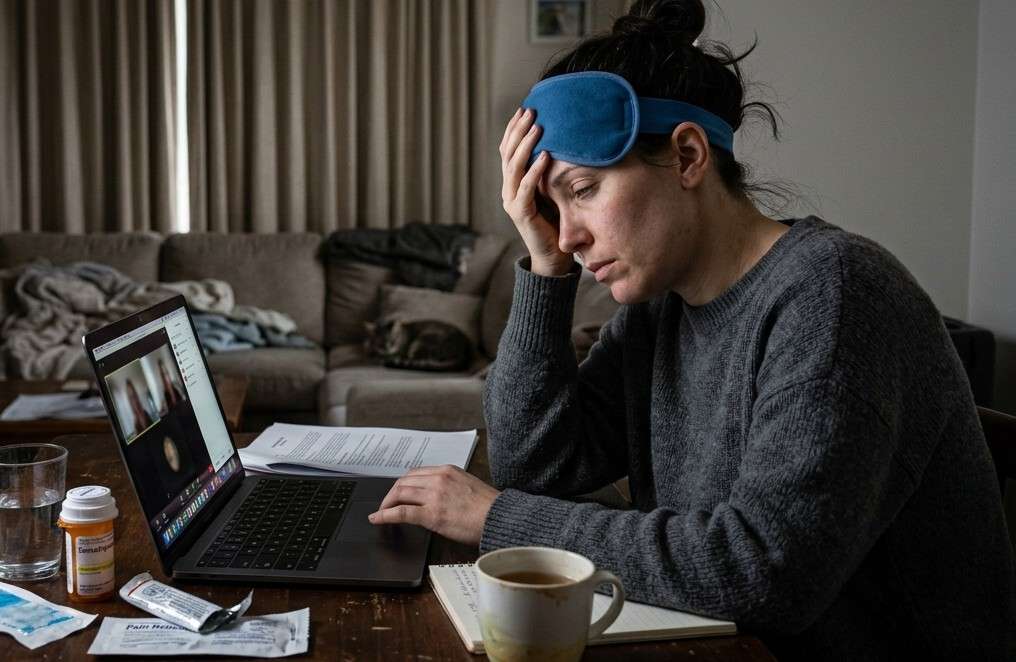
Working from home has transformed the modern workplace. For many people, it offers flexibility, comfort, and control over daily routines. However, if you live with migraine, remote work presents unique challenges. While avoiding traffic, office lighting, and noise may reduce certain triggers, prolonged screen time, irregular schedules, and blurred work-life boundaries can worsen migraine attacks.
This guide explores how to successfully manage migraine while working from home. It covers triggers, prevention strategies, workspace setup, daily routines, communication with employers, treatment options, and practical coping tools to help you remain productive without compromising your health.
Understanding Migraine in a Remote Work Environment
Migraine is a neurological condition that goes far beyond a simple headache. It may include:
- Moderate to severe throbbing head pain
- Sensitivity to light, sound, or smells
- Nausea or vomiting
- Visual disturbances (aura)
- Fatigue and brain fog
- Difficulty concentrating
Working from home does not eliminate migraine triggers. In fact, some remote-specific factors may increase attack frequency.
Common Work-From-Home Migraine Triggers
- Prolonged screen exposure
- Poor posture and neck strain
- Inadequate lighting
- Dehydration
- Skipping meals
- Irregular sleep schedule
- Increased stress or isolation
- Overworking due to lack of boundaries
Understanding your personal triggers is the first step in prevention.
Benefits of Working from Home with Migraine
Although remote work presents challenges, it also offers advantages for people with migraine:
1. Environmental Control
You can adjust lighting, noise levels, temperature, and ergonomics.
2. Flexible Scheduling
If your employer allows flexibility, you can work during your most productive hours.
3. Immediate Access to Medication
You can take prescribed medication as soon as symptoms begin.
4. Rest Opportunities
Short breaks or a brief rest in a dark room may prevent a full-blown attack.
5. Reduced Commute Stress
Traffic, public transport noise, and bright sunlight are common triggers that remote work eliminates.
Leveraging these benefits can significantly reduce migraine frequency and severity.
Creating a Migraine-Friendly Home Workspace
Your workspace plays a major role in preventing migraine attacks.
1. Optimize Lighting
Harsh fluorescent lighting and glare can trigger migraine. Consider:
- Using warm, soft LED lights
- Positioning your desk away from direct sunlight
- Installing blackout curtains if needed
- Using screen filters to reduce glare
Natural light is helpful, but indirect lighting is best.
2. Adjust Screen Settings
Screen exposure is one of the biggest migraine triggers when working remotely.
- Lower screen brightness
- Use blue light filters or night mode
- Increase text size to reduce eye strain
- Follow the 20-20-20 rule: every 20 minutes, look 20 feet away for 20 seconds
You may also consider computer glasses designed for digital strain.
3. Improve Ergonomics
Poor posture leads to neck and shoulder tension, which can trigger migraine.
- Keep your monitor at eye level
- Sit with feet flat on the floor
- Use a supportive chair
- Keep wrists neutral while typing
A laptop stand and external keyboard can make a significant difference.
Structuring Your Day to Prevent Migraine
Consistency is essential for migraine management.
1. Maintain a Regular Sleep Schedule
Irregular sleep is a major trigger. Try to:
- Go to bed and wake up at the same time daily
- Avoid screens at least 30 minutes before sleep
- Keep your bedroom cool and dark
Both sleep deprivation and oversleeping can trigger attacks.
2. Stay Hydrated
Dehydration is one of the most overlooked triggers.
- Keep a water bottle at your desk
- Aim for steady hydration throughout the day
- Limit excessive caffeine
3. Do Not Skip Meals
Low blood sugar can trigger migraine.
- Eat balanced meals at consistent times
- Include protein, healthy fats, and complex carbohydrates
- Avoid highly processed foods if they trigger symptoms
4. Schedule Strategic Breaks
Instead of working for hours straight:
- Take short breaks every hour
- Stretch your neck and shoulders
- Step outside for fresh air
Short breaks reduce physical and mental strain.
Managing Stress While Working from Home
Stress is one of the most common migraine triggers.
Identify Stressors
Common remote-work stressors include:
- Overworking
- Lack of boundaries
- Isolation
- Constant notifications
- Video call fatigue
Practical Stress Reduction Techniques
- Deep breathing exercises
- Short mindfulness sessions
- Gentle yoga or stretching
- Daily walks
- Time-blocking tasks
Building structure into your day reduces overwhelm.
Setting Work Boundaries
When home becomes the office, it is easy to overwork.
Define Clear Work Hours
- Start and end work at consistent times
- Avoid checking emails late at night
- Communicate availability to colleagues
Create a Dedicated Workspace
If possible, avoid working from your bed or couch. A defined workspace helps your brain separate work from rest.
Managing a Migraine Attack During Work Hours
Even with prevention, migraine attacks may still occur.
Recognize Early Warning Signs
Common early symptoms include:
- Neck stiffness
- Mood changes
- Food cravings
- Light sensitivity
- Fatigue
Taking medication early often works better than waiting.
Immediate Action Plan
- Take prescribed medication
- Reduce screen exposure
- Dim lights
- Use a cold or warm compress
- Rest in a quiet room for 20–30 minutes
If possible, communicate with your supervisor that you need a short health break.
Communicating with Your Employer About Migraine
Many people hesitate to disclose migraine at work. However, communication can lead to accommodations that improve productivity.
How to Approach the Conversation
- Focus on solutions, not just symptoms
- Explain how migraine affects work
- Suggest reasonable adjustments
Possible Workplace Accommodations
- Flexible working hours
- Reduced video meetings
- Extended deadlines during attacks
- Screen breaks
- Ergonomic equipment support
Migraine is recognized as a neurological disorder, and in many countries, it may qualify for workplace accommodations.
Treatment Options for Migraine
Consulting a healthcare provider is essential for personalized care.
Acute Treatments
- Triptans
- NSAIDs
- Anti-nausea medications
- CGRP antagonists
Preventive Treatments
- Beta blockers
- Antidepressants
- Anti-seizure medications
- CGRP monoclonal antibodies
- Botox injections
Non-Medication Therapies
- Cognitive behavioral therapy
- Biofeedback
- Acupuncture
- Physical therapy
Working from home makes it easier to schedule regular healthcare visits.
Nutrition and Migraine While Working from Home
Diet plays a role in migraine management.
Common Food Triggers
- Processed meats
- Aged cheeses
- Alcohol
- Artificial sweeteners
- Excess caffeine
Helpful Dietary Habits
- Eat regularly
- Keep a food diary
- Consider magnesium-rich foods
- Stay hydrated
Some individuals benefit from consulting a dietitian familiar with migraine.
Exercise and Movement
Regular physical activity can reduce migraine frequency, but intense workouts may trigger attacks in some people.
Best Practices:
- Choose low-impact exercises
- Warm up properly
- Stay hydrated
- Avoid exercising during peak migraine hours
Walking, stretching, and yoga are often well tolerated.
Managing Screen Fatigue and Virtual Meetings
Remote work often involves long hours of video calls.
Reduce Video Call Strain
- Use audio-only when possible
- Dim screen brightness
- Schedule breaks between meetings
- Use larger monitors to reduce squinting
If video calls trigger migraine, discuss alternative communication methods.
Mental Health and Isolation
Working from home can increase isolation, which may worsen migraine-related anxiety or depression.
Stay Connected
- Schedule regular check-ins with coworkers
- Maintain social interactions outside work
- Join online support groups for migraine
Mental health support is an important part of migraine management.
Tracking Migraine Patterns
Keeping a migraine diary helps identify triggers and patterns.
Track:
- Date and time of attack
- Duration
- Food consumed
- Sleep patterns
- Stress levels
- Weather changes
- Medication taken
Digital apps or simple notebooks both work effectively.
Emergency Warning Signs
Seek immediate medical attention if you experience:
- Sudden, severe “worst headache of your life”
- Headache after head injury
- Fever with stiff neck
- Confusion or difficulty speaking
- Weakness on one side of the body
These may indicate a serious medical condition.
Building a Long-Term Sustainable Routine
Living and working with migraine requires flexibility.
Key Principles
- Consistency over perfection
- Proactive prevention
- Clear communication
- Self-compassion
Remote work can be a powerful tool for managing migraine when structured thoughtfully.
Practical Daily Migraine-Friendly Work Checklist
Morning:
- Drink water
- Eat breakfast
- Review workload
- Adjust lighting
Midday:
- Stretch
- Eat balanced lunch
- Take a screen break
Evening:
- Log migraine symptoms
- Wind down without screens
- Maintain consistent bedtime
Small daily habits make a significant difference.
Final Thoughts
Working from home with migraine is both a challenge and an opportunity. Remote work allows you to design an environment that supports your neurological health. However, it requires intentional habits, structured routines, ergonomic adjustments, and open communication. Migraine management is not about eliminating every trigger. It is about understanding your body, building preventative habits, and responding quickly when symptoms begin.
FAQ’s
Can working from home make migraines worse?
Yes, it can if you have prolonged screen exposure, poor posture, irregular sleep, or increased stress. However, with proper workspace setup and routine management, many people find their migraines improve at home.
How can I reduce screen-related migraine triggers?
Lower screen brightness, use blue light filters, increase text size, and follow the 20-20-20 rule. Taking frequent short breaks significantly reduces digital eye strain.
What is the best desk setup for someone with migraine?
Your monitor should be at eye level, your chair should support your lower back, and your feet should rest flat on the floor. Reducing glare and maintaining neutral wrist and neck positions are essential.
How often should I take breaks to prevent migraine?
Short breaks every 45 to 60 minutes are recommended. Even a 5-minute stretch or screen pause can reduce tension buildup.
Can dehydration trigger migraine while working from home?
Yes, dehydration is a common and often overlooked trigger. Keep a water bottle at your desk and drink consistently throughout the day.
Should I tell my employer that I have migraine?
If migraine affects your productivity, discussing reasonable accommodations can be helpful. Focus on solutions such as flexible hours or reduced screen exposure during attacks.
What should I do if a migraine starts during work hours?
Take your prescribed medication at the first sign of symptoms, dim lights, reduce screen time, and rest briefly if possible. Early intervention often prevents the attack from worsening.
Is video call fatigue a real migraine trigger?
Yes, frequent video calls can increase eye strain, mental fatigue, and light exposure. Switching to audio-only when possible may help.
Can irregular sleep while working remotely trigger migraine?
Yes, both lack of sleep and oversleeping can trigger attacks. Maintaining a consistent sleep schedule is important for prevention.
Are there specific foods I should avoid while working from home?
Common triggers include processed meats, aged cheeses, alcohol, and excessive caffeine. Keeping a food diary can help identify your personal triggers.
Can stress from remote work increase migraine frequency?
Yes, stress remains one of the most common migraine triggers. Structured schedules, time-blocking, and relaxation techniques can reduce stress levels.
Does posture really affect migraine?
Yes, neck and shoulder tension from poor posture can contribute to migraine attacks. An ergonomic workspace helps reduce strain.
How can I manage light sensitivity during work?
Use warm lighting, avoid harsh overhead lights, adjust screen brightness, and consider anti-glare filters or migraine-specific glasses.
Can working from bed trigger migraines?
Yes, poor posture and lack of ergonomic support can increase muscle tension and trigger migraine symptoms.
Are naps helpful during a migraine attack?
Short naps in a dark, quiet room may help reduce symptoms for some people, but oversleeping can sometimes worsen headaches.
Is caffeine helpful or harmful for migraine?
Caffeine can provide short-term relief for some people but may trigger migraine if consumed inconsistently or in large amounts.
Should I exercise during a migraine?
It is best to avoid intense exercise during an active attack. Gentle stretching or light movement may be helpful if tolerated.
Can mental health affect migraine while working from home?
Yes, anxiety, isolation, and depression can increase migraine frequency. Staying socially connected and seeking support when needed is important.
How do I track migraine triggers effectively?
Keep a diary noting sleep, food, stress levels, screen time, and weather changes. Over time, patterns become easier to identify.
Is it possible to be productive while living with chronic migraine?
Yes, with structured routines, proper treatment, clear boundaries, and proactive prevention strategies, many people successfully maintain productive remote careers despite migraine.
Also Read: