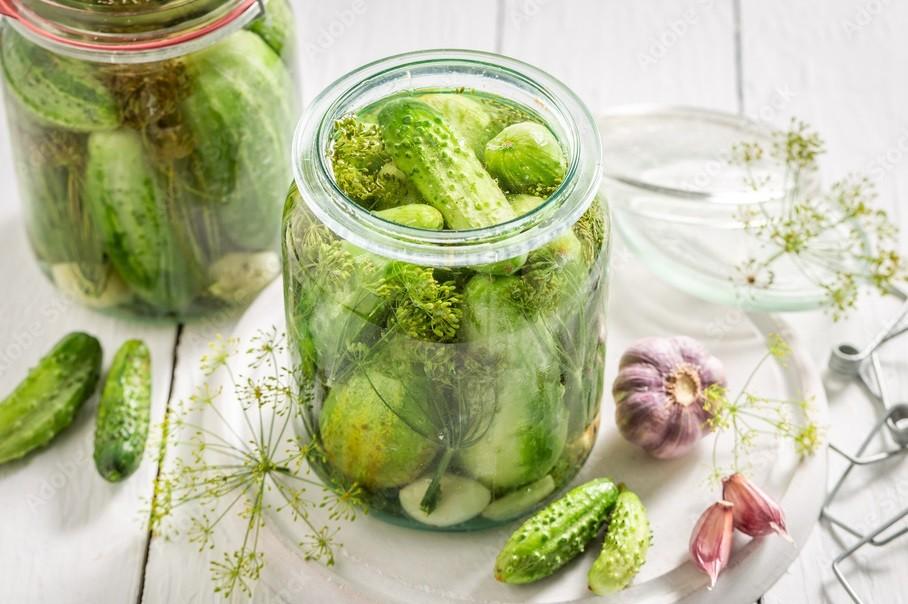
Pickled cucumber (also known as gherkin) is one of the most loved fermented foods around the world. Crunchy, tangy, salty, and sometimes slightly sweet, it adds flavor and excitement to even the simplest meals. Whether served alongside sandwiches, burgers, rice dishes, or traditional meals, pickled cucumbers have become a staple in many cuisines.
But beyond their taste, pickled cucumbers offer surprising health benefits. At the same time, they come with certain precautions you should know about. In this guide, we will explore everything about pickled cucumber — what it is, its nutritional value, science-backed health benefits, side effects, how to eat it, ideal dosage, storage tips, precautions, and more.
What is Pickled Cucumber?
Pickled cucumber is a cucumber that has been preserved in a brine solution, usually made of water, salt, and vinegar. Some traditional varieties are naturally fermented using saltwater and beneficial bacteria instead of vinegar.
There are two main types:
- Vinegar-pickled cucumbers – Soaked in vinegar, salt, sugar, and spices.
- Fermented pickled cucumbers – Preserved in saltwater brine and allowed to ferment naturally.
During fermentation, beneficial bacteria convert natural sugars into lactic acid. This process not only preserves the cucumber but also enhances its flavor and may increase its probiotic content.
Pickled cucumbers are widely popular in American, European, Middle Eastern, and Asian cuisines. In India, they are similar to certain types of salted or brined cucumbers, though traditional Indian pickles often include oil and spices.
Nutrition Facts of Pickled Cucumber
Below is the approximate nutritional value per 100 grams of pickled cucumber (vinegar-based):
| Nutrient | Amount (Per 100g) |
|---|---|
| Calories | 11–15 kcal |
| Water | 94–95% |
| Carbohydrates | 2–3 g |
| Sugar | 1–2 g |
| Fiber | 1 g |
| Protein | 0.3–0.5 g |
| Fat | 0.2 g |
| Sodium | 800–1200 mg |
| Potassium | 100–150 mg |
| Vitamin K | 40–60 mcg |
| Vitamin A | Small amounts |
| Vitamin C | 2–5 mg |
| Calcium | 20–30 mg |
| Iron | 0.2–0.4 mg |
Note: Sodium levels vary widely depending on the preparation method.
20 Proven Health Benefits of Pickled Cucumber
- Supports Gut Health – Fermented pickled cucumbers contain beneficial probiotics that help balance the gut microbiome and improve digestion.
- Improves Digestion – The natural acids in pickles stimulate digestive enzymes and support smoother digestion.
- Low in Calories – Pickled cucumbers are very low in calories, making them a smart snack for weight management.
- Helps Control Appetite – Their tangy flavor and fiber content can increase satiety and reduce overeating.
- Rich in Vitamin K – Pickled cucumbers provide vitamin K, which supports proper blood clotting and bone strength.
- Provides Antioxidants – They contain antioxidants that help reduce oxidative stress and protect cells from damage.
- Supports Blood Sugar Balance – Vinegar-based pickles may help reduce post-meal blood sugar spikes.
- Boosts Immunity – Fermented varieties may strengthen immune function through improved gut health.
- Maintains Hydration – With high water content, gherkins contribute to overall hydration.
- Supplies Electrolytes – Sodium and potassium in pickles help maintain fluid and electrolyte balance.
- May Relieve Muscle Cramps – Pickle juice is sometimes used to reduce exercise-related muscle cramps.
- Enhances Nutrient Absorption – Fermented foods can improve the body’s ability to absorb certain nutrients.
- Promotes Bone Health – Vitamin K and trace minerals support bone density and strength.
- Encourages Healthy Skin – Antioxidants and hydration contribute to clearer and healthier skin.
- Stimulates Appetite – The sour taste can increase appetite in people recovering from illness.
- Supports Heart Function (in Moderation) – Potassium helps counterbalance sodium’s effect on blood pressure when consumed wisely.
- May Reduce Nausea – The tangy flavor can ease mild nausea in some individuals.
- Assists Detoxification – High water content helps flush toxins from the body.
- Improves Meal Flavor Without Extra Fat – Pickles add strong flavor without adding significant fat or calories.
- Easy to Include in Diet – They can be conveniently added to meals, salads, and snacks for nutritional variety.
10 Side Effects of Pickled Cucumber
- High Sodium Content – Pickled cucumbers are often high in salt, which can increase daily sodium intake significantly.
- May Raise Blood Pressure – Excess consumption can contribute to hypertension in salt-sensitive individuals.
- Causes Water Retention – High sodium levels may lead to bloating and fluid retention.
- Strains Kidney Function – Overconsumption of salty foods may put extra pressure on the kidneys.
- Triggers Acid Reflux – The acidic nature of pickles may worsen heartburn in some people.
- Irritates Sensitive Stomachs – People with gastritis may experience discomfort after eating pickles.
- Damages Tooth Enamel – The acidity can gradually erode tooth enamel if consumed frequently.
- May Cause Bloating – Fermented pickles can lead to temporary gas when first introduced into the diet.
- Not Suitable for Low-Sodium Diets – Individuals advised to restrict salt should avoid frequent intake.
- Possible Allergic Reactions – Some people may react to spices, preservatives, or additives used in pickling.
How to Eat Pickled Cucumber?
There are many delicious ways to enjoy pickled cucumbers:
- As a side dish with rice or curry
- In sandwiches and burgers
- Chopped into salads
- Added to wraps and rolls
- With grilled meats or tofu
- Mixed into yogurt-based dips
- As a snack on its own
Tips for Consuming Pickled Cucumber
- Choose low-sodium varieties when possible.
- Prefer naturally fermented versions for probiotic benefits.
- Rinse lightly if sodium content is high.
- Eat in moderation.
- Combine with balanced meals rather than eating in large quantities alone.
Other Uses of Pickled Cucumber
- Pickle juice as a marinade for meats
- Added to salad dressings
- Used in sauces and dips
- Flavoring for cocktails
- Tenderizing meat due to acidic content
How Much Pickled Cucumber Can You Eat in a Day?
For most healthy adults:
- 1–2 small pickles (about 50–100 grams) per day is generally safe.
This amount provides flavor and nutrients without excessive sodium intake.
People on low-sodium diets should limit to smaller portions or avoid entirely.
Pickled Cucumber Dosage
There is no official medicinal dosage. However:
- General wellness: 1 small serving daily
- For probiotic support: 2–3 tablespoons of fermented pickle
- For muscle cramps: Small quantity of pickle juice occasionally
Always consider total daily sodium intake.
Pickled Cucumber Recipe
Making pickled cucumbers at home is simple, affordable, and healthier because you control the salt, sugar, and preservatives. Below are two methods: a quick vinegar pickle (ready in 24 hours) and a traditional fermented pickle (probiotic-rich).
1. Quick Vinegar Pickled Cucumber (Refrigerator Method)
Ingredients:
- 4–5 fresh cucumbers (small, firm, and unwaxed)
- 1 cup white vinegar (or apple cider vinegar)
- 1 cup water
- 1–1½ tablespoons salt (preferably non-iodized)
- 1 tablespoon sugar (optional)
- 3–4 garlic cloves (crushed)
- 1 teaspoon mustard seeds
- 1 teaspoon black peppercorns
- 1–2 sprigs fresh dill (optional)
- ½ teaspoon red chili flakes (optional)
Instructions:
- Wash and Slice
Wash cucumbers thoroughly and slice into rounds, spears, or leave whole (trim the ends for extra crunch). - Prepare the Brine
In a saucepan, combine vinegar, water, salt, and sugar. Heat until salt dissolves. Let it cool slightly. - Pack the Jar
Place garlic, mustard seeds, peppercorns, dill, and chili flakes at the bottom of a clean glass jar. Add cucumber slices tightly. - Pour the Brine
Pour warm brine over cucumbers until fully submerged. - Cool and Refrigerate
Let the jar cool to room temperature, then seal and refrigerate for at least 24 hours.
Storage:
- Keep refrigerated.
- Best consumed within 2–3 weeks.
2. Traditional Fermented Pickled Cucumber (Probiotic Method)
Ingredients:
- 4–5 cucumbers
- 1 liter water
- 1½ tablespoons non-iodized salt
- 3–4 garlic cloves
- 1 teaspoon mustard seeds
- Fresh dill or coriander stems
- Optional spices (peppercorns, bay leaf, chili)
Instructions:
- Make Salt Brine
Dissolve salt completely in water. - Prepare the Jar
Add garlic and spices to a sterilized glass jar. Place cucumbers inside tightly. - Add Brine
Pour saltwater brine over cucumbers until fully covered. - Weigh Down
Ensure cucumbers stay submerged (use a fermentation weight or small clean lid). - Ferment
Cover loosely and leave at room temperature (20–25°C) for 3–5 days. - Check Taste
Once tangy and slightly sour, transfer to refrigerator to slow fermentation.
Storage:
- Refrigerate after fermentation.
- Use within 1–2 months.
Tips for Extra Crunchy Pickles
- Use fresh, firm cucumbers.
- Trim the blossom end to prevent softening.
- Add grape leaves or a pinch of alum for crispness.
- Avoid iodized salt in fermented recipes.
Flavor Variations
- Sweet pickles: Add 2–3 tablespoons sugar.
- Spicy pickles: Add green chilies or extra chili flakes.
- Indian-style: Add turmeric, mustard oil (for vinegar method), and fenugreek seeds.
- Garlic-dill classic: Increase dill and garlic.
How Long Before You Can Eat Them?
- Quick pickles: 24–48 hours.
- Fermented pickles: 3–7 days depending on temperature and taste preference.
Best Time to Eat Pickled Cucumber
- Before meals to stimulate appetite
- With meals to enhance digestion
- Post-workout (small amount) for electrolyte replenishment
Avoid eating large amounts late at night if you are prone to acid reflux.
Who Should Eat Pickled Cucumber?
- People looking for low-calorie snacks
- Individuals wanting probiotic support
- Athletes needing electrolyte replenishment
- Those who enjoy tangy flavors in meals
- People seeking to diversify gut-friendly foods
Who Should Not Eat Pickled Cucumber?
- People with high blood pressure
- Individuals with kidney disease
- Those on strict low-sodium diets
- People with severe acid reflux
- Individuals sensitive to acidic foods
How to Store Pickled Cucumber?
- Keep refrigerated after opening.
- Store in airtight glass jars.
- Always ensure cucumbers are submerged in brine.
- Use clean utensils to avoid contamination.
- Check for mold or foul smell before consuming.
Unopened commercial jars can be stored in a cool, dry place.
Precautions and Interactions
- Blood pressure medications – High sodium may counteract treatment.
- Diuretics – Electrolyte balance may be affected.
- Kidney conditions – Sodium overload can worsen symptoms.
- Anticoagulants – High vitamin K content may interfere with medications like warfarin.
- Pregnancy – Safe in moderation, but excessive sodium should be avoided.
If you have a medical condition, consult a healthcare professional before consuming regularly.
Final Thoughts
Pickled cucumber is more than just a crunchy side dish. It is a flavorful, low-calorie food that offers digestive support, hydration benefits, antioxidants, and probiotic potential. However, its high sodium content means it should be consumed in moderation. When eaten wisely, gherkin can be a healthy and enjoyable addition to a balanced diet. Choose fermented varieties for added gut benefits, monitor portion sizes, and pay attention to your overall sodium intake.
FAQ’s
What is Pickled Cucumber good for?
Pickled cucumber is good for supporting digestion, adding probiotics (if fermented), and providing a low-calorie, flavorful addition to meals. It may also help with appetite stimulation, electrolyte balance, and mild muscle cramps when consumed in moderation.
What does Pickled Cucumber taste like?
Pickled cucumber has a tangy, sour, and slightly salty flavor with a crisp texture. Depending on the recipe, it can also taste mildly sweet, spicy, garlicky, or herby.
Is pickled cucumber healthy?
Yes, gherkin can be healthy when eaten in moderation. It is low in calories and may support digestion, but its high sodium content means portion control is important.
Are pickled cucumbers probiotic?
Only naturally fermented gherkins contain live probiotics. Vinegar-based pickles usually do not provide probiotic benefits unless specifically labeled as fermented.
Can I eat pickled cucumber every day?
You can eat small portions daily if you are healthy and not on a low-sodium diet. Limit intake to avoid excessive salt consumption.
Is pickled cucumber good for weight loss?
Yes, it is low in calories and can help control cravings due to its strong flavor and fiber content. However, it should be part of a balanced diet.
Does pickled cucumber increase blood pressure?
It may increase blood pressure if consumed in large amounts due to its high sodium content. People with hypertension should be cautious.
Is pickle juice good for muscle cramps?
Some evidence suggests pickle juice may help relieve muscle cramps because of its electrolyte and sodium content. However, it should not replace proper hydration.
Can diabetics eat pickled cucumber?
Yes, in moderation. Vinegar-based pickles may even help regulate post-meal blood sugar, but watch for added sugar in sweet varieties.
Is pickled cucumber safe during pregnancy?
It is generally safe in small amounts. Pregnant women should monitor sodium intake and avoid unpasteurized fermented products unless properly prepared.
Does pickled cucumber help digestion?
Fermented pickles may improve gut health due to probiotics. The acidic content can also stimulate digestive enzymes.
Can children eat pickled cucumber?
Yes, but in small amounts because of the salt content. It should not replace fresh vegetables in their diet.
Is pickled cucumber acidic?
Yes, it is acidic due to vinegar or lactic acid from fermentation. People with acid reflux should consume it cautiously.
How long do pickled cucumbers last?
Unopened jars can last several months in a cool place. Once opened, they should be refrigerated and typically consumed within a few weeks.
Are sweet pickles healthier than sour pickles?
Sweet pickles contain added sugar, which increases calorie content. Sour or naturally fermented pickles are generally healthier options.
Can pickled cucumber cause bloating?
It may cause temporary bloating in some people, especially when first introducing fermented foods into the diet.
What is the difference between pickled cucumber and regular cucumber?
Regular cucumbers are fresh and low in sodium. Gherkins are preserved in brine or vinegar, which increases sodium and acidity.
Is pickled cucumber good for the immune system?
Fermented varieties may support immunity by improving gut health, which plays a major role in immune function.
Can people with kidney disease eat pickled cucumber?
People with kidney disease should limit or avoid gherkin due to high sodium levels unless advised otherwise by a doctor.
Does pickled cucumber contain vitamin K?
Yes, it contains vitamin K, which supports blood clotting and bone health.
Can pickled cucumber damage teeth?
Frequent consumption may affect tooth enamel because of its acidity. Rinsing your mouth after eating can help reduce this risk.
What is the healthiest way to consume pickled cucumber?
Choose naturally fermented, low-sodium varieties and eat them in small portions alongside balanced meals.
Also Read: