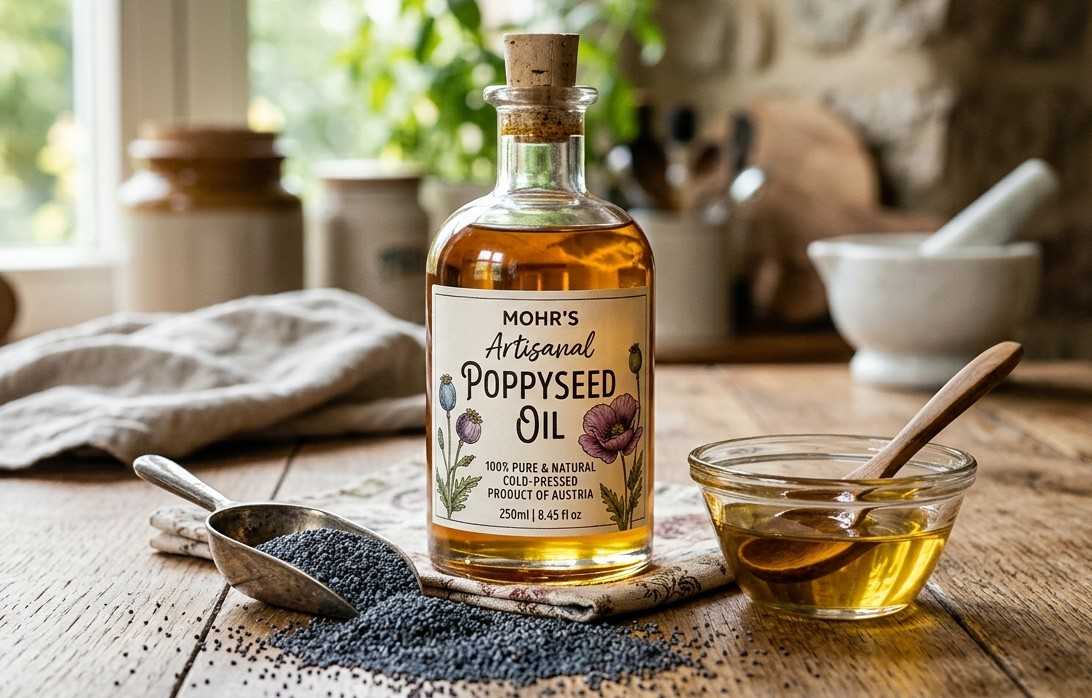
Poppyseed oil is one of those traditional oils that has quietly existed for centuries but is only now gaining attention for its nutritional and cosmetic benefits. Extracted from tiny poppy seeds, this light, mildly nutty oil has been used in cooking, skincare, massage therapy, and even traditional medicine across various cultures. In this guide, you’ll learn everything about poppyseed oil — from its nutrition profile and health benefits to side effects, dosage, and storage tips.
What is Poppyseed Oil?
Poppyseed oil is a plant-based oil extracted from the seeds of the poppy plant, scientifically known as Papaver somniferum. The oil is usually obtained through cold-pressing, which helps preserve its nutrients and delicate flavor.
It is important to note that poppyseed oil is made from poppy seeds, not from the opium latex of the plant. The seeds contain negligible amounts of opiate compounds, and food-grade poppyseed oil is safe for culinary and cosmetic use.
Poppyseed oil has:
- A light yellow to pale golden color
- A mild, slightly nutty taste
- A smooth, non-greasy texture
- A high content of polyunsaturated fatty acids
It is widely used in European cuisines, traditional skincare remedies, and massage oils due to its lightweight consistency and nourishing properties.
Nutrition Facts of Poppyseed Oil (Per 1 Tablespoon – 14g)
| Nutrient | Amount |
|---|---|
| Calories | 120 kcal |
| Total Fat | 14 g |
| Saturated Fat | 1.5 g |
| Monounsaturated Fat | 2 g |
| Polyunsaturated Fat | 10 g |
| Omega-6 Fatty Acids | 9–10 g |
| Omega-3 Fatty Acids | Trace |
| Vitamin E | 2–3 mg |
| Cholesterol | 0 mg |
| Carbohydrates | 0 g |
| Protein | 0 g |
| Fiber | 0 g |
Poppyseed oil is especially rich in linoleic acid (an omega-6 fatty acid), which plays a crucial role in heart health, skin health, and cellular function.
20 Science-Backed Benefits of Poppyseed Oil
- Supports Heart Health – The high content of polyunsaturated fats helps reduce bad cholesterol levels and supports overall cardiovascular health.
- Improves Skin Hydration – Its lightweight texture penetrates deeply into the skin, preventing dryness and flakiness.
- Enhances Skin Barrier Function – Linoleic acid strengthens the skin’s natural protective barrier and reduces moisture loss.
- Reduces Inflammation – The fatty acids in poppy seed oil help calm inflammatory responses in the body.
- Promotes Healthy Hair – Massaging the scalp with poppy seed oil can improve hair softness and shine.
- Prevents Premature Aging – Vitamin E acts as an antioxidant that protects skin cells from oxidative damage.
- Supports Brain Function – Healthy fats are essential for proper nerve function and cognitive performance.
- Improves Joint Flexibility – Regular massage with poppy seed oil may ease mild joint stiffness.
- Balances Skin Oil Production – Its linoleic acid content may help regulate sebum production in oily skin.
- Boosts Immune Function – Essential fatty acids support immune system balance and cellular health.
- Aids Digestive Health – When used moderately in cooking, it may support smoother digestion.
- Supports Hormonal Balance – Healthy dietary fats are crucial for hormone synthesis.
- Promotes Wound Healing – Its nourishing properties may help minor skin injuries heal faster.
- Soothes Eczema and Dry Skin – The oil’s moisturizing effects can relieve itchiness and irritation.
- Enhances Blood Circulation – Massage with warm poppy seed oil may improve localized circulation.
- Supports Healthy Cell Growth – Linoleic acid plays a key role in cellular repair and regeneration.
- Helps Maintain Healthy Weight – When used in moderation, healthy fats can promote satiety and reduce overeating.
- Improves Nail Strength – Regular application can reduce brittle and weak nails.
- Protects Against Free Radical Damage – Antioxidants help reduce oxidative stress.
- Provides Natural Skin Glow – Consistent topical use enhances overall skin texture and radiance.
10 Side Effects of Poppyseed Oil
- Allergic Reactions – Individuals allergic to poppy seeds may experience itching, swelling, or rashes.
- Digestive Discomfort – Excess consumption can lead to nausea or mild stomach upset.
- High Omega-6 Intake – Overuse may disrupt the omega-3 to omega-6 balance in the diet.
- Calorie Dense – Being high in calories, excessive intake may contribute to weight gain.
- Skin Sensitivity – Some individuals may experience irritation when applied topically.
- Rancidity Risk – Improperly stored oil can oxidize and become harmful if consumed.
- Blood Clotting Concerns – High fat intake may interfere with certain blood-thinning medications.
- Positive Drug Test Risk – In rare cases, poppy-derived products may cause trace opiate detection.
- Hormonal Imbalance – Excessive omega-6 intake may contribute to inflammatory imbalance.
- Interaction with Medications – It may interact with cholesterol or blood pressure medications.
How to Use Poppyseed Oil?
Poppy seed oil can be used both internally and externally:
Culinary Uses
- Drizzle over salads
- Mix into dips and dressings
- Use in cold dishes
- Add to smoothies
Note: It is not ideal for high-heat cooking due to its low smoke point.
Topical Uses
- Massage oil
- Facial moisturizer
- Hair oil treatment
- Nail and cuticle care
Other Uses of Poppyseed Oil
Beyond health and cooking, poppy seed oil has several additional uses:
- Used in aromatherapy as a carrier oil
- Applied in traditional massage therapy
- Used in artisanal soaps and skincare products
- Historically used in oil painting as a drying oil
- Included in cosmetic formulations
Tips for Consuming Poppyseed Oil
- Use only cold-pressed, food-grade oil.
- Do not heat at high temperatures.
- Store in a cool, dark place.
- Start with small quantities.
- Balance omega-6 intake with omega-3 sources.
How to Take Poppyseed Oil?
For dietary purposes:
- 1 teaspoon daily can be added to salads or smoothies.
- It can be mixed with lemon juice and herbs as a dressing.
- Combine with yogurt or cottage cheese for added nutrition.
For topical use:
- Apply a few drops to clean skin.
- Massage gently until absorbed.
- Use 2–3 times per week.
How to Make Poppyseed Oil?
Making poppy seed oil at home is possible but requires patience.
Method 1: Cold Infusion Method
- Lightly crush poppy seeds.
- Add them to a neutral oil like sunflower oil.
- Store in a glass jar for 2–3 weeks.
- Strain and store.
Note: This is infused oil, not pure extracted oil.
Method 2: Mechanical Press
True poppy seed oil requires a cold-press oil extractor, which is more practical for commercial production.
How Much Poppyseed Oil Can You Use Per Day?
Moderation is key.
- Adults: 1–2 teaspoons per day is generally sufficient.
- Topical use: 3–5 drops per application.
Excessive intake may disturb fatty acid balance.
Poppyseed Oil Dosage
- General wellness: 5–10 ml per day
- Skin application: As needed in small amounts
- Hair treatment: 1–2 tablespoons weekly
Consult a healthcare professional if you have underlying conditions.
Best Time to Use Poppyseed Oil
- Morning: Added to breakfast smoothies or salads.
- Evening: As part of skincare routine.
- Post-shower: For maximum skin absorption.
Who Should Use Poppyseed Oil?
- Individuals with dry or sensitive skin
- People seeking plant-based healthy fats
- Those wanting natural skincare alternatives
- Individuals with mild joint stiffness
- People interested in cold-pressed gourmet oils
Who Should Not Use Poppyseed Oil?
- People allergic to poppy seeds
- Individuals on blood-thinning medication
- Those with severe digestive disorders
- People advised to follow low-fat diets
- Individuals with omega-6 dominant diets
Pregnant and breastfeeding women should consult a doctor before regular consumption.
How to Store Poppyseed Oil?
Proper storage prevents oxidation and rancidity:
- Store in dark glass bottles
- Keep in a cool, dry place
- Refrigerate after opening
- Avoid exposure to sunlight
- Use within 6–8 months
If the oil smells sour or bitter, discard it.
Precautions and Interactions
- Always perform a patch test before topical use.
- Do not exceed recommended dietary amounts.
- Consult your doctor if taking blood pressure or cholesterol medications.
- Maintain a balanced intake of omega-3 fatty acids.
- Avoid using rancid oil.
Final Thoughts
Poppyseed oil is a versatile, nutrient-rich oil with a long history of culinary and cosmetic use. Its high linoleic acid content makes it beneficial for heart health, skin nourishment, and overall cellular support. However, like any oil, it should be used in moderation.
When chosen wisely and stored properly, poppy seed oil can be a valuable addition to both your kitchen and skincare routine. As with any supplement or dietary change, balance and consistency are key to experiencing its benefits safely and effectively.
FAQ’s
Can I use Poppyseed Oil every day?
Yes, you can use 1–2 teaspoons daily or a few drops topically, but moderation is important due to its high calorie and omega-6 content.
What is Poppyseed Oil good for?
It supports heart health, nourishes skin and hair, and provides essential fatty acids for overall wellness.
Does poppy seed oil contain morphine?
Food-grade poppy seed oil contains only trace residues and does not have active narcotic effects.
Is poppyseed oil safe to consume?
Yes, food-grade poppy seed oil made from poppy seeds is safe for consumption when used in moderate amounts, as it does not contain significant opiate compounds.
Does poppyseed oil contain opium?
No, poppy seed oil is extracted from the seeds of the poppy plant, which contain negligible traces of opiate substances and are considered safe for culinary use.
Can poppyseed oil cause a positive drug test?
In rare cases, consuming large amounts of poppy-derived products may lead to trace opiate detection, but typical culinary use of poppy seed oil is unlikely to cause this issue.
Is poppyseed oil good for the skin?
Yes, poppy seed oil is rich in linoleic acid and vitamin E, which help moisturize, strengthen the skin barrier, and improve overall skin texture.
Can poppyseed oil help with dry hair?
Yes, applying poppy seed oil to the scalp and hair can improve moisture retention, reduce dryness, and add shine.
Is poppyseed oil suitable for cooking?
Yes, poppy seed oil can be used in salads, dressings, and cold dishes, but it is not ideal for high-heat cooking due to its low smoke point.
Is poppyseed oil good for heart health?
Its high polyunsaturated fat content, particularly linoleic acid, may help support healthy cholesterol levels when used in moderation.
Can people with allergies use poppyseed oil?
Individuals with known poppy seed allergies should avoid poppy seed oil, as it may trigger allergic reactions.
Is poppyseed oil good for weight loss?
Oil is calorie-dense, but when used in small amounts, its healthy fats can promote satiety and help control appetite.
Can pregnant women use poppyseed oil?
Small dietary amounts are generally considered safe, but pregnant or breastfeeding women should consult a healthcare provider before regular use.
How long does poppyseed oil last?
When stored properly in a cool, dark place, poppy seed oil typically lasts 6–8 months after opening.
Can poppyseed oil be used as a massage oil?
Yes, its light texture and skin-nourishing properties make it suitable for massage and aromatherapy applications.
Does poppyseed oil clog pores?
Oil is relatively lightweight and may suit many skin types, but individuals with acne-prone skin should patch test first.
Is poppyseed oil the same as poppy seed extract?
No, poppy seed oil is a fatty oil extracted from seeds, while poppy seed extract refers to concentrated compounds derived from the plant.
Can poppyseed oil go rancid?
Yes, like most oils high in polyunsaturated fats, it can oxidize if exposed to heat, light, or air for extended periods.
Is poppyseed oil vegan?
Yes, poppy seed oil is entirely plant-based and suitable for vegan and vegetarian diets.
Can children use poppyseed oil?
Small culinary amounts are generally safe, but it is best to consult a pediatrician before giving it regularly to children.
What does poppyseed oil taste like?
Oil has a mild, slightly nutty flavor that enhances salads and cold dishes.
Can poppyseed oil be mixed with other oils?
Yes, it can be blended with oils rich in omega-3 fatty acids, such as flaxseed oil, to help balance fatty acid intake.
Also Read: