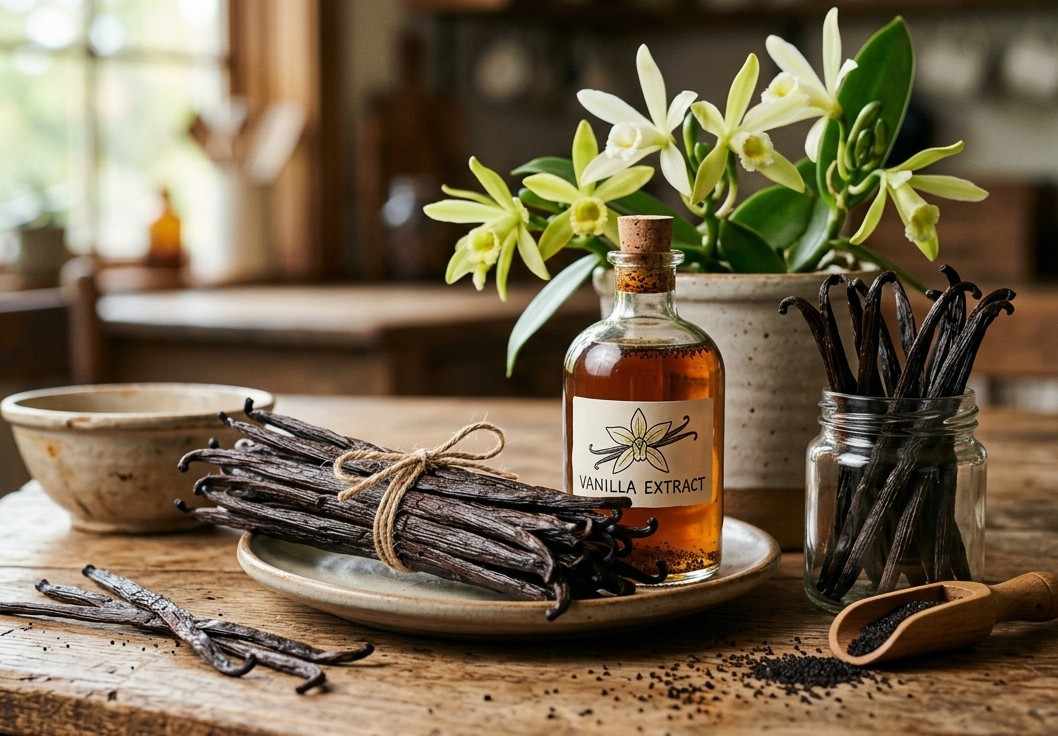
Vanilla is one of the most loved flavors in the world. From desserts and beverages to perfumes and wellness products, vanilla has become a household favorite because of its warm aroma and naturally sweet taste. Beyond flavor, vanilla also contains beneficial plant compounds that may support overall health when consumed in moderation. Whether used in baking, drinks, or natural remedies, vanilla offers both culinary and wellness value.
What is Vanilla?
Vanilla is a spice derived from the pods of orchids belonging to the Vanilla genus, mainly Vanilla planifolia. The long green pods, commonly called vanilla beans, are harvested and cured to develop their rich aroma and flavor.
Vanilla originated in Mexico and was traditionally cultivated by the Totonac people before spreading worldwide. Today, major vanilla-producing countries include Madagascar, Indonesia, Uganda, and Mexico.
Natural vanilla contains compounds such as vanillin, antioxidants, and trace nutrients that contribute to its flavor and possible health benefits. Vanilla is commonly available in several forms:
- Vanilla beans
- Vanilla extract
- Vanilla powder
- Vanilla paste
- Artificial vanilla flavoring
Pure vanilla extract is considered the highest-quality form for cooking and wellness purposes.
Nutrition Facts of Vanilla
Below is the approximate nutritional value of pure vanilla extract per tablespoon (13g).
| Nutrient | Amount |
|---|---|
| Calories | 37 |
| Carbohydrates | 1.6 g |
| Sugar | 1.6 g |
| Fat | 0 g |
| Protein | 0 g |
| Fiber | 0 g |
| Calcium | 1 mg |
| Magnesium | 1 mg |
| Potassium | 19 mg |
| Sodium | 1 mg |
| Alcohol (in extract) | Varies |
| Antioxidants | Present |
| Vanillin | Natural active compound |
Nutritional values may vary depending on the type and purity of vanilla product used.
20 Proven Health Benefits of Vanilla
- Rich in Antioxidants: Vanilla contains antioxidant compounds that may help protect cells from oxidative stress and free radical damage.
- May Reduce Inflammation: Natural vanilla compounds may help lower inflammation levels in the body.
- Supports Relaxation: The comforting aroma of vanilla is often associated with calmness and stress relief.
- May Improve Mood: Vanilla fragrance may help reduce anxiety and promote emotional comfort.
- Can Support Better Sleep: Warm vanilla beverages or aromatherapy may encourage relaxation before bedtime.
- May Aid Digestion: Vanilla has traditionally been used to soothe the stomach and support digestion.
- Could Help Reduce Sugar Intake: Vanilla adds sweetness perception without requiring large amounts of sugar.
- Supports Heart Health: Antioxidants in vanilla may help support healthy circulation and cardiovascular wellness.
- May Help Fight Bacteria: Some studies suggest vanilla contains compounds with antibacterial properties.
- Can Freshen Breath: Vanilla is sometimes used in natural mouth-care products because of its pleasant aroma.
- May Help Reduce Nausea: Vanilla aroma may help ease nausea in some individuals.
- Supports Brain Health: Antioxidants in vanilla may help protect brain cells from oxidative damage.
- May Promote Healthy Skin: Vanilla is often used in skincare products for its soothing and antioxidant effects.
- Can Improve Food Flavor Naturally: Vanilla enhances flavor naturally, helping reduce reliance on artificial additives.
- May Calm Nervous Tension: Vanilla aromatherapy may help relax the nervous system.
- Supports Aromatherapy Practices: Vanilla essential oil is commonly used during massages and relaxation therapies.
- May Help with Appetite Control: The sweet aroma of vanilla may help reduce cravings for sugary foods.
- Can Enhance Beverage Taste: Vanilla improves the flavor of coffee, smoothies, milk, and herbal drinks.
- May Support Immune Health: Antioxidant properties may contribute to overall immune system support.
- Provides Comfort During Stressful Times: Many people associate vanilla aroma with warmth, comfort, and emotional well-being.
10 Side Effects of Vanilla
- Possible Allergic Reactions: Some individuals may experience itching, swelling, or irritation after consuming vanilla products.
- May Cause Headaches: Strong artificial vanilla fragrances may trigger headaches in sensitive people.
- Can Irritate Skin: Direct application of concentrated vanilla extracts or oils may irritate the skin.
- May Contain Alcohol: Pure vanilla extract often contains alcohol, which may not suit everyone.
- Could Trigger Digestive Discomfort: Excessive consumption may cause stomach upset or nausea.
- May Increase Sugar Intake: Vanilla-flavored products often contain added sugars and calories.
- Can Interact with Sensitive Skin Products: Vanilla oils may react with certain cosmetic ingredients.
- May Cause Breathing Irritation: Strong vanilla fragrances may irritate people with fragrance sensitivities.
- Could Affect Children if Overused: Excessive intake of flavored vanilla desserts may contribute to excess sugar consumption in children.
- Artificial Vanilla May Contain Additives: Synthetic vanilla flavorings may contain preservatives and chemicals that some people prefer to avoid.
How to Eat Vanilla?
Vanilla can be enjoyed in many delicious ways. Some popular methods include:
- Adding vanilla extract to smoothies
- Mixing vanilla into yogurt or oatmeal
- Using vanilla beans in desserts
- Adding vanilla to coffee or tea
- Baking cakes, cookies, and muffins with vanilla
- Stirring vanilla into warm milk
- Using vanilla powder in protein shakes
- Making homemade vanilla ice cream
- Preparing vanilla-flavored chia pudding
- Adding vanilla to fruit salads
Natural vanilla works especially well with cinnamon, cocoa, fruits, nuts, and dairy products.
Tips for Consuming Vanilla
- Choose pure vanilla extract whenever possible.
- Use vanilla in moderation because concentrated extracts are strong.
- Read labels carefully to avoid artificial additives.
- Pair vanilla with healthy foods like oats, nuts, and fruits.
- Avoid excessive sugar-filled vanilla products.
- Store vanilla properly to preserve aroma and quality.
- Use fresh vanilla beans for richer flavor.
- Add vanilla toward the end of cooking for best aroma retention.
How to Use Vanilla?
Vanilla is highly versatile and can be used in different forms.
In Cooking
- Baking cakes and cookies
- Flavoring puddings and custards
- Preparing pancakes and waffles
- Making smoothies and milkshakes
- Sweetening oatmeal and cereals
In Drinks
- Coffee flavoring
- Herbal teas
- Hot chocolate
- Protein shakes
- Homemade lattes
In Wellness
- Aromatherapy oils
- Relaxing bath products
- Homemade candles
- Massage oils
- Natural perfumes
In Beauty Care
- Face masks
- Body scrubs
- Lip balms
- Hair masks
- Skin creams
Other Uses of Vanilla
Vanilla is not only used in food. It also has many household and commercial applications.
- Used in perfumes and fragrances
- Added to scented candles
- Used in room fresheners
- Included in cosmetic products
- Used in soaps and shampoos
- Added to herbal remedies
- Used in spa treatments
- Included in flavored tobacco products
- Used in homemade crafts and potpourri
How Much Vanilla Can You Consume in a Day?
Vanilla is generally consumed in small quantities because of its concentrated flavor. For most healthy adults:
- 1–2 teaspoons of pure vanilla extract daily in foods or beverages is generally considered moderate.
- Vanilla beans can also be used occasionally in recipes.
- Excessive intake is not recommended because extracts may contain alcohol and concentrated compounds.
Moderation is important, especially when consuming sweetened vanilla products.
Vanilla Dosage
The appropriate amount of vanilla depends on the form used.
| Form of Vanilla | Suggested Moderate Use |
|---|---|
| Vanilla Extract | 1–2 teaspoons daily |
| Vanilla Powder | ¼–1 teaspoon daily |
| Vanilla Bean | Small portion in recipes |
| Vanilla Paste | 1 teaspoon daily |
| Vanilla Essential Oil | External use only unless approved for food use |
Always follow product instructions and consult a healthcare professional if using vanilla supplements or concentrated oils.
Best Time to Eat Vanilla
Vanilla can be consumed at different times depending on personal preference.
- Morning: Vanilla in coffee, smoothies, or oatmeal can provide a pleasant start to the day.
- Afternoon: Vanilla snacks or yogurt may help satisfy sweet cravings.
- Evening: Warm vanilla milk or tea may encourage relaxation before sleep.
- Before Workouts: Vanilla protein shakes may support energy intake.
- Dessert Time: Vanilla is widely enjoyed in healthy desserts after meals.
Who Should Eat Vanilla?
Vanilla may be beneficial for:
- People who enjoy natural flavoring
- Individuals trying to reduce sugar intake
- Those seeking comforting herbal aromas
- Home bakers and cooks
- People interested in aromatherapy
- Individuals wanting antioxidant-rich spices
- Adults looking for healthier dessert flavoring options
When used moderately, vanilla can fit into many balanced diets.
Who Should Not Eat Vanilla?
Certain individuals may need caution with vanilla products.
- People allergic to vanilla
- Individuals sensitive to fragrances
- Those avoiding alcohol-based extracts
- People with severe skin sensitivities
- Children consuming excessive sugary vanilla foods
- Individuals sensitive to artificial flavorings
- Pregnant or breastfeeding women using concentrated vanilla oils without medical advice
Consult a healthcare professional if unsure about vanilla use.
How to Store Vanilla?
Proper storage helps preserve vanilla’s aroma and flavor.
Vanilla Beans
- Store in an airtight container.
- Keep in a cool, dark place.
- Avoid refrigeration because moisture may cause mold.
Vanilla Extract
- Keep tightly sealed.
- Store away from heat and sunlight.
- Maintain at room temperature.
Vanilla Powder
- Store in a dry airtight jar.
- Keep away from humidity.
Properly stored vanilla products can maintain quality for a long time.
Precautions and Interactions
Although vanilla is generally safe in culinary amounts, some precautions are important.
- Avoid consuming large amounts of pure extract.
- Do not ingest vanilla essential oil unless labeled food-safe.
- Check ingredient labels for additives or allergens.
- Perform a patch test before applying vanilla products to skin.
- Use caution with alcohol-containing extracts.
- Avoid excessive sugary vanilla desserts if managing diabetes or weight.
- People with allergies or asthma should avoid strong fragrances if symptoms occur.
Vanilla may also interact indirectly with certain skincare products or fragrance-sensitive conditions.
Conclusion
Vanilla is much more than a popular flavoring ingredient. This aromatic spice offers antioxidants, calming properties, and versatile culinary uses that make it valuable in kitchens, wellness routines, and beauty products around the world. From enhancing desserts and beverages to supporting relaxation through aromatherapy, vanilla remains one of the most cherished natural ingredients.
When consumed in moderation and chosen in its pure form, vanilla can be a flavorful addition to a balanced lifestyle. Selecting high-quality vanilla products and using them responsibly helps maximize both taste and potential health benefits.
FAQ’s
What is vanilla made from?
Vanilla comes from the cured pods of the vanilla orchid plant, mainly Vanilla planifolia. The pods are dried and processed to create vanilla flavoring products.
Is vanilla healthy?
Natural vanilla contains antioxidants and may support relaxation and mood when consumed in moderation as part of a balanced diet.
What does vanilla taste like?
Vanilla has a sweet, creamy, warm, and slightly floral flavor that pairs well with desserts, drinks, and baked foods.
Can you eat vanilla every day?
Yes, moderate amounts of pure vanilla used in foods or beverages are generally safe for most healthy adults.
Is vanilla extract safe to consume?
Pure vanilla extract is safe in small culinary amounts, but excessive intake is not recommended because many extracts contain alcohol.
Does vanilla help with sleep?
The calming aroma of vanilla may help some people relax and unwind before bedtime.
Is vanilla good for digestion?
Vanilla has traditionally been used to soothe the stomach and may support digestion when used moderately.
Can vanilla help reduce sugar cravings?
The naturally sweet aroma and flavor of vanilla may help satisfy sweet cravings without adding too much sugar.
What is the difference between pure vanilla and artificial vanilla?
Pure vanilla comes from real vanilla beans, while artificial vanilla is made using synthetic flavor compounds such as vanillin.
Can children consume vanilla?
Yes, vanilla used in foods is generally safe for children, but sugary vanilla products should be consumed in moderation.
Is vanilla good for skin?
Vanilla is commonly used in skincare products because of its antioxidant and soothing properties.
Can vanilla cause allergies?
Some individuals may experience allergic reactions or sensitivity to vanilla or vanilla-based fragrances.
Is vanilla good in coffee?
Yes, vanilla is widely used to enhance the flavor of coffee and other beverages.
Can pregnant women consume vanilla?
Vanilla used in normal food amounts is generally considered safe, but concentrated vanilla oils or supplements should only be used with medical advice.
Does vanilla contain caffeine?
No, natural vanilla does not contain caffeine.
Can vanilla be used for weight management?
Vanilla may help reduce cravings for sugary foods when used as a natural flavor enhancer in healthy meals and snacks.
Also Read: