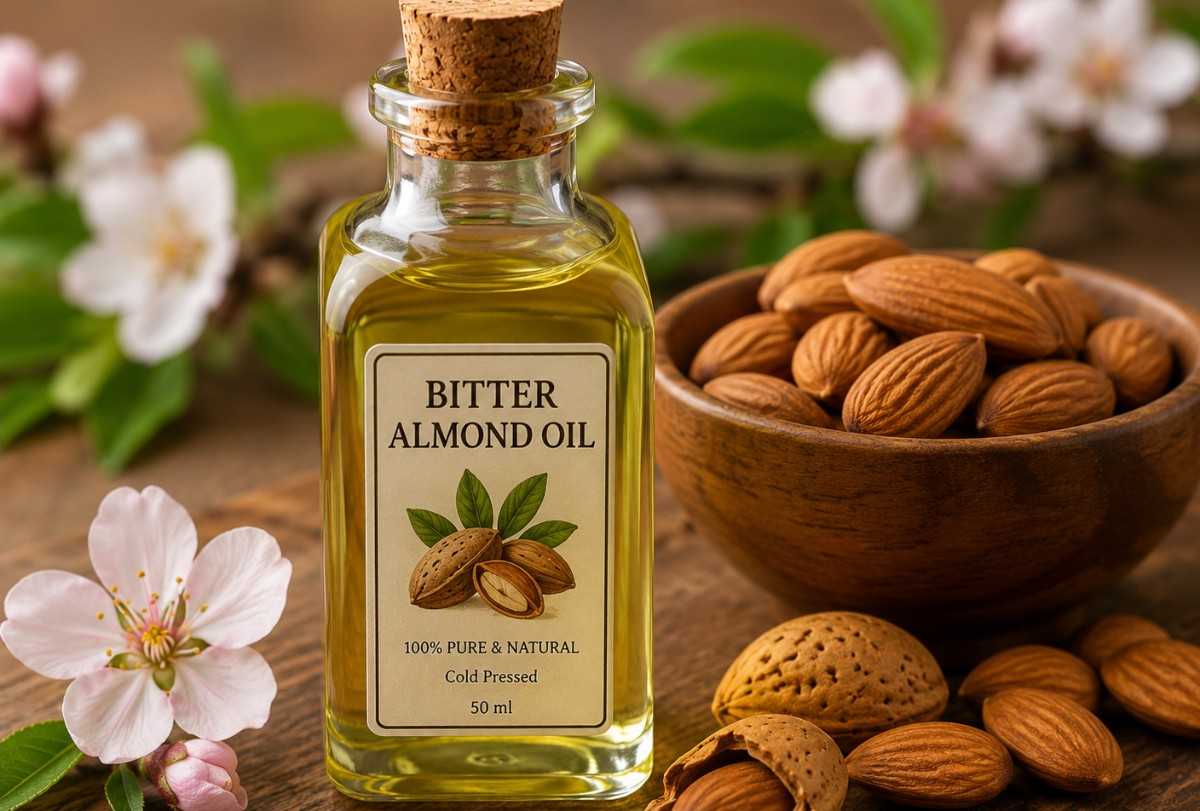
Bitter Almond Oil has been used for centuries in traditional wellness practices, skincare, hair care, aromatherapy, and medicinal preparations. Extracted from bitter almonds, this powerful oil is known for its strong aroma, therapeutic compounds, and wide range of beauty and wellness applications. Unlike sweet almond oil, bitter almond oil contains unique natural substances that make it highly potent and useful in small quantities.
Today, Bitter Almond Oil is commonly found in cosmetic products, massage oils, soaps, perfumes, hair treatments, and aromatherapy blends. Many people also explore its traditional uses for skin nourishment, scalp health, relaxation, and muscle comfort. However, because bitter almonds naturally contain compounds that can become toxic in excessive amounts, proper use and dosage are extremely important.
In this guide, you will learn everything about Bitter Almond Oil, including its nutritional profile, science-backed health benefits, side effects, usage methods, precautions, dosage, storage tips, and much more.
What is Bitter Almond Oil?
Bitter Almond Oil is a concentrated essential oil extracted from bitter almonds, which come from the bitter almond tree variety. These almonds are different from sweet almonds commonly eaten as snacks. Bitter almonds contain compounds such as amygdalin, which can release benzaldehyde and hydrocyanic acid during processing.
The oil is traditionally produced through pressing and steam distillation methods. It has a strong nutty aroma with a slightly sweet yet sharp scent. Bitter Almond Oil is mainly used externally in cosmetics, skincare products, massage oils, perfumes, soaps, and aromatherapy.
Refined and purified versions are sometimes used in flavoring agents and wellness products, but only under strict safety regulations.
Nutrition Facts of Bitter Almond Oil
| Nutrient | Approximate Amount per 100g |
|---|---|
| Calories | 884 kcal |
| Total Fat | 100 g |
| Saturated Fat | 8 g |
| Monounsaturated Fat | 70 g |
| Polyunsaturated Fat | 17 g |
| Vitamin E | 39 mg |
| Omega-9 Fatty Acids | High |
| Omega-6 Fatty Acids | Moderate |
| Protein | 0 g |
| Carbohydrates | 0 g |
| Sugars | 0 g |
| Fiber | 0 g |
| Calcium | Trace |
| Magnesium | Trace |
| Potassium | Trace |
| Antioxidants | Present |
Note: Nutritional values may vary depending on extraction and purification methods.
20 Proven Benefits of Bitter Almond Oil
- Deep Skin Moisturization: Bitter Almond Oil helps nourish dry and rough skin by locking in moisture and improving softness.
- Supports Healthy Hair: The oil may strengthen hair strands and reduce dryness, making hair appear smoother and shinier.
- Rich in Antioxidants: Its antioxidant compounds help protect the skin from environmental stress and premature aging.
- Improves Skin Texture: Regular external use may help soften uneven or flaky skin areas.
- Promotes Relaxation: The aroma of Bitter Almond Oil is commonly used in aromatherapy to encourage calmness and relaxation.
- Helps Reduce Scalp Dryness: Applying diluted oil to the scalp may help soothe dryness and irritation.
- May Support Massage Therapy: The oil is widely used in massage blends for muscle comfort and relaxation.
- Enhances Skin Glow: Its nourishing fatty acids may improve overall skin radiance and smoothness.
- Supports Nail Health: Bitter Almond Oil may help moisturize brittle nails and dry cuticles.
- Useful in Aromatherapy: Its warm nutty fragrance is commonly used in diffusers and wellness treatments.
- May Help with Dry Lips: Small amounts applied externally can help soften cracked lips.
- Supports Soft Hands and Feet: The oil may help repair rough skin on hands, elbows, and heels.
- May Reduce Frizz: Hair treatments with Bitter Almond Oil can help tame frizzy and unmanageable hair.
- Acts as a Natural Emollient: Its fatty acid content helps smooth and condition the skin surface.
- Can Improve Massage Experience: Its texture allows smooth application during body massage.
- Supports Healthy-Looking Beard: Men often use diluted almond oils to soften beard hair and reduce dryness.
- May Help Soothe Tired Muscles: Massage with diluted Bitter Almond Oil may provide temporary comfort after physical activity.
- Useful in Homemade Beauty Products: It is commonly added to creams, lotions, soaps, and hair masks.
- May Help Improve Skin Elasticity: Consistent moisturizing may support softer and more flexible skin.
- Provides Pleasant Natural Fragrance: The oil’s aromatic compounds make it valuable in perfumes and scented products.
10 Side Effects of Bitter Almond Oil
- Toxicity Risk: Excessive or unpurified consumption may be dangerous because bitter almonds naturally contain cyanogenic compounds.
- Skin Irritation: Some individuals may experience redness, itching, or irritation after topical use.
- Allergic Reactions: People with nut allergies may react to Bitter Almond Oil.
- Digestive Discomfort: Improper internal use may lead to nausea, stomach upset, or vomiting.
- Headaches: Strong aroma exposure may trigger headaches in sensitive individuals.
- Breathing Difficulty: Inhaling concentrated oil improperly may irritate the respiratory system.
- Dizziness: Excessive exposure or ingestion may cause dizziness or weakness.
- Not Safe During Pregnancy in Large Amounts: Pregnant women should avoid medicinal or excessive use unless approved by a healthcare professional.
- Possible Drug Interactions: Bitter Almond Oil may interact with certain medications or herbal supplements.
- Risk from Unrefined Products: Raw or improperly processed bitter almond products can contain harmful levels of toxic compounds.
How to Use Bitter Almond Oil?
- For Skin Moisturizing: Apply a few diluted drops to dry skin areas to improve softness and hydration.
- For Hair Care: Massage diluted oil into the scalp and hair before washing.
- For Aromatherapy: Add a few drops to a diffuser for a calming fragrance experience.
- For Massage: Mix with a carrier oil and use for body massage and relaxation.
- For Nail Care: Rub a small amount onto nails and cuticles before bedtime.
- For Lip Care: Apply a tiny diluted amount externally to dry lips.
- For Bath Use: Add a few drops to warm bath water for a soothing effect.
- For Beard Conditioning: Massage diluted oil into beard hair to improve softness.
- For DIY Beauty Products: Blend into homemade soaps, lotions, or creams.
- For Foot Care: Apply to cracked heels and dry feet before sleeping.
Other Uses of Bitter Almond Oil
- Perfume Ingredient: Bitter Almond Oil is commonly used in fragrance manufacturing.
- Soap Production: Many handmade soaps contain the oil for scent and nourishment.
- Cosmetic Formulations: It is added to creams, lotions, and beauty products.
- Massage Oil Blends: Spas often include it in aromatic massage oils.
- Hair Masks: DIY hair treatments use the oil for conditioning benefits.
- Candles and Aromatics: Its fragrance is popular in scented candles and diffusers.
- Traditional Wellness Practices: Some traditional systems use it for external therapeutic applications.
- Bath Products: Bath salts and oils may include Bitter Almond Oil for fragrance.
- Cuticle Oils: Beauty products often use it for nail and cuticle care.
- Luxury Skincare Products: High-end skincare brands sometimes include almond-based oils for nourishment.
Tips for Consuming Bitter Almond Oil
Because Bitter Almond Oil can contain potentially harmful compounds, internal use should only involve food-grade refined products and professional guidance.
- Always choose purified and food-grade Bitter Almond Oil.
- Never consume raw or unrefined bitter almond extracts.
- Use extremely small quantities if taken internally.
- Read product labels carefully before use.
- Consult a healthcare professional before medicinal use.
- Avoid self-medicating with concentrated oil.
- Keep away from children.
- Discontinue use if adverse reactions occur.
- Perform a patch test before external application.
- Store safely to prevent accidental misuse.
How to Take Bitter Almond Oil?
- As Aromatherapy Oil: Add diluted drops to a diffuser for inhalation.
- In Massage Blends: Combine with coconut or jojoba oil before applying to the body.
- In Hair Treatments: Mix a few drops into hair masks or carrier oils.
- In Skincare: Blend into creams or lotions for moisturizing effects.
- In Bath Water: Add a small diluted amount to warm baths.
- For Nail Care: Apply directly to nails in tiny amounts.
- For Dry Skin Spots: Dab diluted oil onto elbows, heels, or rough patches.
- In DIY Cosmetics: Use in homemade lip balms, soaps, or body butters.
How to Make Bitter Almond Oil at Home?
Important Note: Homemade Bitter Almond Oil can be unsafe if not processed correctly. Bitter almonds naturally contain toxic compounds, so extreme caution is necessary.
Ingredients:
- Bitter almonds
- Carrier oil (optional)
- Distillation equipment or oil press
- Glass storage bottle
Method:
- Clean and dry the bitter almonds thoroughly.
- Crush or grind the almonds into smaller pieces.
- Use steam distillation or a cold-press extraction method.
- Carefully collect the extracted oil.
- Filter the oil through a fine cloth or filter paper.
- Dilute with a safe carrier oil if desired.
- Store in a dark glass bottle away from sunlight.
Because safe processing is difficult at home, many experts recommend purchasing professionally refined Bitter Almond Essential Oil instead.
How Much Bitter Almond Oil Can You Use Per Day?
The safe amount depends on the type, concentration, and intended use.
- For topical use, only a few diluted drops are generally sufficient.
- For aromatherapy, 2–5 drops in a diffuser is commonly used.
- Internal use should only involve food-grade refined oil and professional guidance.
- Excessive use is not recommended due to potential toxicity concerns.
Always follow the manufacturer’s directions and consult a healthcare professional if unsure.
Bitter Almond Oil Dosage
| Purpose | Suggested Amount |
|---|---|
| Aromatherapy | 2–5 diluted drops |
| Massage | 3–6 drops mixed with carrier oil |
| Hair Care | Few drops blended with hair oil |
| Skin Care | 1–2 diluted drops |
| Bath Use | 2–4 diluted drops |
| Nail Care | Small external application |
Note: These are general wellness suggestions and not medical prescriptions.
Best Time to Use Bitter Almond Oil
- Before Bedtime: Ideal for skincare and overnight moisturizing treatments.
- After Showering: Applying to damp skin may improve absorption.
- Before Hair Wash: Useful as a pre-shampoo scalp treatment.
- During Massage Sessions: Best used during relaxation or wellness routines.
- Evening Aromatherapy: Its aroma may support relaxation after a long day.
Who Should Use Bitter Almond Oil?
- People with Dry Skin: The oil may help improve skin softness and hydration.
- Individuals with Dry Hair: It can support smoother and shinier hair.
- Massage Therapy Users: Suitable for relaxation and body massage blends.
- People Interested in Aromatherapy: Its fragrance works well in calming wellness routines.
- Those with Rough Heels or Elbows: Moisturizing properties may help soften thick skin areas.
- DIY Beauty Enthusiasts: Useful in homemade skincare and haircare products.
- People Seeking Natural Fragrance Oils: Its scent is valued in perfumes and aromatics.
- Individuals with Brittle Nails: External use may support healthier-looking nails and cuticles.
Who Should Not Use Bitter Almond Oil?
- People with Nut Allergies: Almond-related allergies may trigger reactions.
- Pregnant Women Without Medical Advice: Excessive or medicinal use may not be safe.
- Children: Internal use is generally not recommended for children.
- People with Sensitive Skin: The oil may cause irritation if not diluted properly.
- Individuals with Respiratory Sensitivity: Strong fragrances may irritate some people.
- People Taking Certain Medications: Possible interactions may occur.
- Individuals with Serious Medical Conditions: Professional guidance is important before use.
- Those Using Unrefined Products: Raw bitter almond products can be unsafe.
How to Store Bitter Almond Oil?
Proper storage helps maintain freshness, aroma, and effectiveness.
- Store in a cool, dark place.
- Keep away from direct sunlight.
- Use airtight dark glass bottles.
- Avoid exposure to heat and moisture.
- Keep the bottle tightly sealed after use.
- Do not store near flames or excessive heat.
- Keep out of reach of children and pets.
- Check expiration dates regularly.
Properly stored Bitter Almond Oil may last up to 1–2 years depending on quality and processing.
Precautions and Interactions
Bitter Almond Oil is highly concentrated and should always be used carefully.
Important Precautions:
- Never consume unrefined bitter almond oil.
- Always dilute before topical use.
- Perform a patch test before applying to large skin areas.
- Avoid contact with eyes and sensitive tissues.
- Do not exceed recommended usage amounts.
- Stop use immediately if irritation occurs.
- Use only food-grade products for internal applications.
Possible Interactions:
- May interact with sedative medications.
- Could affect individuals sensitive to strong essential oils.
- May cause reactions when combined with other concentrated oils.
- Individuals using prescription medications should seek medical advice before regular use.
Conclusion
Bitter Almond Oil is a powerful and aromatic natural oil valued for its skincare, haircare, massage, and aromatherapy benefits. Rich in nourishing fatty acids and antioxidants, it may help moisturize the skin, soften hair, support relaxation, and improve overall beauty routines when used properly.
However, Bitter Almond Oil is also highly potent and requires careful handling. Because bitter almonds naturally contain toxic compounds, it is essential to use only refined, high-quality products and follow proper dosage recommendations. External use is generally more common and safer than internal consumption.
FAQ’s
What is Bitter Almond Oil used for?
Bitter Almond Essential Oil is commonly used for skincare, hair care, massage therapy, aromatherapy, perfumes, soaps, and cosmetic products.
Is Bitter Almond Oil safe for skin?
Yes, diluted Bitter Almond Essential Oil is generally considered safe for external skin use, but a patch test is recommended before regular application.
Can Bitter Almond Oil be consumed?
Only refined and food-grade Bitter Almond Essential Oil should ever be consumed, and it must be used in very small amounts under professional guidance.
What does Bitter Almond Oil smell like?
Bitter Almond Essential Oil has a strong, sweet, nutty aroma with a slightly sharp fragrance.
Is Bitter Almond Oil good for hair?
Yes, it may help moisturize the scalp, reduce dryness, improve shine, and soften hair.
Can Bitter Almond Oil help dry skin?
Yes, its moisturizing fatty acids may help nourish dry, flaky, and rough skin.
Is Bitter Almond Oil toxic?
Raw or unrefined Bitter Almond Essential Oil can contain harmful compounds, so only properly refined products should be used.
Can Bitter Almond Oil lighten skin?
Some people use it in skincare routines to improve skin appearance and glow, but results vary from person to person.
How often can I use Bitter Almond Oil?
For topical use, it is commonly used a few times per week depending on skin sensitivity and product concentration.
Can Bitter Almond Oil be used daily?
Diluted external use may be suitable for daily application in some individuals, but moderation is important.
Is Bitter Almond Oil good for massage?
Yes, it is widely used in massage oils because of its smooth texture and relaxing aroma.
Can Bitter Almond Oil cause allergies?
Yes, individuals with almond or nut allergies may experience allergic reactions.
Is Bitter Almond Oil safe during pregnancy?
Pregnant women should consult a healthcare professional before using Bitter Almond Essential Oil regularly or internally.
Can Bitter Almond Oil help cracked heels?
Yes, applying diluted oil to dry heels may help soften rough skin and improve moisture.
How do you apply Bitter Almond Oil to hair?
Mix a few drops with a carrier oil, massage into the scalp and hair, leave for some time, then wash thoroughly.
Does Bitter Almond Oil expire?
Yes, most Bitter Almond Oils last about 1–2 years when stored properly in a cool and dark place.
Can Bitter Almond Oil be used on nails?
Yes, it may help moisturize brittle nails and dry cuticles.
What is the difference between sweet almond oil and bitter almond oil?
Sweet almond oil is commonly used for cooking and skincare, while bitter almond oil is more concentrated and mainly used for aromatherapy, cosmetics, and fragrance purposes.
How long does it take for Bitter Almond Oil to work?
Results may appear within days for skin and hair care, while aromatherapy effects can be felt quickly.
Is Bitter Almond Oil safe for children?
Use cautiously and only in diluted external forms with professional advice.
What is Bitter Almond Oil good for?
It is used for skincare, hair care, massage, aromatherapy, and cosmetic products.
Also Read: