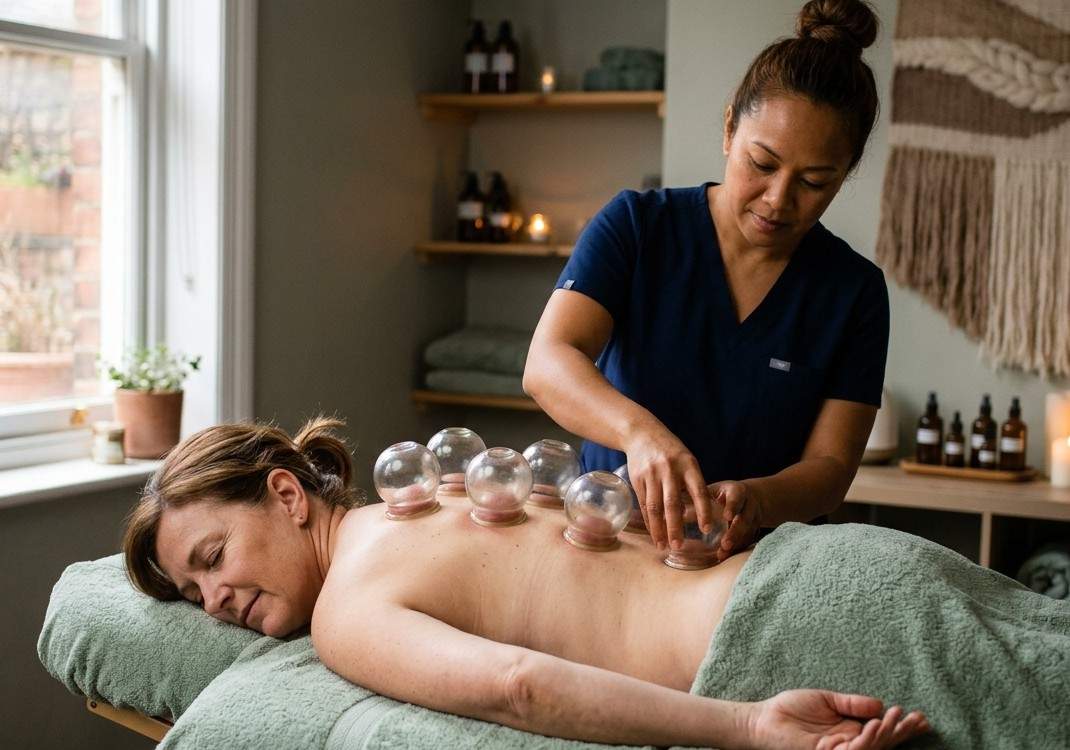
Cupping therapy is an ancient healing practice that has gained modern popularity among athletes, wellness enthusiasts, and people seeking natural pain relief. Known for the circular marks it leaves on the skin, cupping therapy involves placing special cups on the body to create suction. This suction is believed to improve circulation, reduce muscle tension, support relaxation, and promote overall wellness.
The practice has roots in traditional Chinese medicine, Middle Eastern medicine, and several ancient healing systems. Today, cupping therapy is commonly offered in spas, wellness centers, physiotherapy clinics, and alternative medicine practices around the world.
Many people use cupping therapy for back pain, neck stiffness, headaches, sports recovery, stress relief, and muscle soreness. While scientific research is still developing, many users report feeling relaxed, lighter, and less tense after treatment.
This guide explains everything you need to know about cupping therapy, including its history, benefits, types, side effects, and how a typical session works.
What Is Cupping Therapy?
Cupping therapy is a form of alternative treatment where cups are placed on the skin to create suction. The suction gently pulls the skin upward, which may help stimulate blood flow, loosen tight muscles, and encourage healing.
The cups can be made from:
- Glass
- Silicone
- Bamboo
- Plastic
- Ceramic
The therapist creates suction either by heating the inside of the cup or using a mechanical pump. Once applied, the cups remain on the skin for several minutes.
Cupping therapy is often used on areas such as:
- Back
- Shoulders
- Neck
- Legs
- Arms
Some practitioners also use it on the abdomen or face.
History of Cupping Therapy
Cupping therapy dates back thousands of years. Historical records show its use in ancient civilizations including:
- China
- Egypt
- Greece
- Middle Eastern cultures
Ancient Egyptians mentioned cupping in the Ebers Papyrus, one of the oldest medical texts. Traditional Chinese medicine later developed cupping into a widely practiced healing method linked to energy flow and balance.
Greek physician Hippocrates also reportedly used cupping for treating illnesses and pain. Over time, the practice spread globally and evolved into different techniques used today.
How Does Cupping Therapy Work?
Cupping therapy works by creating suction on the skin. This suction may:
- Increase local blood circulation
- Stretch connective tissues
- Relax muscles
- Stimulate the nervous system
- Encourage lymphatic drainage
The suction draws blood closer to the skin surface, which often causes temporary circular marks. These marks are not bruises in the traditional sense but are signs of increased blood flow in the treated area.
Some theories suggest cupping helps remove stagnation in the body, while modern explanations focus more on circulation and muscle recovery.
Types of Cupping Therapy
1. Dry Cupping
Dry cupping is the most common form. Cups are placed on the skin without drawing blood. The suction alone provides the therapeutic effect.
Common Uses:
- Muscle tightness
- Stress relief
- Back pain
- Sports recovery
2. Wet Cupping
Wet cupping involves small superficial cuts made on the skin before reapplying the cups to draw out a small amount of blood.
Common Uses:
- Traditional detox practices
- Chronic pain
- Certain traditional medicine treatments
Wet cupping should only be performed by trained professionals under hygienic conditions.
3. Fire Cupping
Fire cupping uses heat to create suction. A flame briefly heats the inside of the cup before placement on the skin.
Common Uses:
- Deep muscle relaxation
- Traditional Chinese medicine treatments
4. Silicone Cupping
Soft silicone cups are squeezed before placement to create suction. They are flexible and easy to move across the skin.
Common Uses:
- Massage-style treatments
- Facial cupping
- Home use
5. Moving Cupping
In moving cupping, oil is applied to the skin and the cups glide across the body.
Common Uses:
- Muscle recovery
- Tight fascia
- Relaxation massage
6. Facial Cupping
Smaller cups are used gently on the face to promote circulation and relaxation.
Common Uses:
- Facial massage
- Skin glow
- Puffiness reduction
Types of Cups Used in Cupping Therapy
Different types of cups are used in cupping therapy depending on the technique and treatment goals.
1. Glass Cups:
Glass cups are commonly used in traditional fire cupping because they create strong suction and allow therapists to see the skin clearly.
2. Silicone Cups:
Silicone cups are soft, flexible, and commonly used for moving cupping and facial cupping treatments.
3. Plastic Cups:
Plastic cups are lightweight and often use hand pumps to create suction without heat.
4. Bamboo Cups:
Bamboo cups are traditional cups used in some ancient healing practices, especially in Asian therapies.
5. Ceramic Cups:
Ceramic cups are durable and sometimes used in traditional cupping methods.
6. Rubber Cups:
Rubber cups are flexible and create gentle suction, making them suitable for sensitive areas.
7. Facial Cupping Cups:
These are smaller soft cups specially designed for delicate facial skin and gentle treatments.
8. Magnetic Cups:
Some modern cupping sets include magnetic tips that combine suction with magnetic therapy concepts.
20 Proven Benefits of Cupping Therapy
- Pain Relief: Cupping therapy may help reduce muscle and joint pain by improving circulation and relaxing tense tissues.
- Muscle Recovery: Athletes often use cupping therapy to support recovery after intense physical activity.
- Better Blood Circulation: The suction effect may stimulate blood flow in treated areas.
- Stress Reduction: Many people feel deeply relaxed after a cupping session.
- Reduced Muscle Tightness: Cupping may help loosen stiff muscles and connective tissues.
- Improved Flexibility: Relaxed muscles can contribute to better movement and flexibility.
- Neck Pain Relief: Cupping is commonly used for neck stiffness and tension.
- Back Pain Support: Many individuals use cupping therapy for chronic back discomfort.
- Headache Relief: Some people report fewer tension headaches after treatment.
- Sports Performance Recovery: Cupping may help athletes recover more comfortably between workouts.
- Relaxation of Nervous System: The therapy may calm the body and promote a sense of well-being.
- Improved Mobility: Looser muscles and fascia can improve body movement.
- Temporary Reduction in Inflammation: Increased circulation may help calm localized inflammation.
- Better Sleep Quality: Relaxation from treatment may support improved sleep.
- Detox Support: Some traditional systems believe cupping helps remove toxins from the body.
- Reduced Fatigue: Improved circulation may help some people feel more energized.
- Sinus Congestion Relief: Facial and upper-back cupping may help relieve pressure and congestion.
- Improved Skin Appearance: Facial cupping may increase skin circulation for a temporary glow.
- Support for Chronic Tension: People with desk jobs often use cupping to relieve upper-body tightness.
- Enhanced Relaxation After Massage: Cupping is often combined with massage therapy for deeper relaxation.
Conditions Commonly Treated With Cupping Therapy
Cupping therapy is often used as a complementary treatment for:
- Back pain
- Neck pain
- Shoulder tension
- Sciatica
- Muscle soreness
- Sports injuries
- Headaches
- Migraines
- Stress
- Anxiety
- Fatigue
- Arthritis discomfort
- Fibromyalgia symptoms
It is important to remember that cupping therapy is not a replacement for professional medical treatment.
32 Techniques of Cupping Therapy
- Dry Cupping: Dry cupping uses suction cups placed on the skin without drawing blood and is commonly used for pain relief and muscle relaxation.
- Wet Cupping: Wet cupping involves small superficial cuts on the skin before suction is applied to remove a small amount of blood.
- Fire Cupping: Fire cupping uses heat inside glass cups to create suction before placing them on the skin.
- Silicone Cupping: Silicone cupping uses flexible silicone cups that are squeezed by hand to create gentle suction.
- Moving Cupping: Moving cupping involves sliding suction cups across oiled skin to combine massage and cupping benefits.
- Flash Cupping: Flash cupping quickly applies and removes cups repeatedly to stimulate circulation.
- Facial Cupping: Facial cupping uses small soft cups with gentle suction to improve facial circulation and relaxation.
- Needle Cupping: Needle cupping combines acupuncture with cupping therapy by placing cups over acupuncture needles.
- Water Cupping: Water cupping uses warm water inside cups to create mild suction on the skin.
- Herbal Cupping: Herbal cupping combines cupping therapy with herbal oils or medicinal herbs for added therapeutic effects.
- Detox Cupping: Detox cupping is a wellness-focused approach intended to support circulation and relaxation as part of holistic routines.
- Static Cupping: Static cupping keeps the cups fixed in one position without movement throughout the session.
- Cross-Fiber Cupping: Cross-fiber cupping moves the cups against muscle fiber direction to loosen tight tissues.
- Vibrational Cupping: Vibrational cupping uses vibrating devices or cups to add mechanical stimulation during suction therapy.
- Steam Cupping: Steam cupping uses warm steam inside the cup to generate suction and heat simultaneously.
- Empty Cupping: Empty cupping uses suction without drawing blood or making skin incisions. The cups remain stationary on the body for several minutes to stimulate circulation and relaxation.
- Retained Cupping: In retained cupping, the cups stay fixed on one area for 5–20 minutes depending on the treatment goal and skin sensitivity.
- Pulsatile Cupping: Pulsatile cupping uses rhythmic suction pressure that repeatedly increases and decreases through a mechanical device.
- Magnetic Cupping: Magnetic cupping uses cups fitted with magnetic tips that apply pressure and magnetic stimulation simultaneously.
- Electric Cupping: Electric cupping devices create controlled suction through battery-powered pumps, allowing adjustable pressure settings.
- Vacuum Cupping: Vacuum cupping uses a hand pump or machine to remove air from the cup instead of using fire.
- Infrared Cupping: Infrared cupping combines suction with infrared heat therapy to warm muscles and improve comfort during treatment.
- Hot Cupping: Hot cupping involves warming the cups before placement to create stronger suction and deeper muscle stimulation.
- Cold Cupping: Cold cupping applies chilled cups or combines suction with cooling therapy to calm inflammation and soreness.
- Meridian Cupping: Meridian cupping follows energy pathways used in Traditional Chinese Medicine to support balance and wellness.
- Oil Cupping: Oil cupping combines massage oils with moving cups for smoother gliding and reduced skin friction.
- Scar Tissue Cupping: Scar tissue cupping targets stiff or tight scar areas to improve flexibility and tissue mobility.
- Prenatal Cupping: Prenatal cupping uses light suction techniques adapted for pregnancy-related muscle discomfort under professional supervision.
- Postnatal Cupping: Postnatal cupping is used after childbirth to support muscle relaxation and recovery.
- Reflexology Cupping: This technique applies cups to reflexology zones, especially on the feet, hands, and legs.
- Dynamic Cupping: Dynamic cupping involves continuously moving cups across muscles while adjusting suction pressure.
- Air Cupping: Air cupping creates suction entirely through compressed air pumps rather than heat.
What Happens During a Cupping Session?
Consultation
The therapist usually asks about your:
- Medical history
- Pain areas
- Lifestyle
- Health goals
Preparation
You may lie on a massage table while the therapist cleans the treatment area.
Cup Placement
The therapist places cups on selected areas using suction techniques.
Treatment Duration
Cups usually stay on the skin for:
- 5 to 20 minutes
Moving cupping may involve sliding cups across the skin.
Aftercare
The therapist removes the cups and may provide hydration and rest recommendations.
Does Cupping Therapy Hurt?
Cupping therapy is usually not painful, though the suction may feel tight or unusual at first. Many people describe the sensation as:
- Deep pressure
- Pulling
- Warmth
- Mild stretching
After treatment, some soreness or tenderness may occur temporarily.
Why Does Cupping Leave Marks?
The circular marks occur because suction draws blood toward the skin surface. These marks:
- Are usually painless
- Fade within days or weeks
- Vary in color and intensity
Darker marks may indicate stronger stagnation or greater circulation changes according to some practitioners.
Cupping Therapy for Athletes
Athletes commonly use cupping therapy to support:
- Muscle recovery
- Flexibility
- Reduced soreness
- Relaxation
The therapy gained global attention after Olympic athletes appeared with visible cupping marks during competitions.
Many sports professionals combine cupping with:
- Massage therapy
- Stretching
- Physiotherapy
- Recovery training
Facial Cupping Therapy
Facial cupping uses smaller cups with lighter suction. It is often promoted as a natural beauty treatment.
Possible Benefits:
- Increased circulation
- Relaxed facial muscles
- Temporary skin glow
- Reduced puffiness
Facial cupping should be done gently to avoid irritation.
Cupping Therapy vs Massage
| Feature | Cupping Therapy | Massage |
|---|---|---|
| Main Technique | Suction | Pressure and kneading |
| Focus | Lifting tissues | Pressing muscles |
| Skin Marks | Common | Rare |
| Sensation | Pulling | Rubbing and pressure |
| Tools Used | Cups | Hands or tools |
Both therapies can complement each other.
Cupping Therapy vs Acupuncture
| Feature | Cupping Therapy | Acupuncture |
|---|---|---|
| Method | Suction cups | Thin needles |
| Main Goal | Improve circulation | Balance energy flow |
| Pain Level | Mild pressure | Minimal needle sensation |
| Marks | Often visible | Usually none |
Some traditional medicine practitioners combine both treatments.
Scientific Research on Cupping Therapy
Research on cupping therapy is still ongoing. Some studies suggest potential benefits for:
- Chronic pain
- Neck pain
- Lower back pain
- Muscle recovery
However, experts often note that more high-quality research is needed to fully confirm effectiveness and understand mechanisms.
Many reported benefits may also be linked to relaxation, placebo effects, improved circulation, or the therapeutic experience itself.
10 Possible Side Effects of Cupping Therapy
Cupping therapy is generally considered safe when performed by trained professionals, but side effects can occur.
- Skin Discoloration: Circular marks may remain for several days after treatment.
- Temporary Soreness: Mild tenderness can occur in treated areas.
- Bruising: Strong suction may lead to temporary bruising.
- Skin Irritation: Sensitive skin may react to the cups or oils.
- Dizziness: Some individuals may feel lightheaded after treatment.
- Burns: Improper fire cupping techniques can cause burns.
- Infection Risk: Wet cupping carries a risk of infection if hygiene is poor.
- Fatigue: Some people feel tired after treatment sessions.
- Nausea: Rarely, individuals may feel mildly nauseous.
- Allergic Reactions: Oils or materials used during therapy may trigger reactions.
Who Should Avoid Cupping Therapy?
Cupping therapy may not be suitable for everyone.
People who should consult a healthcare professional before trying cupping include those with:
- Bleeding disorders
- Severe skin conditions
- Blood clotting issues
- Open wounds
- Severe heart disease
- Pregnancy complications
- High-risk medical conditions
Wet cupping should be avoided without proper medical guidance.
How Often Should You Get Cupping Therapy?
Frequency depends on individual goals and conditions.
General Guidelines:
- Weekly sessions for chronic tension
- Occasional sessions for relaxation
- Sports recovery sessions after intense workouts
A trained practitioner can recommend a suitable schedule.
How to Prepare for a Cupping Session
- Stay Hydrated: Drink water before your appointment.
- Avoid Heavy Meals: Eating lightly beforehand may improve comfort.
- Wear Comfortable Clothing: Loose clothing allows easy access to treatment areas.
- Avoid Alcohol: Alcohol before treatment may increase sensitivity.
Aftercare Tips for Cupping Therapy
- Drink Plenty of Water: Hydration may help support recovery.
- Rest if Needed: Some people feel sleepy after treatment.
- Avoid Intense Exercise: Heavy workouts immediately after treatment may increase soreness.
- Keep the Area Warm: Protect treated areas from cold exposure.
- Moisturize the Skin: Gentle skincare can reduce dryness or irritation.
Can You Do Cupping Therapy at Home?
Home cupping kits are widely available, especially silicone cups for gentle use.
However, professional guidance is recommended because improper use can cause:
- Bruising
- Burns
- Skin damage
- Excessive suction injuries
Beginners should avoid fire cupping and wet cupping at home.
Choosing a Qualified Cupping Therapist
When selecting a practitioner, consider:
- Proper certification
- Hygiene standards
- Experience
- Client reviews
- Professional environment
Ask questions about techniques and safety practices before treatment.
Cupping Therapy in Traditional Chinese Medicine
In traditional Chinese medicine, cupping is believed to help balance the body’s energy flow, often referred to as Qi.
Practitioners may use cupping to address:
- Energy stagnation
- Cold or damp conditions
- Muscle blockages
Cupping is often combined with:
- Acupuncture
- Herbal medicine
- Tai chi
- Dietary therapy
Myths About Cupping Therapy
Myth 1: The Marks Are Dangerous Bruises
The marks are usually temporary and caused by suction-related circulation changes.
Myth 2: Cupping Removes All Toxins
Scientific evidence for detox claims remains limited.
Myth 3: Cupping Works Instantly for Everyone
Results vary depending on the person and condition.
Myth 4: Stronger Suction Means Better Results
Excessive suction can increase discomfort and skin irritation.
Is Cupping Therapy Worth Trying?
Many people enjoy cupping therapy for relaxation and muscle relief. Others appreciate it as part of a broader wellness routine that includes exercise, stretching, massage, and stress management.
While scientific evidence is still evolving, cupping therapy remains a widely practiced complementary therapy with a long historical background. If you are curious about trying it, working with a qualified professional can help you explore whether it suits your needs.
Conclusion
Cupping therapy is an ancient healing technique that continues to attract attention in modern wellness and sports recovery. By using suction cups on the skin, the therapy aims to improve circulation, relax muscles, and promote overall well-being.
From athletes seeking faster recovery to individuals managing stress and muscle tension, cupping therapy offers a unique approach to body care. Although it may not replace conventional medical treatments, many people find it helpful as part of a balanced self-care routine.
FAQ’s
What is cupping therapy good for?
Cupping therapy is commonly used for muscle pain, stress relief, relaxation, and sports recovery.
How long do cupping marks last?
Cupping marks usually fade within a few days to two weeks.
Is cupping therapy safe?
It is generally safe when performed by a trained professional.
Can cupping therapy help back pain?
Many people use cupping therapy to relieve back tension and discomfort.
What should you avoid after cupping therapy?
Avoid intense exercise, alcohol, and extreme temperatures for several hours after treatment.
Can cupping therapy help athletes?
Athletes often use cupping therapy to support muscle recovery and flexibility.
Is facial cupping different from body cupping?
Yes, facial cupping uses smaller cups and gentler suction.
Can I shower after cupping therapy?
Yes, but warm showers are usually recommended after treatment.
Can cupping therapy reduce stress?
Many people feel relaxed and calmer after a session.
Is wet cupping different from dry cupping?
Yes, wet cupping involves small cuts and controlled blood removal, while dry cupping only uses suction.
How long does a cupping session last?
Most sessions last between 20 and 45 minutes.
Can cupping therapy improve circulation?
The suction may help stimulate blood flow in treated areas.
Does cupping therapy remove toxins?
Some traditional practices believe it helps detoxification, though scientific evidence is limited.
Can cupping therapy help headaches?
Some people use cupping therapy to reduce tension headaches and migraines.
Is cupping more beneficial than massage?
Cupping and massage offer different benefits, and the better option depends on your needs. Cupping focuses on suction and circulation, while massage uses pressure to relax muscles and reduce tension.
What is the best position for cupping?
The best position depends on the treatment area, but lying face down is commonly used for back and shoulder cupping.
What is the best day to do cupping?
There is no specific best day for cupping therapy; many people schedule sessions when they can relax afterward and avoid intense physical activity.
Should you do cupping or massage first?
Massage is often done before cupping to help warm up the muscles, though some therapists may combine both differently based on the treatment plan.
Is cupping good for losing weight?
Cupping therapy is not a direct weight loss treatment, but it may support relaxation, circulation, and wellness when combined with a healthy lifestyle.
Also Read: