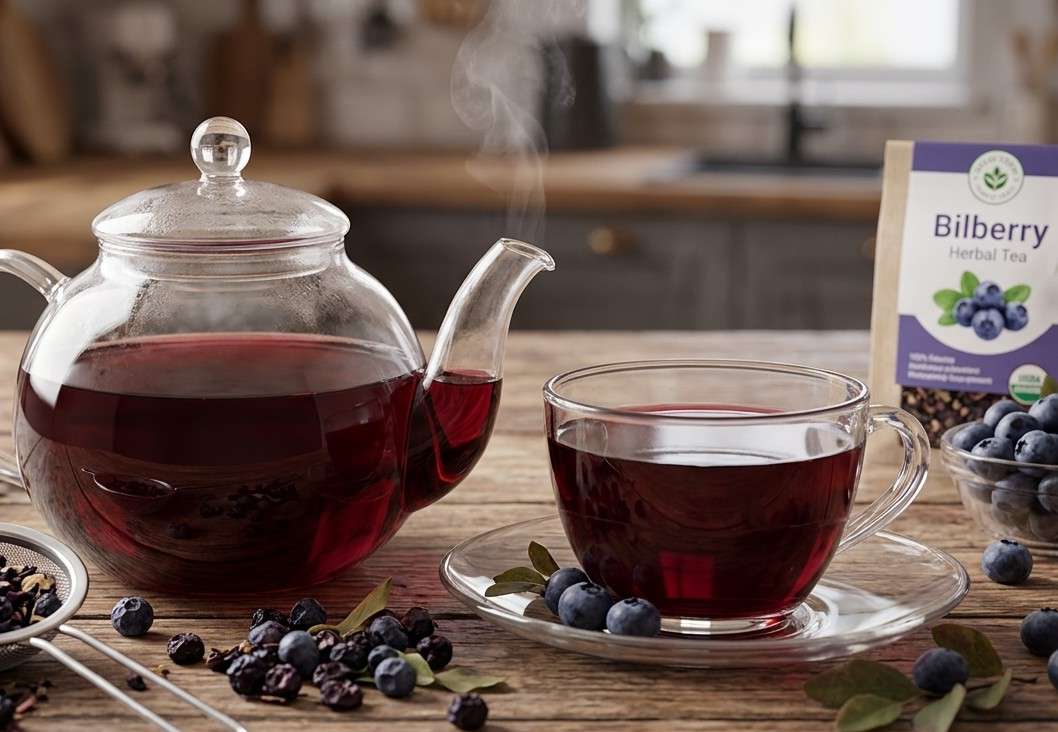
Bilberry Tea is a flavorful herbal drink made from the berries, leaves, or dried fruit of the bilberry plant. Known for its deep purple-blue color and mildly tart taste, this tea has been used in traditional European herbal practices for centuries. Bilberries are closely related to blueberries, but they contain higher concentrations of certain antioxidants, especially anthocyanins, which are responsible for their vibrant color and many of their health-supporting properties.
Today, Bilberry Tea is popular among people looking for a natural beverage that may support eye health, digestion, circulation, immunity, and overall wellness. Whether enjoyed hot or cold, Bilberry Tea offers both a refreshing taste and a wide range of potential health benefits.
What is Bilberry Tea?
Bilberry Tea is an herbal infusion prepared from dried bilberries, bilberry leaves, or a combination of both. The bilberry plant grows mainly in Northern Europe, North America, and some mountainous regions of Asia. Scientifically known as Vaccinium myrtillus, bilberries have long been valued in herbal medicine due to their rich antioxidant profile.
The tea has a fruity, slightly earthy flavor with subtle tart notes. Some people enjoy it plain, while others add honey, lemon, cinnamon, or mint for extra taste. Bilberry Tea is naturally caffeine-free unless blended with traditional tea leaves such as green or black tea.
Bilberries are especially famous for containing anthocyanins, flavonoids, vitamin C, and other plant compounds that may help protect the body from oxidative stress and inflammation.
Nutritional Facts of Bilberry Tea
| Nutrient | Approximate Amount per Cup |
|---|---|
| Calories | 5–15 |
| Carbohydrates | 1–3 g |
| Sugars | 0–1 g |
| Fiber | 0–1 g |
| Vitamin C | Small amounts |
| Vitamin K | Trace amounts |
| Manganese | Small amounts |
| Anthocyanins | High |
| Flavonoids | Moderate to High |
| Antioxidants | High |
| Caffeine | 0 mg (pure herbal version) |
Nutritional values may vary depending on preparation method and ingredients used.
20 Proven Benefits of Bilberry Tea
1. Rich in Antioxidants: Bilberry Leaf Tea contains powerful anthocyanins and flavonoids that help protect cells from oxidative stress and free radical damage.
2. Supports Eye Health: The antioxidants in Bilberry Leaf Tea may help improve night vision and support overall retinal health.
3. May Reduce Eye Fatigue: Drinking Bilberry Tea may help reduce eye strain caused by long hours of screen exposure.
4. Supports Healthy Blood Circulation: Bilberry compounds may help improve circulation and strengthen blood vessels.
5. Helps Fight Inflammation: Bilberry Leaf Tea contains anti-inflammatory compounds that may reduce inflammation in the body.
6. Supports Heart Health: Regular consumption may help maintain healthy cholesterol levels and support cardiovascular function.
7. May Help Regulate Blood Sugar: Some studies suggest bilberry compounds may assist in maintaining balanced blood glucose levels.
8. Supports Brain Function: The antioxidants in Bilberry Tea may help protect brain cells and support memory and cognitive health.
9. Boosts Immune Function: Bilberry Leaf Tea contains nutrients and antioxidants that may strengthen the immune system.
10. Supports Digestive Health: Bilberry Tea may help soothe mild digestive discomfort and support healthy digestion.
11. May Improve Skin Health: Antioxidants in Bilberry Tea may help reduce oxidative skin damage and support a healthier complexion.
12. Supports Healthy Aging: The protective compounds in Bilberry Leaf Tea may help slow signs of aging caused by oxidative stress.
13. May Help Reduce Blood Pressure: Bilberry antioxidants may contribute to improved blood vessel function and healthy blood pressure levels.
14. Supports Urinary Tract Health: Bilberry Tea may help maintain a healthier urinary system due to its natural plant compounds.
15. May Enhance Exercise Recovery: Its antioxidant content may help reduce oxidative stress after physical activity.
16. Supports Liver Health: Bilberry Tea may assist the body’s natural detoxification processes and support liver function.
17. Helps Protect Blood Vessels: Anthocyanins may strengthen capillaries and support vascular health.
18. May Reduce Cholesterol Oxidation: Bilberry antioxidants may help protect LDL cholesterol from oxidative damage.
19. Supports Gut Microbiome Balance: Bilberry compounds may encourage the growth of beneficial gut bacteria.
20. Provides Natural Hydration: Drinking Bilberry Leaf Tea contributes to daily fluid intake while delivering beneficial plant compounds.
10 Side Effects of Bilberry Tea
1. May Lower Blood Sugar Too Much: Excessive consumption may increase the risk of low blood sugar in sensitive individuals.
2. Possible Allergic Reactions: Some people may experience allergic symptoms such as itching or rash after consuming bilberry products.
3. Digestive Discomfort: Drinking too much Bilberry Leaf Tea may cause stomach upset or mild diarrhea.
4. May Interact with Blood Thinners: Bilberry compounds may affect blood clotting and interact with anticoagulant medications.
5. Risk of Dizziness: Excessive intake may contribute to lightheadedness in some individuals.
6. May Cause Nausea: Highly concentrated bilberry preparations may occasionally trigger nausea.
7. Could Affect Blood Pressure Medication: Bilberry Tea may enhance the effects of medications that lower blood pressure.
8. Sleep Disturbance from Added Ingredients: Blended versions containing caffeine may interfere with sleep.
9. Possible Drug Interactions: Bilberry may interact with diabetes medications and certain herbal supplements.
10. Unsafe in Extremely High Amounts: Excessive long-term use of concentrated bilberry extracts may not be safe without medical supervision.
How to Make Bilberry Tea?
Ingredients:
- 1–2 teaspoons dried bilberries or bilberry leaves
- 1 cup hot water
- Honey or lemon (optional)
Instructions:
- Bring water to a gentle boil.
- Add dried bilberries or leaves to a teapot or cup.
- Pour hot water over the herbs.
- Let the tea steep for 8–10 minutes.
- Strain the tea if needed.
- Add honey or lemon for flavor if desired.
- Serve warm or chilled over ice.
Other Uses of Bilberry Tea
Tea is not only consumed as a beverage but also used in several other ways:
- Used as a natural wellness tonic in herbal practices
- Added to homemade smoothies and herbal blends
- Used in detox drink recipes
- Included in skincare routines for antioxidant support
- Combined with other berries in fruit infusions
- Used in cold beverages and iced herbal teas
- Added to wellness diets focused on eye and heart health
- Used as a soothing evening herbal drink
How Much Bilberry Tea Can You Drink a Day?
Most healthy adults can safely drink 1–3 cups of Bilberry Tea per day in moderate amounts. Drinking it occasionally or as part of a balanced diet is generally considered safe for most people.
However, individuals taking medications for diabetes, blood pressure, or blood thinning should consult a healthcare professional before consuming Bilberry Leaf Tea regularly. Pregnant and breastfeeding women should also seek medical advice before adding herbal teas to their routine.
Moderation is important because excessive intake may increase the risk of side effects or interactions.
Tips for Consuming Bilberry Tea
- Use high-quality organic dried bilberries whenever possible.
- Avoid adding excessive sugar to maintain its health benefits.
- Pair Bilberry Leaf Tea with a balanced diet for better wellness support.
- Drink freshly brewed tea for maximum flavor and antioxidant content.
- Store dried bilberries in an airtight container away from sunlight.
- Try combining Bilberry Tea with mint or cinnamon for extra flavor.
- Consume in moderation to avoid digestive discomfort.
- Choose caffeine-free blends in the evening.
Best Time to Drink Bilberry Tea
Morning
Drinking Bilberry Leaf Tea in the morning may provide antioxidant support and gentle hydration to start the day.
Afternoon
An afternoon cup may help refresh the body while supporting focus and circulation.
Evening
Caffeine-free Bilberry Tea can also be enjoyed in the evening as a calming herbal beverage.
Before Screen Work
Some people prefer Bilberry Leaf Tea before long hours of reading or computer use due to its reputation for supporting eye health.
Who Should Drink Bilberry Tea?
Bilberry Tea may be beneficial for:
- People seeking antioxidant-rich herbal beverages
- Individuals concerned about eye wellness
- Adults looking to support heart and circulation health
- Those wanting a caffeine-free tea option
- People interested in natural wellness drinks
- Individuals looking for hydration with added plant nutrients
- Adults seeking gentle digestive support
Who Should Not Drink Bilberry Tea?
Bilberry Tea may not be suitable for:
- Individuals allergic to berries or bilberries
- People taking blood-thinning medications
- Individuals with unstable blood sugar levels
- Pregnant or breastfeeding women without medical advice
- Children in excessive amounts
- People preparing for surgery
- Individuals sensitive to herbal supplements
Precautions and Interactions
Although Bilberry Tea is generally considered safe when consumed in moderation, several precautions should be kept in mind.
- Blood-Thinning Medications: Bilberry may increase the effects of anticoagulant or antiplatelet drugs, potentially raising bleeding risk.
- Diabetes Medications: Since bilberry may help lower blood sugar levels, combining it with diabetes medication could increase the risk of hypoglycemia.
- Blood Pressure Medications: Bilberry Leaf Tea may slightly enhance the effects of blood pressure-lowering medications in some individuals.
- Surgery Precaution: It is often recommended to avoid excessive bilberry products before surgery due to potential effects on blood clotting.
- Pregnancy and Breastfeeding: Limited research exists regarding high intake during pregnancy and breastfeeding, so moderation and medical advice are recommended.
- Herbal Supplement Interactions: Bilberry may interact with herbs that affect blood sugar or circulation, including ginseng, garlic, and ginkgo.
Conclusion
Bilberry Tea is a flavorful herbal beverage packed with antioxidants, anthocyanins, and beneficial plant compounds. Traditionally valued for supporting eye health and circulation, it has gained popularity worldwide as a wellness tea that may also benefit heart health, digestion, immunity, and healthy aging.
When consumed in moderation, Bilberry Leaf Tea can be a refreshing addition to a healthy lifestyle. However, individuals with medical conditions or those taking medications should exercise caution and seek professional guidance before regular use.
FAQ’s
What does Bilberry Tea taste like?
Tea has a mildly sweet, fruity, and slightly tart flavor with earthy undertones.
Is Bilberry Tea caffeine-free?
Pure Bilberry Leaf Tea is naturally caffeine-free unless blended with black or green tea leaves.
Can Bilberry Tea help with digestion?
Tea may help soothe mild digestive discomfort and support healthy digestion.
Is Bilberry Tea good for the skin?
The antioxidants in Bilberry Leaf Tea may help protect the skin from oxidative stress and support healthier-looking skin.
Can diabetics drink Bilberry Tea?
People with diabetes may drink tea in moderation, but they should consult a healthcare professional because bilberry may affect blood sugar levels.
Does Bilberry Tea help with weight loss?
Bilberry Leaf Tea alone is not a weight-loss solution, but it may support a healthy lifestyle when combined with proper diet and exercise.
Can Bilberry Tea be consumed cold?
Yes, Tea can be enjoyed both hot and iced.
Is Bilberry Tea safe during pregnancy?
Pregnant or breastfeeding women should consult a healthcare provider before regularly consuming Bilberry Leaf Tea.
How should Bilberry Tea be stored?
Store dried bilberries or tea blends in an airtight container in a cool, dry place away from direct sunlight.
Can Bilberry Tea boost immunity?
Tea contains antioxidants and plant compounds that may help support immune health.
Is Bilberry Tea good for heart health?
Tea may help support circulation and cardiovascular wellness due to its antioxidant content.
Can children drink Bilberry Tea?
Children may drink small amounts occasionally, but excessive consumption is not recommended.
Does Bilberry Tea contain sugar?
Unsweetened Bilberry Leaf Tea contains very little natural sugar.
Can Bilberry Tea help reduce inflammation?
Tea contains anti-inflammatory compounds that may help reduce inflammation in the body.
Is Bilberry Tea suitable for vegans?
Yes, plain Bilberry Leaf Tea is generally vegan-friendly.
How long should Bilberry Tea steep?
Tea is usually steeped for about 8–10 minutes for the best flavor and benefits.
Can I drink Bilberry Tea every day?
Yes, most healthy adults can drink tea daily in moderate amounts, usually 1–3 cups per day.
How long does it take for Bilberry Tea to work?
The effects of Bilberry Leaf Tea may vary depending on the person and purpose, but some people notice benefits within a few days to several weeks of regular use.
What is Bilberry Tea good for?
Bilberry Leaf Tea is commonly used to support eye health, circulation, heart health, digestion, immunity, and overall antioxidant protection.
Is bilberry tea good for eyes?
Bilberry Leaf Tea is traditionally known for supporting eye health because it contains anthocyanins that may help protect the eyes from oxidative stress.
Is bilberry tea good for the kidneys?
Bilberry Leaf Tea may support overall wellness and hydration, but there is limited scientific evidence specifically proving major kidney benefits. People with kidney conditions should consult a healthcare professional before regular use.
Also Read: