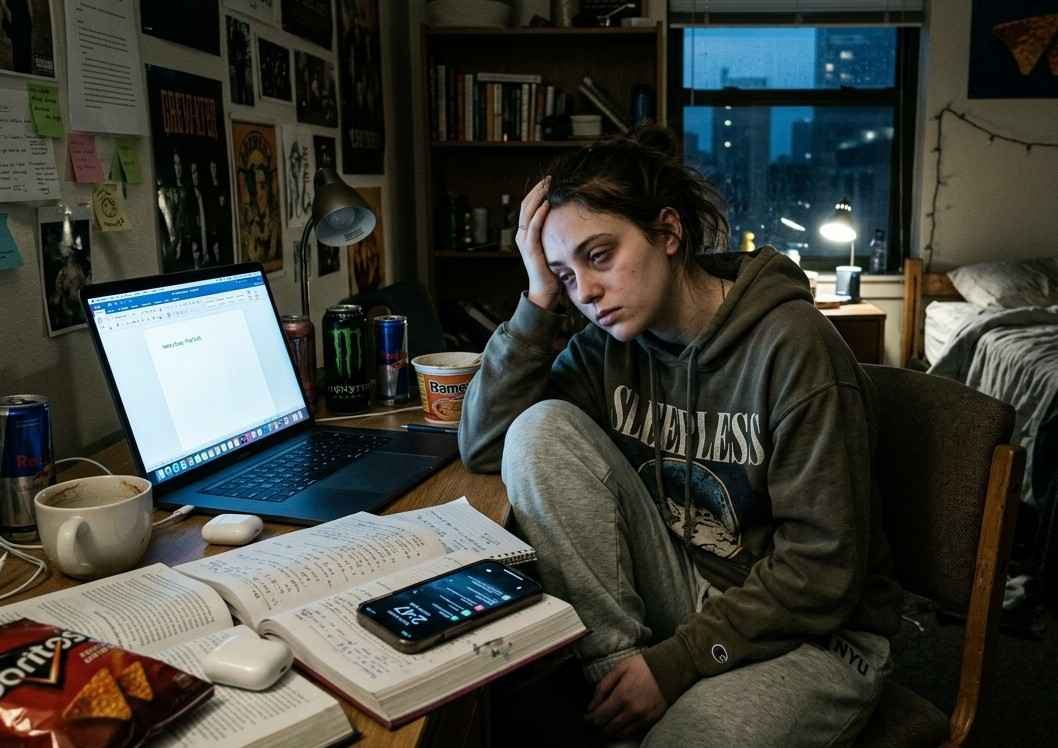
Sleep deprivation has become one of the most common health concerns among Generation Z. Born roughly between the late 1990s and early 2010s, Gen Z is the first generation to grow up fully surrounded by smartphones, social media, streaming platforms, and constant digital connectivity. While technology has brought convenience and entertainment, it has also created a culture where sleep is often sacrificed for productivity, social interaction, academic pressure, or endless scrolling.
Studies from around the world show that teenagers and young adults are sleeping less than previous generations. Many Gen Z individuals struggle to get the recommended 7–9 hours of quality sleep each night. Instead, late-night screen exposure, stress, anxiety, irregular schedules, and modern lifestyle habits are leading to chronic sleep deprivation.
This guide explores sleep deprivation in Gen Z, including its causes, symptoms, effects, risks, and practical solutions that can help young people regain healthy sleep patterns.
What Is Sleep Deprivation?
Sleep deprivation occurs when a person consistently gets less sleep than the body needs for proper functioning. It may happen because of insufficient sleep duration, poor sleep quality, or irregular sleeping schedules.
For most teenagers and young adults, experts recommend:
| Age Group | Recommended Sleep Duration |
|---|---|
| Teenagers (13–18 years) | 8–10 hours |
| Young Adults (18–25 years) | 7–9 hours |
However, many Gen Z individuals sleep far below these recommendations.
Sleep deprivation can be:
- Acute: Short-term lack of sleep for one or a few nights
- Chronic: Ongoing insufficient sleep over weeks or months
Chronic sleep deprivation is especially dangerous because the body and brain never fully recover.
Why Is Gen Z More Sleep-Deprived Than Previous Generations?
Gen Z faces unique challenges that directly interfere with healthy sleep patterns.
1. Excessive Screen Time
Smartphones, laptops, gaming consoles, and tablets are major contributors to sleep loss. Many Gen Z individuals spend hours online before bedtime.
Blue light from screens suppresses melatonin, the hormone responsible for sleep regulation. This makes it harder to fall asleep naturally.
Late-night activities such as:
- Scrolling social media
- Watching videos
- Gaming
- Messaging friends
- Streaming shows
can keep the brain mentally stimulated long after bedtime.
2. Social Media Addiction
Social media platforms are designed to keep users engaged. Endless scrolling, notifications, and fear of missing out (FOMO) encourage young people to stay awake longer.
Many Gen Z users feel pressure to:
- Stay constantly available
- Respond immediately
- Follow trends
- Maintain online presence
This creates mental overstimulation that disrupts sleep routines.
3. Academic Pressure
Students today face intense competition in academics. Homework, exams, projects, tutoring, and college preparation often reduce sleep time.
Many students stay awake late:
- Studying for exams
- Completing assignments
- Attending online classes
- Preparing for competitive tests
Stress and anxiety related to performance can also make it difficult to fall asleep.
4. Mental Health Challenges
Gen Z reports higher levels of anxiety, depression, loneliness, and stress compared to many previous generations.
Mental health issues often interfere with sleep by causing:
- Racing thoughts
- Insomnia
- Nighttime anxiety
- Panic attacks
- Emotional distress
At the same time, poor sleep can worsen mental health symptoms, creating a harmful cycle.
5. Irregular Sleep Schedules
Many young people sleep and wake at inconsistent times. Weekend “catch-up sleep” often disrupts the body’s internal clock.
Common habits include:
- Staying awake until 2–3 AM
- Sleeping late on weekends
- Taking long daytime naps
- Pulling all-nighters
These irregular patterns confuse the circadian rhythm, making quality sleep harder to achieve.
6. Caffeine and Energy Drinks
Coffee, energy drinks, and caffeinated sodas are widely consumed by Gen Z for studying, gaming, or staying productive.
Excessive caffeine intake can:
- Delay sleep onset
- Reduce sleep quality
- Increase nighttime wakefulness
- Cause insomnia
Energy drinks are especially problematic because they often contain very high caffeine levels.
7. Part-Time Jobs and Hustle Culture
Many Gen Z individuals balance school with part-time work, internships, freelancing, or side hustles.
Modern hustle culture promotes the idea that sleep equals laziness. Some young people sacrifice rest to remain productive or financially independent.
Unfortunately, long-term sleep loss reduces productivity instead of improving it.
Signs and Symptoms of Sleep Deprivation
Sleep deprivation affects both the body and mind. Symptoms may vary from mild fatigue to serious health complications.
Physical Symptoms
- Constant tiredness
- Frequent yawning
- Headaches
- Dark circles under eyes
- Low energy
- Weakened immunity
- Increased appetite
- Muscle fatigue
Mental and Emotional Symptoms
- Irritability
- Mood swings
- Anxiety
- Difficulty concentrating
- Poor memory
- Lack of motivation
- Emotional sensitivity
- Increased stress
Behavioral Symptoms
- Oversleeping on weekends
- Falling asleep during classes
- Reduced productivity
- Poor decision-making
- Increased dependence on caffeine
- Lack of focus while driving
The Science Behind Sleep and the Brain
Sleep is essential for brain function. During sleep, the brain:
- Processes information
- Stores memories
- Repairs cells
- Balances hormones
- Removes toxins
- Regulates emotions
Sleep occurs in different stages, including REM (Rapid Eye Movement) and non-REM sleep. Each stage plays a critical role in physical and mental recovery.
When sleep is shortened or interrupted:
- Memory consolidation suffers
- Emotional control weakens
- Learning becomes harder
- Reaction times slow down
For Gen Z students and young workers, this can severely impact daily performance.
Effects of Sleep Deprivation on Gen Z
1. Poor Academic Performance
Lack of sleep reduces:
- Attention span
- Memory retention
- Problem-solving skills
- Creativity
- Concentration
Students who sleep poorly often struggle with grades, test performance, and classroom participation.
Research shows that sleep is directly connected to learning ability.
2. Increased Anxiety and Depression
Sleep and mental health are deeply connected.
Chronic sleep deprivation can:
- Increase anxiety levels
- Trigger depressive symptoms
- Intensify stress
- Increase emotional instability
Meanwhile, anxiety and depression themselves can make sleep difficult, creating a cycle that becomes hard to break.
3. Reduced Productivity
Many Gen Z individuals sacrifice sleep to “get more done,” but sleep deprivation actually lowers efficiency.
Sleep-deprived individuals often experience:
- Slower thinking
- Reduced accuracy
- Mental fatigue
- Lack of motivation
This affects both academic and professional success.
4. Weakened Immune System
The body repairs itself during sleep. Lack of rest weakens immune defenses, making individuals more vulnerable to:
- Colds
- Flu
- Infections
- Illnesses
Young people with chronic sleep deprivation may get sick more frequently.
5. Weight Gain and Poor Eating Habits
Sleep affects hunger hormones like ghrelin and leptin.
Insufficient sleep can:
- Increase cravings
- Promote overeating
- Encourage junk food consumption
- Slow metabolism
Late-night snacking is also common among sleep-deprived individuals.
6. Increased Risk of Obesity
Chronic lack of sleep is linked to higher obesity risk in both teenagers and adults. Fatigue reduces physical activity while increasing unhealthy eating patterns.
7. Hormonal Imbalances
Sleep helps regulate hormones related to:
- Stress
- Growth
- Appetite
- Mood
- Reproductive health
Poor sleep can disrupt hormonal balance and negatively affect overall health.
8. Higher Risk of Accidents
Sleep deprivation slows reaction time and impairs judgment.
This increases risks of:
- Car accidents
- Sports injuries
- Workplace mistakes
- Falls and injuries
Drowsy driving is especially dangerous among young adults.
9. Skin Problems
Poor sleep affects skin repair and collagen production.
Sleep-deprived individuals may experience:
- Acne
- Dull skin
- Dark circles
- Premature aging
Stress hormones released during sleep deprivation can worsen inflammatory skin conditions.
10. Reduced Emotional Control
Lack of sleep makes emotions harder to manage.
Sleep-deprived Gen Z individuals may become:
- More irritable
- Easily frustrated
- Emotionally reactive
- Sensitive to criticism
Healthy sleep supports emotional resilience.
Sleep Deprivation and Social Media
Social media is one of the strongest contributors to poor sleep in Gen Z.
Doomscrolling
Many users spend hours scrolling through negative or emotionally intense content late at night. This behavior, often called doomscrolling, increases stress and delays sleep.
Fear of Missing Out (FOMO)
FOMO causes many young people to stay online longer to avoid missing conversations, trends, or updates. This psychological pressure reduces healthy boundaries around bedtime.
Notifications and Sleep Interruptions
Even after falling asleep, notifications can disturb rest. Phone vibrations, lights, and sounds interrupt deep sleep cycles and reduce sleep quality.
Sleep Deprivation and Gaming
Gaming culture also contributes to sleep loss among Gen Z.
Online multiplayer games encourage long sessions because:
- Games are highly stimulating
- Players compete globally
- Social interaction continues late into the night
Competitive gaming may also increase adrenaline levels, making sleep difficult afterward.
The Link Between Sleep Deprivation and Technology
Technology affects sleep in several ways:
| Technology Habit | Impact on Sleep |
|---|---|
| Blue light exposure | Reduces melatonin production |
| Social media use | Causes mental stimulation |
| Notifications | Interrupt sleep cycles |
| Streaming platforms | Encourage binge-watching |
| Gaming | Delays bedtime |
| Online studying | Extends screen exposure |
Technology itself is not the enemy, but excessive and poorly timed use can seriously disrupt sleep.
Long-Term Health Risks of Chronic Sleep Deprivation
Chronic sleep deprivation may increase the risk of serious conditions such as:
- High blood pressure
- Heart disease
- Diabetes
- Obesity
- Depression
- Anxiety disorders
- Cognitive decline
- Memory problems
Poor sleep during youth can also affect long-term brain development.
Why Gen Z Often Normalizes Sleep Deprivation
Many young people treat sleep deprivation as normal or even admirable.
Common attitudes include:
- “I’ll sleep later.”
- “Everyone is tired.”
- “Sleep is unproductive.”
- “Grinding matters more.”
Social media often glorifies overworking and staying awake late. Unfortunately, this mindset can damage both mental and physical health over time.
Healthy Sleep Habits for Gen Z
Improving sleep quality requires consistent lifestyle changes.
1. Maintain a Consistent Sleep Schedule
Going to bed and waking up at the same time daily helps regulate the body clock.
Consistency improves sleep quality naturally.
2. Limit Screen Time Before Bed
Avoid screens at least 1–2 hours before bedtime when possible.
Alternative activities include:
- Reading
- Journaling
- Meditation
- Stretching
- Listening to calming music
3. Reduce Caffeine Intake
Avoid caffeine late in the day, especially after afternoon hours.
Energy drinks should be consumed carefully due to their high stimulant content.
4. Create a Sleep-Friendly Environment
A healthy sleep environment should be:
- Quiet
- Dark
- Cool
- Comfortable
Reducing noise and light exposure improves sleep quality.
5. Exercise Regularly
Physical activity helps reduce stress and improve sleep quality.
Even moderate exercise like walking can support better rest.
6. Manage Stress and Anxiety
Relaxation techniques can help calm the mind before sleep.
Helpful methods include:
- Deep breathing
- Meditation
- Yoga
- Journaling
- Therapy or counseling
7. Avoid All-Nighters
All-night study sessions harm memory and concentration more than they help.
Consistent studying with proper sleep is more effective for learning.
8. Use Technology Wisely
Helpful adjustments include:
- Activating blue light filters
- Turning off notifications
- Setting screen time limits
- Avoiding phones in bed
Digital boundaries are important for healthy sleep.
The Role of Parents, Schools, and Society
Addressing sleep deprivation in Gen Z requires support from multiple levels.
Parents Can:
- Encourage healthy sleep routines
- Limit nighttime screen use
- Promote balanced schedules
- Support mental health discussions
Schools Can:
- Educate students about sleep health
- Reduce excessive academic pressure
- Consider later school start times
- Encourage balanced lifestyles
Society Can:
- Stop glorifying burnout culture
- Promote mental health awareness
- Encourage work-life balance
- Normalize rest and recovery
Sleep should be treated as a basic health need, not a luxury.
Can Gen Z Recover From Sleep Deprivation?
Yes, recovery is possible, especially when healthy sleep habits are practiced consistently.
However, occasional “catch-up sleep” cannot fully reverse chronic sleep deprivation.
Long-term recovery requires:
- Regular sleep schedules
- Reduced nighttime stimulation
- Better stress management
- Improved lifestyle balance
The earlier sleep issues are addressed, the better the outcome for long-term health.
Tips for Better Sleep in the Digital Age
Here are practical strategies Gen Z can start immediately:
| Healthy Habit | Benefit |
|---|---|
| Sleep at the same time daily | Stabilizes body clock |
| Avoid phones before bed | Reduces brain stimulation |
| Keep bedroom dark | Improves melatonin production |
| Limit caffeine | Supports deeper sleep |
| Exercise regularly | Helps relaxation |
| Reduce stress | Improves sleep quality |
| Avoid binge-watching late | Prevents delayed bedtime |
| Turn off notifications | Prevents sleep interruptions |
Conclusion:
Sleep deprivation has become a major challenge for Generation Z. Constant connectivity, academic pressure, social media, gaming, mental health struggles, and modern lifestyle habits are causing many young people to sacrifice sleep regularly.
While staying awake late may seem normal in today’s culture, chronic sleep deprivation can seriously affect physical health, mental well-being, emotional stability, academic performance, and long-term quality of life.
Sleep is not wasted time. It is one of the most important biological functions for recovery, learning, emotional balance, and overall health.
Gen Z has grown up in a fast-moving digital world, but healthy sleep habits remain essential for success and well-being. By setting boundaries with technology, managing stress, maintaining consistent routines, and prioritizing rest, young people can improve both sleep quality and overall health.
FAQ’s
Can social media affect sleep quality?
Yes, social media can negatively affect sleep by increasing mental stimulation, delaying bedtime, and exposing users to blue light that suppresses melatonin production.
Does sleep deprivation affect mental health?
Yes, chronic lack of sleep is strongly linked to anxiety, depression, emotional instability, and increased stress levels.
Can lack of sleep impact academic performance?
Yes, sleep deprivation reduces memory, concentration, learning ability, and problem-solving skills, which can negatively affect grades and productivity.
Is gaming responsible for poor sleep in Gen Z?
Excessive gaming, especially late at night, can delay sleep and overstimulate the brain, making it harder to fall asleep.
Can sleep deprivation cause weight gain?
Yes, poor sleep can disrupt hunger hormones, increase cravings, encourage overeating, and slow metabolism.
How can Gen Z improve sleep quality?
Improving sleep quality may involve reducing screen time before bed, maintaining a consistent sleep schedule, limiting caffeine, exercising regularly, and managing stress.
Is catching up on sleep during weekends enough?
Weekend catch-up sleep may help temporarily, but it cannot fully reverse the effects of chronic sleep deprivation. Consistent healthy sleep habits are more effective.
Also Read: