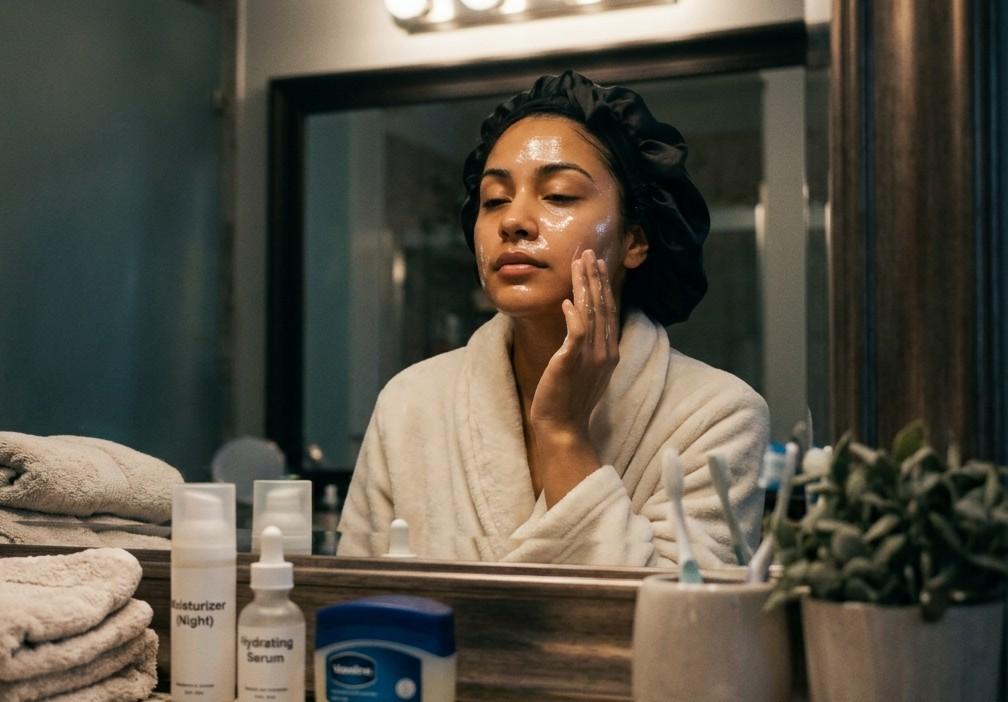
Slugging has become one of the most talked-about skincare trends in recent years, praised for its ability to deeply hydrate the skin and strengthen the skin barrier. Originally popularized by Korean skincare enthusiasts, this simple technique involves applying an occlusive product, such as petroleum jelly, as the final step of your nighttime skincare routine to lock in moisture and prevent dehydration.
In this guide, you’ll learn what slugging is, how it works, its science-backed benefits, potential side effects, the best products to use, who should avoid it, and how to incorporate it safely into your skincare routine.
What Is Slugging?
Slugging is a skincare technique that involves applying a thick occlusive product, typically petroleum jelly, as the final step of your nighttime skincare routine to lock in moisture and prevent water loss from the skin.
The term “slugging” comes from the shiny, glossy appearance the skin gets after applying the product, resembling a slug’s trail. Although slugging became popular through social media platforms and Korean beauty trends, dermatologists have used occlusive moisturization methods for decades to help repair dry and damaged skin.
Slugging is especially beneficial for people with dry, dehydrated, or compromised skin barriers. However, it may not be suitable for everyone, particularly those with acne-prone or oily skin.
What Is Slugging Also Known As?
Slugging may also be referred to as:
- Occlusive Moisturizing
- Petroleum Jelly Masking
- Overnight Moisture Sealing
- Skin Barrier Sealing
- Vaseline Masking
- Overnight Occlusive Therapy
- Moisture Locking Method
- Skin Barrier Protection Technique
The History of Slugging
While slugging gained mainstream popularity through Korean skincare communities and social media influencers, the concept has existed for generations. Dermatologists have long recommended petroleum jelly for wound healing, eczema management, and skin barrier repair.
Products such as petroleum jelly have been used since the late 19th century to protect the skin from dryness and environmental damage. Modern Vaseline masking simply adapts this traditional practice into contemporary skincare routines.
How Does Slugging Work?
Your skin naturally loses water throughout the day and night through a process known as transepidermal water loss (TEWL).
Slugging works by creating a protective layer over the skin that:
- Reduces moisture loss
- Supports skin barrier recovery
- Enhances hydration retention
- Protects skin from environmental irritants
- Helps active ingredients remain effective longer
Occlusive ingredients can reduce water loss by up to 98%, making them among the most effective moisturizing agents available.
Components of Common Slugging Products
Although slugging products are not foods, understanding their composition can help you choose the right option.
| Ingredient | Purpose |
|---|---|
| Petroleum Jelly | Creates a moisture-sealing barrier |
| Mineral Oil | Prevents water loss |
| Lanolin | Softens and protects skin |
| Shea Butter | Moisturizes and nourishes skin |
| Ceramides | Strengthen the skin barrier |
| Dimethicone | Forms a protective coating |
| Beeswax | Locks in moisture |
| Squalane | Supports hydration |
20 Proven Benefits of Slugging
1. Prevents Moisture Loss: Vaseline masking helps reduce water evaporation from the skin, keeping it hydrated overnight.
2. Strengthens the Skin Barrier: A healthy skin barrier protects against irritants, allergens, and pollutants.
3. Improves Skin Hydration: Regular slugging can significantly improve moisture levels in dry skin.
4. Reduces Dry Flaky Skin: It softens rough patches and minimizes visible flaking.
5. Supports Skin Repair: The protective layer creates an ideal environment for skin recovery.
6. Helps Soothe Irritated Skin: Many people experience relief from mild irritation and redness.
7. Enhances Softness: Skin often feels smoother and more supple after slugging.
8. May Improve Skin Texture: Hydrated skin generally appears healthier and more refined.
9. Protects Against Cold Weather Damage: Slugging is especially helpful during winter months.
10. Supports Eczema-Prone Skin: Some dermatologists recommend occlusive moisturization for eczema management.
11. Helps Reduce Tightness: Dry skin often feels uncomfortable; Vaseline masking may reduce this sensation.
12. Promotes a Healthy Glow: Well-hydrated skin naturally appears brighter and healthier.
13. Enhances Effectiveness of Moisturizers: It helps lock in previously applied hydrating products.
14. Protects Sensitive Skin: The barrier helps shield skin from environmental stressors.
15. Supports Overnight Recovery: Nighttime is when skin naturally repairs itself.
16. May Reduce Rough Patches: Consistent use can improve skin smoothness.
17. Helps After Retinol Use: Some people use slugging to minimize dryness associated with retinoids.
18. Improves Comfort During Air Travel: Dry airplane cabin air can dehydrate skin significantly.
19. Cost-Effective Skincare Method: Petroleum jelly is affordable and widely available.
20. Suitable for Most Dry Skin Types: Many individuals with dry skin tolerate Vaseline masking well.
Related Articles:
- SPF 30 vs SPF 50: Which Sunscreen Should You Choose?
- Fragrance in Skincare: Is It Harmful or Safe for Your Skin?
- Skin Cycling Routine: How to Rotate Retinol & Exfoliation Safely
10 Side Effects of Slugging
1. May Trigger Breakouts: People with acne-prone skin may notice clogged pores.
2. Can Feel Greasy: The texture is often uncomfortable for some users.
3. May Trap Dirt and Oil: Applying slugging products on unclean skin can worsen skin issues.
4. Possible Skin Congestion: Heavy occlusive products may contribute to congestion.
5. Can Increase Product Irritation: Certain active ingredients may become more potent under occlusion.
6. Not Ideal for Oily Skin: Those with naturally oily skin may find it excessive.
7. Potential Allergic Reactions: Some ingredients like lanolin may cause sensitivity.
8. Can Stain Bedding: The thick layer may transfer to pillowcases.
9. May Cause Milia: Tiny white bumps can occasionally develop.
10. Not Suitable for Certain Skin Conditions: Some skin conditions may worsen with occlusion.
Who Should Try Slugging?
Slugging may be beneficial for:
- Dry skin
- Dehydrated skin
- Mature skin
- Sensitive skin
- Skin exposed to cold climates
- Individuals experiencing barrier damage
- People using drying skincare products
Who Should Avoid Slugging?
Slugging may not be ideal for:
- Oily skin types
- Acne-prone skin
- Individuals with active breakouts
- People prone to clogged pores
- Those with fungal acne concerns
- Individuals allergic to occlusive ingredients
Consult a dermatologist if you are unsure whether Vaseline masking is suitable for your skin.
How to Do Slugging Properly?
Step 1: Cleanse Your Face
Use a gentle cleanser to remove dirt, oil, and makeup.
Step 2: Apply Hydrating Products
Use toner, serum, or moisturizer as desired.
Step 3: Wait a Few Minutes
Allow products to absorb into the skin.
Step 4: Apply an Occlusive Layer
Spread a thin layer of petroleum jelly or another occlusive product across your face.
Step 5: Leave Overnight
Allow the product to remain on your skin while sleeping.
Step 6: Wash Off in the Morning
Cleanse your face gently the next morning.
Best Ingredients for Slugging
- Petroleum Jelly
- Mineral Oil
- Lanolin
- Shea Butter
- Dimethicone
- Ceramides
- Squalane
- Beeswax
Common Slugging Mistakes
- Applying too much product
- Using slugging on active acne
- Skipping cleansing
- Applying over irritating treatments
- Vaseline masking every night without monitoring skin response
- Using products that trigger allergies
Best Time to Slug
The best time to slug is at night before bed. During sleep, your skin naturally repairs itself, and applying an occlusive layer as the final step of your nighttime skincare routine helps lock in moisture and support skin barrier recovery. Slugging during the day is generally not recommended because the thick layer can feel greasy and may interfere with sunscreen and makeup application.
For most people, slugging 1–3 nights per week is enough to maintain hydrated, healthy-looking skin. Those with very dry skin may benefit from more frequent use.
Slugging vs Moisturizing
| Feature | Slugging | Moisturizing |
| Purpose | Lock in moisture | Add moisture |
| Texture | Thick | Light to medium |
| Usage | Final skincare step | Applied before slugging |
| Water Loss Prevention | High | Moderate |
| Best For | Dry skin | Most skin types |
Slugging vs Sleeping Masks
| Feature | Slugging | Sleeping Masks |
| Main Ingredient | Occlusive agents | Hydrating ingredients |
| Texture | Very thick | Lightweight to medium |
| Goal | Seal moisture | Deliver hydration |
| Suitable Frequency | Occasional | Often regular use |
FAQ’s
Is Petroleum Jelly Safe for Slugging?
Medical-grade petroleum jelly is generally considered safe and non-comedogenic for many individuals. It does not add moisture itself but effectively seals existing moisture into the skin.
What is slugging good for?
Vaseline masking is primarily used to reduce moisture loss, support skin barrier repair, and improve hydration.
Does slugging clog pores?
It can contribute to clogged pores in some acne-prone individuals, although petroleum jelly itself is considered low-risk for many people.
Can oily skin do slugging?
People with oily skin may find Vaseline masking too heavy and may experience congestion or breakouts.
What should I use for slugging?
Petroleum jelly is the most common choice, but some people use lanolin-based or ceramide-rich occlusive products.
Can I slug after retinol?
Some individuals use Vaseline masking after retinol to reduce dryness, but sensitive skin may experience irritation. Consult a dermatologist if needed.
Is slugging safe for sensitive skin?
Many people with sensitive skin tolerate Vaseline masking well, but patch testing is recommended.
At what age can you start slugging?
There is no specific age requirement, but skincare routines should be age-appropriate and guided by a dermatologist when necessary.
How long does it take to see results from slugging?
Many users notice softer and more hydrated skin after just one night, while barrier repair benefits may take several weeks.
Can I use Vaseline for slugging?
Yes, Vaseline is one of the most popular products for Vaseline masking. It helps lock in moisture and prevent water loss, making it especially useful for dry and dehydrated skin. However, people with oily or acne-prone skin should use it with caution.
Does slugging actually work?
Yes, Vaseline masking can be effective for improving skin hydration and preventing moisture loss. Many dermatologists recommend occlusive products like petroleum jelly for protecting and repairing the skin barrier.
Is slugging safe for all skin types?
Vaseline masking is generally best suited for dry, sensitive, or mature skin. People with oily, acne-prone, or congestion-prone skin may experience breakouts and should proceed cautiously.
How often should you slug?
Most people benefit from Vaseline masking one to three times per week. Those with very dry skin may choose to do it more frequently if their skin tolerates it well.
Can I slug every night?
Yes, some people with extremely dry skin slug every night. However, it is important to monitor your skin for signs of congestion, irritation, or breakouts.
Should I slug after retinol?
Vaseline masking after retinol may help reduce dryness and irritation for some users. However, it can also increase the penetration of active ingredients, so sensitive skin types should use caution.
Can I use slugging during the day?
Vaseline masking is typically recommended at night because the thick, shiny layer can feel greasy and may not work well under makeup or sunscreen.
Can slugging help acne?
Vaseline masking is generally not recommended for active acne because the occlusive layer may worsen congestion in some acne-prone individuals.
Is slugging good for eczema?
Vaseline masking may help people with eczema by reducing moisture loss and supporting the skin barrier. However, it should not replace medical treatment prescribed by a healthcare professional.
Can slugging reduce wrinkles?
Vaseline masking does not directly remove wrinkles, but improved hydration can temporarily make fine lines and wrinkles appear less noticeable.
Final Thoughts:
Slugging is a simple yet effective skincare technique that focuses on preserving the skin’s natural moisture and strengthening the skin barrier. For people with dry, dehydrated, or sensitive skin, it can be an affordable addition to a skincare routine and may significantly improve hydration levels.
However, Vaseline masking is not a one-size-fits-all solution. Individuals with oily or acne-prone skin should proceed carefully and monitor how their skin responds. When used correctly, Vaseline masking can be a valuable tool for achieving healthier, smoother, and more resilient skin.
Sources / References:
- American Academy of Dermatology (AAD)
- National Eczema Association
- Mayo Clinic
- Cleveland Clinic
- National Center for Biotechnology Information (NCBI)
- American Osteopathic College of Dermatology
- British Association of Dermatologists
Also Read:
- Facial Massage: 20 Benefits, Techniques, Oils, Tools & Side Effects
- Ozempic Face: Causes, Symptoms, Treatment & Prevention
- Oil Cleansing: Methods, Best Oils, Benefits & Mistakes
About the Author:
Kirti Solanki (Health Content Researcher)
Kirti Solanki is a health content researcher specializing in evidence-based wellness, nutrition, natural remedies, skincare, and preventive health topics. She focuses on translating complex scientific and medical information into clear, practical, and reader-friendly content. Every article is researched using reputable medical organizations, peer-reviewed studies, and trusted health resources to ensure accuracy, transparency, and usefulness for readers.
Disclaimer:
This guide is for educational and informational purposes only and should not be considered medical advice, diagnosis, or treatment. Always consult a qualified dermatologist, physician, or healthcare professional before making changes to your skincare routine, especially if you have a skin condition, allergies, or ongoing medical concerns.