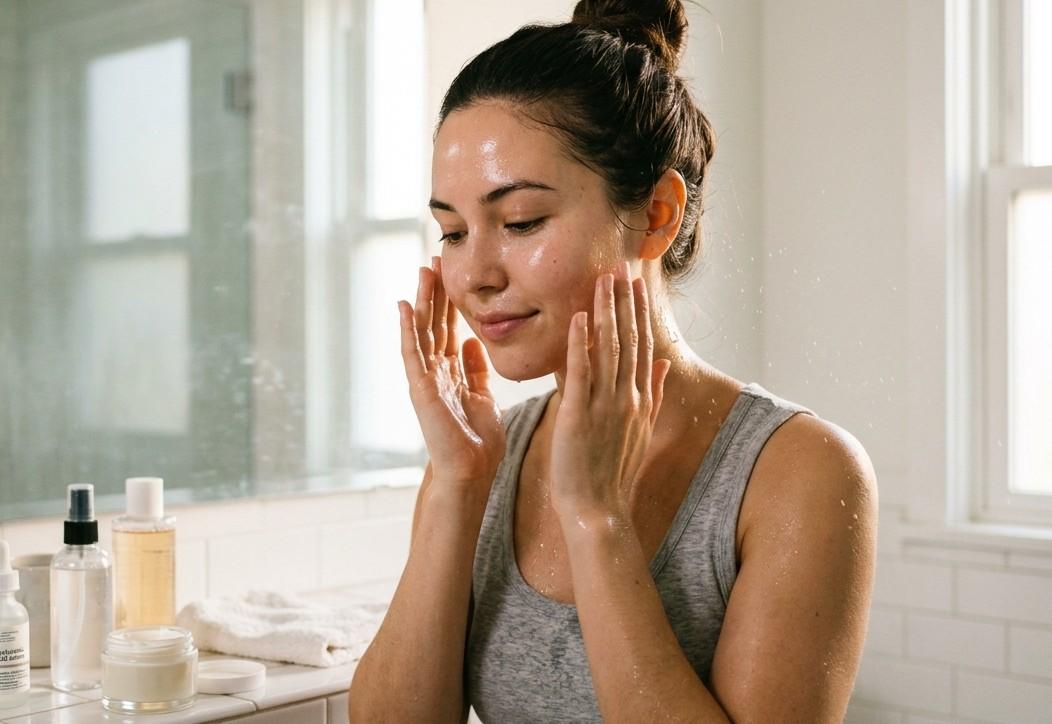
Healthy, glowing skin starts with proper hydration. While countless skincare trends come and go, Skin Flooding (also known as facial flooding, skin drenching, or moisture sandwiching method) has gained significant attention for its simple, science-backed approach to improving skin moisture and supporting the skin barrier. Unlike routines that focus heavily on active ingredients, skin flooding prioritizes hydration by layering moisture-rich products onto damp skin, helping it retain water more effectively.
The technique has become especially popular among people dealing with dry, dehydrated, dull, or sensitive skin. By combining hydrating ingredients such as hyaluronic acid, glycerin, and ceramides in the correct order, skin flooding aims to leave the skin looking plumper, smoother, and healthier.
But what exactly is skin flooding, and does it really work? In this guide, we’ll explore the benefits of skin flooding, how to do it correctly, the best ingredients to use, potential side effects, and expert tips to help you build an effective hydration-focused skincare routine.
What Is Skin Flooding?
Skin Flooding is a skincare technique that focuses on deeply hydrating the skin by applying multiple moisture-rich products to damp skin in a specific order. The goal is to maximize water retention, strengthen the skin barrier, and create a healthy, plump, and glowing complexion.
The method became popular on social media platforms such as TikTok and Instagram, but the concept itself is rooted in dermatology principles that emphasize hydration and barrier support. Unlike complicated skincare routines with numerous active ingredients, skin flooding prioritizes hydration first. It is especially beneficial for people with dry, dehydrated, sensitive, or compromised skin.
Why Is Skin Hydration Important?
Your skin contains natural moisture factors that help maintain elasticity, softness, and barrier function. When skin lacks water, it may become:
- Dry and flaky
- Tight and uncomfortable
- Dull-looking
- More prone to irritation
- More susceptible to fine lines
Proper hydration helps:
- Support the skin barrier
- Improve skin texture
- Enhance product absorption
- Reduce irritation
- Create a healthy glow
This is why skin flooding has become a popular solution for people struggling with dehydration and skin sensitivity.
How Does Skin Flooding Work?
Skin flooding works by layering water-based products on damp skin before sealing them in with moisturizers and occlusive products.
Think of your skin like a sponge. A damp sponge absorbs moisture better than a dry one. Applying hydrating products to slightly damp skin allows humectants such as hyaluronic acid and glycerin to attract and retain more water.
The process generally follows four steps:
- Cleanse
- Hydrating toner or essence
- Hydrating serum
- Moisturizer
- Occlusive layer (optional)
This layered approach helps maximize hydration and minimize moisture loss.
Proven Benefits of Skin Flooding
1. Deeply Hydrates the Skin
The biggest benefit of skin flooding is improved hydration. Multiple layers of moisture-rich products help replenish water levels in the skin.
2. Supports Skin Barrier Function
A healthy skin barrier protects against environmental stressors and moisture loss. Hydrating ingredients help strengthen this protective barrier.
3. Creates a Natural Glow
Well-hydrated skin reflects light better, resulting in a brighter and healthier appearance.
4. Reduces Tightness and Dryness
People with dehydrated skin often experience tightness after cleansing. Skin flooding can significantly improve comfort levels.
5. May Reduce the Appearance of Fine Lines
Hydrated skin appears plumper, which can temporarily soften the appearance of fine lines.
6. Enhances Product Performance
Hydrated skin may absorb skincare products more effectively than dry skin.
7. Suitable for Most Skin Types
When done correctly, skin flooding can benefit:
- Dry skin
- Dehydrated skin
- Sensitive skin
- Combination skin
- Mature skin
Related Articles:
- Pale Skin: Causes, Care Tips, Treatment & When to Be Concerned
- What Sudden Skin Darkening Can Indicate About Your Health?
- How to Tighten Saggy Skin? Causes, Home Remedies & Treatment
Who Should Try Skin Flooding?
Skin flooding may be particularly helpful for:
Dry Skin
Dry skin often lacks both oil and moisture. This method helps replenish hydration.
Dehydrated Skin
Dehydrated skin lacks water rather than oil. Skin flooding directly addresses this issue.
Sensitive Skin
Hydrating ingredients can help soothe and support the skin barrier.
Mature Skin
Hydration can improve skin plumpness and softness.
People Living in Dry Climates
Cold weather and low humidity can contribute to moisture loss.
Who Should Be Careful With Skin Flooding?
While generally safe, skin flooding may not work for everyone.
People with:
- Very oily skin
- Acne-prone skin
- Fungal acne concerns
- Extremely humid climates
may need lighter products and fewer layers.
If you notice clogged pores or breakouts, simplify the routine.
How to Do Skin Flooding?
The Ideal Skin Flooding Routine:
Step 1: Gentle Cleanser
Start with a mild cleanser that removes dirt without stripping the skin.
Look for:
- Fragrance-free formulas
- Hydrating cleansers
- Non-foaming options
Step 2: Apply Products to Damp Skin
Leave your face slightly damp after cleansing.
This step is essential because damp skin helps attract and retain moisture.
Step 3: Hydrating Toner or Essence
Choose ingredients such as:
- Glycerin
- Aloe vera
- Panthenol
- Rice extract
Apply gently using your hands or a cotton pad.
Step 4: Hydrating Serum
Popular hydrating ingredients include:
- Hyaluronic acid
- Polyglutamic acid
- Sodium PCA
- Beta-glucan
Apply a few drops and gently pat into the skin.
Step 5: Moisturizer
A moisturizer helps lock hydration into the skin.
Look for:
- Ceramides
- Squalane
- Cholesterol
- Fatty acids
Step 6: Occlusive Layer (Optional)
People with very dry skin may add:
- Petrolatum
- Healing ointments
- Occlusive balms
This final step reduces water loss overnight.
Step 7: Finish with Sunscreen (Morning Only)
If performing skin flooding in the morning, always apply a broad-spectrum sunscreen as the final step.
Best Time for Skin Flooding
- At Night (Best Option): Facial flooding is most effective before bedtime because your skin naturally repairs and replenishes itself while you sleep, allowing hydrating products to work overnight.
- After Showering: Applying hydrating products immediately after a shower can help lock in moisture while your skin is still slightly damp.
- During Winter Months: Skin flooding can be especially beneficial during cold, dry weather when skin tends to lose moisture more quickly.
- When Skin Feels Dehydrated: If your skin feels tight, dry, dull, or flaky, it may be a good time to incorporate skin flooding into your routine.
- In the Morning (Optional): A lighter version of skin flooding can be done in the morning to create a hydrated, glowing base before applying sunscreen and makeup.
Best Ingredients for Skin Flooding
Hyaluronic Acid
A popular humectant that attracts water to the skin.
Glycerin
One of the most effective moisturizing ingredients available.
Ceramides
Help repair and strengthen the skin barrier.
Panthenol
Provides soothing and moisturizing benefits.
Squalane
Lightweight hydration suitable for many skin types.
Aloe Vera
Known for soothing and hydrating properties.
Beta-Glucan
May help calm irritated skin while supporting hydration.
Polyglutamic Acid
A newer hydrating ingredient often compared to hyaluronic acid.
Ingredients to Avoid During Skin Flooding
To prevent irritation, avoid combining skin flooding with excessive use of:
- Strong exfoliating acids
- High-strength retinoids
- Harsh scrubs
- Alcohol-heavy products
Hydration should be the main focus of the routine.
Morning vs Night Skin Flooding
Morning Skin Flooding
Benefits:
- Creates a hydrated makeup base
- Provides all-day comfort
- Gives a healthy glow
Finish with sunscreen.
Night Skin Flooding
Benefits:
- Supports overnight skin repair
- Allows heavier moisturizers
- Reduces overnight moisture loss
Many dermatologists recommend Facial flooding before bedtime.
Common Skin Flooding Mistakes
Applying Products to Dry Skin
The technique works best on slightly damp skin.
Using Too Many Products
More is not always better. Excessive layering can cause congestion.
Skipping Moisturizer
Hydrating serums alone are not enough.
Choosing Fragranced Products
Sensitive skin may react to heavily fragranced formulas.
Ignoring Skin Type
Customize the routine according to your skin’s needs.
Skin Flooding for Different Skin Types
Dry Skin
Use richer moisturizers and consider an occlusive layer.
Oily Skin
Choose lightweight gels and non-comedogenic products.
Combination Skin
Balance hydration without overloading oily areas.
Sensitive Skin
Use fragrance-free and soothing ingredients.
Mature Skin
Focus on ceramides, peptides, and barrier-supporting ingredients.
Potential Side Effects of Skin Flooding
Skin flooding is generally considered safe, but some people may experience:
- Clogged Pores: Using heavy or unsuitable products may clog pores, especially in oily or acne-prone skin.
- Breakouts: Excessive layering of skincare products can sometimes trigger pimples or acne flare-ups.
- Excess Oiliness: Rich moisturizers may leave the skin feeling greasy if they are too heavy for your skin type.
- Product Pilling: Applying too many layers too quickly can cause products to ball up on the skin.
- Skin Irritation: Certain ingredients may cause redness, itching, or discomfort in sensitive individuals.
- Allergic Reactions: Some people may experience allergic reactions to fragrances, preservatives, or other skincare ingredients.
- Overhydration: Excessive use of hydrating products may occasionally make the skin feel congested or overly saturated.
- Increased Sensitivity: Combining Facial flooding with strong active ingredients may lead to temporary skin sensitivity.
Patch testing new products is recommended.
Is Skin Flooding Backed by Science?
While “Skin Flooding” is a social media term, the underlying principles are supported by dermatological research.
Research supports:
- Using humectants to attract moisture
- Applying moisturizers to reduce water loss
- Strengthening the skin barrier with ceramides
- Maintaining adequate skin hydration for healthier skin function
The technique essentially combines established skincare science into a structured routine.
Expert Tips for Better Results
- Apply products within one minute of cleansing.
- Use lukewarm rather than hot water.
- Avoid over-exfoliation.
- Use sunscreen every morning.
- Stay hydrated throughout the day.
- Adjust product thickness according to your climate.
- Keep routines simple and consistent.
FAQ’s
Is Skin Flooding good for all skin types?
Yes, Facial Flooding can benefit most skin types. However, people with oily or acne-prone skin may need to use lightweight, non-comedogenic products.
How often should you skin flood?
Most people can practice Facial Flooding once or twice daily, depending on their skin’s hydration needs and product tolerance.
Can Skin Flooding help dry skin?
Yes, Facial Flooding is especially popular among people with dry and dehydrated skin because it helps increase moisture levels and reduce tightness.
Is Skin Flooding the same as slugging?
No. Facial Flooding focuses on layering hydrating products, while slugging involves applying an occlusive product, such as petroleum jelly, to lock in moisture.
Can I use hyaluronic acid for Skin Flooding?
Yes, hyaluronic acid is one of the most commonly used ingredients in Facial Flooding because it helps attract and retain water in the skin.
Should I do Skin Flooding in the morning or at night?
You can do it either time, but many people prefer nighttime Facial Flooding to support overnight skin hydration and repair.
Can Skin Flooding cause breakouts?
It may cause breakouts if heavy or pore-clogging products are used. Choosing products suited to your skin type can help reduce this risk.
How long does it take to see results from Skin Flooding?
Many people notice softer and more hydrated skin within a few days, while improvements in skin barrier health may take several weeks.
What ingredients are best for Skin Flooding?
Popular ingredients include hyaluronic acid, glycerin, ceramides, panthenol, aloe vera, beta-glucan, and squalane.
Can I use Skin Flooding with retinol?
Yes, but it is generally recommended to focus on hydration and avoid combining too many strong active ingredients in the same routine if irritation occurs.
Is Skin Flooding suitable for sensitive skin?
Yes, Facial Flooding can be beneficial for sensitive skin when fragrance-free and gentle products are used.
Do I need a moisturizer for Skin Flooding?
Yes, moisturizer is an important step because it helps seal hydration into the skin and prevents moisture loss.
Can Skin Flooding help with a damaged skin barrier?
Facial Flooding may help support a weakened skin barrier by providing hydration and barrier-repairing ingredients such as ceramides and fatty acids.
Is Skin Flooding worth trying?
If your skin feels dry, dehydrated, dull, or tight, Facial Flooding can be a simple and effective way to improve hydration and overall skin health.
Does skin flooding really work?
Yes. Facial flooding helps improve skin hydration by layering moisture-rich products on damp skin, making the skin feel softer, smoother, and more plump.
What do dermatologists say about skin flooding?
Dermatologists generally support facial flooding because it focuses on hydration and skin barrier health using ingredients like hyaluronic acid, glycerin, and ceramides.
Can skin flooding cause acne?
Using heavy products or too many layers may contribute to clogged pores in some individuals.
Conclusion:
Skin flooding is a simple yet effective hydration-focused skincare technique that can help improve skin moisture levels, support barrier health, and create a smoother, healthier-looking complexion. Although the term gained popularity through social media, its foundation is based on well-established skincare principles involving humectants, moisturizers, and barrier protection.
Sources / References:
- American Academy of Dermatology (AAD)
- National Center for Biotechnology Information (NCBI)
- National Institutes of Health (NIH)
- DermNet New Zealand
- Cleveland Clinic
- Mayo Clinic
- Harvard Health Publishing
- Journal of Clinical and Aesthetic Dermatology
- International Journal of Molecular Sciences – Skin Barrier and Hydration Research
- British Association of Dermatologists
Also Read:
- Facial Massage: 20 Benefits, Techniques, Oils, Tools & Side Effects
- Ozempic Face: Causes, Symptoms, Treatment & Prevention
- Slugging: Benefits, Side Effects, How to Do It & Who Should Avoid It
About the Author:
Written by: Kirti Solanki (Health Content Researcher)
Kirti Solanki is a health and wellness content researcher specializing in nutrition, natural remedies, skincare, healthy foods, and evidence-based lifestyle topics. Her work focuses on translating complex health information into practical, reader-friendly content supported by reputable scientific and medical sources. Every article is researched carefully to promote accuracy, transparency, and trustworthy health education.
Disclaimer:
This article is for educational and informational purposes only and is not intended as medical advice, diagnosis, or treatment. Always consult a qualified dermatologist or healthcare professional before making significant changes to your skincare routine, especially if you have underlying skin conditions or allergies.