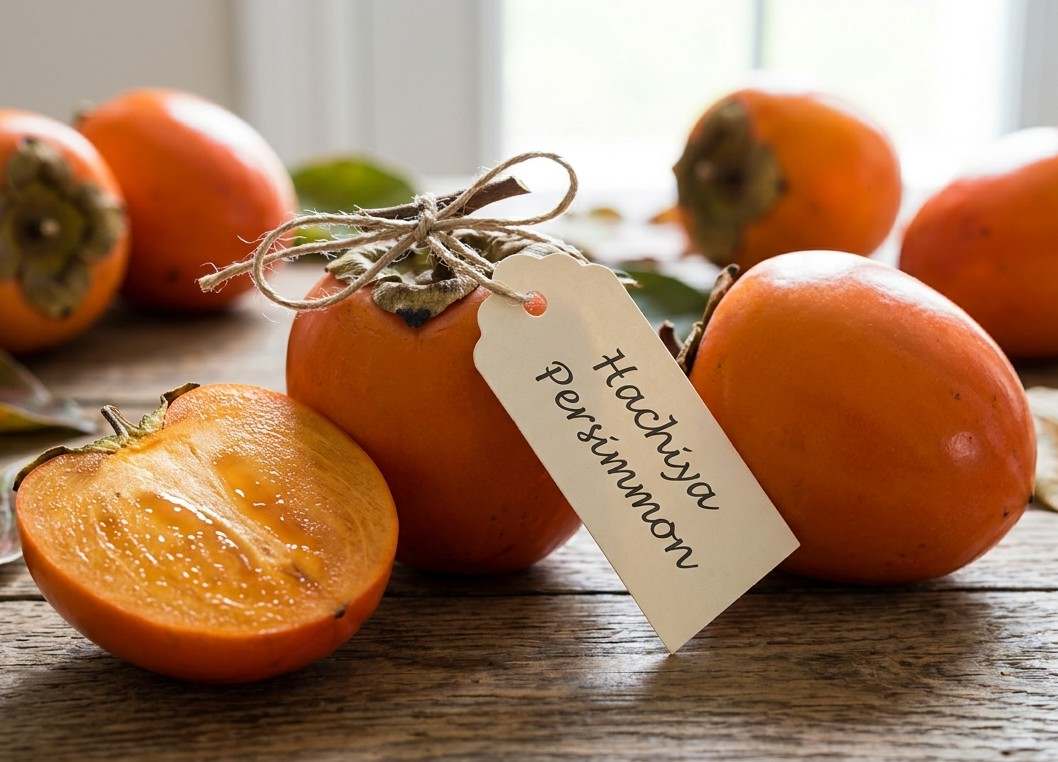
Hachiya persimmon is a large, acorn-shaped variety of persimmon known for its bright orange color, naturally sweet flavor, and very soft texture when fully ripe. Unlike some firm persimmon varieties, Hachiya persimmons are usually best eaten when they become extremely soft and almost jelly-like.
This fruit provides carbohydrates, natural sugars, dietary fiber, vitamin C, vitamin A precursors, potassium, and antioxidant compounds. Because Hachiya persimmons are particularly astringent when unripe, knowing when and how to eat them is important.
What Is Hachiya Persimmon?
Hachiya persimmon is a non-astringent-until-ripe type of Japanese persimmon belonging to the species Diospyros kaki. It is widely recognized by its elongated, acorn-like shape and deep orange skin.
The most important characteristic of Hachiya persimmon is its astringency. An unripe Hachiya can leave an intensely dry, puckering sensation in the mouth because of its high tannin content. As the fruit ripens, its flesh becomes much softer and sweeter, and the astringency decreases substantially.
A ripe Hachiya can have a custard-like or jelly-like consistency. It can be eaten with a spoon, blended into smoothies, incorporated into desserts, or used in baking.
Nutrition Facts of Hachiya Persimmon
The exact nutritional composition varies according to fruit size and ripeness. The following is an approximate nutrition for 100 grams of raw Japanese persimmon, which can be used as a general nutritional reference for Hachiya persimmon.
| Nutrient | Approximate Amount per 100 g |
|---|---|
| Calories | 70 kcal |
| Carbohydrates | 18.6 g |
| Dietary Fiber | 3.6 g |
| Sugars | 12.5 g |
| Protein | 0.58 g |
| Fat | 0.19 g |
| Potassium | 161 mg |
| Vitamin C | 7.5 mg |
| Calcium | 8 mg |
| Magnesium | 9 mg |
| Phosphorus | 17 mg |
| Vitamin A | Approximately 81 µg RAE |
| Folate | Approximately 8 µg |
| Water | Approximately 80 g |
Hachiya persimmon is particularly useful as a source of dietary fiber and naturally occurring plant compounds, while its carbohydrate and sugar content means portion size can matter for people monitoring blood glucose.
20 Proven Health Benefits of Hachiya Persimmon
1. Supports Digestive Health
The dietary fiber in Hachiya persimmon can help support regular bowel movements and overall digestive health.
2. Helps Increase Fiber Intake
Adding a serving of persimmon can contribute to the daily fiber intake needed for a balanced diet.
3. Provides Antioxidant Compounds
Persimmons contain carotenoids, flavonoids, vitamin C, and other plant compounds that contribute antioxidant activity.
4. Supports Immune Function
Hachiya persimmon provides vitamin C, a nutrient that plays an important role in normal immune function.
5. Supports Healthy Skin
Vitamin C and carotenoid compounds contribute nutrients involved in normal skin maintenance and protection from oxidative stress.
6. Provides Vitamin A Precursors
Orange-colored persimmon flesh contains carotenoids that the body can convert into vitamin A.
7. Supports Eye Health
Carotenoids such as beta-carotene contribute to normal vision and eye health.
8. Supports Heart Health
Potassium and dietary fiber are nutrients associated with maintaining cardiovascular health as part of an overall healthy diet.
9. Helps Support Normal Blood Pressure
The potassium found in persimmons contributes to normal muscle and nerve function and can be part of a blood-pressure-friendly eating pattern.
10. Provides Natural Energy
The carbohydrates and naturally occurring sugars in ripe Hachiya persimmon can provide readily available energy.
11. Supports a Healthy Gut
Persimmon dietary fiber can serve as a substrate for beneficial gut microorganisms, although individual responses can vary.
12. Contributes to Bone Nutrition
Persimmon provides small amounts of minerals such as calcium, phosphorus, and magnesium that contribute to normal bone metabolism.
13. Supports Normal Nerve Function
Potassium is essential for normal nerve signaling and muscle function.
14. Supports Normal Muscle Function
The potassium and other nutrients in persimmon contribute to normal muscle function.
15. Helps Promote Satiety
The combination of water and fiber in fruit can help make a serving satisfying.
16. Adds Plant-Based Nutrients to the Diet
Eating different fruits such as Hachiya persimmon helps diversify the range of vitamins, minerals, and phytochemicals in the diet.
17. Supports Normal Collagen Formation
Vitamin C is required for normal collagen formation, which is important for skin, blood vessels, cartilage, and other tissues.
18. May Help Protect Cells From Oxidative Stress
Persimmon contains several antioxidant compounds that help contribute to the body’s defenses against oxidative stress.
19. Can Be a Nutritious Dessert Alternative
Naturally sweet ripe Hachiya persimmon can be used as an alternative to some highly processed sweet desserts.
20. Supports an Overall Healthy Eating Pattern
Including Hachiya persimmon alongside vegetables, whole grains, legumes, nuts, and other fruits can contribute to a balanced dietary pattern.
10 Side Effects of Hachiya Persimmon
1. Mouth Puckering
Eating an unripe Hachiya persimmon can cause an intense dry, puckering sensation because of its high tannin content.
2. Digestive Discomfort
Eating a large amount at once may cause bloating, gas, or abdominal discomfort in some people.
3. Loose Stools
A large serving may contribute to loose stools in people who are sensitive to increased fiber or fruit sugars.
4. Constipation in Certain Circumstances
Very high intake of unripe, tannin-rich persimmon has historically been associated with digestive problems, particularly when consumed in large amounts.
5. Blood Sugar Spikes
Ripe persimmon contains natural sugars and carbohydrates, which can raise blood glucose after eating.
6. Allergic Reactions
Although uncommon, some people can experience an allergic reaction to persimmon.
7. Oral Discomfort
The tannins in an unripe Hachiya can cause unpleasant dryness and irritation-like sensations in the mouth.
8. Stomach Upset
People with sensitive digestion may experience stomach discomfort after eating a large quantity.
9. Excess Calories From Large Portions
Although nutritious, frequently eating very large servings can add substantial calories and carbohydrates to the diet.
10. Digestive Blockage Risk in Extreme Intake
Large quantities of persimmon, particularly unripe fruit with high tannin content, have been associated with bezoar formation in rare cases.
How to Eat Hachiya Persimmon?
The most important rule is to wait until the Hachiya persimmon is fully ripe.
A ripe Hachiya should feel extremely soft when gently pressed. The skin may appear slightly translucent or wrinkled, and the flesh inside should have a soft, pudding-like consistency.
Simple Ways to Eat Hachiya Persimmon
- Wash the fruit gently under running water.
- Remove the leafy calyx from the top.
- Cut the fruit in half.
- Scoop out the soft flesh with a spoon.
- Discard the seeds if present.
- Eat the flesh plain or add it to other foods.
You can also freeze ripe Hachiya persimmons and eat the chilled flesh like a naturally sweet frozen dessert.
Tips for Consuming Hachiya Persimmon
- Wait for Full Ripeness: Do not eat Hachiya while it is firm and unripe because the tannins can make it extremely astringent.
- Use the Softness Test: A properly ripe Hachiya should feel very soft when gently pressed.
- Start With a Small Serving: If you have never eaten Hachiya before, start with a modest portion.
- Pair With Protein or Healthy Fats: Combining fruit with yogurt, nuts, or seeds can make a snack more balanced.
- Use in Smoothies: Very ripe Hachiya blends easily and can naturally sweeten smoothies.
- Try It Frozen: Freezing ripe Hachiya creates a cool, spoonable dessert.
- Avoid Damaged Fruit: Discard persimmons showing significant mold, fermentation, or unusual spoilage.
- Wash Before Cutting: Cleaning the skin before preparation helps reduce surface contamination.
Other Uses of Hachiya Persimmon
- Baking: Ripe Hachiya pulp can be incorporated into breads, muffins, cakes, and cookies.
- Smoothies: Its creamy texture makes it suitable for fruit smoothies.
- Puddings: Soft persimmon flesh can be blended into naturally sweet pudding-style desserts.
- Sauces: Hachiya pulp can be used as a component in sweet fruit sauces.
- Jams and Preserves: Fully ripe persimmon can be cooked into spreads and preserves.
- Salads: Small pieces can add sweetness to salads when the fruit is sufficiently ripe and soft.
- Oatmeal: Persimmon pulp can be stirred into oatmeal for natural sweetness.
- Yogurt Toppings: Ripe persimmon works well with plain yogurt, nuts, and seeds.
- Desserts: The fruit can be incorporated into homemade cakes, tarts, and other desserts.
- Frozen Treats: Frozen ripe Hachiya pulp can be eaten as a simple fruit-based dessert.
How Many Hachiya Persimmon Can You Eat in a Day?
For most healthy adults, one small-to-medium Hachiya persimmon per day can reasonably fit into a balanced diet.
However, there is no universally established medical dosage for Hachiya persimmon. Your appropriate serving depends on your overall diet, calorie needs, blood-glucose management, digestive tolerance, and the size of the fruit.
If you are eating it for the first time, starting with about ½ fruit can help you assess how your digestion responds.
Best Time to Eat Hachiya Persimmon
There is no scientifically established “best” time to eat Hachiya persimmon.
It can be enjoyed at breakfast, as a snack, or as part of a meal. Eating it earlier in the day may be convenient for people who prefer to consume more carbohydrate-containing foods during their active hours, but there is no strong evidence that eating persimmon at a particular time provides special health benefits.
If you have diabetes or are monitoring blood glucose, consider eating an appropriate portion alongside a source of protein, healthy fat, or other high-fiber foods.
Who Should Eat Hachiya Persimmon?
- Healthy Adults: Most healthy adults can enjoy ripe Hachiya persimmon as part of a varied diet.
- People Seeking More Fiber: Those looking to increase their intake of dietary fiber may benefit from including fruit such as persimmon.
- People Wanting More Fruit Variety: Hachiya offers a different combination of flavor, texture, carotenoids, and other nutrients compared with common fruits.
- People Seeking Vitamin C Sources: Persimmon can contribute vitamin C to the diet.
- People Seeking Potassium-Rich Foods: Hachiya persimmon provides potassium, an essential mineral for normal body function.
- People Who Enjoy Naturally Sweet Foods: Fully ripe Hachiya can satisfy a preference for sweetness without requiring added sugar.
- Active Individuals: Its carbohydrate content can provide a convenient source of energy as part of an overall balanced eating pattern.
Who Should Not Eat Hachiya Persimmon?
- People With Persimmon Allergy: Anyone with a known persimmon allergy should avoid the fruit unless their healthcare professional advises otherwise.
- People Who React to Unripe Persimmon: Individuals who experience significant oral or digestive discomfort from the fruit should avoid unripe Hachiya.
- People With Certain Digestive Conditions: Those with a history of bezoars or certain gastrointestinal narrowing should discuss persimmon intake with a healthcare professional.
- People Monitoring Blood Sugar: People with diabetes do not necessarily need to avoid persimmon, but portion size and carbohydrate intake should be considered.
- People With Significant Kidney Disease: Individuals with potassium restrictions should ask their healthcare professional whether persimmon fits their dietary plan.
- People With a Sensitive Digestive System: Those who develop bloating or diarrhea after eating persimmon may need to reduce their portion or avoid it.
How to Store Hachiya Persimmon?
- Store Unripe Fruit at Room Temperature: Keep firm Hachiya persimmons at room temperature until they become very soft.
- Keep Them Away From Excess Heat: Avoid placing unripe fruit in very hot areas because excessive heat can accelerate deterioration.
- Refrigerate Ripe Fruit: Once completely ripe, Hachiya persimmon can be refrigerated to slow further ripening.
- Use a Covered Container: Place cut persimmon in an airtight container before refrigerating.
- Eat Cut Fruit Promptly: For best quality, consume cut persimmon within a few days.
- Freeze Extra Pulp: Very ripe Hachiya pulp can be frozen for later use in smoothies and baking.
- Check for Spoilage: Discard fruit with significant mold, an unpleasant fermented smell, or other clear signs of spoilage.
Precautions and Interactions
- Choose Fully Ripe Fruit: The most important precaution is to avoid eating Hachiya while it is still highly astringent and unripe.
- Watch Portion Size: Large quantities may provide considerable carbohydrate and fiber and can cause digestive discomfort.
- Monitor Blood Glucose: People with diabetes should account for persimmon’s carbohydrate and sugar content within their overall meal plan.
- Consider Potassium Restrictions: People following a medically prescribed low-potassium diet should check whether persimmon fits their individual plan.
- Be Careful With Digestive Disorders: Anyone with a history of intestinal narrowing, bezoars, or significant gastrointestinal problems should seek medical advice before consuming large quantities.
- Check for Allergies: Stop eating the fruit and seek appropriate medical care if symptoms of an allergic reaction develop.
- Do Not Treat It as Medicine: Hachiya persimmon can contribute nutrients to the diet but should not replace prescribed treatment.
- Consider the Whole Diet: Persimmon is best consumed as part of a varied diet rather than in unusually large amounts for a specific health purpose.
FAQ’s
Can I eat Hachiya Persimmon every day?
Yes, most healthy adults can eat a ripe Hachiya persimmon every day as part of a balanced diet. Keep portions moderate, especially if you are monitoring blood sugar or have digestive or kidney-related dietary restrictions.
What is Hachiya persimmon good for?
Hachiya persimmon provides fiber, vitamin C, carotenoids, potassium, and antioxidant plant compounds that can support overall nutrition.
Can you eat Hachiya persimmon raw?
Yes, fully ripe Hachiya persimmon can be eaten raw by cutting it open and scooping out the soft flesh.
Why is my Hachiya persimmon so astringent?
An unripe Hachiya contains high levels of tannins, which can create a strong dry or puckering sensation in the mouth.
How long does Hachiya persimmon take to ripen?
Depending on its starting ripeness and storage conditions, a firm Hachiya can take several days to a few weeks to become very soft and ready to eat.
Can you eat Hachiya persimmon seeds?
If the fruit contains seeds, they should generally be removed rather than eaten.
Is Hachiya persimmon good for weight loss?
Hachiya persimmon can fit into a weight-management diet because it provides fiber and water, but portion size and total calorie intake still matter.
Is Hachiya persimmon good for the skin?
Its vitamin C and carotenoid content can contribute nutrients involved in normal skin health.
Is Hachiya persimmon good for the heart?
Its fiber and potassium contribute to a heart-healthy dietary pattern when consumed as part of an overall balanced diet.
Can diabetics eat Hachiya persimmon?
People with diabetes may be able to eat Hachiya persimmon in moderation, but its carbohydrate and natural sugar content should be included in their overall meal plan.
Is Hachiya persimmon safe during pregnancy?
Ripe Hachiya persimmon can generally be included in a varied pregnancy diet, but pregnant individuals with diabetes, allergies, or specific dietary restrictions should consult their healthcare professional.
Can children eat Hachiya persimmon?
Children can generally eat ripe Hachiya persimmon in an age-appropriate portion, provided they do not have an allergy or other dietary restriction.
Does Hachiya persimmon help with constipation?
Its dietary fiber may support regular bowel movements, particularly when consumed with adequate fluids and an overall fiber-rich diet.
Can Hachiya persimmon cause constipation?
Very large amounts, particularly of unripe persimmon, may cause digestive problems in some people.
Can you eat Hachiya persimmon at night?
Yes, there is no established rule that Hachiya persimmon must be avoided at night, although people with digestive sensitivity may prefer a smaller serving.
What does Hachiya persimmon taste like?
A fully ripe Hachiya has a very sweet, rich, honey-like flavor with an exceptionally soft and creamy texture.
How do you ripen Hachiya persimmons quickly?
Keeping firm Hachiya persimmons at room temperature can help them ripen, and placing them near certain ripe fruits that release ethylene may accelerate the process.
Can Hachiya persimmon be refrigerated?
Yes, fully ripe Hachiya persimmons can be refrigerated to slow further ripening and extend their usable life.
Can Hachiya persimmon be frozen?
Yes, ripe Hachiya persimmon can be frozen whole or as pulp and used later in smoothies, baking, and desserts.
Is Hachiya persimmon high in fiber?
Yes, Japanese persimmon provides a useful amount of dietary fiber, making it a nutritious fruit choice for increasing fiber intake.
Is Hachiya persimmon high in vitamin C?
Hachiya persimmon provides vitamin C, although the exact amount varies with fruit size, variety, and ripeness.
Can Hachiya persimmon help lower blood pressure?
Hachiya persimmon provides potassium, which contributes to normal blood pressure regulation, but eating persimmon should not be considered a treatment for hypertension.
Is Hachiya persimmon acidic or alkaline?
Hachiya persimmon is a mildly acidic fruit, although the body’s acid-base balance is tightly regulated and is not meaningfully changed by eating individual fruits.
What is the difference between Hachiya and Fuyu persimmon?
Hachiya is elongated and highly astringent until fully ripe, whereas Fuyu is typically rounder, less astringent, and can be eaten while still firm.
Can you cook with Hachiya persimmon?
Yes, very ripe Hachiya pulp works particularly well in breads, cakes, muffins, puddings, smoothies, and other desserts.
Is Hachiya persimmon sweet?
Yes. When fully ripe, Hachiya persimmon is naturally very sweet with a soft, custard-like texture.
Can you eat Hachiya persimmon when it is firm?
It is generally best not to eat Hachiya while it is firm because unripe fruit can be intensely astringent due to its tannins.
How do you know when a Hachiya persimmon is ripe?
A Hachiya is generally ready when it becomes extremely soft to the touch and the flesh develops a pudding-like consistency.
Is Hachiya persimmon good for digestion?
Hachiya provides dietary fiber, which supports normal digestion, although very large amounts may cause digestive discomfort in some people.
Is Hachiya persimmon the same as American persimmon?
No. Hachiya is a cultivar of the Asian/Japanese persimmon species Diospyros kaki, while American persimmon is Diospyros virginiana.
Sources / References:
- USDA FoodData Central
- USDA Agricultural Research Service
- National Institutes of Health
- Harvard T.H. Chan School of Public Health
Disclaimer:
This guide is for general educational purposes only and is not a substitute for professional medical advice, diagnosis, or treatment. People with allergies, diabetes, kidney disease, or digestive conditions should consult a qualified healthcare professional about their individual diet.
Also Read: