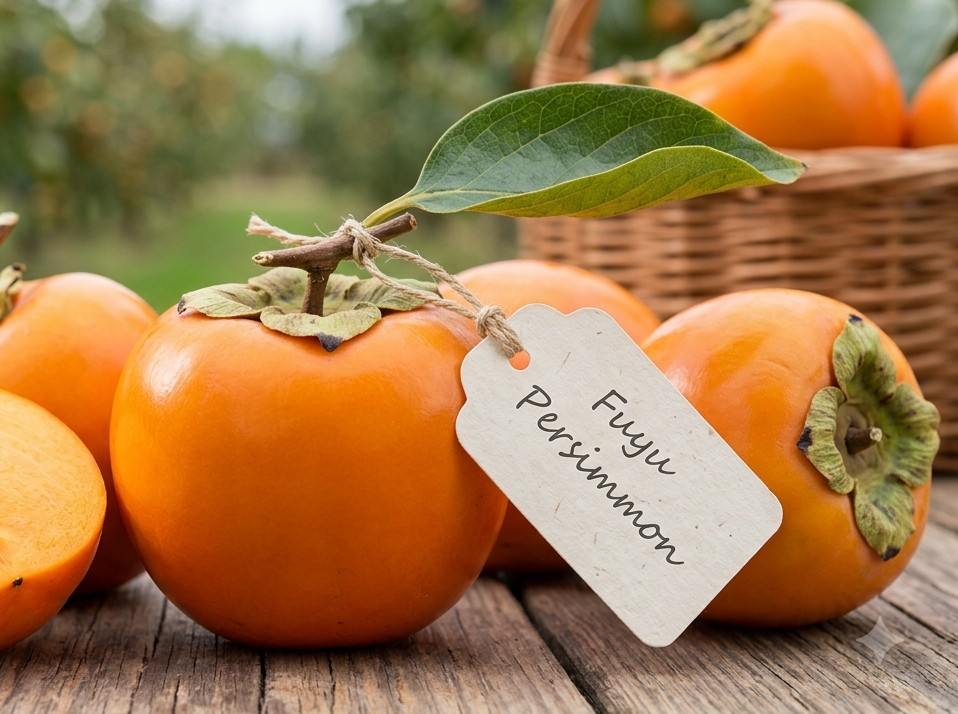
Fuyu persimmon (also known as Fuyugaki) is a sweet, crisp variety of Japanese persimmon that has become popular because it can be eaten while still firm. Unlike astringent persimmon varieties, ripe Fuyu persimmons generally have a mild, honey-like sweetness without the strong puckering sensation associated with high soluble tannins.
This orange-colored fruit provides dietary fiber, carbohydrates, vitamin C, carotenoids, potassium and a variety of plant compounds, including polyphenols and tannins.
What Is Fuyu Persimmon?
Fuyu persimmon is a non-astringent cultivar of Japanese persimmon, scientifically known as Diospyros kaki. It is usually round to slightly flattened, with smooth orange skin and firm, crisp flesh.
One of its biggest advantages is that it does not need to become extremely soft before eating. A ripe Fuyu can be sliced much like an apple and eaten with or without the skin.
The fruit contains dietary fiber, vitamin C, carotenoids, minerals and polyphenolic compounds. Persimmons are particularly noted for their carotenoids, tannins, flavonoids and other phenolic compounds.
Fuyu persimmon is commonly eaten fresh, added to salads, blended into smoothies, used in desserts or dried for longer storage.
Nutrition Facts of Fuyu Persimmon
The following values are approximate for 100 grams of raw Japanese persimmon; the exact nutritional profile of Fuyu persimmon can vary according to fruit size, maturity and growing conditions.
| Nutrient | Approximate Amount per 100 g |
|---|---|
| Calories | 70 kcal |
| Carbohydrates | 18.6 g |
| Dietary Fiber | 3.6 g |
| Sugars | 12.5 g |
| Protein | 0.6 g |
| Total Fat | 0.2 g |
| Potassium | 160 mg |
| Vitamin C | 7.5 mg |
| Vitamin A | 81 mcg RAE |
| Vitamin B6 | 0.1 mg |
| Calcium | 8 mg |
| Magnesium | 9 mg |
| Phosphorus | 17 mg |
| Water | About 80 g |
20 Proven Health Benefits of Fuyu Persimmon
- Supports Digestive Health: The dietary fiber in Fuyu persimmon can help support normal digestion and regular bowel movements.
- Helps Increase Fiber Intake: Adding Fuyu persimmon to meals can contribute useful dietary fiber to the daily diet.
- Provides Antioxidant Compounds: Persimmon contains carotenoids, flavonoids, phenolic compounds and other antioxidants that can help protect cells from oxidative stress.
- Supports Immune Function: Vitamin C and other nutrients in Fuyu persimmon contribute to normal immune-system function.
- Supports Heart Health: Its combination of fiber, potassium and plant compounds makes Fuyu persimmon a useful addition to a heart-conscious eating pattern.
- Provides Potassium: Potassium contributes to normal muscle function, nerve signaling and maintenance of healthy blood pressure.
- May Support Healthy Cholesterol Levels: Research on persimmon and its bioactive compounds has investigated potential effects on lipid metabolism and cholesterol.
- Supports Healthy Blood Pressure: Potassium-rich fruits can contribute to a dietary pattern that supports healthy blood-pressure regulation.
- Supports Eye Health: Carotenoids and vitamin A-related compounds in persimmon contribute to normal vision and eye function.
- Supports Skin Health: Vitamin C contributes to normal collagen production, while carotenoids and polyphenols provide antioxidant activity.
- Provides Natural Energy: The carbohydrates and naturally occurring sugars in Fuyu persimmon provide readily available energy.
- Supports Weight-Friendly Eating: Its water and fiber content can make a whole Fuyu persimmon more satisfying than many highly processed sweet snacks.
- May Support Metabolic Health: Studies of persimmon components have investigated their potential relationship with glucose and lipid metabolism, although human evidence remains limited.
- Provides Carotenoids: Persimmon contains carotenoids such as beta-carotene and beta-cryptoxanthin that contribute to its characteristic orange color.
- Supports a Balanced Diet: Fuyu persimmon supplies several micronutrients and plant compounds while being naturally low in fat.
- May Help Protect Cells From Oxidative Stress: Polyphenols and carotenoids in persimmon have antioxidant activity in laboratory and nutritional research.
- Supports Normal Bowel Function: Regular intake of fiber-rich fruits can help maintain healthy intestinal movement.
- Contributes to Hydration: Because fresh persimmon contains a high proportion of water, it can contribute modestly to overall fluid intake.
- Provides Plant Polyphenols: Fuyu persimmon contains various phenolic compounds and tannins that are being studied for their biological activity.
- Adds Nutritional Variety: Including different colorful fruits such as Fuyu persimmon increases dietary variety and provides a broader range of naturally occurring nutrients and phytochemicals.
10 Side Effects of Fuyu Persimmon
Fuyu persimmon is generally suitable for most people when eaten as part of a varied diet, but excessive intake or individual sensitivities can cause problems.
- Digestive Discomfort: Eating a large amount at once may cause bloating, fullness or abdominal discomfort because of its fiber content.
- Loose Stools: A sudden increase in fruit and fiber intake may cause loose stools in some people.
- Constipation in Excessive Amounts: Large quantities, particularly of less-ripe persimmons, may be difficult for some people to digest.
- Blood Sugar Increase: Fuyu persimmon contains natural carbohydrates and sugars, so large portions can raise blood glucose.
- Allergic Reactions: People with a persimmon allergy may experience itching, swelling, hives or other allergic symptoms.
- Tannin Exposure: Persimmons contain tannins, although the amount and astringency differ considerably among cultivars and ripening stages.
- Possible Medication-Diet Concerns: People taking medicines affected by potassium intake or blood glucose should consider their overall diet and individual medical advice.
- Gastrointestinal Blockage Risk in Rare Cases: Excessive persimmon consumption has been associated with rare phytobezoars, particularly in people with delayed gastric emptying or other gastrointestinal risk factors.
- Stomach Discomfort From Unripe Fruit: Less-ripe persimmons can contain more soluble tannins and may be more difficult for some people to tolerate.
- Calorie and Sugar Overconsumption: Eating several fruits in addition to other carbohydrate-rich foods can unnecessarily increase total calorie and carbohydrate intake.
How to Eat Fuyu Persimmon?
Fuyu persimmon is easy to eat because it can be consumed while firm and crisp.
- Wash the fruit thoroughly under running water.
- Remove the leafy calyx at the top.
- Slice the fruit into rounds or wedges.
- Eat the flesh directly, with the skin if preferred.
- Remove any seeds if the particular fruit contains them.
- Add slices to fruit or green salads.
- Combine it with yogurt, oatmeal or cottage cheese.
- Blend it into smoothies.
- Use ripe pieces in homemade desserts or baked dishes.
The skin is edible, but some people prefer to peel it because of its texture.
Tips for Consuming Fuyu Persimmon
- Choose Firm-Ripe Fruit: Select Fuyu persimmons that are orange and firm but not rock-hard.
- Wash Before Cutting: Clean the skin before slicing, even if you plan to peel the fruit.
- Eat the Skin if Desired: The skin is edible and can contribute additional fiber and plant compounds.
- Pair With Protein: Combining persimmon with yogurt, nuts or seeds can create a more balanced snack.
- Watch Portion Size: A whole fruit can be a reasonable serving, but larger amounts add significant natural sugar and carbohydrates.
- Use in Salads: Crisp Fuyu slices work particularly well with leafy greens, nuts and mild cheeses.
- Avoid Spoiled Fruit: Discard fruit with extensive mold, fermentation, unusual odor or significant decay.
- Do Not Rely on It as Medicine: Fuyu persimmon is a nutritious fruit but should not replace medical treatment.
Other Uses of Fuyu Persimmon
- Fresh Fruit: Fuyu persimmon can be sliced and served as a simple snack or dessert.
- Fruit Salads: Its crisp texture and sweetness make it a useful ingredient in mixed fruit salads.
- Green Salads: Thin slices can add natural sweetness and color to leafy salads.
- Smoothies: Soft or very ripe Fuyu persimmon can be blended into smoothies.
- Breakfast Bowls: Chopped persimmon can be added to oatmeal, yogurt, chia pudding or cereal.
- Desserts: The fruit can be incorporated into puddings, cakes, muffins and other homemade desserts.
- Jams and Preserves: Very ripe persimmons can be cooked into spreads and preserves.
- Dried Fruit: Persimmons can be dried to create a concentrated sweet snack, although drying also concentrates their calories and sugars.
- Sauces and Purees: Cooked or blended persimmon can be used as a naturally sweet fruit puree.
- Decorative Food Ingredient: Attractive orange Fuyu slices can be used to garnish breakfast plates, salads and desserts.
Persimmon leaves are also used traditionally in teas and have been investigated for their phytochemical content, but these uses are separate from eating the Fuyu fruit itself.
How Many Fuyu Persimmon Can You Eat in a Day?
For most healthy adults, one medium Fuyu persimmon per day is a practical serving as part of a varied diet.
People who need to carefully manage carbohydrate intake may prefer a smaller portion depending on their overall meal plan. There is no universally established medical dosage for Fuyu persimmon.
Avoid routinely eating very large quantities. Rare cases of persimmon-related phytobezoars and intestinal obstruction have been reported, particularly with excessive consumption and in people who have risk factors such as impaired gastric emptying or previous gastrointestinal surgery.
Best Time to Eat Fuyu Persimmon
There is no scientifically established “best” time to eat Fuyu persimmon.
It can be enjoyed:
- At Breakfast: Add sliced Fuyu to oatmeal, yogurt or a breakfast bowl.
- As a Mid-Morning Snack: A whole fruit can provide carbohydrates, fiber and water between meals.
- Before Physical Activity: Its natural carbohydrates can provide a convenient source of energy.
- As an Afternoon Snack: Pair it with nuts or yogurt for a more balanced snack.
- After a Meal: It can be used as a naturally sweet dessert.
For people monitoring blood glucose, pairing fruit with a source of protein or healthy fat may help make the snack more substantial.
Who Should Eat Fuyu Persimmon?
- Healthy Adults: Most healthy adults can include Fuyu persimmon as part of a balanced diet.
- People Seeking More Fiber: Its fiber content can help increase overall dietary fiber intake.
- Fruit Lovers: Its naturally sweet flavor makes it a useful alternative to highly processed desserts.
- People Seeking Colorful Fruits: Its orange color reflects the presence of carotenoid pigments and other plant compounds.
- Active Individuals: Its natural carbohydrates can provide a convenient source of dietary energy.
- People Following Heart-Conscious Diets: Its fiber, potassium and low-fat profile can fit into many heart-supportive eating patterns.
- People Looking for Nutrient Variety: Fuyu persimmon provides vitamin C, carotenoids, fiber and several minerals.
- Older Adults Without Digestive Risk Factors: It can be a nutritious fruit choice, provided it is eaten in moderate portions and chewed thoroughly.
Who Should Not Eat Fuyu Persimmon?
- People With a Persimmon Allergy: Anyone with a known allergy should avoid Fuyu persimmon unless a healthcare professional has advised otherwise.
- People With Significant Digestive Motility Problems: Individuals with delayed gastric emptying may need to limit high-fiber foods and should discuss persimmon intake with their healthcare professional.
- People With a History of Bezoars: Those who have previously developed gastrointestinal bezoars should ask their clinician whether persimmons are appropriate.
- People With Certain Gastrointestinal Surgeries: Previous stomach or intestinal surgery can increase the risk of bezoar formation in some individuals.
- People With Poorly Controlled Blood Sugar: Fuyu persimmon contains natural sugars and carbohydrates, so portions may need to be controlled.
- People Following Potassium Restrictions: Those with kidney disease who have been instructed to restrict potassium should discuss fruit portions with their healthcare professional.
- People With Acute Digestive Symptoms: Anyone experiencing unexplained vomiting, severe abdominal pain or suspected intestinal obstruction should seek medical care rather than trying to manage symptoms with fruit.
How to Store Fuyu Persimmon?
- Store Firm Fruit at Room Temperature: Firm Fuyu persimmons can be kept at room temperature until they reach the desired texture.
- Refrigerate Ripe Fruit: Once ripe, refrigeration can help slow further softening.
- Keep Cut Fruit Chilled: Place sliced persimmon in a covered container and refrigerate promptly.
- Use an Airtight Container: A sealed container helps reduce moisture loss and exposure to odors.
- Keep Away From Damaged Fruit: Remove spoiled fruit promptly so it does not affect nearby produce.
- Freeze for Longer Storage: Sliced or pureed persimmon can be frozen for later use in smoothies and cooked recipes.
- Check Before Eating: Discard fruit showing extensive mold, fermentation or an abnormal smell.
Persimmon is a climacteric fruit, meaning ripening continues after harvest and the texture can change considerably as it matures.
Precautions and Interactions
- Monitor Portion Size: Keep portions moderate because Fuyu persimmon contains natural carbohydrates and sugars.
- Consider Potassium Intake: People with kidney disease who have been prescribed a potassium-restricted diet should ask their healthcare professional about appropriate portions.
- Consider Blood Glucose: People with diabetes should include persimmon within their individualized carbohydrate plan.
- Be Careful With Gastrointestinal Disorders: People with delayed gastric emptying or previous gastrointestinal surgery may have a higher risk of phytobezoar formation.
- Chew Thoroughly: Thorough chewing may reduce the amount of large, poorly broken-down food material reaching the stomach.
- Avoid Excessive Consumption: Large quantities of persimmons have been associated with rare diospyrobezoar cases.
- Do Not Use as a Treatment: Research on persimmon phytochemicals is promising, but a whole fruit should not be considered a treatment for diabetes, high cholesterol, hypertension or other diseases.
- Check Individual Allergies: Stop eating the fruit and seek appropriate medical advice if symptoms of an allergic reaction occur.
- Discuss Regular High Intake With a Clinician: People with significant digestive, kidney or metabolic conditions should consider their individual dietary requirements.
- Seek Urgent Care for Obstruction Symptoms: Severe abdominal pain, persistent vomiting, abdominal swelling or inability to pass stool or gas requires prompt medical evaluation because intestinal obstruction can be serious.
Fuyu Persimmon vs. Other Persimmons
Fuyu is a non-astringent persimmon, which means it can generally be eaten while still firm. Other varieties, such as some astringent persimmons, need to become much softer before they are pleasant to eat because of their higher levels of soluble tannins.
The amount of tannins and other bioactive compounds can vary according to cultivar, ripeness and processing, so health effects should not automatically be generalized from one persimmon variety to another.
Final Thoughts
Fuyu persimmon is a flavorful, naturally sweet fruit that can add fiber, vitamin C, potassium, carotenoids and polyphenolic compounds to the diet. Its firm texture makes it particularly convenient because it can be sliced and eaten much like an apple.
Research suggests that persimmon’s nutrients and phytochemicals may contribute to antioxidant and cardiometabolic benefits, but many disease-specific claims remain under investigation and should not be treated as established medical treatments.
For most people, enjoying one Fuyu persimmon as part of a varied diet is a simple way to add more fruit and plant-based nutrients to everyday meals.
FAQ’s
What is the difference between Fuyu and regular persimmons?
Fuyu is a specific non-astringent variety of Japanese persimmon that can be eaten while firm, whereas “regular persimmon” can refer to other varieties that may need to become very soft before eating.
Can I eat Fuyu persimmon every day?
Yes, most healthy adults can enjoy one Fuyu persimmon daily as part of a balanced diet, while people with diabetes, kidney disease, or digestive conditions may need individualized portions.
What does Fuyu persimmon taste like?
Fuyu persimmon has a mild, sweet flavor often described as honey-like, with a crisp texture when firm and a softer texture as it ripens.
Can I eat the skin of a Fuyu persimmon?
Yes, Fuyu persimmon skin is edible and can be eaten after thoroughly washing the fruit.
Do Fuyu persimmons have seeds?
Some Fuyu persimmons may contain a few seeds, but many commercially available fruits are seedless or have very few seeds.
Is Fuyu persimmon good for you?
Yes, Fuyu persimmon provides dietary fiber, vitamin C, potassium, carotenoids and various plant compounds that can contribute to a balanced diet.
Is Fuyu persimmon good for weight loss?
Fuyu persimmon can fit into a weight-management diet because it provides fiber and water, but portion size and total calorie intake still matter.
Is Fuyu persimmon high in sugar?
Fuyu persimmon contains naturally occurring sugars, so people monitoring their carbohydrate or blood-glucose intake should pay attention to portion size.
Is Fuyu persimmon good for digestion?
Its dietary fiber can support normal digestion and bowel regularity, although eating excessive amounts may cause digestive discomfort in some people.
Can you eat Fuyu persimmon at night?
Yes, Fuyu persimmon can be eaten at night, provided it fits comfortably into your overall daily diet.
Is Fuyu persimmon good for the skin?
Its vitamin C and carotenoid content can contribute to normal skin health as part of a nutritious overall diet.
Is Fuyu persimmon good for the heart?
Fuyu persimmon provides fiber, potassium and plant compounds that can fit into a heart-conscious eating pattern.
Is Fuyu persimmon safe during pregnancy?
Fuyu persimmon can generally be included in a pregnancy diet as a washed whole fruit, but pregnant women with diabetes, kidney disease or other dietary restrictions should follow their healthcare professional’s advice.
Can people with diabetes eat Fuyu persimmon?
People with diabetes may be able to eat Fuyu persimmon in a controlled portion, but its natural carbohydrates and sugars should be included in their overall carbohydrate plan.
Is Fuyu persimmon good for constipation?
Its fiber content may support regular bowel movements, particularly when consumed as part of a diet containing adequate fluids and other fiber-rich foods.
How do you know when a Fuyu persimmon is ripe?
A ripe Fuyu persimmon is typically orange and may be firm or slightly soft depending on your preferred texture.
Can you eat a Fuyu persimmon when it is hard?
Yes, unlike many astringent persimmon varieties, Fuyu persimmons are specifically known for being edible while firm.
Can Fuyu persimmon be frozen?
Yes, Fuyu persimmon can be sliced or pureed and frozen for later use in smoothies, desserts and cooked recipes.
What happens if you eat too many Fuyu persimmons?
Eating excessive amounts may cause digestive discomfort, and very high consumption has been associated with rare persimmon-related phytobezoars, particularly in people with certain gastrointestinal risk factors.
Is Fuyu persimmon astringent?
Fuyu is classified as a non-astringent persimmon, so it generally does not produce the strong mouth-puckering sensation associated with highly astringent varieties.
Is Fuyu persimmon the same as Japanese persimmon?
Fuyu is a cultivar of Japanese persimmon, which is scientifically known as Diospyros kaki.
Can children eat Fuyu persimmon?
Fuyu persimmon can generally be offered to children in age-appropriate portions and textures, with the fruit washed and any seeds removed.
Is Fuyu persimmon good for high blood pressure?
Fuyu persimmon provides potassium, which contributes to normal blood-pressure regulation, but eating the fruit should not be considered a treatment for hypertension.
Sources / References:
Disclaimer:
This guide is for informational purposes only and does not replace professional medical advice, diagnosis, or treatment. Consult a qualified healthcare professional for personalized dietary guidance, especially if you have a medical condition, take medications, or are pregnant.
Also Read: