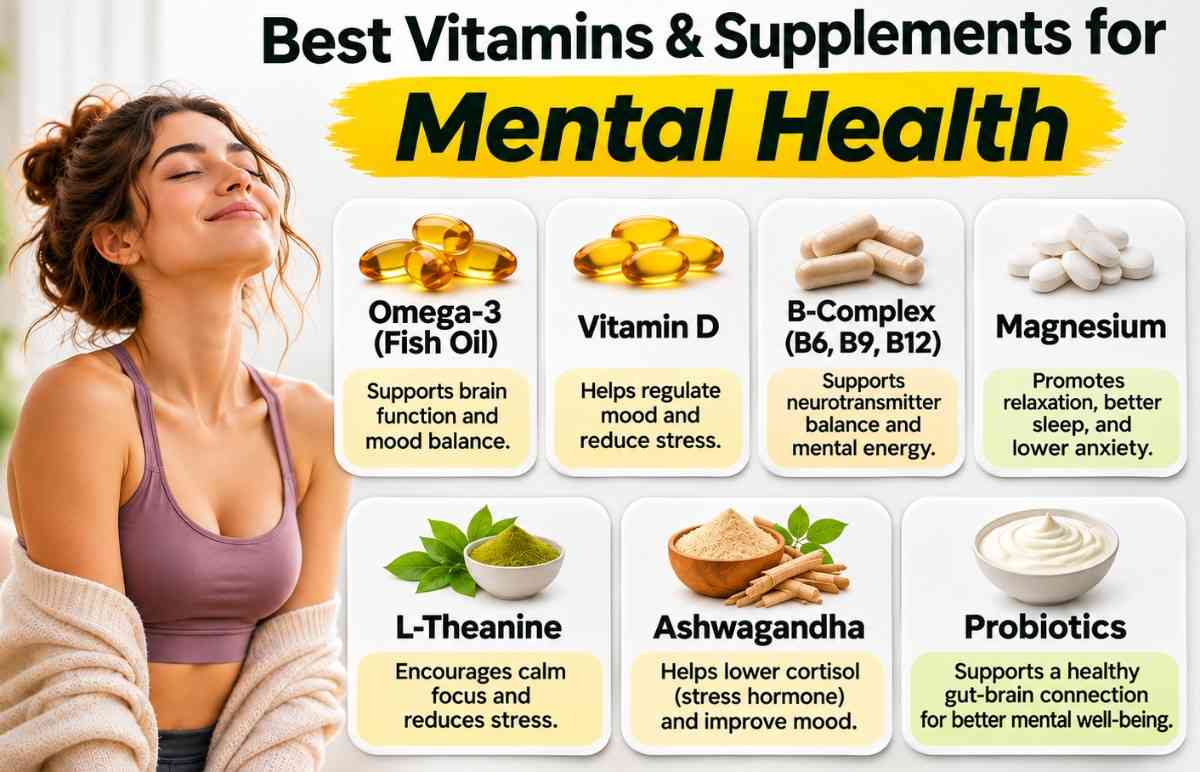
Mental health plays an important role in how we think, feel, behave, and handle everyday challenges. Factors such as stress, poor sleep, nutritional deficiencies, hormonal changes, and lifestyle habits can affect emotional well-being. While a balanced diet is essential for overall health, certain vitamins and nutrients also support normal brain function, nerve health, and the body’s processes involved in mood regulation.
This is why vitamins and supplements for mental health have become an increasingly popular topic. Nutrients such as vitamin D, vitamin B12, folate, magnesium, zinc, and omega-3 fatty acids are particularly important for brain health.
However, taking supplements does not automatically improve mood or treat mental health conditions. Their benefits may be more noticeable in people who have a nutritional deficiency or inadequate dietary intake.
In this guide, we explore the best vitamins and supplements for mental health, their potential benefits, food sources, possible side effects, and how to use them safely.
How Do Vitamins and Nutrients Affect Mental Health?
The brain requires several vitamins, minerals, healthy fats, and other nutrients to function properly. These nutrients participate in important processes, including:
- Brain function: Certain vitamins support normal communication between brain cells.
- Nervous system health: B vitamins help maintain healthy nerve function.
- Neurotransmitter production: Nutrients such as vitamin B6 and folate participate in processes involved in producing brain chemicals.
- Energy production: Vitamin B12 and other B vitamins help the body convert food into usable energy.
- Brain cell protection: Antioxidant nutrients help protect cells from oxidative damage.
- Normal brain development: Omega-3 fatty acids play important roles in brain structure and function.
Nutritional deficiencies can sometimes contribute to symptoms such as fatigue, difficulty concentrating, and changes in mood. Correcting an identified deficiency may support overall well-being, but it does not replace appropriate mental health treatment.
10 Best Vitamins & Supplements for Mental Health
The following vitamins and supplements are involved in brain and nervous system health. Some have been studied for their potential role in depression, while others are primarily important for correcting nutritional deficiencies.
1. Vitamin D
Vitamin D is an essential nutrient that supports bone health, immune function, and several processes in the brain. Vitamin D receptors are present in brain regions that may be involved in mood regulation.
Low vitamin D levels have been associated with depression in observational studies. However, clinical trials have not consistently shown that vitamin D supplements prevent or treat depression.
Potential benefits of vitamin D for mental health:
- Supports normal brain and nervous system function.
- Helps maintain healthy nerve cells.
- Supports normal immune system function.
- Correcting vitamin D deficiency may improve overall health and well-being.
- May be relevant to people with low vitamin D levels and depressive symptoms, although a direct antidepressant benefit is not established.
Natural food sources: Fatty fish, egg yolks, fortified milk, fortified cereals, and UV-exposed mushrooms.
Supplement tip: Vitamin D3 supplements are commonly used when dietary intake or sunlight exposure is insufficient. A healthcare professional can recommend an appropriate dose based on your needs and blood test results.
2. Vitamin B12
Vitamin B12 is one of the most important nutrients for the nervous system. It helps maintain healthy nerve cells, supports red blood cell production, and contributes to DNA synthesis.
A vitamin B12 deficiency can cause tiredness, weakness, memory problems, difficulty concentrating, and neurological symptoms. Some people may also experience mood changes.
People following vegan or vegetarian diets, older adults, and individuals with certain digestive conditions may have a higher risk of vitamin B12 deficiency.
Potential benefits of vitamin B12 for mental health:
- Supports healthy brain and nerve function.
- Helps maintain normal neurological function.
- Supports the production of healthy red blood cells.
- Helps prevent neurological complications associated with B12 deficiency.
- May improve fatigue and concentration problems caused by deficiency.
Natural food sources: Fish, eggs, milk, yogurt, cheese, chicken, meat, and fortified plant-based milk.
Supplement tip: Vitamin B12 supplements are available as tablets, capsules, and other formulations. People with diagnosed deficiency may require higher doses or medical treatment depending on its cause.
3. Vitamin B6
Vitamin B6, also known as pyridoxine, is involved in more than 100 enzyme reactions in the body. It plays an important role in protein metabolism, nervous system function, and the production of neurotransmitters.
Neurotransmitters are chemical messengers that help brain cells communicate. Vitamin B6 participates in the production of serotonin, dopamine, and gamma-aminobutyric acid (GABA).
However, taking extra vitamin B6 does not necessarily increase these brain chemicals or improve mood in people who already get enough of the nutrient.
Potential benefits of vitamin B6 for mental health:
- Supports normal neurotransmitter production.
- Helps maintain healthy nervous system function.
- Supports normal brain development and function.
- Helps the body process proteins.
- Prevents neurological problems associated with vitamin B6 deficiency.
Natural food sources: Chickpeas, bananas, potatoes, poultry, fish, fortified cereals, and nuts.
Supplement tip: Avoid taking high doses of vitamin B6 for long periods. Excessive supplementation can cause peripheral neuropathy, including numbness, tingling, and nerve damage.
4. Folate (Vitamin B9)
Folate is a B vitamin that supports DNA production, cell division, and red blood cell formation. It also participates in biochemical processes involved in neurotransmitter production.
Low folate levels have been associated with depression in some studies. However, this does not prove that folate supplements can treat depression in everyone.
Folate is particularly important during pregnancy because it supports the development of the baby’s brain and spinal cord.
Potential benefits of folate for mental health:
- Supports normal brain and nervous system function.
- Participates in neurotransmitter-related metabolic processes.
- Helps maintain healthy red blood cells.
- Supports normal cell growth and DNA synthesis.
- Correcting folate deficiency may help address related health symptoms.
Natural food sources: Spinach, broccoli, asparagus, lentils, beans, oranges, avocado, and fortified grains.
Supplement tip: Folic acid is the common supplemental form of folate. People considering high-dose folic acid should consult a healthcare professional because excessive folic acid can hide the signs of vitamin B12 deficiency.
5. Omega-3 Fatty Acids
Omega-3 fatty acids are essential fats that play an important role in brain structure and function. Two important omega-3s are EPA (eicosapentaenoic acid) and DHA (docosahexaenoic acid).
DHA is an important component of brain cell membranes, while EPA has been studied for its potential role in supporting people with depression.
Some research suggests that omega-3 supplements may provide additional benefits when used alongside conventional depression treatment. However, the overall evidence remains mixed, and they should not replace prescribed medication.
Potential benefits of omega-3 fatty acids for mental health:
- Support normal brain structure and function.
- Help maintain healthy brain cell membranes.
- Support normal nervous system function.
- May provide additional benefits in some people with depression when used alongside treatment.
- Help maintain overall cardiovascular and metabolic health.
Natural food sources: Salmon, sardines, mackerel, tuna, flaxseeds, chia seeds, walnuts, and soybean oil.
Supplement tip: Fish oil and algae-based supplements are common sources of omega-3 fatty acids. Check the EPA and DHA content rather than looking only at the total fish oil amount.
6. Magnesium
Magnesium is an essential mineral involved in hundreds of biochemical reactions. It supports muscle and nerve function, energy production, and normal nervous system activity.
It also participates in processes involved in regulating nerve signalling. Some studies have investigated magnesium supplements for stress, anxiety, and depressive symptoms, but the evidence is not strong enough to consider magnesium an established treatment for these conditions.
Potential benefits of magnesium for mental health:
- Supports normal nerve signalling.
- Helps maintain healthy nervous system function.
- Supports normal energy production.
- Contributes to healthy muscle function and relaxation.
- Helps correct symptoms associated with magnesium deficiency.
Natural food sources: Pumpkin seeds, almonds, spinach, black beans, whole grains, cashews, and dark chocolate.
Supplement tip: Magnesium glycinate, citrate, and other forms are available. Supplements can cause diarrhea and abdominal discomfort. People with kidney disease should seek medical advice before using magnesium supplements.
7. Zinc
Zinc is an essential mineral involved in immune function, cell growth, wound healing, and normal brain function.
It also participates in communication between nerve cells. Researchers have investigated the relationship between zinc levels and depression, but evidence that zinc supplementation improves depression symptoms remains limited.
Potential benefits of zinc for mental health:
- Supports normal brain and nervous system function.
- Helps maintain healthy immune function.
- Participates in normal cellular processes.
- Supports normal growth and development.
- Helps prevent health problems associated with zinc deficiency.
Natural food sources: Pumpkin seeds, beans, chickpeas, dairy products, eggs, meat, seafood, and nuts.
Supplement tip: Zinc supplements may be useful for people with inadequate zinc intake or diagnosed deficiency. Taking too much zinc can cause nausea and interfere with copper absorption.
8. Probiotics
Probiotics are live microorganisms that can provide health benefits when consumed in adequate amounts. They are commonly found in fermented foods and certain dietary supplements.
Researchers are studying the gut-brain connection, which describes communication between the digestive system and the brain.
Some clinical studies suggest that certain probiotic strains may have potential as complementary support for depressive symptoms. However, results vary depending on the strains, products, and individuals studied.
Potential benefits of probiotics for mental health:
- Support a healthy balance of gut microorganisms.
- Help maintain digestive health.
- Support normal gut barrier function.
- May influence communication between the gut and brain.
- Certain strains are being studied for their potential effects on mood.
Natural food sources: Yogurt containing live cultures, kefir, certain fermented vegetables, and other fermented foods.
Supplement tip: Different probiotic strains have different effects. Choose products that identify their strains and discuss their suitability with a healthcare professional, particularly if you have a weakened immune system.
9. Iron
Iron is an essential mineral required to produce hemoglobin, a protein in red blood cells that carries oxygen throughout the body.
The brain needs a continuous supply of oxygen to function properly. Iron also participates in several processes involved in brain development and neurotransmitter metabolism.
Iron deficiency can lead to anemia, fatigue, weakness, headaches, and difficulty concentrating. These symptoms may affect daily functioning and emotional well-being.
Potential benefits of adequate iron for mental health:
- Supports oxygen delivery to the brain and other tissues.
- Helps maintain normal cognitive function.
- Supports energy production.
- Contributes to normal brain development.
- Helps address fatigue and concentration difficulties caused by iron deficiency.
Natural food sources: Lentils, beans, spinach, tofu, red meat, poultry, and iron-fortified cereals.
Supplement tip: Iron supplements should generally be taken when deficiency is confirmed or supplementation is medically recommended. Excess iron can be harmful, so avoid taking it unnecessarily.
10. Choline
Choline is an essential nutrient involved in brain development, cell membrane structure, and normal nervous system function.
It is needed to produce acetylcholine, a neurotransmitter involved in memory, learning, and muscle control.
Although choline is important for brain health, there is currently insufficient evidence to recommend choline supplements as a treatment for depression, anxiety, or other mental health conditions.
Potential benefits of choline for mental health:
- Supports normal brain development.
- Helps produce acetylcholine.
- Contributes to normal nerve signalling.
- Supports cell membrane structure.
- Plays a role in memory-related processes.
Natural food sources: Eggs, fish, chicken, beef, soybeans, broccoli, and dairy products.
Supplement tip: Most people can obtain choline through a balanced diet. High supplemental amounts may cause unpleasant body odor, sweating, digestive symptoms, and low blood pressure.
Top Vitamins and Supplements for Mental Health at a Glance
| Vitamin or supplement | Main role in the body | Evidence for mental health |
|---|---|---|
| Vitamin D | Brain and immune function | Mixed; deficiency correction is important |
| Vitamin B12 | Nerve health and red blood cells | Important when deficient |
| Vitamin B6 | Neurotransmitter metabolism | Important for normal function |
| Folate (B9) | DNA and neurotransmitter-related processes | Some evidence; not a standalone treatment |
| Omega-3 | Brain cell membranes | Mixed evidence for depression |
| Magnesium | Nerve signalling and muscle function | Limited evidence |
| Zinc | Brain and immune function | Emerging but limited evidence |
| Probiotics | Gut health and gut-brain communication | Promising but strain-specific |
| Iron | Oxygen transport and brain metabolism | Important when deficient |
| Choline | Acetylcholine production | Insufficient treatment evidence |
Which Supplement Has the Best Evidence for Mental Health?
There is no single vitamin or supplement that works best for everyone.
The evidence depends on the nutrient, the mental health condition, the person’s nutritional status, and whether the supplement is used alone or alongside conventional treatment.
Some important distinctions include:
- Omega-3 fatty acids: Have been studied as an additional treatment for depression, but findings remain mixed.
- Vitamin D: Correcting deficiency is important for general health, but supplementation has not consistently improved depression in clinical trials.
- Vitamin B12: Particularly important for people with deficiency, which can cause neurological and cognitive symptoms.
- Folate: Some research supports its use as an additional treatment in selected people, but high-dose supplementation requires medical supervision.
- Magnesium: Although essential for nerve function, there is insufficient evidence to recommend it as a treatment for depression or anxiety.
- Probiotics: Some specific strains show potential, but more research is needed.
The most sensible approach is to identify nutritional gaps rather than take multiple supplements without knowing whether they are needed.
Best Vitamins for Anxiety and Stress
Anxiety and stress can affect sleep, concentration, energy levels, and daily activities. Certain nutrients support normal nervous system function, but none should be considered a proven cure for anxiety.
Some nutrients commonly discussed in relation to anxiety and stress include:
- Magnesium: Supports normal nerve and muscle function.
- Vitamin B6: Participates in the production of neurotransmitters.
- Vitamin B12: Helps maintain healthy nerve function.
- Vitamin D: Supports normal brain and immune function.
- Omega-3 fatty acids: Support brain cell structure and function.
If anxiety is persistent, severe, or interfering with everyday life, professional assessment and evidence-based treatment are more appropriate than relying on supplements.
Best Vitamins for Depression and Low Mood
Depression is a complex mental health condition influenced by biological, psychological, social, and environmental factors.
Nutritional deficiencies may contribute to certain symptoms, but they are not the only cause of depression.
Nutrients that have been studied in relation to depression include:
- Vitamin D: Low levels have been associated with depression, although supplementation has not consistently improved symptoms.
- Vitamin B12: Deficiency can cause neurological and cognitive problems.
- Folate: Low folate status has been associated with depression in some studies.
- Omega-3 fatty acids: EPA-rich supplements have been investigated as an add-on to conventional treatment.
- Zinc: Has been studied as an additional treatment, but more evidence is needed.
Anyone experiencing persistent sadness, hopelessness, loss of interest, or other symptoms of depression should seek professional help.
Signs You May Have a Nutritional Deficiency Affecting Mental Well-Being
Nutritional deficiencies do not always cause obvious symptoms. However, certain changes may indicate that your body is not getting enough essential nutrients.
Possible warning signs include:
- Persistent Fatigue: Feeling unusually tired even after adequate rest.
- Difficulty Concentrating: Having trouble focusing on everyday tasks.
- Memory Problems: Experiencing unusual forgetfulness or difficulty remembering information.
- Low Mood: Experiencing changes in mood alongside other physical symptoms.
- Muscle Weakness: Feeling physically weak or experiencing reduced stamina.
- Tingling or Numbness: Experiencing unusual sensations in the hands or feet, which can occur with vitamin B12 deficiency.
- Pale Skin: Sometimes associated with iron-deficiency anemia.
- Poor Sleep: Experiencing sleep disturbances, which can have many possible causes.
- Reduced Appetite: Noticing changes in eating habits.
- Frequent Illness: Experiencing repeated infections, which may have several possible explanations.
These symptoms are not specific to nutritional deficiencies. A healthcare professional may recommend blood tests based on your symptoms, diet, medical history, and risk factors.
Foods That Naturally Support Brain and Mental Health
Supplements are not the only way to obtain nutrients. A varied, balanced diet can provide many of the vitamins, minerals, and healthy fats needed for normal brain function.
1. Fatty Fish:
Salmon, sardines, and mackerel provide omega-3 fatty acids, including EPA and DHA, which support normal brain function.
2. Leafy Green Vegetables:
Spinach, kale, and broccoli provide folate, magnesium, and other nutrients that support overall health.
3. Eggs:
Eggs contain vitamin B12, choline, protein, and other nutrients important for normal brain and nervous system function.
4. Nuts and Seeds:
Walnuts, almonds, pumpkin seeds, and chia seeds provide healthy fats, magnesium, zinc, and other essential nutrients.
5. Beans and Lentils:
Beans, chickpeas, and lentils provide folate, iron, magnesium, and plant-based protein.
6. Yogurt and Fermented Foods:
Yogurt with live cultures and certain fermented foods can provide beneficial microorganisms that support digestive health.
Side Effects of Taking Mental Health Supplements
Although vitamins and supplements are often available without a prescription, they are not automatically safe for everyone.
Taking unnecessary or excessive amounts can cause health problems.
Common potential side effects include:
- Vitamin D: Excessive intake can cause high blood calcium levels, nausea, weakness, kidney problems, and confusion.
- Vitamin B12: Generally well tolerated, but unnecessary supplementation may not provide additional benefits.
- Vitamin B6: High doses over time can cause nerve damage and peripheral neuropathy.
- Folate: Excessive folic acid can hide signs of vitamin B12 deficiency.
- Omega-3: May cause fishy aftertaste, nausea, and digestive discomfort. High doses require medical advice, particularly when taking blood-thinning medication.
- Magnesium: Supplements may cause diarrhea, nausea, and abdominal cramps.
- Zinc: Excessive intake can cause nausea, vomiting, and copper deficiency.
- Probiotics: May cause gas and bloating. Serious infections are possible in some people with severely weakened immune systems.
- Iron: Can cause constipation, nausea, abdominal discomfort, and iron overload.
- Choline: Excessive amounts can cause sweating, low blood pressure, and a fishy body odor.
Always follow professional advice and the recommended supplement label instructions.
Who May Benefit From Mental Health Supplements?
Some people may need additional nutritional support because of dietary restrictions, medical conditions, or an increased risk of nutritional deficiencies.
People who may benefit from a nutritional assessment include:
- Vegetarians and Vegans: May have a higher risk of vitamin B12 deficiency if they do not consume fortified foods or supplements.
- Older Adults: May have difficulty absorbing vitamin B12 and other nutrients.
- People With Limited Sun Exposure: May be at greater risk of vitamin D deficiency.
- People With Digestive Disorders: Certain digestive conditions can affect nutrient absorption.
- People With Heavy Menstrual Bleeding: May have an increased risk of iron deficiency.
- People Following Restrictive Diets: May not obtain adequate amounts of essential vitamins and minerals.
- Pregnant and Breastfeeding Women: Have specific nutritional requirements and should discuss supplements with their healthcare providers.
How to Choose the Right Mental Health Supplement
Choosing supplements requires more than simply purchasing a product labelled for brain health or mood support.
Consider these factors before starting:
- Identify Nutritional Deficiencies: Discuss appropriate blood tests with a healthcare professional.
- Check the Ingredients: Look for clearly listed ingredients and amounts.
- Avoid Excessive Doses: More vitamins do not necessarily mean better health.
- Choose Quality Products: Look for reputable manufacturers and independent quality testing where available.
- Check Medication Interactions: Some supplements can interfere with prescription medicines.
- Consider Your Dietary Needs: Choose supplements that address actual nutritional gaps.
- Follow Professional Advice: Ask a qualified healthcare professional about the appropriate supplement and dosage.
Can Vitamins and Supplements Replace Mental Health Treatment?
No. Vitamins and supplements cannot replace professional mental health treatment.
Conditions such as depression, anxiety disorders, bipolar disorder, and other psychiatric conditions may require psychotherapy, medication, or a combination of treatments.
Supplements may sometimes be considered as additional nutritional support, but their effectiveness depends on the individual and the available scientific evidence.
If you are already taking antidepressants or other psychiatric medications, speak with your healthcare provider before adding supplements. Some natural products can interact with medications and cause serious complications.
For example, St. John’s wort is an herbal supplement sometimes promoted for depression, but it can interact dangerously with several prescription medicines, including antidepressants.
7 Lifestyle Habits That Support Mental Health
Along with adequate nutrition, everyday habits can contribute to better emotional and psychological well-being.
- Eat a Balanced Diet: Include fruits, vegetables, whole grains, legumes, nuts, seeds, and healthy protein sources.
- Get Enough Sleep: Maintain a consistent sleeping schedule and aim for sufficient rest.
- Exercise Regularly: Walking, cycling, swimming, and other physical activities can support emotional well-being.
- Manage Daily Stress: Try relaxation techniques, meditation, breathing exercises, or enjoyable hobbies.
- Stay Socially Connected: Spend time with friends, family, and supportive people.
- Limit Alcohol: Excessive alcohol consumption can negatively affect sleep and mental health.
- Seek Professional Support: Consider speaking with a mental health professional if emotional difficulties persist.
FAQ’s
Which vitamin deficiency is linked to depression?
Vitamin D, vitamin B12, and folate deficiencies have been associated with depression. However, these deficiencies are not the only causes of depression.
Does vitamin B12 improve mental health?
Vitamin B12 supports healthy nerve function and brain health. Correcting a B12 deficiency may improve related neurological and cognitive symptoms.
Can magnesium help with anxiety?
Magnesium supports normal nervous system function. Some studies suggest potential benefits for anxiety, but more high-quality research is needed.
Does vitamin D help with depression?
Low vitamin D levels have been associated with depression. However, vitamin D supplementation has not consistently been shown to treat depression in clinical trials.
Can omega-3 supplements improve brain health?
Yes. Omega-3 fatty acids, particularly DHA, support brain cell structure and normal brain function. Some research also suggests potential benefits of EPA-rich supplements as an additional treatment for depression.
Is it safe to take multiple supplements for mental health?
Not always. Combining supplements can cause excessive nutrient intake and medication interactions. Consult a healthcare professional before taking multiple supplements.
How long do mental health supplements take to work?
The time varies depending on the supplement, individual health, and nutritional deficiency. Correcting certain deficiencies may take several weeks or months.
Can multivitamins improve mood and concentration?
Multivitamins may help address nutritional gaps, but there is insufficient evidence that they consistently improve mood or concentration in people without deficiencies.
Can vitamin deficiencies cause mood swings?
Certain nutritional deficiencies, including vitamin B12 and folate deficiencies, may contribute to neurological symptoms and mood changes. However, mood swings can have many other causes.
Should I take supplements for anxiety or depression?
You should consult a healthcare professional before starting supplements. They can help identify nutritional deficiencies and recommend appropriate treatment alongside any necessary mental healthcare.
Should I take supplements for anxiety or depression without a doctor’s advice?
No. Speak with a healthcare professional before starting supplements, particularly if you have a diagnosed mental health condition or take prescription medication.
Which vitamin stops overthinking?
No single vitamin can stop overthinking, but vitamin B12, vitamin D, and magnesium support normal brain and nervous system function. Correcting nutritional deficiencies may help with related symptoms, but persistent overthinking or anxiety may require professional support.
Final Thoughts
Vitamins and supplements can play an important role in maintaining normal brain function and nervous system health. Nutrients such as vitamin B12, vitamin D, folate, omega-3 fatty acids, magnesium, and zinc are particularly important for overall health.
However, supplements are not a guaranteed solution for anxiety, depression, stress, or other mental health conditions. Their potential benefits depend on individual nutritional needs, deficiencies, and medical circumstances.
The best starting point is to follow a balanced diet, maintain healthy lifestyle habits, identify possible nutritional deficiencies, and seek professional advice before taking supplements. Good nutrition can support mental well-being, but proper mental healthcare remains equally important.
Sources / References:
Disclaimer:
This article is for educational purposes only and should not replace professional medical advice, diagnosis, or treatment. Consult a qualified healthcare professional before taking supplements, especially if you have a medical condition or use prescription medication.
Also Read: