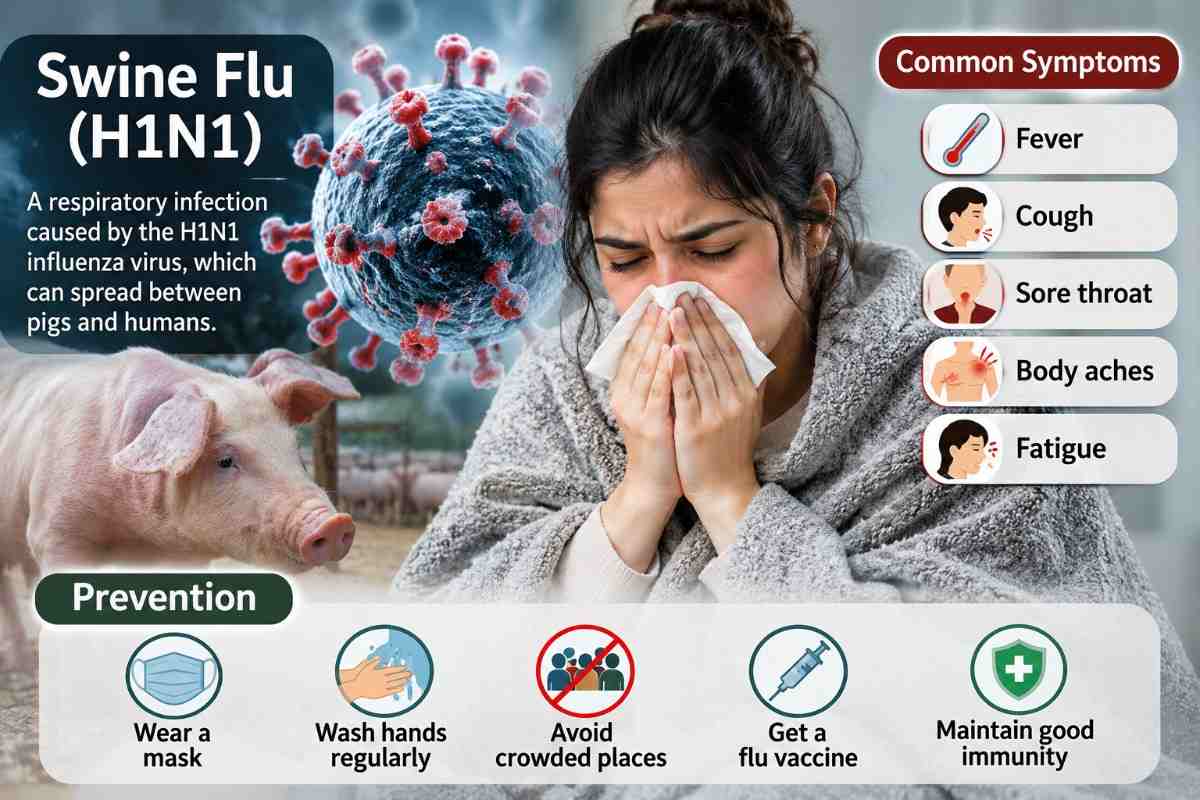
Swine flu is a contagious respiratory infection caused by certain influenza viruses. It became widely known after the 2009 H1N1 influenza pandemic, which spread across many countries and affected millions of people. Although the virus was initially associated with pigs, the H1N1 strain responsible for the 2009 pandemic became capable of spreading easily from person to person.
Today, H1N1 is one of the seasonal influenza A viruses that circulates among humans. Many people recover within a week or two, but swine flu can sometimes cause serious complications, particularly in young children, older adults, pregnant women, and people with certain underlying health conditions.
In this guide, we will explain what swine flu is, its common symptoms, causes, treatment options, prevention tips, and possible complications.
What Is Swine Flu?
Swine flu is a respiratory illness caused by influenza viruses that originally circulated in pigs. The term is commonly used for the H1N1 influenza A virus associated with the 2009 pandemic.
The virus primarily affects the nose, throat, and lungs. Like other types of influenza, it can spread through respiratory droplets and smaller airborne particles released when an infected person coughs, sneezes, talks, or breathes.
Although the original pandemic strain emerged in 2009, an evolved version of that H1N1 virus continues to circulate in humans as part of seasonal influenza.
Swine flu is not limited to people who have contact with pigs. Most human infections spread from one person to another.
What Causes Swine Flu?
Swine flu is caused by influenza A viruses, particularly the H1N1 subtype.
Influenza viruses can change over time through genetic mutations and the mixing of genetic material from different influenza strains. These changes can allow new variants to emerge and sometimes spread more easily among humans.
The infection usually spreads through:
- Respiratory droplets: When an infected person coughs, sneezes, or talks.
- Airborne particles: Smaller infectious particles can remain suspended in the air, especially in crowded or poorly ventilated spaces.
- Contaminated hands: Touching respiratory secretions and then touching the eyes, nose, or mouth can contribute to infection.
- Close contact: Spending time near someone who is infected increases the possibility of exposure.
Eating properly cooked pork or pork products does not cause swine flu. The virus is not transmitted through eating pork.
Common Symptoms of Swine Flu
Swine flu symptoms are similar to those of seasonal influenza. They can appear suddenly, often within one to four days after exposure to the virus.
Some people experience mild symptoms, while others develop more serious respiratory illness.
Common symptoms include:
- Fever: A high temperature or feeling feverish, although not everyone develops a fever.
- Cough: A dry or persistent cough that may become uncomfortable.
- Sore Throat: Pain, irritation, or difficulty swallowing.
- Runny or Stuffy Nose: Nasal congestion, sneezing, and excess mucus.
- Body Aches: Muscle pain and discomfort throughout the body.
- Headache: Mild to severe headaches that may occur with fever.
- Chills: Feeling unusually cold or experiencing shivering.
- Fatigue: Extreme tiredness, weakness, or lack of energy.
- Vomiting: Some infected individuals experience nausea or vomiting.
- Diarrhea: Digestive symptoms can occur, particularly in children.
Not everyone experiences all these symptoms. Some people may have an infection without developing a noticeable fever.
Early Warning Signs of Swine Flu
Recognizing early symptoms can help people take precautions and seek medical advice when necessary.
Early warning signs may include:
- Sudden fever or chills.
- Unusual tiredness and weakness.
- Headache and muscle pain.
- Dry cough or throat irritation.
- Runny nose or nasal congestion.
- Loss of appetite.
- Feeling generally unwell.
These symptoms can resemble the common cold, COVID-19, and other respiratory infections. Therefore, symptoms alone cannot reliably confirm swine flu.
People at higher risk of complications should contact a healthcare professional early rather than waiting for symptoms to become severe.
How Does Swine Flu Spread?
Swine flu spreads mainly through respiratory particles released by an infected person.
When someone with the infection coughs, sneezes, speaks, or breathes, infectious particles can enter the air. Another person may become infected by inhaling these particles or through contact with contaminated respiratory secretions.
The infection can spread more easily in places such as:
- Schools and colleges.
- Offices and workplaces.
- Public transportation.
- Crowded indoor gatherings.
- Hospitals and healthcare facilities.
- Homes where family members live together.
An infected person may spread the virus starting about one day before symptoms develop and generally for five to seven days after becoming sick. Children and people with weakened immune systems may remain contagious for longer.
How Long Does Swine Flu Last?
Most people with uncomplicated swine flu recover within several days to two weeks.
However, recovery time varies depending on age, immune health, the severity of the infection, and whether complications develop.
| Stage | What You May Experience |
|---|---|
| Days 1–2 | Sudden fever, chills, headache, and body aches |
| Days 3–4 | Cough, sore throat, congestion, and fatigue |
| Days 5–7 | Fever often improves, but weakness may continue |
| Days 7–10 | Most symptoms gradually become milder |
| Up to 2 weeks | Recovery continues; cough and tiredness may remain |
This is a general pattern, not a fixed timeline. Seek medical advice if symptoms worsen, fever persists, or breathing becomes difficult.
Who Is at Higher Risk of Swine Flu?
Anyone can get swine flu, including otherwise healthy individuals. However, certain groups are more likely to develop serious complications.
People who need extra attention include:
- Young Children: Children under five years, particularly those younger than two, have a higher risk of flu complications.
- Older Adults: People aged 65 and above may have weaker immune responses and a greater risk of severe illness.
- Pregnant Women: Pregnancy increases the risk of serious influenza complications.
- People With Asthma: Influenza can worsen asthma symptoms and other chronic respiratory conditions.
- People With Diabetes: Diabetes can make it more difficult for the body to manage infections.
- People With Heart Disease: Influenza may worsen existing cardiovascular conditions.
- People With Weakened Immune Systems: Individuals receiving chemotherapy or taking immune-suppressing medications may be more vulnerable.
- People With Chronic Lung Disease: Conditions such as COPD can increase the risk of breathing complications.
If someone in these groups develops flu-like symptoms, early medical evaluation is particularly important.
Serious Complications of Swine Flu
Most people recover without developing serious health problems. However, influenza can sometimes affect the lungs and other organs, particularly in vulnerable individuals.
Possible complications include:
- Pneumonia: An infection that causes inflammation in the lungs and may make breathing difficult.
- Bronchitis: Inflammation of the airways that can lead to persistent coughing and chest discomfort.
- Respiratory Failure: Severe lung inflammation may prevent the body from receiving enough oxygen.
- Dehydration: Fever, vomiting, and reduced fluid intake can cause significant fluid loss.
- Worsening of Asthma: Influenza can trigger asthma attacks and breathing difficulties.
- Heart Complications: Flu can increase the risk of cardiovascular complications, including inflammation of the heart muscle.
- Sinus and Ear Infections: Secondary infections may develop during or after influenza.
- Sepsis: In rare cases, a severe infection can trigger a dangerous whole-body response.
Early treatment and medical attention can help reduce the risk of serious complications.
How Is Swine Flu Diagnosed?
A healthcare professional may suspect swine flu based on symptoms, medical history, exposure, and the spread of influenza in the community.
However, symptoms alone cannot confirm the specific influenza strain.
Common diagnostic methods include:
- Rapid Influenza Diagnostic Test: A respiratory sample is tested to identify influenza viral antigens. Results are usually available quickly, although these tests may miss some infections.
- Molecular Tests: These tests detect influenza viral genetic material and are generally more sensitive than rapid antigen tests.
- RT-PCR Test: Reverse transcription polymerase chain reaction can identify influenza viruses and help determine the specific influenza type or subtype.
- Respiratory Sample Testing: A healthcare professional may collect a nasal or throat swab for laboratory analysis.
Testing decisions depend on the patient’s symptoms, risk factors, and whether identifying the virus would change treatment.
Treatment for Swine Flu
There is no single treatment that instantly cures swine flu. Treatment generally focuses on controlling symptoms, supporting recovery, and preventing complications.
Most people with uncomplicated influenza can recover at home. However, individuals with severe symptoms or a higher risk of complications may need prescription antiviral medication.
1. Antiviral Medications
Doctors may prescribe antiviral medications to treat influenza.
Common prescription antiviral medicines include:
- Oseltamivir: An oral antiviral medicine commonly used to treat influenza.
- Zanamivir: An inhaled antiviral medication used in certain patients.
- Peramivir: An antiviral medication administered through an intravenous injection.
- Baloxavir: An oral antiviral medicine used for certain influenza infections.
These medications work against influenza viruses rather than bacteria. They are most effective when started early, ideally within 48 hours after symptoms begin.
People who are hospitalized, have severe or progressive illness, or are at increased risk of complications may need antiviral treatment even when more than 48 hours have passed.
Never start prescription antiviral medication without medical advice.
2. Fever and Pain Management
Fever, headache, and muscle aches can make everyday activities uncomfortable.
A healthcare professional may recommend appropriate fever- or pain-relieving medication based on the patient’s age and medical history.
Children and teenagers should not be given aspirin for influenza because of the risk of Reye’s syndrome.
3. Rest and Recovery
Adequate rest helps the body recover from an infection.
Avoid strenuous exercise and unnecessary physical activity while experiencing fever, significant weakness, or other flu symptoms.
4. Drink Enough Fluids
Fever and sweating can increase fluid loss.
Drink water, soups, and other suitable fluids throughout the day. People experiencing vomiting or diarrhea may need oral rehydration solutions.
5. Manage Cough and Congestion
Warm fluids, adequate hydration, and saline nasal sprays may help relieve certain respiratory symptoms.
For persistent or severe coughing, ask a healthcare professional about appropriate treatment.
6. Hospital Treatment for Severe Cases
People who develop serious breathing difficulties, pneumonia, dehydration, or other complications may require hospital care.
Treatment may include oxygen support, intravenous fluids, antiviral medication, and other supportive medical interventions.
Home Care Tips for Swine Flu
If symptoms are mild and a healthcare professional recommends home recovery, a few practical steps can make the illness easier to manage.
- Get Enough Sleep: Give your body sufficient time to rest and recover.
- Drink Warm Fluids: Warm water, soup, and other suitable beverages can soothe throat irritation.
- Eat Nutritious Foods: Choose balanced meals containing fruits, vegetables, protein, and other essential nutrients.
- Keep the Room Comfortable: Maintain a comfortable indoor temperature and ensure adequate ventilation.
- Avoid Smoking: Smoking and secondhand smoke can irritate the respiratory system.
- Monitor Your Temperature: Keep track of fever and notice whether symptoms are improving or worsening.
- Avoid Close Contact: Stay away from vulnerable family members while you are contagious.
- Follow Medical Advice: Take prescribed medicines according to your healthcare professional’s instructions.
Home remedies may provide comfort, but they do not eliminate the influenza virus.
How to Prevent Swine Flu
Prevention is important because influenza can spread quickly, particularly in crowded environments.
The following measures can help reduce your risk:
- Get an Annual Flu Vaccine: Seasonal influenza vaccination is the most effective way to reduce the risk of influenza and severe complications. Ask a healthcare professional which vaccine is appropriate for your age and location.
- Wash Your Hands Regularly: Use soap and water, particularly after coughing, sneezing, or visiting public places.
- Avoid Close Contact With Sick People: Maintain distance from individuals experiencing flu symptoms whenever possible.
- Wear a Mask When Appropriate: A well-fitting mask can help reduce exposure and transmission, particularly in crowded indoor environments.
- Cover Your Mouth and Nose: Use a tissue or your elbow when coughing or sneezing.
- Avoid Touching Your Face: Try not to touch your eyes, nose, and mouth with unwashed hands.
- Improve Indoor Ventilation: Open windows when practical and avoid poorly ventilated crowded spaces.
- Stay Home When Sick: Avoid unnecessary travel, school, and work while experiencing flu symptoms.
- Clean Frequently Touched Surfaces: Regularly clean objects such as phones, door handles, and shared equipment.
- Maintain General Health: Eat a balanced diet, exercise regularly when healthy, and get adequate sleep.
These measures can help reduce the spread of influenza, although no prevention method offers complete protection.
Is There a Vaccine for Swine Flu?
Yes. The H1N1 influenza strain that emerged during the 2009 pandemic became part of seasonal influenza circulation.
Modern seasonal influenza vaccines are updated periodically to protect against influenza strains expected to circulate. Depending on the vaccine formulation, they may include protection against an H1N1 influenza A strain.
Annual influenza vaccination is particularly important for pregnant women, young children, older adults, healthcare workers, and people with chronic medical conditions.
The vaccine does not guarantee that you will never catch influenza, but it can reduce the risk of severe illness and related complications.
When Should You See a Doctor?
Do not ignore flu symptoms that become severe or continue getting worse.
Seek medical attention if you experience:
- Persistent or worsening fever.
- Difficulty breathing or shortness of breath.
- Chest pain or pressure.
- Severe weakness or confusion.
- Persistent dizziness.
- Signs of dehydration, such as very little urination.
- Symptoms that improve but then return with a worse cough or fever.
Emergency warning signs in children include fast or difficult breathing, bluish or gray lips or skin, dehydration, unusual drowsiness, seizures, and severe muscle pain.
Pregnant women, young children, older adults, and people with chronic medical conditions should contact a healthcare professional promptly when flu symptoms develop.
Do not wait for an emergency symptom before seeking medical advice if you belong to a high-risk group.
Swine Flu vs. Seasonal Flu: What Is the Difference?
Swine flu and seasonal flu are closely related because both are caused by influenza viruses. However, the term swine flu has a specific historical association with influenza viruses originating in pigs.
| Feature | Swine Flu (Human H1N1) | Seasonal Flu |
|---|---|---|
| Virus | H1N1 influenza A | Influenza A or B |
| Origin | Originally associated with pigs | Human-circulating influenza viruses |
| Symptoms | Fever, cough, body aches, fatigue | Fever, cough, body aches, fatigue |
| Transmission | Person to person | Person to person |
| Severity | Mild to severe | Mild to severe |
| Treatment | Antiviral medicines when appropriate | Antiviral medicines when appropriate |
| Prevention | Seasonal flu vaccination and hygiene | Seasonal flu vaccination and hygiene |
The H1N1 strain responsible for the 2009 pandemic is now considered one of the seasonal influenza viruses circulating among humans.
One important distinction is that a variant influenza virus refers to an influenza virus that normally circulates in pigs but infects a person. These infections are different from ordinary seasonal H1N1 infections.
Can You Get Swine Flu From Eating Pork?
No. Properly handled and thoroughly cooked pork does not transmit swine flu.
The infection spreads mainly through respiratory particles from infected people. It is not a foodborne illness.
However, people who have direct contact with infected pigs or environments where pigs are kept may be exposed to variant influenza viruses. They should take appropriate precautions and seek medical advice if flu symptoms develop after such exposure.
Is Swine Flu Contagious?
Yes. Swine flu is contagious and can spread from an infected person to others through respiratory particles.
People may transmit the virus before they realize they are sick. This makes early precautions, such as staying home when ill, covering coughs, and improving ventilation, especially important.
FAQ’s
Can swine flu be cured completely?
Yes. Most people recover completely with supportive care. Antiviral medicines may help when prescribed by a doctor.
Is swine flu more dangerous than normal flu?
Not necessarily. Both can cause mild or severe illness, depending on the individual and their risk factors.
Can swine flu spread through food?
No. Properly cooked pork and pork products do not transmit swine flu.
Can swine flu cause pneumonia?
Yes. Severe influenza can cause viral pneumonia or lead to secondary bacterial pneumonia.
Can children get swine flu?
Yes. Children can develop swine flu, and those under five years, especially under two, have a higher risk of complications.
Can swine flu spread through kissing?
Yes. Close contact with an infected person can expose you to infectious respiratory particles.
How many days is swine flu contagious?
Adults can generally spread influenza from about one day before symptoms begin until five to seven days after becoming sick.
Can swine flu happen without fever?
Yes. Some people infected with influenza do not develop a fever but may experience cough, fatigue, sore throat, and body aches.
Can swine flu cause death?
Yes. Severe influenza infections can sometimes lead to pneumonia, respiratory failure, and other life-threatening complications, particularly in high-risk individuals.
Can antibiotics treat swine flu?
No. Antibiotics treat bacterial infections, not viral infections. Antiviral medications may be prescribed for influenza when appropriate.
Can you get swine flu twice?
Yes. Previous infection does not guarantee lifelong protection. Influenza viruses change over time, and people can become infected again.
Is swine flu the same as H1N1?
The term swine flu is commonly used for the H1N1 influenza A strain responsible for the 2009 pandemic. That strain subsequently became part of seasonal influenza circulation.
Can pregnant women get swine flu?
Yes. Pregnant women can develop influenza, and pregnancy increases the risk of serious complications. They should seek medical advice promptly if flu symptoms develop.
Does the swine flu vaccine provide lifelong protection?
No. Influenza viruses change over time, and vaccine protection decreases. Annual seasonal influenza vaccination is recommended.
What’s the difference between swine flu and COVID?
Swine flu is caused by the H1N1 influenza virus, while COVID-19 is caused by the SARS-CoV-2 virus.
Does swine flu still exist today?
Yes. H1N1 still circulates worldwide as a seasonal influenza virus.
Was H1N1 worse than COVID-19?
No. COVID-19 had a much greater overall global health impact than the 2009 H1N1 pandemic.
Final Thoughts
Swine flu is a contagious respiratory infection that deserves attention, even though most people recover without serious complications. Recognizing early symptoms, understanding how the virus spreads, and following appropriate prevention measures can help reduce the risk of infection.
Annual flu vaccination, good hand hygiene, proper ventilation, and avoiding close contact with sick individuals are important preventive steps. People at higher risk should seek medical advice early if symptoms appear.
Sources / References:
Disclaimer:
This article is for informational purposes only and should not replace professional medical advice, diagnosis, or treatment. Consult a qualified healthcare professional for medical concerns.
Also Read: