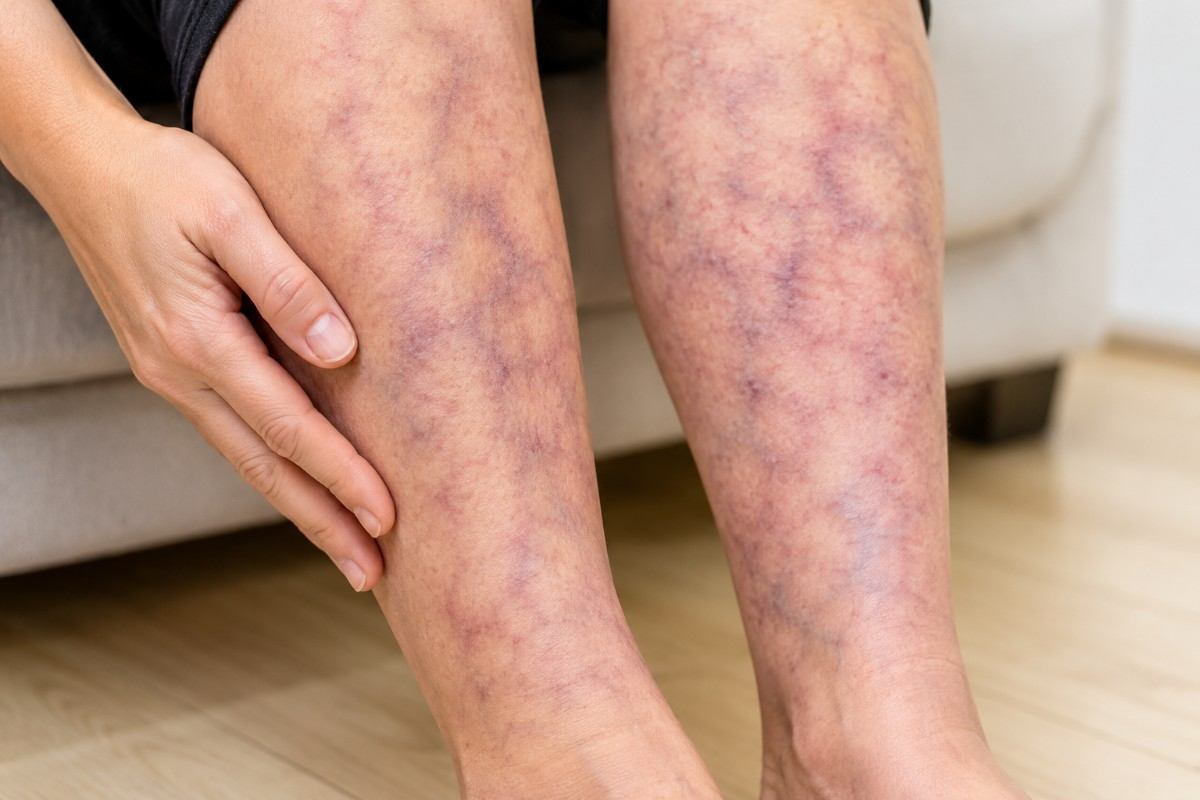
Mottled skin is a skin condition in which the skin develops uneven patches of color, often appearing reddish, purple, bluish, or pale. The patches may look like a net, lace, or marble-like pattern, especially on the legs, arms, or other areas of the body.
You may notice mottled skin when you feel cold, after spending time in a chilly environment, or when your skin’s blood circulation changes. In some cases, the pattern disappears once your body warms up. However, persistent mottling can sometimes be associated with an underlying medical condition.
Mottled skin can affect people of different ages, including babies, children, and adults. The appearance, location, and duration of the discoloration can help determine whether it is a temporary skin response or something that needs medical attention.
Understanding what causes mottled skin can help you recognize common triggers, know when to seek medical advice, and choose the right approach to care.
What Is Mottled Skin?
Mottled skin refers to an uneven, patchy appearance of the skin caused by changes in blood flow, blood vessels, or skin pigmentation.
It often appears as a reddish-purple or bluish pattern beneath the skin. The discoloration may form a network of irregular circles or patches, giving the skin a marbled appearance.
Mottled skin is sometimes called livedo when it develops a distinctive net-like pattern. One common type is livedo reticularis, which can become more noticeable in cold temperatures.
Mottled skin is a visual sign rather than a specific disease. It may be harmless and temporary, but in some people, it can be associated with circulation problems, autoimmune conditions, or other health concerns.
What Does Mottled Skin Look Like?
Mottled skin can look different depending on your skin tone, the cause, and how severe the discoloration is.
Common appearances include:
- Reddish or purple patches that form a net-like pattern.
- Bluish or grayish discoloration, particularly on the legs or arms.
- Uneven skin color that resembles marble.
- Pale areas surrounded by darker or reddish patches.
- Skin discoloration that becomes more visible in cold weather.
On darker skin tones, mottling may appear as purple, gray, brown, or darker patches rather than bright red. Checking the affected area in good lighting can help you notice changes.
Mottled skin may feel normal, or the affected area may feel cold. Some people also experience pain, swelling, tingling, or sensitivity, depending on the underlying cause.
What Causes Mottled Skin?
Mottled skin usually develops when blood flow through the small blood vessels near the skin’s surface changes. Several factors can cause this, ranging from temporary environmental changes to medical conditions.
1. Cold Weather
Cold temperatures are one of the most common causes of temporary mottled skin.
When your body gets cold, blood vessels near the skin’s surface narrow to help conserve heat. This can change the way blood flows through the skin, creating a reddish-purple or bluish pattern.
The discoloration often improves after you move to a warmer environment.
2. Poor Blood Circulation
Reduced circulation can affect how much oxygen-rich blood reaches your skin. This may cause discoloration, particularly in the hands, feet, legs, or other extremities.
Circulation problems may be associated with conditions such as peripheral artery disease or other blood vessel disorders.
If mottled skin occurs alongside persistent coldness, pain, numbness, or slow-healing wounds, seek medical advice.
3. Livedo Reticularis
Livedo reticularis is a medical term for a net-like pattern of reddish-blue or purple skin discoloration.
It often appears on the legs and becomes more noticeable in cold weather. Some cases are harmless and temporary, while others may be associated with underlying medical conditions.
4. Autoimmune Diseases
Certain autoimmune diseases can affect blood vessels and circulation, leading to mottled skin.
Examples include:
- Lupus
- Rheumatoid arthritis
- Dermatomyositis
- Sjögren syndrome
Mottled skin alone does not mean you have an autoimmune disease. Doctors consider other symptoms, medical history, and examination findings before making a diagnosis.
5. Blood Clotting Disorders
Some conditions affect how blood clots or flows through blood vessels. These may cause persistent or irregular skin discoloration.
One example is antiphospholipid syndrome, an autoimmune disorder that increases the risk of blood clots.
Mottled skin associated with painful sores, unusual swelling, or other circulation symptoms should be evaluated by a healthcare professional.
6. Certain Medications
Some medications may cause mottled skin as a side effect.
Examples reported in medical literature include amantadine, minocycline, quinidine, and certain chemotherapy medicines.
If you notice a new skin pattern after starting a medication, contact your doctor or pharmacist. Do not stop a prescribed medicine without medical advice.
7. Low Blood Pressure or Severe Illness
Mottled skin can sometimes occur when blood circulation becomes severely impaired, including during shock or serious infection.
In these situations, the skin may look pale, blue, gray, or patchy and may feel unusually cold.
Mottled skin accompanied by confusion, fainting, difficulty breathing, or severe weakness requires emergency medical attention.
8. Emotional Stress
Stress and emotional upset can sometimes cause blood vessels to narrow temporarily. This may contribute to changes in skin color, particularly in people who are sensitive to temperature or circulation changes.
If the discoloration happens frequently or does not resolve, a medical evaluation can help identify the cause.
Types of Mottled Skin
Mottled skin can be classified according to its appearance, duration, and underlying cause.
The following types are commonly discussed in relation to livedo and marbled skin.
| Type | Description |
|---|---|
| Cutis marmorata | Temporary, marbled skin discoloration, often triggered by cold |
| Primary livedo reticularis | Net-like discoloration without an identified underlying disease |
| Secondary livedo reticularis | Skin mottling associated with another medical condition |
| Livedo racemosa | Often a more persistent, irregular, broken net-like pattern that may be linked to an underlying disorder |
| Cutis marmorata telangiectatica congenita | A rare condition present from birth that causes persistent marbled discoloration and visible blood vessels |
These patterns can look similar. A doctor or dermatologist can help distinguish them based on the skin’s appearance, medical history, and any additional symptoms.
Symptoms of Mottled Skin
The main symptom is uneven skin color that forms a patchy, marbled, or net-like pattern.
Other symptoms may include:
- Reddish-purple, bluish, or grayish skin patches.
- Skin that feels colder than the surrounding area.
- Discoloration that becomes more noticeable in cold weather.
- Temporary changes in skin color that improve with warming.
- Tingling or numbness in the affected area.
- Pain or tenderness in some cases.
- Skin sores or ulcers when an underlying circulation problem is present.
The symptoms depend on the cause. Temporary mottling caused by cold often occurs without pain or other health problems.
Persistent mottling, especially when accompanied by pain or skin damage, deserves medical attention.
Where Does Mottled Skin Usually Appear?
Mottled skin can occur anywhere on the body, but it is commonly noticed in areas where circulation is more affected by temperature.
Common areas include:
- Legs: The thighs, calves, and lower legs are frequently affected.
- Arms: The forearms and upper arms may develop a marbled pattern.
- Hands and feet: These areas may become mottled in cold weather.
- Trunk: Persistent or more widespread mottling may sometimes affect the abdomen, chest, or buttocks.
The location and pattern can provide useful clues, but they cannot confirm the cause on their own.
Is Mottled Skin Dangerous?
Mottled skin is often harmless when it occurs temporarily in response to cold and disappears after warming.
However, it can sometimes indicate a circulation problem or an underlying medical condition.
You should pay attention to whether the skin pattern:
- Appears suddenly without an obvious reason.
- Continues even after you warm up.
- Becomes painful or tender.
- Develops alongside swelling or numbness.
- Leads to sores or ulcers.
- Appears with fever, confusion, or difficulty breathing.
According to Mayo Clinic, persistent mottling that does not improve with warming, painful lumps, or skin sores should be checked by a healthcare professional.
When to Seek Emergency Medical Care
Seek emergency care if mottled skin occurs with:
- Difficulty breathing or chest pain.
- Confusion, fainting, or extreme drowsiness.
- Sudden severe pain in an arm or leg.
- A limb that becomes suddenly cold, pale, numb, or weak.
- Rapidly spreading discoloration with severe illness.
- Signs of shock, such as severe weakness and a very rapid heartbeat.
These symptoms may indicate a serious problem with circulation or another urgent medical condition.
Emergency warning: Sudden mottled skin with difficulty breathing, confusion, fainting, severe weakness, or a cold and painful limb requires immediate medical attention. These symptoms may indicate a serious circulation problem or another medical emergency.
Mottled Skin in Babies
Mottled skin is relatively common in newborns and young babies. Their blood vessels and temperature regulation are still developing, so their skin may show a marbled pattern when they feel cold.
This temporary pattern is often called cutis marmorata.
It may appear on a baby’s legs, arms, or trunk and usually becomes less noticeable when the baby is comfortably warm.
Is Mottled Skin Normal in Newborns?
Mottled skin can be normal in a newborn, especially when:
- The baby is exposed to a cool environment.
- The pattern disappears after gentle warming.
- The baby is feeding normally.
- The baby is alert and behaving as usual.
However, persistent mottling can sometimes be a sign of illness.
Contact your baby’s healthcare provider if the skin remains mottled after warming or if you notice poor feeding, unusual sleepiness, fever, or a change in breathing.
Important: If your baby has blue or gray lips, difficulty breathing, is difficult to wake, or appears seriously unwell, seek emergency medical care immediately.
How Is Mottled Skin Diagnosed?
A healthcare professional may examine your skin and ask questions about when the discoloration started.
The doctor may ask:
- When did you first notice the mottled skin?
- Does it become worse in cold weather?
- Does it disappear after warming?
- Is the affected area painful or numb?
- Do you have any other symptoms?
- Have you recently started a new medication?
Depending on your symptoms, the doctor may recommend additional tests.
Possible Medical Tests
| Test | Purpose |
|---|---|
| Physical examination | Checks the pattern, location, and appearance of the skin |
| Blood tests | May help identify inflammation, autoimmune conditions, or blood abnormalities |
| Circulation assessment | Checks blood flow to the affected area |
| Doppler ultrasound | Evaluates blood flow through certain blood vessels |
| Skin biopsy | May be considered when a skin or blood vessel disorder is suspected |
Not everyone with mottled skin needs testing. Temporary, cold-related mottling may require no medical investigation.
Treatment for Mottled Skin
Treatment depends on what is causing the discoloration.
If mottled skin is a temporary response to cold, it may disappear without medication. If it is associated with an underlying condition, treating that condition may help improve the skin’s appearance.
1. Keep Your Skin Warm
If cold temperatures trigger your mottled skin, wear warm clothing and avoid prolonged exposure to cold environments.
You can use a blanket or move to a comfortably warm room.
Avoid applying very hot water or placing a heating pad directly against the affected skin, especially if you have numbness or reduced sensation.
2. Treat the Underlying Condition
If mottled skin is associated with an autoimmune disease, circulation disorder, or blood clotting condition, your doctor will recommend treatment based on that diagnosis.
Treating the underlying problem may reduce the discoloration or prevent further complications.
3. Review Your Medications
If your doctor suspects a medication is causing the mottled appearance, they may adjust your dose or recommend an alternative.
Do not change your medication on your own.
4. Improve Circulation
If appropriate for your health, regular physical activity can support circulation.
Simple activities such as walking, gentle stretching, and moving your legs after long periods of sitting may help maintain normal blood flow.
However, exercise is not a treatment for every cause of mottled skin. If you have painful discoloration, wounds, or known circulation problems, ask your doctor before starting a new exercise routine.
Home Remedies for Mottled Skin
Home care may help when the discoloration is caused by cold or temporary changes in circulation.
- Warm clothing: Wear socks, gloves, and layers when the weather is cold.
- Gentle warming: Move to a warm room and allow your skin to warm gradually.
- Avoid smoking: Smoking can narrow blood vessels and affect circulation.
- Stay physically active: Gentle movement may support healthy blood flow.
- Avoid prolonged cold exposure: Limit time in cold environments if they trigger your symptoms.
- Protect your skin: Use a gentle moisturizer if the affected skin is dry.
Home remedies cannot treat an underlying blood vessel disorder or autoimmune disease. If mottled skin persists, arrange a medical evaluation.
Complications of Mottled Skin
Mottled skin itself does not usually cause complications. However, if it is associated with an underlying medical condition, untreated causes may lead to health problems.
- Poor Blood Circulation: Reduced blood flow may cause persistent skin discoloration, coldness, numbness, or pain in the affected area.
- Tissue Damage: Severe circulation problems can reduce oxygen supply to the skin and surrounding tissues, potentially causing tissue damage.
- Skin Ulcers: Some blood vessel disorders may lead to painful sores or ulcers that heal slowly.
- Blood Clots: Mottled skin associated with conditions such as antiphospholipid syndrome may occur alongside an increased risk of blood clots.
- Nerve Damage: Prolonged or severe circulation problems may affect nerves, causing tingling, numbness, or weakness.
- Infection: Open sores or damaged skin may become infected if not properly treated.
- Gangrene: In severe cases of untreated blood flow obstruction, tissue may die due to insufficient blood supply.
- Organ Damage: If mottled skin occurs during shock or severe sepsis, reduced circulation may affect vital organs such as the kidneys, heart, and brain.
Can Mottled Skin Be Prevented?
You may be able to reduce temporary mottling by avoiding common triggers.
Helpful steps include:
- Keep your body comfortably warm during cold weather.
- Wear suitable clothing when going outdoors.
- Avoid sudden exposure to very cold temperatures.
- Avoid smoking and tobacco products.
- Follow your doctor’s treatment plan if you have a circulation-related condition.
- Monitor any new skin discoloration, especially if it becomes persistent.
Some types of mottled skin cannot be prevented because they are associated with underlying medical conditions or are present from birth.
FAQ’s
What is mottled skin a sign of?
Mottled skin may be a temporary response to cold, but it can also be associated with circulation problems, autoimmune diseases, blood clotting disorders, or certain medications.
Does mottled skin go away?
Yes, temporary mottled skin often disappears after your body warms up. Persistent mottling may require medical evaluation and treatment of the underlying cause.
Can dehydration cause mottled skin?
Severe dehydration may affect circulation and contribute to changes in skin appearance. However, mottled skin alone is not a reliable sign of dehydration.
Is mottled skin a sign of poor circulation?
It can be. Mottled skin may occur when blood flow near the skin’s surface changes. Persistent discoloration with coldness, pain, numbness, or sores should be evaluated by a doctor.
Can anxiety cause mottled skin?
Stress or anxiety may temporarily affect blood vessel activity and contribute to changes in skin color in some people. Frequent or persistent mottling should not automatically be attributed to anxiety.
Why does my skin look mottled after a shower?
Temperature changes after a shower may temporarily affect blood vessels near the skin’s surface. If the pattern disappears after your body returns to a comfortable temperature, it may be a temporary response. Persistent discoloration should be checked.
Is mottled skin common in elderly people?
Mottled skin may occur in older adults due to changes in circulation, thinner skin, or underlying health conditions. New or persistent mottling should be discussed with a healthcare professional.
Can mottled skin be a sign of sepsis?
Yes. Mottled, pale, or unusually cold skin can occur in severe infections, including sepsis, when circulation is affected. If mottled skin occurs with confusion, rapid breathing, severe weakness, or other signs of serious illness, seek emergency care.
When should I see a doctor for mottled skin?
See a doctor if mottled skin persists after warming, becomes painful, or occurs with numbness, swelling, sores, or other unusual symptoms.
What does mottled skin indicate?
Mottled skin may indicate cold exposure, changes in blood circulation, or an underlying medical condition.
Is mottled skin a red flag?
Persistent mottled skin, especially with pain, numbness, or weakness, may be a warning sign and needs medical evaluation.
Does mottled skin mean low oxygen?
Mottled skin can occur when oxygen delivery or circulation is impaired, but it does not always mean low oxygen levels.
Can heart problems cause mottled skin?
Yes, serious heart problems that reduce blood flow can cause mottled, pale, or bluish skin.
Which autoimmune disease causes mottled skin?
Lupus and antiphospholipid syndrome are autoimmune conditions that may be associated with mottled skin.
Is mottled skin a symptom of lupus?
Yes, mottled skin can occur in people with lupus, but it is not a specific symptom and does not confirm the disease.
Sources / References:
Disclaimer:
This article is for educational purposes only and does not replace professional medical advice, diagnosis, or treatment. Consult a qualified healthcare professional for persistent skin discoloration or concerning symptoms.
Also Read: