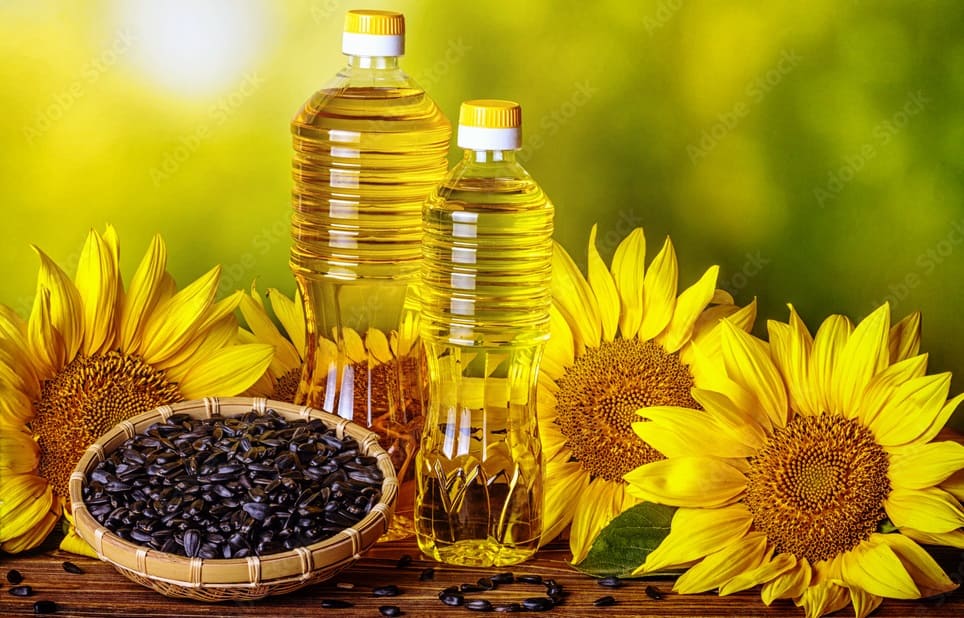
Sunflower oil has long been a favorite in kitchens worldwide — and for good reasons. It’s affordable, has a mild flavor, a high smoke point (ideal for frying), and even boasts a golden color that feels natural and fresh. However, in today’s health-conscious world, many are asking: Is sunflower oil truly healthy, or could it be quietly harming us?
The truth lies somewhere in between. Let’s dive deep into the science, nutrition, health benefits, and potential risks associated with sunflower oil, so you can make an informed decision.
What is Sunflower Oil?
Sunflower oil is a vegetable oil extracted from the seeds of the sunflower plant (Helianthus annuus). It’s one of the most commonly used oils globally, its versatility across cooking, baking, salad dressings, and even beauty products.
Interestingly, there are different types of sunflower oil based on the fatty acid profile:
- High Oleic Sunflower Oil: Rich in monounsaturated fats (like olive oil), making it more stable and heart-friendly.
- Linoleic Sunflower Oil: Higher in polyunsaturated omega-6 fats, which are essential but can cause issues when consumed excessively.
- Mid-Oleic Sunflower Oil: A balance between oleic and linoleic acids, commonly used in the food industry.
The method of extraction also matters:
- Cold-Pressed Sunflower Oil: Extracted without heat, retaining more nutrients and flavor.
- Refined Sunflower Oil: Processed at high temperatures and often chemically treated, resulting in a more neutral flavor but a lower nutrient profile.
Each type offers distinct benefits and drawbacks — which we’ll explore shortly.
Nutritional Value of Sunflower Oil
Here’s a breakdown of the nutritional content in 1 tablespoon (about 14 grams) of sunflower oil:
| Nutrient | Amount |
|---|---|
| Calories | 120 kcal |
| Total Fat | 14 g |
| Saturated Fat | 1.2 g |
| Monounsaturated Fat | 9.2 g |
| Polyunsaturated Fat | 3.6 g |
| Vitamin E | 5.6 mg (37% DV) |
| Vitamin K | 0.7 mcg (1% DV) |
| Omega-6 Fatty Acids | 3.5 g |
| Omega-3 Fatty Acids | ~0 g |
| Cholesterol | 0 mg |
| Protein | 0 g |
| Carbohydrates | 0 g |
Key takeaway: Sunflower oil is primarily fat — mostly the “good” fats if you choose the right type — and a powerhouse of Vitamin E.
12 Amazing Health Benefits of Sunflower Oil
Used mindfully, sunflower oil can bring impressive health perks. Here are 12 detailed health benefits you should know:
1. High in Antioxidants
Sunflower oil is particularly rich in Vitamin E, a potent antioxidant that helps neutralize free radicals in the body, potentially slowing aging and reducing the risk of chronic diseases.
2. Supports Heart Health
High-oleic sunflower oil contains monounsaturated fats, which can lower bad LDL cholesterol and increase good HDL cholesterol — a crucial combination for protecting against heart disease.
3. Boosts Immune Function
The Vitamin E content strengthens immune cells, helping the body fight off infections more effectively.
4. Promotes Healthy Skin
When applied topically, sunflower oil can lock in moisture, support the skin barrier, and soothe conditions like eczema, making it a popular ingredient in natural skincare products.
5. Reduces Inflammation
Sunflower oil’s anti-inflammatory properties — primarily from oleic acid — may help reduce systemic inflammation linked to diseases like arthritis and asthma.
6. Improves Brain Health
Healthy fats are essential for brain structure and function. Monounsaturated fats help protect cognitive health and may lower the risk of neurodegenerative diseases like Alzheimer’s.
7. Enhances Wound Healing
Research has shown that topical application of sunflower oil can accelerate wound healing, possibly by preserving skin barrier integrity and preventing infections.
8. Improves Digestion
In small amounts, sunflower oil can help digest fat-soluble vitamins (A, D, E, K), ensuring your body absorbs essential nutrients effectively.
9. Protects Against Certain Cancers
Antioxidants like Vitamin E protect cells from oxidative damage, which is one of the leading causes of cancerous mutations.
10. Energy Booster
Fat is the body’s most energy-dense macronutrient. A small amount of sunflower oil can offer a quick, lasting energy source.
11. Hair Health Benefits
The nutrients in sunflower oil nourish hair follicles, strengthen strands, and reduce breakage — leading to shinier, healthier hair.
12. Better Blood Sugar Control (in moderation)
Some studies suggest that unsaturated fats can help improve insulin sensitivity, thereby supporting better blood sugar control in people with prediabetes or diabetes.
10 Risks and Side Effects of Sunflower Oil
While there are benefits, it’s crucial to understand the potential risks associated with excessive or inappropriate use of sunflower oil:
1. Promotes Inflammation
Sunflower oil is high in omega-6 fatty acids. Without enough omega-3s to balance them out (from foods like salmon or chia seeds), this imbalance can promote chronic inflammation, linked to many modern illnesses.
2. Oxidative Damage When Overheated
At very high temperatures, sunflower oil can oxidize and produce harmful compounds like aldehydes, which may increase the risk of heart disease and cancer.
3. Risk of Weight Gain
At 120 calories per tablespoon, it’s easy to overconsume sunflower oil, leading to unwanted weight gain over time.
4. Raises Bad Cholesterol (in some cases)
If you’re using refined linoleic sunflower oil frequently, it may paradoxically raise LDL (“bad”) cholesterol when oxidized or consumed with a high-sugar, high-carb diet.
5. Risk of Trans Fats
Some low-quality, refined oils may contain small amounts of trans fats — the most dangerous kind of fat linked to heart disease.
6. May Exacerbate Asthma Symptoms
Studies show that high dietary intake of omega-6 fatty acids without adequate omega-3s might worsen asthma symptoms.
7. Potential Allergenic Reactions
Though rare, some people might develop an allergy to sunflower oil, especially if they are sensitive to sunflower seeds.
8. Spoils Quickly
Sunflower oil, especially the unrefined version, is prone to oxidation and rancidity if not stored properly.
9. Impact on Insulin Resistance
Some research suggests diets high in omega-6 fatty acids and low in omega-3s could impair insulin sensitivity over time.
10. Environmental and Ethical Concerns
Industrial-scale sunflower farming often involves heavy pesticide use, which can have environmental and health repercussions if oils aren’t properly processed.
How to Use Sunflower Oil Safely?
Here are a few tips to maximize the benefits and minimize the risks of sunflower oil:
- Choose high-oleic, cold-pressed sunflower oil.
- Use sunflower oil for baking, roasting, and light sautéing, but avoid deep-frying at very high temperatures.
- Store the oil in a dark, cool place and use it within a few months after opening.
- Balance your fat intake by including omega-3-rich foods like fish, walnuts, and flaxseeds.
- Rotate oils: Mix sunflower oil use with extra virgin olive oil, avocado oil, and coconut oil to diversify your fatty acid intake.
Is Sunflower Oil the Healthiest Oil?
Compared to butter, lard, or heavily processed oils like soybean oil, sunflower oil (especially the high-oleic version) is relatively healthy.
However, it’s not necessarily better than oils like:
- Extra virgin olive oil (high in polyphenols and monounsaturated fats)
- Avocado oil (very stable and heart-healthy)
- Coconut oil (good for specific uses but high in saturated fats)
Thus, the healthiest oil for you depends on what you’re cooking, your health goals, and your overall diet.
Final Verdict: Is Sunflower Oil Bad for Your Health?
The simple answer: It depends.
- High-oleic, cold-pressed sunflower oil, consumed in moderation, can be a healthy addition to a balanced diet.
- Refined, heavily processed, or overheated sunflower oil, consumed excessively, can contribute to chronic inflammation, oxidative stress, and health problems.
Balance, quality, and quantity are key!
In today’s world of super-processed foods, being mindful about the oils we use — and how we use them — can make a massive difference to our overall health.
Quick Recap Table
| Pros | Cons |
|---|---|
| High in Vitamin E | High in omega-6 fats |
| Heart-friendly (if high-oleic) | Oxidizes at high temperatures |
| Good for skin and hair | Risk of inflammation if overused |
| Boosts energy | Easy to overconsume calories |
| Supports digestion and immunity | Potential for trans fats in low-quality oils |
FAQ’s
Is sunflower oil healthier than olive oil?
Both oils have their benefits, but olive oil (especially extra virgin) is often considered healthier because it contains more antioxidants and polyphenols. High-oleic sunflower oil comes close due to its heart-healthy monounsaturated fats but lacks the same level of micronutrients found in olive oil.
Is it OK to cook with sunflower oil every day?
It depends on the type. High-oleic sunflower oil is relatively safe for daily use in moderate amounts. However, using large amounts of refined linoleic sunflower oil daily, especially for high-heat frying, may contribute to inflammation over time.
Can sunflower oil cause weight gain?
Yes, like any oil, sunflower oil is calorie-dense (about 120 calories per tablespoon). Overconsumption without adjusting overall calorie intake can lead to weight gain.
Is sunflower oil good for frying?
Sunflower oil has a high smoke point (around 440°F or 227°C), making it suitable for shallow frying and stir-frying. However, repeated high-heat use can cause the oil to oxidize, so it’s best to avoid reusing it multiple times for deep frying.
Does sunflower oil contain omega-3 fatty acids?
No, sunflower oil is very low in omega-3s and high in omega-6 fatty acids. For a healthy balance, it’s important to consume omega-3-rich foods like fish, flaxseeds, and walnuts alongside sunflower oil.
Is cold-pressed sunflower oil better than refined sunflower oil?
Absolutely. Cold-pressed sunflower oil retains more natural nutrients (like Vitamin E) and doesn’t involve chemical processing, making it a healthier choice compared to heavily refined oils.
Can sunflower oil trigger allergies?
While rare, sunflower seed allergies do exist, and in such cases, sunflower oil could cause allergic reactions. Highly refined sunflower oil usually contains little to no protein, reducing allergy risks — but it’s always wise to consult an allergist if you have concerns.
Is sunflower oil safe during pregnancy?
In general, moderate use of good-quality sunflower oil (especially high-oleic or cold-pressed) is safe during pregnancy. However, always consult your doctor or dietitian to ensure it fits your specific nutritional needs.
What’s the best way to store sunflower oil?
To preserve its freshness, store sunflower oil in a cool, dark place away from heat, sunlight, and moisture. Always keep the bottle tightly closed, and use it within 6 months after opening to avoid rancidity.
Also Read: