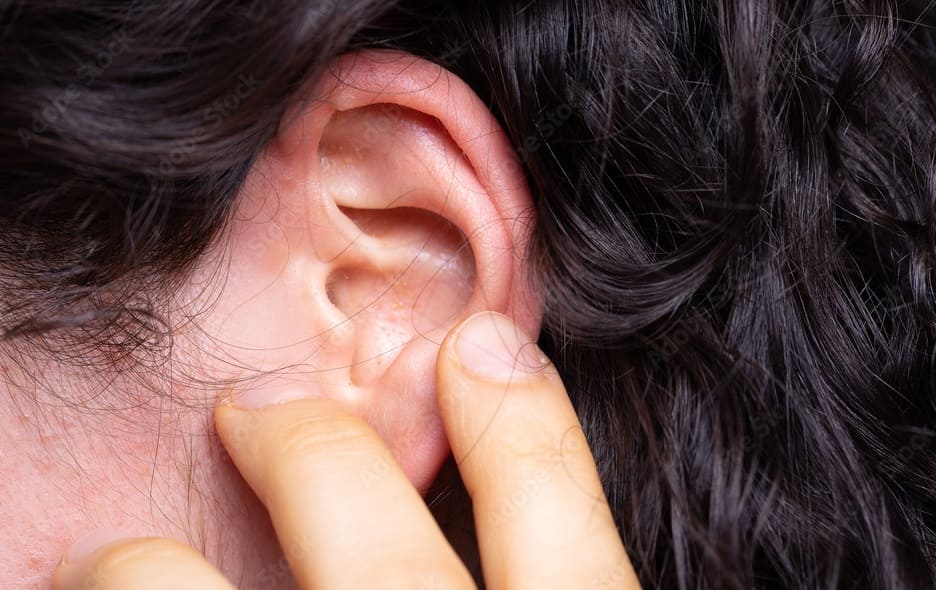
Have you ever felt an annoying bump inside your ear that hurts when you touch it or sleep on that side? Chances are, it could be a pimple inside your ear. As strange as it sounds, pimples can pop up anywhere on your skin—including the sensitive area inside your ear canal, on your earlobe, or behind the ear. It’s uncomfortable, sometimes painful, and often confusing for those who experience it.
In this post, we’ll break down everything you need to know about ear pimples: what causes them, how to recognize their symptoms, treatment options, and ways to prevent them from showing up in the future. Whether you’re currently dealing with one or just want to stay informed, this guide is for you.
What is a Pimple in the Ear?
A pimple in the ear is just like a regular pimple you might get on your face, chest, or back. It occurs when hair follicles or pores in the skin become clogged with oil, dead skin cells, and bacteria. The result is inflammation, which can lead to redness, swelling, and a white or yellow center filled with pus.
Ear pimples can form in various places:
- In the outer ear (auricle)
- In the ear canal
- Behind the ear
- On the earlobe
They may appear as blackheads, whiteheads, papules, pustules, or even cysts depending on severity.
Causes of Pimples in the Ear
Several factors can lead to pimples in the ear. Let’s look at the most common ones:
1. Excess Oil Production
Your skin naturally produces oil (sebum) to keep it moisturized. However, excess sebum can mix with dead skin cells and clog the pores, leading to pimples—even in your ears.
2. Poor Hygiene
Not cleaning your ears properly or cleaning them too aggressively can both be problematic. Using dirty earbuds, sticking fingers in your ears, or forgetting to clean behind the ears can introduce bacteria and block pores.
3. Hair Products
Hair sprays, gels, and shampoos can sometimes cause breakouts when they come in contact with the skin around your ears. These products may clog pores or irritate the skin.
4. Wearing Headphones or Earbuds
Frequent use of earbuds or headphones—especially if they’re not cleaned regularly—can trap sweat and bacteria against the skin, making pimples more likely.
5. Hormonal Changes
Hormonal fluctuations during puberty, menstruation, pregnancy, or stress can stimulate excess oil production, increasing the risk of pimples.
6. Allergic Reactions
Skin in and around the ears is sensitive. It can react to metals in earrings, cosmetic products, or even laundry detergent. These reactions may lead to clogged pores and pimples.
7. Friction and Pressure
Sleeping on one side for too long, wearing tight hats or helmets, or using glasses that rub against the ears can cause pressure and friction, irritating the skin and promoting pimples.
8. Ear Wax Buildup
While earwax has protective properties, too much buildup can trap bacteria and debris, sometimes causing a pimple.
Symptoms of a Pimple in the Ear
Here are some signs to help you identify if that pain or discomfort in your ear might be a pimple:
- A small, raised bump in or around the ear
- Pain or tenderness, especially when touched
- Redness or inflammation
- A white or yellow tip (indicating pus)
- Itching or a sense of pressure in the ear canal
- Temporary hearing difficulty if it’s blocking the ear canal
In most cases, ear pimples are harmless and go away on their own. But in some instances, they may become infected or require medical attention.
Types of Ear Pimples
Not all pimples are the same. Here’s a quick look at the different types that can appear in or around your ear:
1) Whiteheads:
Closed pores clogged with oil and dead skin. They appear as small white bumps and are typically not painful.
2) Blackheads:
Open pores clogged with oil and debris that oxidize, turning black. Usually not inflamed or painful.
3) Papules:
Small red bumps without pus. They can be tender to the touch and indicate irritation.
4) Pustules:
Pimples filled with pus. These can be painful and are more inflamed than whiteheads.
5) Nodules and Cysts:
Large, deep, painful lumps. These may require medical treatment and often result in scarring if not managed properly.
How to Treat a Pimple in the Ear?
Treating a pimple in the ear depends on its type, severity, and location. Here are some effective treatment options:
1. Warm Compress
Applying a warm compress helps increase circulation and allows the pimple to drain naturally. Use a clean cloth soaked in warm (not hot) water and gently press it on the pimple for 10–15 minutes, 2–3 times a day.
2. Topical Treatments
Over-the-counter (OTC) acne creams containing salicylic acid or benzoyl peroxide can be applied with a cotton swab to help dry out the pimple and reduce inflammation. Be careful not to insert any medication deep into the ear canal without guidance.
3. Tea Tree Oil
Known for its antibacterial and anti-inflammatory properties, diluted tea tree oil can be applied externally using a cotton swab. Never pour it into the ear canal.
4. Avoid Popping It
As tempting as it may be, don’t pop or squeeze an ear pimple. This can introduce more bacteria, lead to infection, and even cause scarring.
5. Keep the Area Clean
Gently clean the area around the pimple with a mild cleanser and lukewarm water. Avoid scrubbing, which can worsen irritation.
6. Use Antibacterial Ointments
If you suspect an infection, applying a small amount of antibiotic ointment (like Neosporin) around the pimple may help.
7. Pain Relief
If the pimple is particularly painful, over-the-counter pain relievers like ibuprofen or acetaminophen can help reduce pain and inflammation.
8. Consult a Dermatologist
If the pimple persists, becomes severely painful, or is accompanied by fever, it’s best to consult a doctor or dermatologist. Infected pimples, cysts, or boils may need drainage or prescription medications.
Home Remedies for Pimple in the Ear
Some people prefer natural remedies for treating minor skin issues. Here are a few you can try for mild ear pimples:
1. Warm Compress
Apply a clean, warm (not hot) washcloth to the affected area for 10–15 minutes, 2–3 times a day. This helps reduce inflammation and encourages the pimple to drain naturally.
2. Tea Tree Oil
Mix a few drops of tea tree oil with a carrier oil (like coconut or olive oil) and gently dab it on the pimple using a cotton swab. Tea tree oil has antibacterial and anti-inflammatory properties.
3. Aloe Vera Gel
Apply fresh aloe vera gel to the pimple to soothe irritation and promote healing. Make sure it’s 100% pure and not mixed with added chemicals.
4. Apple Cider Vinegar (Diluted)
Mix equal parts of apple cider vinegar and water. Use a cotton swab to gently apply the mixture to the outer area. It helps balance the skin’s pH and reduce bacteria.
5. Witch Hazel
This natural astringent can help cleanse the skin, dry out the pimple, and reduce redness. Apply with a clean cotton ball to the pimple-affected area.
6. Honey and Cinnamon Paste
Both honey and cinnamon have antimicrobial properties. Mix a small amount into a paste and apply it to the pimple for 15–20 minutes before rinsing off.
7. Avoid Irritants
Refrain from using earbuds, headphones, or touching your ears frequently while the pimple heals. Reducing friction helps speed up recovery.
8. Clean the Area Gently
Wash around the ear with a mild cleanser to remove dirt and oil, but avoid aggressive scrubbing or inserting anything into the ear canal.
Note: Do not pour any liquids into your ear canal, and stop using any remedy that causes irritation or allergic reactions. If the pimple worsens or doesn’t improve within a few days, consult a doctor.
When to See a Doctor
While most ear pimples are harmless, certain signs may indicate it’s time for professional help:
- The pimple is growing rapidly or becomes extremely painful
- You experience hearing loss
- The area becomes hot, red, and swollen (signs of infection)
- Pus or blood drains frequently
- You have a recurring problem with ear pimples
- You suspect a cyst or boil
Your doctor might prescribe oral antibiotics, drain the bump, or refer you to a dermatologist if needed.
Prevention Tips: How to Avoid Pimples in the Ear
While not all ear pimples can be avoided, these habits can greatly reduce your risk:
1. Maintain Good Ear Hygiene
Gently clean your ears with a washcloth and avoid inserting objects like cotton swabs too deeply. Keeping the outer ear clean helps prevent buildup.
2. Clean Your Earbuds and Headphones
Wipe down earbuds and headphone pads regularly with alcohol wipes. Sharing earphones should be avoided to minimize bacterial transfer.
3. Choose Non-Comedogenic Hair Products
Use shampoos and conditioners that are labeled as non-comedogenic (won’t clog pores). Rinse thoroughly to avoid residue on the skin.
4. Avoid Sleeping on Dirty Pillowcases
Wash pillowcases and bedsheets weekly to avoid the buildup of oil, bacteria, and skin debris.
5. Limit Touching Your Ears
Avoid the habit of touching your ears frequently, especially with unwashed hands. Bacteria from your fingers can easily spread to the skin.
6. Eat a Balanced Diet
Eating foods rich in antioxidants, vitamins A, C, and E, and avoiding processed, sugary foods can promote healthier skin.
7. Manage Stress
Since stress can trigger hormonal imbalances and acne, finding ways to manage stress—like exercise, meditation, or journaling—can indirectly reduce ear pimples.
Final Thoughts
A pimple in the ear may seem like a minor inconvenience, but it can be surprisingly bothersome. Whether it’s a dull ache when you chew, irritation when you wear headphones, or the sheer discomfort of a bump you can’t see, it’s something worth paying attention to.
The good news is that most ear pimples are not serious and can be managed with simple home treatments and good hygiene practices. That said, if the pimple seems severe, keeps coming back, or becomes painful, it’s always better to consult a healthcare professional.
Listening to your body—and your ears—can save you from a lot of discomfort. A little prevention goes a long way, and with some simple changes to your routine, you can reduce the chances of dealing with ear pimples altogether.
FAQ’s
Why do I get pimple in my ear?
Pimples in the ear are typically caused by clogged pores due to excess oil, dead skin cells, or bacteria. Factors like poor hygiene, use of dirty earbuds, hormonal changes, or friction from headphones can also contribute.
Are ear pimples dangerous?
Most ear pimples are harmless and go away on their own. However, if they become painful, swollen, or show signs of infection (such as pus or fever), it’s best to consult a doctor.
Can I pop a pimple in my ear?
It is not recommended to pop a pimple in your ear. Popping can push bacteria deeper into the skin, worsen the infection, and even lead to scarring or complications.
How can I treat a pimple inside my ear at home?
You can use a warm compress, gentle cleansing, and topical acne treatments like benzoyl peroxide. Avoid inserting anything deep into the ear canal and consult a healthcare provider if the pimple doesn’t improve.
Can pimples in the ear affect hearing?
In some cases, a pimple inside the ear canal may cause a temporary sensation of blocked hearing due to swelling or pressure, but it usually resolves after the pimple heals.
What does it mean if a pimple in my ear keeps coming back?
Recurring pimples in the ear may indicate an ongoing hygiene issue, frequent irritation, or an underlying skin condition. A dermatologist can help identify the cause and suggest preventive steps.
How can I prevent ear pimples from forming?
Keep your ears clean, avoid inserting dirty objects, clean earbuds regularly, wash pillowcases often, and use non-comedogenic hair and skincare products. Reducing stress and maintaining a balanced diet also helps.
How long do ear pimples last?
Ear pimples usually last anywhere from a few days to a week, depending on their size and whether they become irritated or infected. With proper care and hygiene, most resolve on their own without the need for medical treatment.
Also Read: