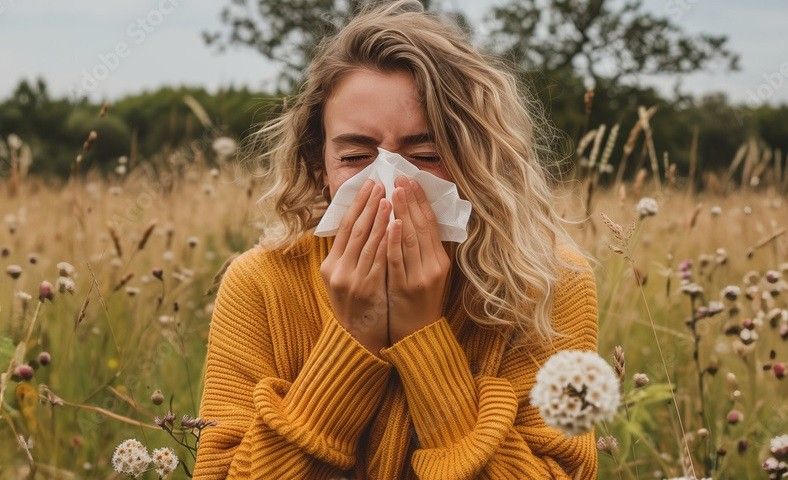
Allergies are an increasingly common health concern in today’s world. From seasonal pollen allergies to food sensitivities, millions of people experience allergic reactions every day. While many allergies are mild, some can be severe and life-threatening, making it crucial to understand what causes them, how they manifest, and what measures can be taken to prevent or manage them effectively. This guide delves into everything you need to know about allergies—from the causes, symptoms, and types, to prevention strategies, treatments, and lifestyle adaptations.
What Are Allergies?
An allergy is an abnormal immune response to substances that are generally harmless to most people. These substances, called allergens, trigger the body’s immune system to overreact, producing antibodies known as Immunoglobulin E (IgE). This reaction can lead to a wide range of symptoms, ranging from mild irritation to severe, potentially life-threatening reactions known as anaphylaxis.
Allergies are essentially the immune system’s miscommunication. Instead of protecting the body from harmful invaders like viruses or bacteria, it reacts to substances like pollen, dust mites, or certain foods as though they are dangerous.
Types of Allergies
Allergies can manifest in many forms, affecting different parts of the body. Here are the most common types:
1. Respiratory Allergies
Respiratory allergies occur when allergens are inhaled. Common triggers include:
- Pollen from trees, grasses, and weeds
- Dust mites
- Animal dander
- Mold spores
Symptoms of respiratory allergies may include:
- Sneezing
- Runny or congested nose
- Itchy or watery eyes
- Coughing
- Wheezing or difficulty breathing
Seasonal allergic rhinitis, commonly known as hay fever, is one of the most prevalent respiratory allergies.
2. Food Allergies
Food allergies occur when the immune system reacts to certain proteins in foods. Common food allergens include:
- Peanuts
- Tree nuts
- Milk
- Eggs
- Shellfish
- Wheat
- Soy
Symptoms of food allergy can range from mild to severe and may include:
- Hives or skin rash
- Swelling of lips, tongue, or throat
- Nausea, vomiting, or diarrhea
- Abdominal pain
- Anaphylaxis (severe, potentially life-threatening reaction)
3. Skin Allergies
Skin allergies are often caused by direct contact with allergens. Common triggers include:
- Latex
- Certain metals (e.g., nickel)
- Fragrances and cosmetics
- Poison ivy, poison oak, or poison sumac
Symptoms include:
- Redness
- Itching
- Rash
- Blisters or hives
4. Insect Sting Allergies
Some people are allergic to insect stings, including those from bees, wasps, hornets, or fire ants. Reactions can range from local swelling to systemic allergic reactions (anaphylaxis).
5. Drug Allergies
Drug allergies occur when the immune system reacts to medications. Common triggers include:
- Penicillin and other antibiotics
- Nonsteroidal anti-inflammatory drugs (NSAIDs)
- Certain vaccines
Symptoms can range from mild rashes to severe reactions like anaphylaxis.
Causes of Allergies
The exact cause of allergies is not fully understood, but several factors contribute to their development:
- Genetics: A family history of allergy increases the likelihood of developing them. If one or both parents have allergies, their children are more susceptible.
- Environmental Factors: Exposure to allergens, pollution, or chemicals early in life can increase sensitivity. Living in urban areas with higher pollution levels has been linked to increased rates of allergies.
- Hygiene Hypothesis: Some researchers suggest that reduced exposure to microbes during childhood (due to high hygiene standards) may make the immune system more prone to allergic reactions.
- Immune System Overreaction: In people with allergy, the immune system misidentifies harmless substances as threats, releasing histamines and other chemicals that cause symptoms.
Symptoms of Allergies
Allergic reactions can vary widely depending on the type of allergen, the person’s sensitivity, and the method of exposure. Some common symptoms include:
- Respiratory Symptoms: Sneezing, coughing, wheezing, runny nose, itchy or watery eyes
- Skin Symptoms: Hives, eczema, redness, swelling, itching, rash
- Gastrointestinal Symptoms: Nausea, vomiting, abdominal pain, diarrhea
- Severe Reactions: Difficulty breathing, throat swelling, drop in blood pressure, dizziness, loss of consciousness
Diagnosis of Allergies
Proper diagnosis is key to effective management. Allergies can be diagnosed through a combination of medical history, physical examination, and diagnostic tests.
1. Skin Prick Test
A small amount of allergen is pricked into the skin. If a raised, red bump develops, it indicates an allergic reaction.
2. Blood Test
Blood tests, such as the ImmunoCAP test, measure the level of IgE antibodies to specific allergens.
3. Elimination Diet
For suspected food allergies, an elimination diet involves removing certain foods from the diet and reintroducing them one at a time to identify the trigger.
4. Patch Test
Used for contact allergy, small patches containing allergens are applied to the skin to check for delayed allergic reactions.
Treatment Options for Allergies
While allergies cannot always be cured, they can be effectively managed using medications, lifestyle changes, and avoidance strategies.
1. Medications
- Antihistamines: Reduce symptoms like sneezing, itching, and hives by blocking histamine release.
- Decongestants: Relieve nasal congestion and sinus pressure.
- Corticosteroids: Reduce inflammation in severe allergy, commonly used as nasal sprays or creams.
- Leukotriene Modifiers: Reduce allergy symptoms by blocking inflammatory chemicals.
- Epinephrine: Used in emergencies for severe reactions like anaphylaxis.
2. Immunotherapy
Allergy shots or sublingual tablets expose the body to gradually increasing doses of allergens to desensitize the immune system. This can provide long-term relief for certain allergy, particularly pollen, dust mites, and insect venom.
3. Lifestyle and Home Remedies
- Keep windows closed during high pollen seasons.
- Use air purifiers to reduce indoor allergens.
- Wash bedding and curtains regularly.
- Avoid known food allergens and read labels carefully.
- Wear protective clothing when in contact with potential allergens like plants or insects.
Preventing Allergies
While some allergies cannot be entirely prevented, there are measures to reduce the risk or severity:
- Early Exposure: Introducing children to a variety of foods early (under guidance from a pediatrician) may reduce food allergy risk.
- Clean Environment: Minimizing exposure to dust mites, pet dander, and mold can help prevent respiratory allergies.
- Avoid Smoking: Exposure to tobacco smoke increases the risk of developing allergy in children.
- Healthy Lifestyle: A balanced diet, regular exercise, and sufficient sleep can help strengthen the immune system.
Natural Remedies for Allergy Relief
Some people prefer complementary approaches alongside conventional treatments. Natural remedies may help alleviate mild allergy symptoms:
- Saline Nasal Rinse: Helps clear allergens from nasal passages.
- Butterbur Extract: Some studies suggest it may reduce hay fever symptoms.
- Quercetin: A natural antioxidant found in onions, apples, and tea that may stabilize mast cells and reduce histamine release.
- Local Honey: Though evidence is limited, some believe consuming local honey may help build tolerance to local pollen.
Always consult a healthcare professional before starting any herbal or supplement treatment.
Effective Ways to Manage Allergies
- Identify your allergy triggers and take steps to avoid them whenever possible.
- Use antihistamines, decongestants, or corticosteroids as recommended to relieve symptoms.
- Consider immunotherapy, such as allergy shots or sublingual tablets, for long-term relief.
- Keep your home clean by vacuuming regularly, using HEPA filters, and reducing humidity to minimize allergens.
- Wash bedding, curtains, and clothes frequently to remove dust mites and pollen.
- Shower and change clothes after being outdoors to prevent carrying allergens inside.
- Avoid smoking and exposure to secondhand smoke, which can worsen allergy symptoms.
- Use natural remedies like saline nasal rinses or steam inhalation to soothe mild symptoms.
- Carry an epinephrine auto-injector if you have severe allergies and educate those around you on its use.
- Schedule regular check-ups with an allergist to monitor symptoms and adjust treatments as needed.
Living with Allergies
Managing allergies often involves a combination of avoidance, treatment, and lifestyle adjustments. Here are some practical tips:
- Identify Triggers: Keep a diary of symptoms and potential allergens to identify patterns.
- Plan Ahead: When traveling or eating out, check for allergens and carry emergency medications if needed.
- Communicate: Inform family, friends, and colleagues about your allergies, especially if they are severe.
- Emergency Preparedness: For severe allergy, always carry an epinephrine auto-injector and know how to use it.
When to See a Doctor
Seek professional medical help if you experience:
- Severe or worsening allergic reactions
- Difficulty breathing or swallowing
- Swelling of the face, lips, or throat
- Persistent or unexplained symptoms
Early diagnosis and treatment can prevent complications and improve quality of life.
Allergies in Children
Children are particularly susceptible to allergy, and early detection is critical. Common childhood allergies include:
- Food allergies, especially to peanuts, milk, or eggs
- Eczema or skin reactions
- Asthma triggered by allergens
Pediatricians may recommend allergy testing, dietary adjustments, or preventive medications to manage symptoms.
Allergies and Quality of Life
Allergies can significantly impact daily life. They may cause sleep disturbances, fatigue, difficulty concentrating, and even emotional stress. Chronic allergy can interfere with school, work, and social activities. Effective management strategies are essential to reduce these disruptions and improve overall well-being.
Myths and Misconceptions About Allergies
- Myth 1: Allergies are just a nuisance.
Some allergies can be life-threatening, particularly food or insect sting allergies. - Myth 2: You can outgrow all allergies.
Some allergies, like peanut or shellfish allergies, may persist into adulthood. - Myth 3: Allergies are contagious.
Allergies are immune responses and cannot be transmitted from person to person. - Myth 4: Natural remedies cure allergies.
While natural approaches may alleviate symptoms, they cannot cure allergy entirely.
Future Research and Advances
Medical research continues to explore new ways to prevent, manage, and treat allergies. Advances in immunotherapy, biologic medications, and genetic research hold promise for more targeted and effective treatments. Personalized medicine may allow doctors to predict who is at risk and tailor prevention strategies accordingly.
Conclusion
Allergies are complex conditions that affect millions worldwide. Understanding the causes, recognizing symptoms, and implementing effective management strategies are crucial for living a healthy and comfortable life. While some allergy cannot be fully prevented, early detection, proper treatment, and lifestyle adaptations can significantly reduce their impact.
FAQ’s
Can allergies be cured?
Allergy cannot always be cured, but they can be managed with medications, immunotherapy, lifestyle changes, and avoiding triggers.
Are allergies hereditary?
Yes, genetics play a role. If one or both parents have allergies, their children are more likely to develop them.
What should I do in case of a severe allergic reaction?
Seek immediate medical help and use an epinephrine auto-injector if prescribed. Severe reactions can be life-threatening.
Can children outgrow allergies?
Some allergies, like milk or egg allergy, may be outgrown, but others, like peanut or shellfish allergy, often persist into adulthood.
Are natural remedies effective for allergies?
Natural remedies like saline rinses, butterbur extract, and quercetin may relieve mild symptoms but cannot replace conventional treatments or cure allergy.
How to stop an allergy?
Allergy can’t always be completely stopped, but symptoms can be managed. Avoiding triggers, taking antihistamines or other prescribed medications, using nasal sprays, and considering immunotherapy can help control allergic reactions.
Why do I constantly have allergies?
Constant allergy may result from prolonged exposure to allergens like dust, pollen, or pet dander. Environmental factors, genetics, and an overactive immune system can also contribute to persistent allergic reactions.
What vitamin deficiency causes allergies?
Vitamin D deficiency has been linked to increased susceptibility to allergies. Low levels of vitamin C and zinc may also affect immune function, potentially worsening allergic responses.
Can hot water reduce allergies?
Hot water may temporarily relieve symptoms by clearing nasal passages and soothing irritated airways. However, it doesn’t treat the underlying cause of allergy.
Do allergies worsen with age?
Allergy can change over time. Some people develop new allergy with age, while others may see symptoms decrease. Immune system changes and prolonged allergen exposure can influence these patterns.
Why did I suddenly develop allergies?
Sudden allergy can occur due to changes in environment, diet, medications, or immune system sensitivity. Even adults who never had allergy before can develop them unexpectedly.
Can turmeric reduce allergies?
Turmeric contains curcumin, which has anti-inflammatory properties. It may help reduce mild allergy symptoms, but it is not a replacement for medical treatments.
How long do allergies last?
The duration of allergy depends on the type and exposure. Seasonal allergies may last weeks, while food or chronic environmental allergy may persist as long as exposure continues.
Can allergies affect your sleep?
Yes, allergy can cause congestion, sneezing, or itching that disrupt sleep. Untreated allergy can lead to poor sleep quality and daytime fatigue.
Also Read: