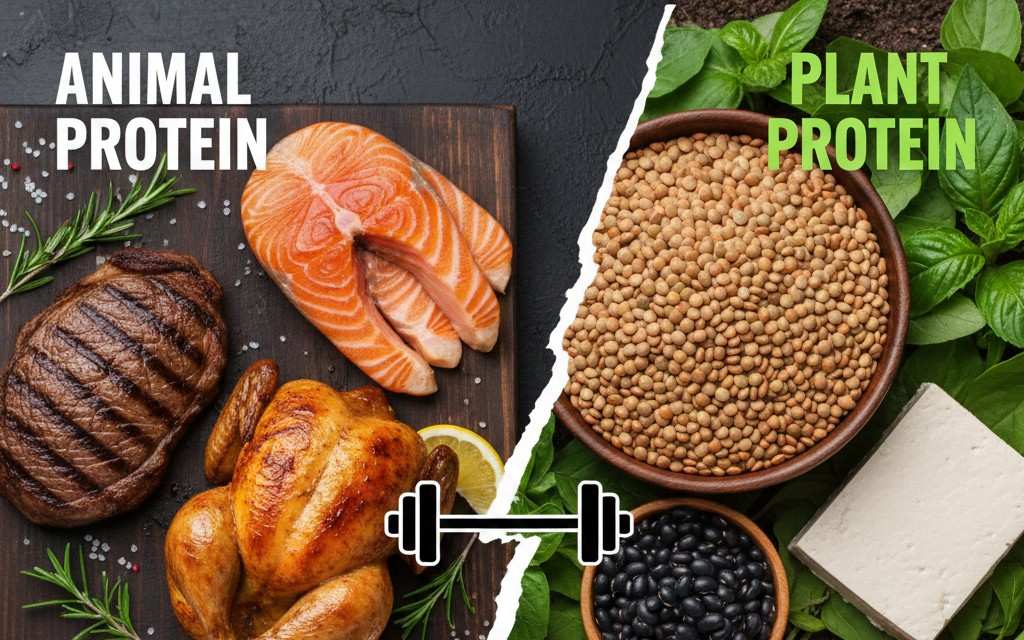
Protein is an essential nutrient that plays a critical role in our body. It is vital for building and repairing tissues, producing enzymes and hormones, and supporting overall health. However, not all proteins are created equal. The source of protein—whether animal-based or plant-based—can impact your health, fitness goals, and even the environment. In this guide, we will explore the differences between animal and plant proteins, their benefits, drawbacks, and which one might be better for you depending on your lifestyle.
What is Protein?
Protein is made up of amino acids, which are often referred to as the building blocks of life. There are 20 amino acids, nine of which are considered essential because our body cannot produce them on its own. Proteins from different sources contain varying amounts and types of amino acids.
Complete vs Incomplete Proteins
- Complete Proteins: These contain all nine essential amino acids in adequate amounts. Animal proteins, such as meat, fish, eggs, and dairy, are considered complete proteins. Some plant-based proteins like quinoa and soy are also complete.
- Incomplete Proteins: These are missing one or more essential amino acids. Most plant proteins, such as beans, lentils, nuts, and seeds, fall into this category. However, by combining different plant foods, like rice and beans, you can obtain all essential amino acids.
Animal Protein vs Plant Protein
| Feature | Animal Protein | Plant Protein |
|---|---|---|
| Source | Meat, poultry, fish, eggs, dairy | Legumes, grains, nuts, seeds, soy, vegetables |
| Protein Quality | Complete protein (all 9 essential amino acids) | Often incomplete (some essential amino acids missing), but combinations can provide complete profile |
| Amino Acid Profile | Rich in all essential amino acids, high in leucine | Varies; some may lack lysine or methionine |
| Digestibility | Highly digestible and easily absorbed | Slightly less digestible due to fiber and anti-nutrients (phytates, lectins) |
| Fat Content | Can be high in saturated fat (especially red and processed meats) | Mostly low in saturated fat, contains healthy unsaturated fats |
| Cholesterol | Present in most animal products | Plant proteins are cholesterol-free |
| Micronutrients | Rich in vitamin B12, heme iron, zinc, creatine | Rich in fiber, antioxidants, phytonutrients, non-heme iron |
| Health Benefits | Supports muscle growth, bone health, weight management, nutrient density | Supports heart health, gut health, weight control, reduced chronic disease risk |
| Risks / Side Effects | Excess intake may increase risk of heart disease, kidney strain, constipation | May require careful combination to avoid amino acid deficiencies; excess legumes may cause gas |
| Environmental Impact | Higher carbon footprint, more water and land use | Lower carbon footprint, more sustainable, environmentally friendly |
| Best For | Muscle growth, nutrient density, convenient complete protein | Heart health, fiber intake, plant-based diets, sustainability-conscious individuals |
| Example Foods | Chicken, beef, salmon, eggs, milk, cheese | Lentils, chickpeas, quinoa, tofu, almonds, soy milk |
Sources of Animal Protein
Animal protein comes from meat, poultry, fish, eggs, and dairy products. These are considered high-quality proteins because they provide all the essential amino acids your body needs.
Some common sources include:
| Food Source | Protein Content per 100g |
|---|---|
| Chicken breast | 31g |
| Beef | 26g |
| Salmon | 20g |
| Eggs | 13g |
| Milk | 3.4g |
Sources of Plant Protein
Plant proteins are derived from vegetables, grains, legumes, nuts, and seeds. While they may lack one or more essential amino acids individually, a diverse diet can provide adequate protein.
Some common sources include:
| Food Source | Protein Content per 100g |
|---|---|
| Lentils | 9g |
| Chickpeas | 19g |
| Tofu | 8g |
| Quinoa | 4.4g |
| Almonds | 21g |
Nutritional Differences Between Animal and Plant Proteins
While both animal and plant proteins provide the body with essential amino acids, they differ in several important ways:
- Amino Acid Profile: Animal proteins contain all essential amino acids in high concentrations, making them complete proteins. Plant proteins often need to be combined to meet all amino acid requirements.
- Digestibility: Animal proteins are generally easier to digest and absorb, whereas some plant proteins contain anti-nutrients like phytates, which can reduce protein absorption.
- Fat Content: Animal proteins can contain saturated fat, which, in high amounts, may contribute to heart disease. Plant proteins are typically low in saturated fat and higher in heart-healthy fats.
- Micronutrients: Animal proteins are rich in vitamin B12, heme iron, zinc, and creatine. Plant proteins offer fiber, antioxidants, phytonutrients, and non-heme iron.
Health Benefits of Animal Protein
Animal protein has been linked to several health benefits due to its complete amino acid profile:
- Muscle Growth and Repair: Animal protein is highly effective in promoting muscle protein synthesis, which is essential for muscle growth and recovery after exercise.
- Bone Health: Dairy products like milk and cheese provide calcium, vitamin D, and protein, which are important for bone strength.
- Weight Management: Protein is highly satiating. Studies suggest that high-protein diets with animal protein can help reduce appetite and promote fat loss.
- Nutrient Density: Animal proteins provide essential nutrients that are more bioavailable, such as heme iron, which is easier for the body to absorb compared to plant iron.
Health Benefits of Plant Protein
Plant proteins offer unique advantages, especially when included in a balanced diet:
- Heart Health: Plant-based diets are associated with lower risks of heart disease due to lower saturated fat and higher fiber content.
- Weight Control: Many plant-based proteins are lower in calories and fat, helping with weight management.
- Gut Health: Plant proteins provide fiber that supports healthy digestion and beneficial gut bacteria.
- Reduced Risk of Chronic Diseases: Diets rich in legumes, nuts, and seeds have been linked to reduced risks of type 2 diabetes, certain cancers, and hypertension.
Side Effects and Considerations
While both types of protein are beneficial, there are potential drawbacks if consumed excessively or inappropriately.
Animal Protein
- Heart Disease Risk: High intake of red and processed meats is associated with increased risk of heart disease and certain cancers.
- Kidney Health: Excessive protein, especially from animal sources, can strain the kidneys in individuals with pre-existing kidney disease.
- Digestive Issues: Some people may experience bloating or constipation with high meat intake.
Plant Protein
- Incomplete Proteins: Relying solely on some plant proteins without proper combinations may lead to amino acid deficiencies.
- Digestive Discomfort: High amounts of legumes can cause gas and bloating in sensitive individuals.
- Anti-Nutrients: Compounds like phytates and lectins can reduce mineral absorption, though proper cooking methods usually mitigate this.
Animal Protein vs Plant Protein for Muscle Building
When it comes to muscle growth and athletic performance, protein quality and amino acid content are critical.
- Animal Protein: Provides all essential amino acids, including leucine, which is particularly important for muscle protein synthesis. Whey protein, derived from milk, is often considered the gold standard for athletes.
- Plant Protein: Can support muscle growth if consumed in sufficient quantity and variety. Combining different plant proteins, like rice and pea protein, can provide a complete amino acid profile. Studies show plant-based diets can support muscle gains, though sometimes requiring slightly higher total protein intake.
Animal Protein vs Plant Protein for Weight Loss
Protein helps with satiety, preserves lean muscle mass during calorie restriction, and increases calorie burn through the thermic effect of food.
- Animal Protein: Often more satiating and calorie-dense, which may help reduce overall food intake.
- Plant Protein: Usually lower in calories and fat, high in fiber, and can promote fullness with fewer calories, making it ideal for weight management.
Animal Protein vs Plant Protein for Heart Health
Cardiovascular health is another key consideration:
- Animal Protein: Diets high in red and processed meats are linked to higher cholesterol and heart disease risk. Lean meats, fish, and dairy are better options.
- Plant Protein: Generally more heart-friendly due to lower saturated fat, higher fiber, and phytonutrients. Replacing animal protein with legumes, nuts, and soy products can reduce heart disease risk.
Environmental Impact
Sustainability is becoming a significant factor in protein choice:
- Animal Protein: Livestock production contributes significantly to greenhouse gas emissions, deforestation, and water usage. Reducing meat consumption can positively impact the environment.
- Plant Protein: Plant-based protein has a lower carbon footprint, requires less water, and is generally more sustainable.
How to Choose Between Animal and Plant Protein
Choosing between animal and plant protein depends on health goals, dietary preferences, and ethical considerations:
- Balanced Approach: Many experts recommend a mix of animal and plant proteins to reap the benefits of both. For example, combining lean meats, fish, legumes, and whole grains.
- Vegetarian or Vegan Diets: Focus on diverse plant proteins, including beans, lentils, tofu, tempeh, quinoa, nuts, and seeds to meet protein needs.
- Heart Health Focus: Emphasize plant-based proteins and lean animal proteins like fish.
- Athletic Performance: Include high-quality proteins like eggs, dairy, or protein powders (whey or plant-based blends) to optimize muscle growth.
- Environmental Considerations: Consider reducing animal protein intake or choosing sustainably sourced animal products.
Practical Tips to Incorporate Protein
- Combine Plant Proteins: Mix legumes, grains, nuts, and seeds to ensure all essential amino acids.
- Choose Lean Animal Proteins: Opt for chicken, turkey, fish, and low-fat dairy to reduce saturated fat intake.
- Include Protein in Every Meal: Aim for 20–30 grams of protein per meal for optimal muscle maintenance and satiety.
- Use Protein Supplements Wisely: Whey, casein, or plant-based protein powders can help meet daily requirements if dietary intake is insufficient.
Common Myths About Protein
- More Protein Equals More Muscle: Not necessarily. Adequate protein combined with resistance training is key; excess protein is not automatically converted into muscle.
- Plant Protein is Inferior: Plant proteins can support health and muscle growth if consumed in sufficient quantity and variety.
- Animal Protein is Unhealthy: Lean animal proteins and moderate intake can be part of a healthy diet.
Daily Protein Requirements
The recommended dietary allowance (RDA) for protein varies based on age, sex, and activity level:
- Average Adult: 0.8 grams per kilogram of body weight per day.
- Athletes/Active Individuals: 1.2–2.0 grams per kilogram per day to support performance and muscle repair.
- Older Adults: Slightly higher intake (~1–1.2 grams per kilogram) to prevent muscle loss.
For example, a 70 kg adult would need:
- Sedentary: 56 grams per day
- Active: 84–140 grams per day
Conclusion: Which is Better?
There is no one-size-fits-all answer to the animal protein vs plant protein debate. Both have unique benefits and potential drawbacks:
- Animal Protein: Excellent for complete amino acid profiles, muscle growth, and nutrient density, but may increase heart disease risk if consumed in excess, especially from red and processed meats.
- Plant Protein: Heart-healthy, sustainable, high in fiber, and protective against chronic diseases, but requires variety to meet all essential amino acids.
The ideal approach is a balanced one: incorporating both animal and plant proteins in a way that aligns with your health goals, ethical beliefs, and lifestyle. Prioritizing variety, whole foods, and moderation will ensure you meet your protein needs while supporting overall health.
FAQ’s
Can I get enough protein on a plant-based diet?
Yes. By eating a variety of legumes, grains, nuts, seeds, and soy products, you can meet your daily protein needs. Combining different plant proteins ensures you get all essential amino acids.
Is animal protein bad for your health?
Not necessarily. Lean meats, fish, eggs, and dairy can be part of a healthy diet. However, high consumption of red and processed meats may increase the risk of heart disease and certain cancers.
Which protein is better for muscle growth?
Animal protein is slightly more effective due to its complete amino acid profile, especially leucine, which supports muscle protein synthesis. Plant proteins can also support muscle growth if consumed in sufficient quantity and variety.
Can plant protein replace animal protein completely?
Yes, with proper planning. By combining different plant-based foods, you can get all essential amino acids needed for health and muscle maintenance.
How much protein should I consume daily?
For most adults, the RDA is 0.8 grams per kilogram of body weight. Active individuals or athletes may need 1.2–2.0 grams per kilogram per day to support muscle repair and performance.
Are protein supplements necessary?
Not for everyone. Most people can meet their protein requirements through whole foods. Supplements like whey, casein, or plant-based protein powders can be useful for athletes or those with higher protein needs.
Is plant protein better for heart health?
Yes. Plant proteins are generally lower in saturated fat, higher in fiber, and contain antioxidants, which are linked to reduced risks of heart disease.
What are complete and incomplete proteins?
Complete proteins contain all nine essential amino acids, typically found in animal products and some plants like quinoa and soy. Incomplete proteins are missing one or more essential amino acids but can be combined to provide a complete profile.
Can eating too much protein be harmful?
Excess protein from any source can strain the kidneys in individuals with pre-existing kidney conditions. Very high intakes may also lead to digestive issues or nutrient imbalances. Moderation is key.
Which is more sustainable, animal or plant protein?
Plant protein is generally more environmentally friendly. It requires less water, produces fewer greenhouse gases, and has a lower overall carbon footprint compared to most animal protein sources.
What is the healthiest form of protein?
The healthiest form of protein depends on your goals and dietary preferences. Plant-based proteins like lentils, beans, quinoa, nuts, and seeds are heart-healthy and rich in fiber. Lean animal proteins such as chicken, fish, eggs, and low-fat dairy provide complete amino acids with high digestibility. A combination of both is often ideal for overall health.
Which is the king of protein?
Whey protein is often called the “king of protein” due to its high digestibility, complete amino acid profile, and effectiveness in promoting muscle growth. Eggs are another top contender because they contain all essential amino acids in optimal proportions.
What is the unhealthiest protein?
Processed meats like sausages, bacon, and hot dogs are considered the unhealthiest protein sources. They are high in saturated fat, sodium, and preservatives, which can increase the risk of heart disease and certain cancers when consumed frequently.
Is plant protein as good as animal protein for building muscle?
Plant protein can support muscle growth, but it often requires higher intake and combining different sources to ensure all essential amino acids are consumed. Animal protein is slightly more effective for muscle building due to its complete amino acid profile, especially leucine, which is crucial for muscle protein synthesis.
Also Read: