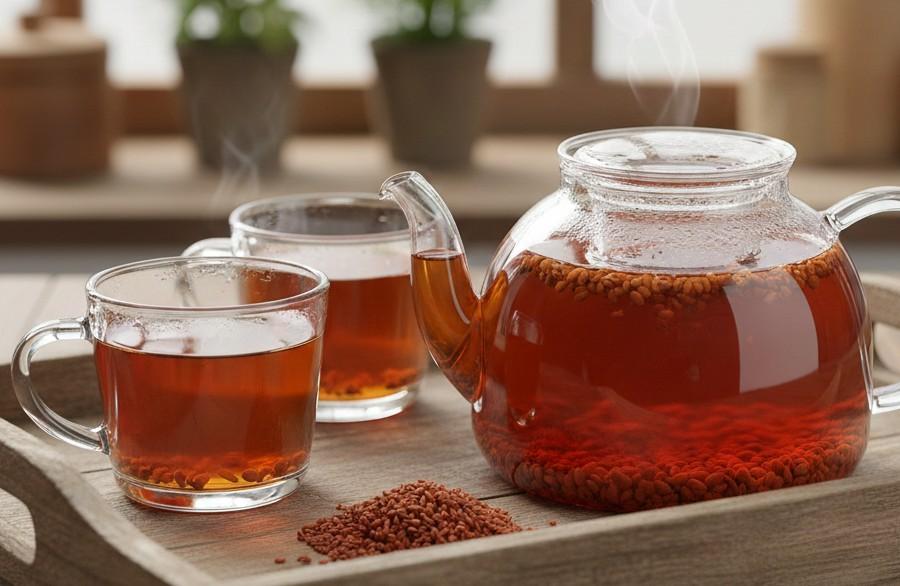
Annatto tea is an herbal infusion made from the seeds of the annatto plant, known for its vibrant color and traditional medicinal uses. While annatto is most famous as a natural food coloring, especially in Latin American and Caribbean cuisines, it has also been brewed as a tea for centuries to support digestion, skin health, and overall wellness.
With increasing interest in plant-based remedies and functional beverages, annatto tea is gaining attention for its antioxidant content and potential health benefits. This guide explores everything you need to know about annatto tea, including proven health benefits, preparation, safety considerations, and practical consumption advice.
What is Annatto Tea?
Annatto tea is a herbal drink made by steeping annatto seeds (derived from the Bixa orellana plant) in hot water. The seeds are rich in carotenoid pigments such as bixin and norbixin, which give the tea its reddish-orange hue.
The annatto plant is native to tropical regions of Central and South America but is now cultivated worldwide. Traditionally, indigenous communities used annatto for body paint, culinary seasoning, and herbal remedies. In tea form, it has been consumed to support digestion, soothe inflammation, and promote overall vitality.
Unlike caffeinated beverages, annatto tea is naturally caffeine-free, making it suitable for those looking for a mild herbal alternative. Its flavor is earthy, slightly peppery, and subtle, often combined with honey or lemon for taste.
Components of Annatto Tea
The exact nutritional composition depends on preparation strength, but annatto seeds contain bioactive compounds that infuse into the tea.
| Nutrient / Compound | Approximate Presence | Potential Role |
|---|---|---|
| Vitamin E | Moderate | Antioxidant, skin health |
| Carotenoids (Bixin, Norbixin) | High | Cellular protection |
| Calcium | Trace | Bone support |
| Iron | Trace | Red blood cell function |
| Magnesium | Trace | Muscle and nerve function |
| Potassium | Trace | Fluid balance |
| Dietary Antioxidants | Moderate | Reducing oxidative stress |
| Polyphenols | Present | Anti-inflammatory support |
Note: Herbal teas are generally low in calories and macronutrients; their value lies in phytochemicals rather than caloric nutrition.
20 Science-Backed Benefits of Annatto Tea
1. Rich in Antioxidants
Annatto tea contains carotenoids and vitamin E compounds that help neutralize free radicals and protect cells from oxidative damage.
2. Supports Skin Health
The antioxidant profile may contribute to improved skin resilience and reduced signs of environmental stress.
3. Promotes Eye Health
Carotenoids found in annatto may support visual function and protect against oxidative strain on the eyes.
4. Helps Reduce Inflammation
Bioactive compounds in annatto have demonstrated anti-inflammatory potential in research settings.
5. Supports Immune Function
Regular intake of antioxidant-rich herbal teas can assist immune system resilience.
6. Encourages Digestive Comfort
Traditionally, annatto infusions have been used to soothe digestive irritation and promote regularity.
7. May Support Heart Health
Antioxidants and trace minerals may contribute to maintaining cardiovascular wellness.
8. Assists in Managing Oxidative Stress
Plant polyphenols can play a role in lowering systemic oxidative burden.
9. Supports Healthy Blood Circulation
Certain compounds may promote vascular relaxation and improved circulation.
10. Helps Maintain Healthy Cholesterol Levels
Preliminary studies suggest annatto-derived compounds could influence lipid balance.
11. Supports Oral Health
Traditional uses include antimicrobial rinses that may help maintain oral hygiene.
12. May Aid in Wound Recovery
Historically, annatto preparations were used topically and internally to assist healing processes.
13. Supports Liver Function
Antioxidants can contribute to protecting liver cells from environmental stressors.
14. Provides Natural Detox Support
Herbal infusions like annatto tea may help the body’s natural elimination pathways.
15. May Reduce Microbial Activity
Some studies suggest annatto extracts show antimicrobial effects.
16. Supports Joint Comfort
Anti-inflammatory properties may help reduce minor joint discomfort.
17. Promotes Relaxation
Caffeine-free herbal teas often help calm the body and mind.
18. May Help Regulate Blood Sugar
Limited research indicates potential glucose-regulation benefits.
19. Supports Hair and Scalp Health
Antioxidant intake can indirectly contribute to follicle strength.
20. Encourages Hydration
Like most herbal teas, it supports fluid intake, which benefits overall health.
10 Side Effects of Annatto Tea
1. Possible Allergic Reactions
Some individuals may experience skin or digestive reactions to annatto.
2. Digestive Upset
Overconsumption may lead to nausea or stomach discomfort.
3. Potential Blood Sugar Fluctuation
Those with glucose regulation issues should monitor intake.
4. Interaction with Medications
Compounds in annatto may influence drug absorption or metabolism.
5. Headaches
Rare cases of sensitivity have been reported.
6. Skin Irritation
Allergic responses may manifest as itching or redness.
7. Risk During Pregnancy
Insufficient research exists regarding safety in pregnancy.
8. Lowered Blood Pressure
Those with hypotension should be cautious.
9. Overconsumption Risks
Excess intake of any herbal infusion may strain digestion.
10. Unknown Long-Term Effects
Limited clinical studies mean long-term safety data is incomplete.
How to Make Annatto Tea?
Ingredients
- 1 teaspoon annatto seeds
- 2 cups water
- Optional: honey, lemon, or ginger
Instructions
- Bring water to a boil.
- Add annatto seeds and reduce heat.
- Simmer for 5–10 minutes.
- Strain the liquid into a cup.
- Add flavorings if desired and serve warm.
Other Uses of Annatto Tea
- Natural skin rinse due to antioxidant content
- Herbal mouth rinse for oral freshness
- Base for blending with other herbs
- Natural coloring agent in recipes
- Mild hair rinse in traditional practices
How Much Annatto Tea Can You Drink a Day?
Moderate consumption is recommended. For most healthy adults, 1–2 cups daily is considered reasonable. Since research on dosage is limited, excessive intake should be avoided. Always consult a healthcare professional if you have medical conditions or are taking medications.
Tips for Consuming Annatto Tea
- Start with small amounts to assess tolerance
- Use fresh, high-quality seeds
- Avoid overly concentrated brews
- Combine with citrus or herbs for flavor
- Drink alongside a balanced diet
- Store seeds in airtight containers
- Avoid late-night overconsumption if sensitive to herbal effects
Best Time to Drink Annatto Tea
- Morning: Supports hydration and antioxidant intake
- Afternoon: Gentle caffeine-free refreshment
- After meals: May aid digestion
There is no strict timing requirement; consistency and moderation are more important.
Who Should Drink Annatto Tea?
- Adults seeking caffeine-free herbal beverages
- Individuals interested in antioxidant-rich plant infusions
- People exploring traditional herbal practices
- Those wanting variety in their wellness routines
Who Should Not Drink Annatto Tea?
- Individuals with known annatto allergies
- Pregnant or breastfeeding individuals without medical guidance
- People on medication affected by herbal interactions
- Those with sensitive digestion or chronic conditions requiring dietary supervision
Precautions and Interactions
- Consult a healthcare provider before regular consumption if you have medical conditions
- Monitor for allergic reactions when trying for the first time
- Avoid excessive intake due to limited clinical research
- Check potential interactions with prescribed medications
- Do not substitute herbal tea for medical treatment
Final Thoughts
Annatto tea is an intriguing herbal beverage rooted in traditional use and supported by emerging scientific interest in its antioxidant compounds. While not a miracle cure, it can be part of a balanced lifestyle when consumed responsibly. As with any herbal preparation, moderation and awareness of personal health needs are key to enjoying its potential benefits safely.
FAQ’s
What is annatto tea made from?
Annatto tea is made by steeping or simmering annatto seeds from the Bixa orellana plant in hot water, producing a reddish-orange herbal infusion rich in plant compounds.
Is annatto tea safe to drink every day?
For most healthy adults, drinking 1–2 cups daily in moderation is generally considered safe, but regular use should be discussed with a healthcare professional due to limited clinical research.
What does annatto tea taste like?
Annatto tea has a mild, earthy flavor with slightly peppery undertones, and it is often enhanced with honey, lemon, or ginger for improved taste.
Does annatto tea contain caffeine?
No, annatto tea is naturally caffeine-free, making it suitable for people who want a calming herbal beverage.
Can annatto tea help with skin health?
Its antioxidant compounds may support skin health by protecting against oxidative stress, although it should not replace medical or dermatological care.
How long does annatto tea take to show effects?
Herbal teas typically provide gradual wellness support rather than immediate results, and any noticeable effects depend on individual health and consistency of consumption.
Can annatto tea be consumed cold?
Yes, once brewed and cooled, it can be served chilled as a refreshing herbal drink.
How should Annatto Tea be stored?
Freshly brewed annatto tea should be kept in a sealed container in the refrigerator and consumed within 24–48 hours for best quality and safety. If storing annatto seeds instead, keep them in an airtight container in a cool, dry place away from moisture and sunlight to preserve their potency.
Is Annatto Tea safe for pregnant women?
There is limited scientific research on the safety of annatto tea during pregnancy, so it is generally recommended to avoid regular consumption unless approved by a qualified healthcare professional. Herbal preparations can affect individuals differently, and medical guidance is important during this stage.
Is Annatto Tea safe for children?
Annatto tea is not commonly recommended for young children due to the lack of safety data and potential for allergic reactions. If considered, it should only be given in very small amounts and after consulting a healthcare provider.
What is Annatto Tea good for?
Annatto tea is mainly valued for its antioxidant content and traditional uses related to digestive comfort, skin support, hydration, and overall wellness. While it may contribute to general health as part of a balanced lifestyle, it should not be viewed as a substitute for medical treatment.
Also Read: