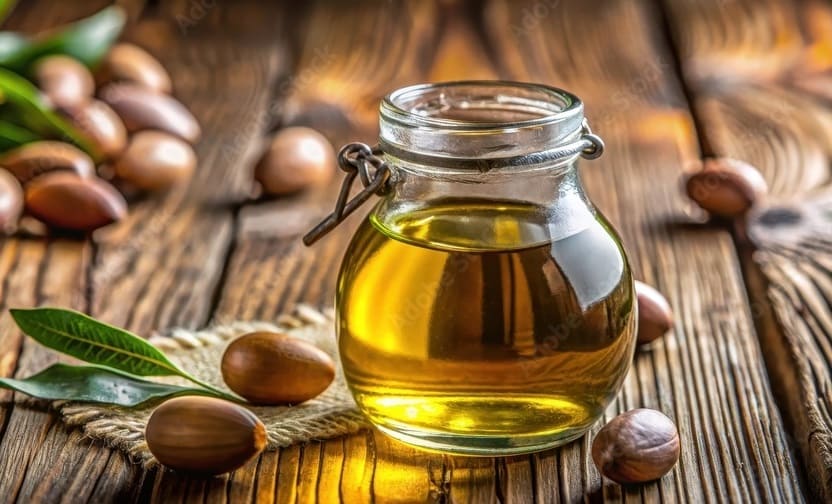
Argan oil has often been called “liquid gold”—and for good reason. Extracted from the kernels of the argan tree (Argania spinosa), which grows almost exclusively in Morocco, this oil has been treasured for centuries for its remarkable nutritional and cosmetic benefits. Whether drizzled on salads or massaged into your scalp, argan oil is a natural multitasker that supports health inside and out. In this guide, we’ll explore everything you need to know about argan oil—what it is, its nutrition facts, its health benefits, side effects, how to use it, recommended dosage, and much more.
What is Argan Oil?
Argan oil is a plant-based oil derived from the kernels (nuts) of the argan tree, a species native to Morocco. Traditionally, Moroccan women extracted the oil by hand—cracking the nuts, grinding the kernels, and pressing them to obtain the golden liquid. Today, modern techniques have made the process more efficient while retaining its purity and richness.
There are two main types of argan oil:
- Culinary argan oil – Made from roasted kernels, used in cooking and salads.
- Cosmetic argan oil – Made from raw kernels, used for skin, hair, and nail care.
Argan oil has a mild, nutty flavor when consumed and a smooth, non-greasy texture when applied topically. It is rich in essential fatty acids, antioxidants, and vitamin E—all of which make it one of the most powerful natural oils available.
Nutrition Facts of Argan Oil
Below is the approximate nutritional composition of 1 tablespoon (15 ml) of pure argan oil:
| Nutrient | Amount per 15 ml (1 tbsp) | % Daily Value (approx.) |
|---|---|---|
| Calories | 120 kcal | — |
| Total Fat | 14 g | 21% |
| Saturated Fat | 2 g | 10% |
| Monounsaturated Fat | 7 g | — |
| Polyunsaturated Fat | 5 g | — |
| Vitamin E (Tocopherol) | 2.5 mg | 17% |
| Omega-6 Fatty Acids | 4 g | — |
| Omega-9 Fatty Acids | 6 g | — |
| Plant Sterols | Trace | — |
| Carbohydrates | 0 g | — |
| Protein | 0 g | — |
Note: Values may vary depending on the source and extraction method.
Argan oil’s nutrient profile is what gives it its many powerful properties. It’s high in healthy fats and antioxidants that promote heart health, skin hydration, and overall wellness.
20 Proven Health Benefits of Argan Oil
Here are twenty science-backed and traditional health benefits of argan oil:
1. Moisturizes and Nourishes Skin
Oil deeply hydrates the skin without leaving it greasy. It helps lock in moisture and restore the skin’s natural barrier, making it ideal for dry and sensitive skin types.
2. Improves Hair Health
Rich in vitamin E and fatty acids, argan oil strengthens hair follicles, reduces frizz, and promotes natural shine. It’s often used as a leave-in conditioner or hair mask.
3. Promotes Heart Health
When consumed, oil supports heart health by improving cholesterol balance. It helps reduce LDL (bad cholesterol) and increase HDL (good cholesterol).
4. Has Anti-Inflammatory Properties
The antioxidants and omega-3 fatty acids in argan oil help reduce inflammation in the body, which can be beneficial for conditions like arthritis or joint pain.
5. Protects Against Free Radicals
Vitamin E and polyphenols act as antioxidants, fighting oxidative stress and protecting your cells from premature aging.
6. Supports Digestive Health
Culinary oil aids in digestion by increasing the concentration of pepsin, an enzyme that helps break down proteins efficiently.
7. May Regulate Blood Sugar Levels
Some studies suggest that oil might help regulate insulin levels and improve glucose metabolism, which can benefit people with diabetes.
8. Boosts Immune System
The essential fatty acids in argan oil support the immune system by enhancing cell function and promoting overall health.
9. Reduces Signs of Aging
Topically applied, oil helps smooth wrinkles and fine lines. Its antioxidants improve skin elasticity and boost collagen production.
10. Soothes Skin Conditions
People with eczema, psoriasis, or rosacea often find relief using oil due to its anti-inflammatory and healing properties.
11. Strengthens Nails
Argan oil softens cuticles and strengthens brittle nails, promoting healthier growth.
12. Improves Wound Healing
Due to its vitamin E and fatty acids, argan oil helps heal minor cuts, burns, and acne scars faster.
13. Promotes Scalp Health
Massaging argan oil into the scalp improves blood circulation and prevents dryness, itching, and dandruff.
14. Balances Oil Production
Even for oily skin, oil can help regulate sebum levels, preventing breakouts without clogging pores.
15. Enhances Brain Function
Its omega-9 fatty acids contribute to better cognitive function, memory, and focus.
16. Supports Weight Management
Healthy fats in oil can help improve metabolism, support fat breakdown, and make you feel fuller longer.
17. Improves Liver Function
Oil’s antioxidants support detoxification and liver regeneration processes.
18. Promotes Healthy Pregnancy
Its vitamin E content may support fetal development and prevent stretch marks in pregnant women.
19. Protects Against UV Damage
Oil can protect the skin from sun-induced damage due to its antioxidant and anti-inflammatory properties.
20. May Help Prevent Cancer
Early research suggests that compounds in argan oil might have anticancer properties by limiting cell mutation and tumor growth.
10 Side Effects of Argan Oil
While argan oil is generally safe for most people, there are a few side effects and precautions to keep in mind:
- Allergic Reactions – Some people may develop skin irritation, redness, or rashes. Always perform a patch test first.
- Digestive Discomfort – Overconsumption can cause stomach upset, diarrhea, or bloating.
- Low Blood Pressure – Oil may lower blood pressure slightly; people with hypotension should use it cautiously.
- Interference with Diabetes Medication – It may enhance the effects of insulin or other medications, lowering blood sugar too much.
- Contact Dermatitis – Rarely, it can trigger an allergic skin reaction, especially in people allergic to tree nuts.
- Greasy Hair or Skin – Excessive application can make hair oily or clog pores.
- Caloric Density – It’s high in calories, so excessive consumption can contribute to weight gain.
- Possible Drug Interactions – It may interact with cholesterol or blood pressure medications.
- Headaches – Some sensitive users have reported mild headaches after applying it near the scalp.
- Eye Irritation – Avoid applying near eyes, as it can cause discomfort or redness.
How to Use Argan Oil?
Oil can be used in several ways depending on the purpose:
- For Skin: Apply 2–3 drops directly after cleansing, gently massaging it into the face or body.
- For Hair: Warm a few drops in your palms and apply from mid-length to ends; leave for 30 minutes or overnight before washing.
- For Nails: Massage a drop into each nail bed daily.
- For Cooking: Use it as a salad dressing or drizzle over grilled vegetables. Avoid high-heat frying, as it may degrade the oil’s nutrients.
Other Uses of Argan Oil
- Lip Balm – Moisturizes and heals dry lips.
- Makeup Primer – Smooths the skin for an even makeup application.
- Massage Oil – Soothes sore muscles when mixed with essential oils.
- Beard Oil – Softens and nourishes facial hair.
- Aftershave Oil – Reduces irritation and hydrates the skin post-shaving.
- Stretch Mark Cream – Helps prevent and lighten stretch marks.
- Anti-frizz Serum – Adds shine to hair without weighing it down.
- Body Lotion Replacement – Acts as a natural moisturizer.
- Scalp Treatment – Heals dryness and flakiness.
- Bath Oil – Add a few drops to warm bath water for silky, hydrated skin.
Tips for Consuming Argan Oil
- Always choose culinary-grade oil for cooking and consumption.
- Avoid heating it excessively; use it as a finishing oil.
- Start with small amounts (half a teaspoon daily) and gradually increase if tolerated.
- Store in a dark glass bottle away from sunlight to preserve nutrients.
- Combine it with lemon juice or honey for a delicious salad dressing.
How to Take Argan Oil?
Oil can be taken in two main ways:
- Orally – As a supplement or food ingredient.
- Take 1–2 teaspoons daily.
- Mix with smoothies, salads, or yogurt.
- Topically – Apply directly to skin, hair, or nails.
- Use 2–3 drops at a time, as it’s potent and spreads easily.
How Much Argan Oil Can You Use Per Day?
The recommended daily intake of culinary argan oil is 1 to 2 tablespoons (15–30 ml).
For topical application, 2–4 drops are usually sufficient for the face, and 5–8 drops for hair, depending on length and thickness.
Argan Oil Dosage
| Purpose | Recommended Dosage | Form of Use |
|---|---|---|
| Skin hydration | 2–3 drops daily | Topical |
| Hair nourishment | 5–8 drops 2–3 times/week | Topical |
| Nail care | 1–2 drops per hand daily | Topical |
| Oral health/heart support | 1 tbsp daily | Culinary |
| Anti-aging support | 2 tsp daily | Culinary or capsule |
Always start with a small amount and observe your body’s reaction.
Best Time to Take Argan Oil
- Morning: For internal use, taking oil in the morning on an empty stomach supports digestion and energy.
- Evening: For skincare or haircare, apply it at night for deep absorption and repair.
- Before Bed: Perfect for overnight hair masks or facial hydration.
Who Should Take Argan Oil?
- Individuals with dry or sensitive skin
- Those experiencing hair fall or frizz
- People with high cholesterol or heart risk factors
- Individuals seeking natural anti-aging solutions
- People with joint inflammation or arthritis
- Anyone wanting to boost immune and liver health
Who Should Not Take Argan Oil?
- People with tree nut allergies (risk of allergic reaction)
- Individuals on blood pressure or diabetes medication without medical advice
- Those with very oily or acne-prone skin, as overuse may clog pores
- Pregnant or breastfeeding women should consult a doctor before internal use
- Children under 12 should avoid oral intake unless prescribed
How to Store Argan Oil?
Proper storage ensures longevity and effectiveness:
- Keep in a cool, dark place away from sunlight.
- Use amber or dark glass bottles to prevent oxidation.
- Close the cap tightly after each use.
- Shelf life is usually 12–24 months, depending on quality and storage conditions.
Precautions and Interactions
- Always buy pure, cold-pressed argan oil from trusted brands.
- Perform a patch test before first use on skin or hair.
- Do not heat above 150°C (300°F) for cooking purposes.
- If taking medication for diabetes, hypertension, or cholesterol, consult your doctor before consuming oil.
- Avoid using expired oil—it may lose its beneficial properties or cause irritation.
Final Thoughts
Argan oil is truly nature’s golden gift—a versatile, nutrient-rich oil that benefits your health, skin, and hair. From moisturizing dry patches to supporting heart health, its uses are nearly endless. However, as with any natural product, moderation and quality are key. Choose pure, organic argan oil, start small, and let your body and skin adapt. When used correctly, this Moroccan treasure can become your daily dose of natural beauty and wellness.
FAQ’s
What is argan oil used for?
Oil is used for moisturizing skin, nourishing hair, supporting heart health, and cooking. It’s also a popular natural remedy for dry skin, wrinkles, and brittle nails.
Is argan oil safe to use every day?
Yes, oil is safe for daily use in small amounts, both topically and orally. Always use pure, cold-pressed oil for the best results.
Can children take argan oil?
Children can use oil topically for skin hydration, but oral consumption should be avoided unless recommended by a healthcare professional.
Can pregnant women use argan oil?
Topical use is generally safe, but internal use should be discussed with a doctor to avoid potential interactions.
Is argan oil good for hair?
Absolutely, Argan oil deeply nourishes hair, reduces frizz, promotes shine, and helps repair split ends.
Which is better, coconut oil or argan oil for hair?
Coconut oil penetrates deeper into the hair shaft, while oil is lighter and ideal for smoothing and shine. Both are beneficial depending on hair type.
Is argan oil safe for oily skin?
Yes, in small amounts. It can balance sebum production, but overuse might clog pores for extremely oily skin.
Can argan oil be used for cooking?
Yes, but only culinary-grade oil should be used for food. It’s great for drizzling over salads and cooked dishes, not for frying.
How long does argan oil last?
Pure argan oil typically lasts 1–2 years if stored properly in a cool, dark place.
Does argan oil lighten skin?
No, oil doesn’t lighten skin, but it can improve skin tone, radiance, and texture by keeping it hydrated and healthy.
What does argan oil taste like?
Culinary oil has a rich, nutty flavor with a slightly roasted aroma. The taste is smooth and earthy, often compared to sesame or hazelnut oil. It adds a unique, warm depth to salads, couscous, and bread dips.
What is argan oil good for?
Oil is good for moisturizing skin, nourishing hair, promoting heart health, and reducing inflammation. It’s rich in antioxidants, vitamin E, and healthy fats that support both internal wellness and external beauty.
What is argan called in India?
In India, argan oil is often simply known as “Argan Oil” or “Moroccan Oil.” There’s no traditional Indian name for it since the argan tree is native to Morocco. However, it has become widely available in Indian beauty and wellness markets.
Can argan oil grow hair?
Yes, oil can promote healthy hair growth. It strengthens hair follicles, improves scalp circulation, and reduces breakage. Regular use helps nourish the scalp, which in turn encourages thicker and shinier hair growth.
How to use argan oil for eczema?
For eczema, apply a few drops of pure, cold-pressed oil directly to affected areas after a shower or before bedtime. It soothes itching, reduces redness, and helps repair the skin barrier. Always do a patch test first to ensure there’s no irritation.
Does argan oil reduce melanin?
No, oil does not reduce melanin. However, it can brighten the skin and improve texture by hydrating and protecting against sun damage. It helps maintain an even tone but doesn’t alter your natural pigmentation.
Can we apply argan oil on face daily?
Yes, you can safely apply oil to your face daily. It’s light, non-greasy, and suitable for most skin types. Regular use helps with dryness, fine lines, and dullness while giving your skin a healthy glow.
Does argan oil remove tan?
Oil doesn’t directly remove tan, but it can help fade sun damage and even out skin tone over time. Its antioxidants repair skin cells and restore radiance, which may gradually reduce tanning effects.
Do dermatologists recommend argan oil?
Yes, many dermatologists recommend oil for its hydrating, soothing, and antioxidant properties. It’s often suggested for dry skin, eczema, and aging concerns, provided it’s pure and free from additives.
Can I use argan oil as a sunscreen?
Oil offers some natural protection against UV damage but is not a substitute for sunscreen. It can complement your skincare routine by reducing sun-related inflammation, but you should always apply SPF for proper protection.
What is the best time to apply argan oil?
The best time to apply oil depends on the purpose:
- For skin: Apply at night for deep hydration.
- For hair: Use in the evening or before bed as a leave-in treatment.
- For internal use: Take in the morning with food for better absorption.
Also Read: