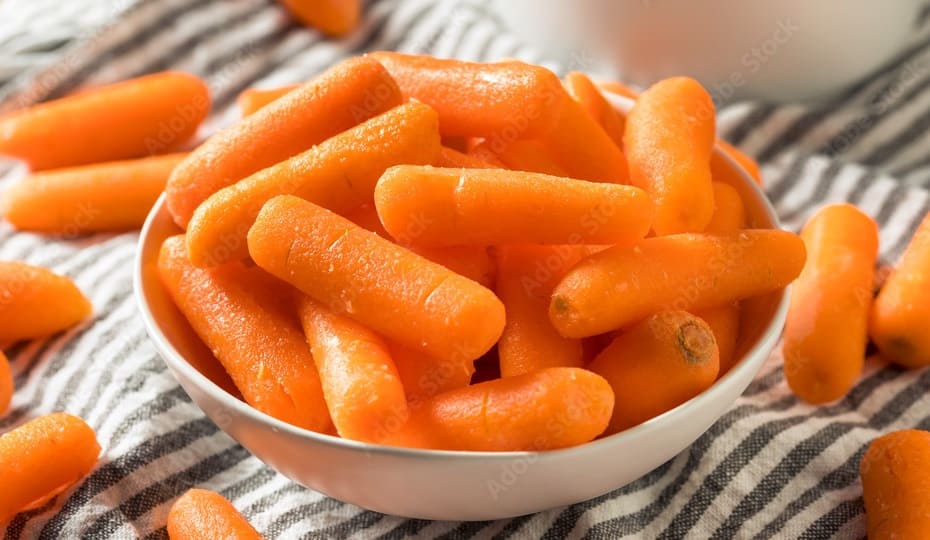
Baby carrots are a convenient and nutritious snack loved by people of all ages. These small, crunchy vegetables are essentially regular carrots that have been peeled and cut into bite-sized pieces, making them perfect for on-the-go snacking or quick meal additions. Packed with essential vitamins, minerals, and antioxidants, baby carrots not only add a burst of color and sweetness to your diet but also provide numerous health benefits.
From supporting eye health and boosting immunity to aiding digestion and promoting healthy skin, the advantages of including baby carrots in your daily meals are vast. However, like any food, they should be consumed in moderation, as excessive intake may lead to side effects such as digestive discomfort or skin yellowing.
In this guide, we will explore the nutrition of baby carrots, 20 science-backed health benefits, potential side effects, how to eat and cook them, recommended dosage, and storage tips. Whether you’re a health-conscious snacker or someone looking to make small dietary changes for better well-being, this article will help you understand why baby carrots are a simple yet powerful addition to your diet.
What is Baby Carrot?
Baby carrots are not a distinct variety of carrots but rather regular carrots that have been peeled and cut into smaller, bite-sized pieces. They are typically harvested early or made from larger carrots by cutting them down into uniform pieces. Known for their bright orange color, mild sweetness, and crunchy texture, baby carrots have become a popular snack around the world due to their convenience and health benefits.
Unlike regular carrots that may require washing, peeling, and chopping, baby carrots are pre-packaged and ready to eat, making them an excellent choice for busy lifestyles. They are often consumed raw, but they can also be incorporated into cooking, salads, juices, and even desserts.
Nutrition Facts of Baby Carrot
Here is the approximate nutritional profile for 100 grams of raw baby carrots:
| Nutrient | Amount per 100g |
|---|---|
| Calories | 35 kcal |
| Carbohydrates | 8.2 g |
| Sugars | 4.5 g |
| Dietary Fiber | 2.8 g |
| Protein | 0.8 g |
| Fat | 0.1 g |
| Vitamin A | 835 µg (93% DV) |
| Vitamin C | 7.6 mg (8% DV) |
| Vitamin K | 13.2 µg (11% DV) |
| Potassium | 320 mg (7% DV) |
| Calcium | 33 mg (3% DV) |
| Iron | 0.3 mg (2% DV) |
| Magnesium | 12 mg (3% DV) |
Baby carrots are low in calories, rich in vitamins and minerals, and particularly abundant in beta-carotene, which is converted into vitamin A in the body. This nutrient is essential for eye health, immune function, and skin maintenance.
20 Proven Health Benefits of Baby Carrot
- Supports Eye Health – High levels of beta-carotene help maintain healthy vision and prevent night blindness.
- Boosts Immunity – Vitamin C and antioxidants strengthen the immune system.
- Promotes Skin Health – Vitamin A supports skin repair and prevents dryness.
- Aids Digestion – Dietary fiber helps improve bowel movements and prevents constipation.
- Supports Heart Health – Fiber and potassium help regulate blood pressure and cholesterol levels.
- Weight Management – Low in calories and high in fiber, they help you feel full.
- Antioxidant Properties – Neutralizes free radicals and reduces oxidative stress.
- Reduces Cancer Risk – Carotenoids have been linked to lower risk of certain cancers.
- Enhances Oral Health – Chewing raw carrots stimulates gums and promotes saliva production, reducing plaque buildup.
- Supports Liver Function – Carotenoids help in detoxifying and maintaining liver health.
- Regulates Blood Sugar – Low glycemic index helps in managing blood sugar levels.
- Bone Health – Vitamin K and calcium contribute to stronger bones.
- Supports Brain Health – Antioxidants in carrots improve cognitive function and memory.
- Reduces Inflammation – Anti-inflammatory compounds help reduce chronic inflammation.
- Promotes Healthy Pregnancy – Vitamin A supports fetal development.
- Hydration – High water content aids in keeping the body hydrated.
- Detoxifies the Body – Fiber assists in removing toxins from the digestive system.
- Reduces Risk of Stroke – Regular consumption supports cardiovascular health.
- Enhances Hair Health – Nutrients like vitamin A strengthen hair follicles.
- Supports Vision Aging – Beta-carotene delays age-related macular degeneration.
10 Side Effects of Baby Carrot
Although baby carrots are generally safe, excessive consumption or allergies may cause side effects:
- Digestive Issues – Overeating can cause bloating, gas, or diarrhea.
- Vitamin A Toxicity – Extremely high intake may lead to hypervitaminosis A.
- Allergic Reactions – Rarely, some individuals may experience itching, swelling, or hives.
- Blood Sugar Concerns – People with diabetes should monitor intake if eating in very large amounts.
- Dental Wear – Excessive chewing may affect teeth in some sensitive individuals.
- Kidney Problems – High potassium levels may affect kidney function in susceptible individuals.
- Skin Yellowing – Too many carrots can cause carotenemia, a harmless yellowing of the skin.
- Interference with Medications – High vitamin A may interact with certain medications.
- Choking Hazard – Small pieces may be a risk for young children.
- Digestive Discomfort with Raw Intake – Some people may find raw carrots hard to digest.
How to Eat Baby Carrot?
Baby carrots are versatile and easy to incorporate into your diet:
- Raw – Enjoy as a snack with hummus, yogurt dip, or peanut butter.
- Salads – Slice or grate into green salads or coleslaw.
- Juices – Blend with other vegetables or fruits for a nutritious drink.
- Soups and Stews – Add directly to simmering dishes for flavor and texture.
- Roasted or Stir-Fried – Toss with olive oil and spices for a warm side dish.
Tips for Consuming Baby Carrot
- Wash thoroughly before eating to remove pesticides or dirt.
- Store in an airtight container in the refrigerator to maintain freshness.
- Combine with healthy fats, such as olive oil or avocado, to enhance vitamin A absorption.
- Avoid overcooking to preserve nutrients.
- Pair with protein sources for a balanced snack.
Other Uses of Baby Carrot
- Decorative Garnish – Perfect for adding color to dishes.
- Smoothies – Enhances nutrition and sweetness.
- Juicing for Detox – Often included in detox drinks.
- Baby Food – Soft, cooked carrots are ideal for infants.
- Animal Feed – Small carrots can be used as treats for pets.
How to Cook Baby Carrot?
- Steaming – Retains most nutrients while softening texture.
- Boiling – Quick method; avoid overcooking to prevent nutrient loss.
- Roasting – Toss with olive oil, salt, and pepper at 200°C for 20–25 minutes.
- Sautéing – Stir-fry with garlic or herbs for a tasty side.
- Microwaving – Minimal nutrient loss and convenient for busy days.
How Much Baby Carrot Can You Eat in a Day?
For adults, a serving of about 100–150 grams (8–10 pieces) per day is generally safe and beneficial. Overconsumption may cause digestive discomfort or skin yellowing due to excess beta-carotene.
Baby Carrot Dosage
- Adults: 100–150 grams per day.
- Children (2–12 years): 50–100 grams per day, depending on age and appetite.
- Infants (6–12 months): 25–50 grams, preferably cooked and mashed.
Best Time to Eat Baby Carrot
Baby carrots can be eaten any time of the day, but certain timings may enhance benefits:
- Morning: Helps with digestion and provides energy for the day.
- Afternoon Snack: Prevents unhealthy snacking.
- Evening: Light snack option without overloading calories.
Who Should Eat Baby Carrot?
- People seeking weight management due to low calories and high fiber.
- Individuals looking to improve vision and maintain eye health.
- Pregnant women needing vitamin A (within recommended limits).
- Those aiming to strengthen immunity and skin health.
- Anyone wanting a heart-healthy, natural snack.
Who Should Not Eat Baby Carrot?
- Individuals with carrot allergy or sensitivity.
- People with kidney issues may need to moderate intake due to potassium.
- Those on vitamin A supplements should avoid excessive carrot consumption.
- Young children who may choke on raw carrots without supervision.
How to Store Baby Carrot?
- Refrigeration: Store in an airtight container or sealed bag at 0–4°C.
- Avoid Moisture: Excess moisture can cause spoilage; pat dry before storing.
- Use Quickly: Best consumed within 1–2 weeks of purchase.
- Freezing: Blanch briefly and freeze for longer shelf life.
Precautions and Interactions
- Medication Interactions: High vitamin A intake may interact with blood thinners or retinoid medications.
- Allergies: Rare, but possible; consult a doctor if symptoms appear.
- Moderation is Key: Avoid excessive consumption to prevent carotenemia or digestive issues.
- Proper Hygiene: Wash thoroughly to remove pesticides or bacteria.
Conclusion
Baby carrots are an accessible, nutritious, and versatile vegetable that can be included in any diet. With their impressive health benefits, ease of consumption, and culinary versatility, they provide a practical way to boost overall health. By following recommended portions and storage tips, baby carrots can become a daily staple in your healthy lifestyle.
FAQ’s
Are baby carrots the same as regular carrots?
No, baby carrots are usually peeled and cut-down versions of regular carrots. Some are harvested early, while others are made from larger carrots trimmed into small pieces.
Can babies eat baby carrots?
Yes, but they should be cooked and mashed for infants aged 6–12 months to prevent choking. Raw carrots are suitable for older children under supervision.
Are baby carrots good for weight loss?
Yes, they are low in calories, high in fiber, and make a filling snack that helps control hunger and support weight management.
Can I eat baby carrots raw?
Absolutely. They are often consumed raw as a convenient snack or added to salads, smoothies, or dips.
Can baby carrots be cooked?
Yes. They can be steamed, boiled, roasted, sautéed, or microwaved. Cooking methods like steaming and roasting preserve most nutrients.
Can children eat baby carrots?
Yes, children can eat baby carrots, but they should be given in age-appropriate ways. For infants (6–12 months), it’s best to cook and mash them to prevent choking. Older children can enjoy raw baby carrots under supervision.
What does baby carrots taste like?
Baby carrots have a naturally sweet, mild flavor with a crunchy texture. They are less earthy than full-sized carrots, making them a popular snack for both kids and adults.
Is baby carrots safe to eat daily?
Yes, baby carrots are safe to eat daily in moderation. Eating 100–150 grams per day for adults is generally recommended. Excessive consumption may cause mild digestive discomfort or yellowing of the skin due to beta-carotene.
Can pregnant women eat baby carrots?
Yes, pregnant women can safely eat baby carrots. They provide essential nutrients like vitamin A, vitamin C, and fiber, which support both maternal health and fetal development. However, moderation is key to avoid excessive vitamin A intake.
What are baby carrots used for?
Baby carrots are versatile and can be used as a healthy snack, added to salads, soups, stews, or stir-fries, and even blended into juices or smoothies. They are also used as garnishes or in baby food for infants.
Are baby carrots high in sugar?
Baby carrots contain natural sugars, but they are not considered high in sugar. One 100-gram serving has about 4–5 grams of sugar, which is moderate and safe for most people when consumed in recommended portions.
Can a diabetic eat a baby carrot?
Yes, diabetics can eat baby carrots in moderation. They have a low glycemic index, and the fiber content helps regulate blood sugar levels. It’s best to pair them with protein or healthy fats for better blood sugar control.
Also Read: