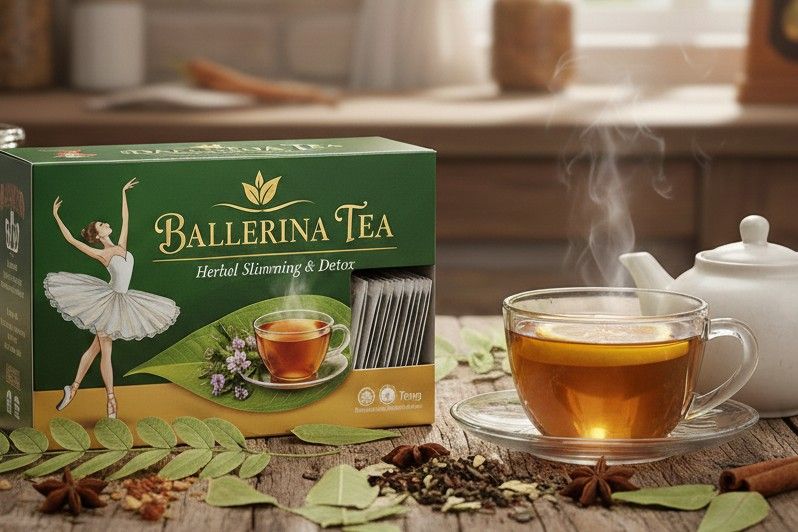
Ballerina Tea, often marketed as a slimming or detox tea, has gained widespread popularity across Asia, the United States, and other parts of the world. Known for its strong herbal laxative effects, this tea is frequently used for short-term weight management and digestive cleansing. However, despite its popularity, Ballerina Tea is also one of the most misunderstood herbal teas. This guide explores what Ballerina Tea really is, its nutritional profile, science-backed benefits, potential risks, and how to consume it safely.
What Is Ballerina Tea?
Ballerina Tea is a herbal tea blend primarily made from senna leaves or senna pods, sometimes combined with Chinese mallow, green tea, ginseng, or lotus leaf depending on the brand. Despite the name, it does not help users achieve a “ballerina body” through fat burning. Instead, its effects come mainly from its natural stimulant laxative properties.
Senna, the key ingredient, has been used for centuries in traditional medicine to treat constipation. When brewed as tea, senna stimulates bowel movements by irritating the intestinal lining and increasing muscle contractions in the colon.
Ballerina Tea is commonly sold as:
- “3 Ballerina Tea”
- “Chinese Slimming Tea”
- “Dieters’ Tea”
It is often caffeine-free unless blended with green tea.
Components of Ballerina Tea
Ballerina Tea contains minimal nutrients because it is not consumed for nourishment but for its herbal compounds.
| Nutrient / Compound | Approximate Amount (per cup) |
|---|---|
| Calories | 0–5 kcal |
| Carbohydrates | 0 g |
| Protein | 0 g |
| Fat | 0 g |
| Fiber | Trace amounts |
| Caffeine | 0 mg (unless blended) |
| Sennosides | 15–30 mg (varies by brand) |
| Polyphenols | Small amounts |
| Vitamins | Not significant |
| Minerals | Trace potassium, magnesium |
20 Science-Backed Benefits of Ballerina Tea
1. Relieves Occasional Constipation
Senna contains sennosides that stimulate intestinal muscle contractions, making Ballerina Tea effective for short-term constipation relief.
2. Promotes Bowel Regularity (Short Term)
It can help reset bowel movements in people experiencing temporary digestive sluggishness.
3. Helps Reduce Water Weight
The tea flushes excess water from the body, which may lead to short-term weight reduction.
4. Supports Colon Cleansing
Ballerina Tea is sometimes used before medical procedures to empty the bowels.
5. Reduces Temporary Bloating
By clearing intestinal waste, it may reduce abdominal bloating caused by constipation.
6. Improves Digestive Transit Time
It speeds up stool movement through the colon, preventing prolonged waste retention.
7. Assists Detox Programs
Some people use it as part of short detox regimens, though the liver does most detox work naturally.
8. May Improve Gut Motility
Stimulates nerve endings in the intestinal wall, improving peristalsis.
9. Can Help After Travel Constipation
Useful for constipation caused by changes in routine or diet.
10. Aids Post-Surgery Constipation
Often recommended short-term after surgery when opioid medications slow digestion.
11. May Reduce Feeling of Heaviness
Clearing the bowels can reduce discomfort and abdominal pressure.
12. Supports Temporary Appetite Reduction
Frequent bowel movements may reduce hunger sensations for a short period.
13. Can Ease Constipation-Related Headaches
By eliminating waste buildup, some users report reduced pressure headaches.
14. May Improve Bowel Awareness
Users often become more aware of digestive health and hydration needs.
15. Helps with Infrequent Bowel Movements
Effective for people who experience constipation only occasionally.
16. Acts Quickly
Effects typically occur within 6–12 hours after consumption.
17. Easy to Prepare
Simple brewing process makes it accessible for short-term use.
18. Plant-Based Laxative Option
A natural alternative to synthetic laxatives when used responsibly.
19. Can Aid Weight Management Plans (Indirectly)
Weight changes result from water loss, not fat loss, but may motivate lifestyle changes.
20. Historically Used in Traditional Medicine
Senna has centuries of documented medicinal use under controlled conditions.
10 Side Effects of Ballerina Tea
1. Abdominal Cramping
Strong intestinal contractions may cause painful cramps.
2. Diarrhea
Overuse can lead to excessive bowel movements and discomfort.
3. Dehydration
Frequent stools can cause fluid loss if water intake is inadequate.
4. Electrolyte Imbalance
Loss of potassium may cause weakness, dizziness, or irregular heartbeat.
5. Dependency Risk
Long-term use may cause the bowels to rely on stimulation to function.
6. Nausea
Especially common when consumed on an empty stomach.
7. Fatigue
Electrolyte loss can result in low energy levels.
8. Darkened Stool or Urine
Harmless but alarming discoloration may occur.
9. Worsening Digestive Disorders
Can aggravate IBS, Crohn’s disease, or ulcerative colitis.
10. Liver Strain (Rare)
Prolonged or excessive use has been linked to liver injury in rare cases.
How to Make Ballerina Tea?
- Boil 1 cup of water
- Add 1 tea bag or 1 teaspoon of loose Ballerina Tea
- Steep for 3–5 minutes only
- Strain and let cool slightly
- Drink once daily, preferably in the evening
Avoid steeping longer than recommended, as this increases side effects.
Other Uses of Ballerina Tea
- Pre-medical procedure bowel preparation
- Occasional digestive reset
- Short-term bloating relief
- Post-travel constipation
- Temporary cleansing routines
It should not be used as a daily wellness tea.
How Much Ballerina Tea Can You Drink a Day?
- Maximum: 1 cup per day
- Duration: No more than 3–5 consecutive days
- Frequency: Not more than once per week regularly
Daily long-term use is not recommended.
Tips for Consuming Ballerina Tea Safely
- Drink plenty of water throughout the day
- Avoid combining with other laxatives
- Start with half strength if new to senna
- Never use for weight loss purposes
- Stop use if cramps or diarrhea occur
Best Time to Drink Ballerina Tea
The best time is at night, about 6–8 hours before waking up. This allows bowel movement effects to occur naturally in the morning.
Avoid drinking it before work, travel, or sleep if sensitive.
Who Should Drink Ballerina Tea?
- Adults with occasional constipation
- Individuals experiencing travel-related digestive issues
- People advised by a healthcare professional
- Those needing short-term bowel relief
Who Should Not Drink Ballerina Tea?
- Pregnant or breastfeeding women
- Children and teenagers
- People with chronic digestive disorders
- Individuals with kidney or heart disease
- Those with eating disorders
- People on diuretics or heart medications
Precautions and Interactions
Ballerina Tea may interact with:
- Diuretics
- Blood pressure medications
- Heart rhythm drugs
- Steroids
- Digoxin
Prolonged use may reduce potassium levels, increasing the risk of complications. Always consult a healthcare provider if you plan to use it regularly or have underlying conditions.
Final Thoughts
Ballerina Tea is a powerful herbal laxative, not a miracle weight-loss tea. When used responsibly and occasionally, it can be effective for relieving constipation and temporary digestive discomfort. However, misuse or long-term consumption can lead to serious health risks. Treat Tea as a short-term digestive aid, not a daily wellness drink, and always prioritize hydration, fiber intake, and balanced nutrition for long-term gut health.
FAQ’s
What is Ballerina Tea used for?
Tea is mainly used for short-term relief from constipation and to reduce bloating caused by slow digestion.
Does Ballerina Tea help with weight loss?
Tea may cause temporary weight loss due to water loss, not fat loss, and should not be used as a weight-loss solution.
How long does it take for Ballerina Tea to work?
It usually works within 6 to 12 hours after drinking.
Is it safe to drink Ballerina Tea every day?
No, daily use is not recommended as it may cause dependency, dehydration, and electrolyte imbalance.
Can I drink Ballerina Tea on an empty stomach?
Drinking it on an empty stomach may cause cramps or nausea; it is better taken after a light meal.
Is Ballerina Tea caffeine-free?
Most Tea varieties are caffeine-free unless blended with green tea.
Can Ballerina Tea cause diarrhea?
Yes, excessive or frequent use can lead to diarrhea and abdominal discomfort.
Is Ballerina Tea safe during pregnancy?
No, it should be avoided during pregnancy and breastfeeding.
What is Ballerina Tea made from?
Tea is mainly made from senna leaves or pods, sometimes blended with herbs like Chinese mallow or green tea.
How should Ballerina Tea be stored?
Store it in a cool, dry place in an airtight container, away from heat and sunlight.
Is Ballerina Tea safe for children?
No, Tea is not safe for children due to its strong laxative effects.
What is Ballerina Tea good for?
It is used for short-term relief from occasional constipation and bloating.
What does Ballerina Tea taste like?
It has a mildly bitter, earthy herbal taste.
Also Read: