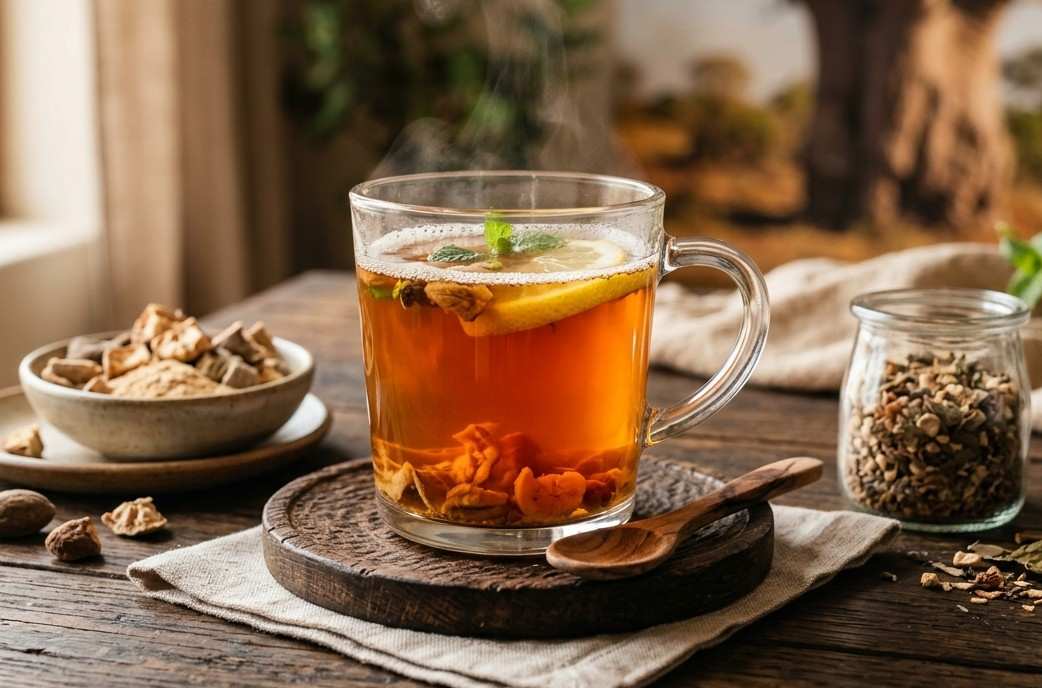
Baobab tea is a nutrient-rich herbal beverage made from the fruit pulp or leaves of the baobab tree. Known as the “Tree of Life,” baobab has been used for centuries in African traditional medicine and cuisine. In recent years, baobab tea has gained global popularity due to its impressive nutritional profile and potential health benefits. This guide explores everything you need to know about baobab tea, including its nutritional facts, science-backed benefits, side effects, preparation methods, and safety considerations.
What Is Baobab Tea?
Baobab tea is a herbal infusion made from the dried pulp, leaves, or sometimes bark of the baobab tree. The most commonly used species is Adansonia digitata, native to Africa. The fruit pulp is naturally dried inside the hard shell of the fruit and then powdered to create a tangy, citrus-flavored ingredient used in beverages and foods.
Baobab tea has a slightly sweet and sour taste, similar to citrus, and is caffeine-free. Because the pulp is naturally dehydrated, it retains high levels of nutrients without requiring artificial drying processes. Traditionally, baobab has been used to support digestion, boost immunity, enhance energy, and promote overall wellness. Modern research is now validating many of these traditional uses.
Nutritional Facts of Baobab Tea
The nutritional content of baobab tea depends on the amount of baobab powder used. The values below are based on approximately 10 grams (about 1 tablespoon) of baobab powder used to prepare tea.
| Nutrient | Approximate Amount (Per 10g) | Health Significance |
|---|---|---|
| Calories | 25–30 kcal | Low-calorie beverage option |
| Carbohydrates | 7–8 g | Natural energy source |
| Dietary Fiber | 4–5 g | Supports digestion and gut health |
| Vitamin C | 80–100 mg | Powerful antioxidant and immune support |
| Calcium | 25–30 mg | Bone health support |
| Potassium | 200–300 mg | Electrolyte balance and heart health |
| Magnesium | 20–25 mg | Muscle and nerve function |
| Iron | 0.3–0.5 mg | Red blood cell production |
| Polyphenols | High | Antioxidant and anti-inflammatory effects |
| Prebiotic Compounds | Present | Supports beneficial gut bacteria |
Baobab is particularly known for its exceptionally high vitamin C and fiber content, which contribute significantly to its health benefits.
20 Science-Backed Benefits of Baobab Tea
- Rich in Antioxidants – Baobab tea is loaded with vitamin C and polyphenols that help fight oxidative stress and protect cells from damage.
- Boosts Immunity – Its exceptionally high vitamin C content strengthens immune defenses and supports infection resistance.
- Supports Digestive Health – The soluble fiber in baobab tea promotes healthy digestion and gut regularity.
- Acts as a Prebiotic – Baobab nourishes beneficial gut bacteria, improving microbiome balance.
- Helps Relieve Constipation – Its fiber content adds bulk to stool and supports smoother bowel movements.
- Regulates Blood Sugar Levels – Baobab may slow carbohydrate absorption and reduce post-meal glucose spikes.
- Promotes Heart Health – Potassium and antioxidants help support healthy blood pressure and cardiovascular function.
- Reduces Inflammation – Natural bioactive compounds help lower inflammatory markers in the body.
- Enhances Skin Health – Vitamin C supports collagen production, improving skin elasticity and glow.
- Improves Iron Absorption – The vitamin C content enhances absorption of plant-based iron.
- Provides Natural Energy – Baobab offers sustained energy without caffeine-related jitters.
- Supports Weight Management – High fiber content promotes fullness and reduces overeating.
- Strengthens Bones – Calcium and magnesium contribute to improved bone density.
- Supports Hydration – Natural electrolytes like potassium help maintain fluid balance.
- May Lower Cholesterol – Soluble fiber may assist in reducing LDL cholesterol levels.
- Combats Fatigue – Essential nutrients help support cellular energy production.
- Supports Liver Health – Antioxidants may protect liver cells from oxidative stress.
- Promotes Healthy Aging – Antioxidant compounds help slow cellular aging processes.
- May Support Brain Function – Reduced oxidative stress may benefit cognitive performance.
- Caffeine-Free Wellness Drink – It provides health benefits without stimulating the nervous system.
10 Side Effects of Baobab Tea
- Digestive Discomfort – High fiber intake may cause bloating or gas in sensitive individuals.
- Diarrhea – Excessive consumption may lead to loose stools.
- Stomach Cramps – Rapid increase in fiber intake can trigger abdominal cramping.
- Blood Sugar Drops – It may enhance glucose-lowering effects in people on diabetes medication.
- Low Blood Pressure – Baobab may intensify the effects of antihypertensive drugs.
- Allergic Reactions – Rarely, individuals may experience itching, rash, or swelling.
- Medication Absorption Interference – High fiber content may reduce absorption of certain medications.
- Iron Overload Risk – Enhanced iron absorption may not be suitable for individuals with hemochromatosis.
- Kidney Stone Risk – High vitamin C intake may increase oxalate levels in susceptible people.
- Pregnancy Safety Unclear – Limited research exists on high-dose use during pregnancy or breastfeeding.
How to Make Baobab Tea?
Ingredients:
- 1 tablespoon baobab powder
- 1 cup warm or hot water
- Optional: honey, lemon, or ginger
Instructions:
- Heat water until warm (not boiling to preserve vitamin C).
- Add baobab powder to a cup.
- Pour warm water over the powder.
- Stir thoroughly until dissolved.
- Add optional sweeteners or flavor enhancers.
- Drink immediately.
Baobab tea can also be prepared cold by mixing the powder into room-temperature water and stirring well.
Other Uses of Baobab Tea
Baobab powder used in tea can also be incorporated into:
- Smoothies
- Yogurt
- Oatmeal
- Salad dressings
- Energy bars
- Baking recipes
- Homemade electrolyte drinks
- Face masks (for skincare)
Its tangy flavor enhances both sweet and savory dishes.
How Much Baobab Tea Can You Drink a Day?
Most health experts suggest consuming 1–2 tablespoons (10–20 grams) of baobab powder per day. This equals approximately 1–2 cups of baobab tea daily.
It is advisable to start with smaller amounts (1 teaspoon) and gradually increase intake to allow the digestive system to adjust. Excessive intake may lead to digestive discomfort due to its high fiber content.
Tips for Consuming Baobab Tea
- Start with small amounts to prevent digestive upset.
- Drink plenty of water to support fiber digestion.
- Avoid boiling water to preserve vitamin C.
- Consume between meals for better nutrient absorption.
- Store baobab powder in an airtight container away from moisture.
- Combine with vitamin D-rich foods to support calcium absorption.
- If taking medications, space consumption at least 1–2 hours apart.
Best Time to Drink Baobab Tea
- Morning: Supports energy levels and digestion without caffeine.
- Before Meals: May help regulate blood sugar response.
- After Meals: Aids digestion and supports gut health.
- Mid-Afternoon: Provides a natural energy lift without disrupting sleep.
Since it is caffeine-free, baobab tea can also be consumed in the evening.
Who Should Drink Baobab Tea?
- Individuals seeking immune support
- People with digestive issues like constipation
- Those looking for natural energy without caffeine
- Individuals aiming for weight management
- Athletes needing electrolyte support
- People wanting to increase antioxidant intake
- Vegetarians needing improved iron absorption
Who Should Not Drink Baobab Tea?
- Individuals with kidney stone history
- People with iron overload disorders
- Those on blood sugar-lowering medication without medical supervision
- Individuals with known allergies to baobab
- Pregnant or breastfeeding women without medical advice
- People with sensitive digestive systems starting high-fiber diets
Precautions and Interactions
- Consult a healthcare provider if you are on medication for diabetes or blood pressure.
- Space baobab tea away from medications to prevent reduced absorption.
- Introduce gradually to avoid digestive discomfort.
- Monitor blood sugar levels if diabetic.
- Avoid excessive intake to reduce risk of gastrointestinal issues.
- Ensure you purchase high-quality, organic baobab powder to avoid contamination.
Conclusion
Baobab tea is a nutrient-dense herbal beverage rich in vitamin C, fiber, antioxidants, and essential minerals. Its potential benefits include improved digestion, enhanced immunity, better heart health, blood sugar regulation, and support for healthy aging.
While generally safe for most people, moderation is key due to its high fiber and vitamin C content. Starting slowly and consulting a healthcare professional—especially if you have underlying health conditions—can help ensure safe consumption.
FAQ’s
What is baobab tea good for?
Baobab tea is good for supporting immunity, improving digestion, promoting gut health, enhancing skin health, regulating blood sugar, and providing antioxidant protection due to its high vitamin C, fiber, and polyphenol content.
Is baobab better than moringa?
Baobab and moringa offer different benefits—baobab is especially rich in vitamin C and fiber for immunity and digestion, while moringa is higher in protein, iron, and certain antioxidants—so one is not necessarily better than the other, but depends on your health goals.
What is baobab called in India?
In India, baobab is commonly known as “Gorakh Imli” in Hindi and is sometimes referred to as “Kalpavriksha” in certain regions.
Is baobab tea good for fatty liver?
Baobab tea may support liver health due to its antioxidant and anti-inflammatory properties, but it should not replace medical treatment for fatty liver disease and should be used alongside proper diet and medical guidance.
What does baobab tea taste like?
Baobab tea has a mildly sweet and tangy flavor similar to citrus, often compared to lemon or grapefruit with a light fruity note.
Is baobab tea caffeine-free?
Yes, baobab tea is naturally caffeine-free, making it suitable for people sensitive to caffeine or those who prefer evening herbal drinks.
Can I drink baobab tea every day?
Yes, most people can safely drink 1–2 cups daily, but it’s best to start with small amounts due to its high fiber content.
Is baobab tea good for weight loss?
Baobab tea may support weight management because its high fiber content promotes fullness and helps control appetite.
Does baobab tea help with digestion?
Yes, baobab tea contains soluble fiber that acts as a prebiotic, supporting gut bacteria and improving digestion.
Can baobab tea lower blood sugar?
Some studies suggest baobab may help regulate blood sugar levels, but people with diabetes should consult a healthcare provider before regular use.
Is baobab tea safe during pregnancy?
There is limited research on high-dose use during pregnancy, so pregnant or breastfeeding women should consult a healthcare professional before drinking it regularly.
Does baobab tea improve skin health?
Yes, its high vitamin C content supports collagen production, which may promote healthier and more radiant skin.
How long does it take to see benefits from baobab tea?
Digestive benefits may appear within a few days, while immune and skin-related improvements may take a few weeks of consistent use.
Can children drink baobab tea?
In small amounts, it is generally considered safe, but portions should be adjusted, and pediatric advice is recommended for regular use.
Can baobab tea cause stomach upset?
Yes, consuming large amounts may cause bloating, gas, or diarrhea due to its high fiber content.
Is baobab tea good for immunity?
Yes, baobab tea is rich in vitamin C and antioxidants that support immune system function.
How should baobab powder be stored?
Store it in an airtight container in a cool, dry place away from moisture and direct sunlight.
Can baobab tea be consumed cold?
Yes, baobab tea can be mixed with cold or room-temperature water and stirred well for a refreshing drink.
Also Read: