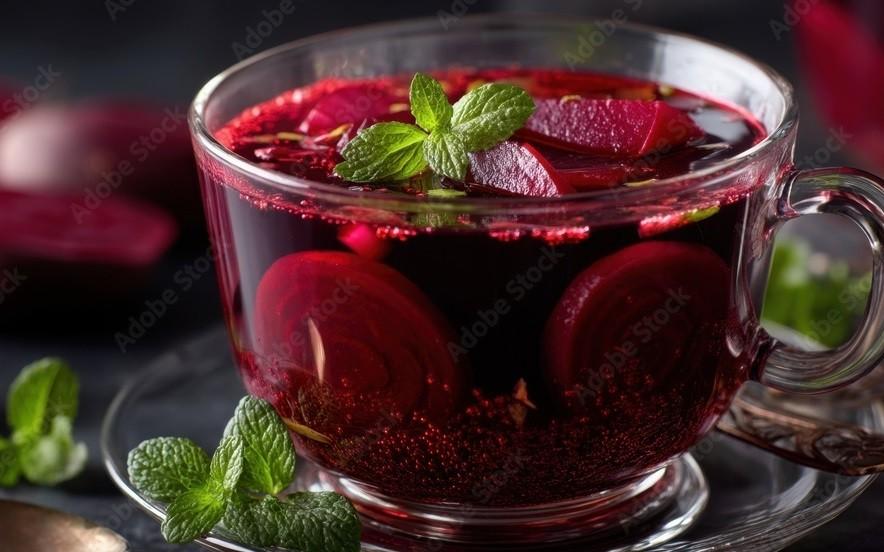
Beetroot has long been valued in traditional and modern nutrition for its vibrant color and impressive nutrient profile. While most people enjoy it roasted, juiced, or added to salads, beetroot tea is an increasingly popular alternative for those seeking a warm, earthy beverage with potential health benefits. Made from fresh slices or dried beetroot, this tea offers a gentle way to consume plant compounds such as nitrates, antioxidants, and vitamins that may support overall wellness. In this guide, we explore everything you need to know about beetroot tea — from its proven health benefits to preparation tips, side effects, and best consumption practices.
What is Beetroot Tea?
Beetroot tea is a herbal infusion prepared by steeping fresh, dried, or powdered beetroot in hot water. Unlike traditional teas derived from the Camellia sinensis plant, beetroot tea is naturally caffeine-free and categorized as an herbal beverage.
Beetroot (Beta vulgaris) is a root vegetable rich in natural pigments called betalains, along with dietary nitrates, vitamins, and minerals. When brewed as tea, these compounds dissolve into the liquid, giving the drink a reddish hue and mild earthy sweetness.
This tea has gained attention among health enthusiasts for its potential cardiovascular benefits, detox support, and role in improving stamina. It is also appealing to individuals looking for non-caffeinated drinks that still offer functional health advantages.
Nutritional Facts of Beetroot Tea
The nutritional profile of beetroot tea varies depending on concentration and preparation. Since it is an infusion rather than whole consumption, the nutrient content is lighter than raw beetroot but still beneficial.
| Nutrient | Approximate Amount (per 1 cup) |
|---|---|
| Calories | 10–20 kcal |
| Carbohydrates | 2–4 g |
| Sugars | 1–2 g |
| Vitamin C | Small trace |
| Folate | Trace amounts |
| Potassium | 50–100 mg |
| Magnesium | Small trace |
| Iron | Small trace |
| Dietary Nitrates | Present |
| Antioxidants (Betalains) | Present |
Note: Values are approximate and vary depending on beet quantity and brewing time.
20 Science-Backed Benefits of Beetroot Tea
- Supports Heart Health: Beetroot tea contains dietary nitrates that may improve blood vessel function and contribute to cardiovascular wellness.
- Helps Lower Blood Pressure: The nitrates in beetroot tea may convert to nitric oxide in the body, helping relax blood vessels and reduce blood pressure levels.
- Enhances Exercise Endurance: Regular consumption may improve oxygen efficiency and stamina during physical activity.
- Rich in Antioxidants: Beetroot tea provides betalains and other antioxidants that help combat oxidative stress.
- Promotes Healthy Circulation: Nitric oxide production may improve overall blood flow throughout the body.
- Supports Brain Function: Improved circulation may enhance cognitive performance and mental clarity.
- Aids Liver Detoxification: Plant compounds in beetroot may support the body’s natural detox processes.
- Improves Digestive Comfort: Warm herbal infusions like beetroot tea may gently stimulate digestion.
- Encourages Skin Health: Antioxidants and hydration from the tea may support skin vitality.
- May Reduce Inflammation: Bioactive compounds in beetroot may help moderate inflammatory responses.
- Supports Red Blood Cell Formation: Trace folate content may assist processes related to healthy blood cell production.
- Boosts Natural Energy: Nutrients and hydration may help maintain energy levels without caffeine stimulation.
- Supports Immune Defense: Antioxidants and micronutrients may strengthen immune resilience.
- Encourages Kidney Function: Adequate hydration combined with plant compounds may support natural filtration processes.
- Assists Weight Management: Its low calorie content makes it suitable for balanced weight-conscious diets.
- Promotes Hydration: Drinking beetroot tea contributes to daily fluid intake and metabolic support.
- Supports Oxygen Utilization: Improved nitric oxide availability may help tissues use oxygen efficiently.
- Contributes to Bone Maintenance: Trace minerals such as magnesium may play a role in bone health.
- Encourages Hormonal Balance: Nutrients and antioxidants may support metabolic and hormonal stability.
- Provides Relaxation-Friendly Beverage Option: Being caffeine-free, beetroot tea can be consumed without causing stimulation or sleep disruption.
10 Side Effects of Beetroot Tea
- May Cause Red Urine or Stool: Consumption can lead to harmless discoloration known as beeturia.
- Could Lower Blood Pressure Excessively: Individuals with low blood pressure may experience dizziness or weakness.
- May Increase Kidney Stone Risk: Oxalates in beetroot may contribute to stone formation in susceptible individuals.
- Can Trigger Digestive Upset: Some people may experience bloating, gas, or stomach discomfort.
- Possible Allergic Reaction: Rare sensitivities may cause itching, swelling, or skin irritation.
- May Affect Blood Sugar Levels: Natural sugars could influence glucose management in sensitive individuals.
- Potential Medication Interaction: Beetroot compounds may interact with blood pressure or nitrate-based medications.
- Temporary Tooth or Cup Staining: Strong pigments may leave mild staining after consumption.
- May Interfere With Mineral Balance: Excessive intake may influence absorption of certain minerals.
- Overconsumption Risks: Drinking large quantities may lead to digestive or metabolic imbalance.
How to Make Beetroot Tea?
Using Fresh Beetroot
- Wash and peel one small beetroot.
- Slice thinly or grate.
- Add slices to two cups of boiling water.
- Simmer for 10–15 minutes.
- Strain and serve warm.
Using Dried Beetroot
- Add one teaspoon dried beetroot to hot water.
- Steep for 8–10 minutes.
- Strain before drinking.
Optional additions include ginger, lemon, or cinnamon for flavor enhancement.
Other Uses of Beetroot Tea
Beetroot tea is not limited to drinking. It can be incorporated in various ways:
- Used as a base for smoothies or soups
- Added to rice or grains for natural coloring
- Utilized in homemade skincare rinses
- Mixed into sauces or broths
- Used as a natural food dye in baking
How Much Beetroot Tea Can You Drink a Day?
Most individuals can safely consume:
- 1–2 cups daily as part of a balanced diet
- Athletes or active individuals may occasionally consume slightly more
Excess intake should be avoided unless guided by a healthcare professional.
Tips for Consuming Beetroot Tea
- Start with small servings to assess tolerance
- Use organic or thoroughly washed beetroot
- Avoid over-sweetening
- Combine with citrus to improve flavor
- Drink freshly brewed for best nutrient retention
- Maintain balanced dietary variety
Best Time to Drink Beetroot Tea
- Morning: Supports hydration and circulation
- Before exercise: May enhance stamina
- Afternoon: Provides caffeine-free refreshment
- Evening: Safe due to absence of stimulants
Who Should Drink Beetroot Tea?
- Individuals seeking caffeine-free beverages
- People interested in cardiovascular wellness
- Athletes looking to support endurance
- Those increasing antioxidant intake
- Individuals maintaining hydration habits
Who Should Not Drink Beetroot Tea?
- People prone to kidney stones
- Those with very low blood pressure
- Individuals allergic to beetroot
- People on specific medications without consultation
- Anyone advised dietary restrictions by a doctor
Precautions and Interactions
- Consult healthcare professionals if pregnant, breastfeeding, or managing chronic conditions
- Monitor intake if taking blood pressure medication
- Avoid excessive consumption
- Store prepared tea safely and consume fresh
- Observe body responses and discontinue if adverse effects occur
Conclusion
Beetroot tea is a simple yet nutritionally interesting herbal beverage offering hydration and access to beneficial plant compounds. With its earthy taste and vibrant color, it serves as both a functional drink and a versatile culinary ingredient. Scientific studies on beetroot components support potential roles in cardiovascular health, endurance, and antioxidant protection, though it should not replace medical treatment or balanced nutrition.
Consumed in moderation and prepared properly, beetroot tea can be a wholesome addition to daily wellness routines. As with any dietary habit, mindful intake and awareness of individual health conditions are key to maximizing benefits while minimizing risks.
FAQ’s
What does beetroot tea taste like?
Beetroot tea has a mild earthy flavor with natural sweetness, and its taste can be enhanced by adding lemon, ginger, cinnamon, or honey.
Is beetroot tea caffeine-free?
Yes, beetroot tea is naturally caffeine-free because it is made from a root vegetable rather than tea leaves.
Can I drink beetroot tea every day?
Most healthy adults can safely drink 1–2 cups daily as part of a balanced diet, provided there are no medical restrictions.
Does beetroot tea help with blood pressure?
Beetroot contains nitrates that may support healthy blood vessel function and contribute to maintaining normal blood pressure levels.
Can beetroot tea improve exercise performance?
Some research suggests dietary nitrates may enhance oxygen use and stamina, which may benefit physical performance.
Is beetroot tea good for weight loss?
Beetroot tea is low in calories and can support hydration, making it a helpful addition to weight management routines when combined with healthy lifestyle habits.
Can pregnant women drink beetroot tea?
Pregnant individuals should consult a healthcare professional before consuming herbal beverages regularly to ensure safety.
Does beetroot tea detox the body?
While beetroot contains compounds that support natural liver function, the body detoxifies itself naturally, and tea should not be considered a cure or treatment.
Why does beetroot tea change urine color?
The pigments in beetroot may cause red or pink discoloration of urine or stool, which is generally harmless and temporary.
Can beetroot tea cause kidney stones?
People prone to kidney stones should moderate intake because beetroot contains oxalates that may contribute to stone formation.
How should beetroot tea be stored?
Freshly brewed tea should be consumed immediately or refrigerated in a sealed container and used within 24 hours.
Can children drink beetroot tea?
Small amounts are generally safe, but portion size and suitability should be discussed with a healthcare provider.
Is fresh or dried beetroot better for tea?
Both are suitable; fresh beetroot may offer stronger flavor, while dried beetroot provides convenience and longer shelf life.
Can beetroot tea replace eating beetroot?
No, drinking the tea does not provide the same fiber and full nutrient content as consuming whole beetroot.
What is Beetroot Tea made from?
Beetroot tea is made by steeping fresh slices, dried pieces, or powdered beetroot root in hot water, sometimes combined with ingredients like ginger, lemon, or spices for added flavor.
How long does it take for Beetroot Tea to work?
The effects of beetroot tea vary depending on the purpose and individual response, but compounds such as dietary nitrates may begin influencing circulation within a few hours, while general wellness benefits typically require consistent consumption over time.
What is Beetroot Tea good for?
Beetroot tea is commonly consumed to support heart health, promote healthy circulation, provide antioxidants, aid hydration, and contribute to stamina and overall wellness when included as part of a balanced diet.
Also Read: