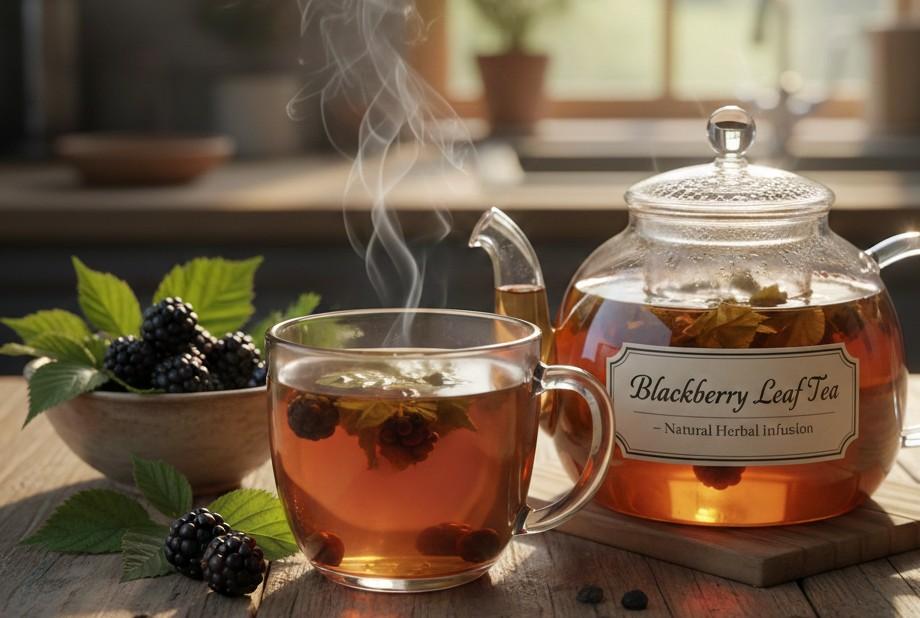
Blackberry Leaf Tea is a traditional herbal infusion made from the leaves of the blackberry plant. While most people are familiar with the delicious fruit, the leaves have long been valued in herbal medicine for their therapeutic properties. Rich in tannins, flavonoids, and antioxidants, blackberry leaves offer a range of potential health benefits when brewed into tea. This guide explores everything you need to know about Blackberry Leaf Tea, including its proven health benefits, side effects, preparation methods, and safety considerations.
What is Blackberry Leaf Tea?
Blackberry Leaf Tea is an herbal tea prepared from the dried leaves of the blackberry plant, scientifically known as Rubus fruticosus. The plant belongs to the Rosaceae family and grows widely across Europe, North America, and parts of Asia.
Traditionally used in European folk medicine, blackberry leaf tea has been consumed for digestive issues, sore throats, wound healing, and women’s reproductive health. The leaves contain high amounts of tannins, which give the tea its slightly astringent taste and therapeutic properties. Unlike black or green tea derived from Camellia sinensis, blackberry leaf tea is naturally caffeine-free, making it suitable for people seeking a soothing herbal alternative.
Components of Blackberry Leaf Tea
Although herbal teas are not significant sources of macronutrients, blackberry leaves contain several bioactive compounds that contribute to their health benefits. Below is an approximate nutritional profile per 1 cup (240 ml) of brewed blackberry leaf tea:
| Nutrient / Compound | Approximate Amount |
|---|---|
| Calories | 0–2 kcal |
| Carbohydrates | 0 g |
| Protein | 0 g |
| Fat | 0 g |
| Vitamin C | Trace amounts |
| Vitamin K | Small amounts |
| Calcium | Small amounts |
| Magnesium | Small amounts |
| Iron | Trace amounts |
| Tannins | High |
| Flavonoids | Moderate to high |
| Ellagic Acid | Present |
| Antioxidants | High |
The primary benefits of Blackberry Leaf Tea come from its polyphenols, tannins, and antioxidant compounds rather than calories or macronutrients.
20 Science-Backed Benefits of Blackberry Leaf Tea
- Rich in Antioxidants – Blackberry leaf tea contains flavonoids and polyphenols that help neutralize harmful free radicals in the body.
- Supports Digestive Health – The natural tannins help reduce diarrhea by tightening intestinal tissues and decreasing inflammation.
- Relieves Sore Throat – Its astringent and antimicrobial properties may soothe throat irritation and reduce swelling.
- Promotes Oral Health – Gargling blackberry leaf tea can help reduce gum inflammation and minor mouth infections.
- Supports Immune Function – Antioxidants and vitamin C traces may strengthen the immune system’s response to infections.
- Reduces Inflammation – The polyphenols present in the leaves may help lower inflammatory markers in the body.
- May Help Regulate Blood Sugar – Some research on blackberry leaf extracts suggests potential benefits for glucose metabolism.
- Supports Cardiovascular Health – Antioxidants may help protect blood vessels from oxidative stress.
- Promotes Skin Healing – Topical use may help reduce minor skin irritations and accelerate healing.
- May Aid Weight Management – Being calorie-free and caffeine-free, it can support hydration and healthy metabolism.
- Supports Women’s Reproductive Health – Traditionally used to tone uterine muscles and ease menstrual discomfort.
- Relieves Mild Diarrhea – The high tannin content helps firm up stools naturally.
- May Reduce Oxidative Stress – Regular intake may decrease cellular damage linked to chronic diseases.
- Supports Respiratory Health – Herbalists traditionally used it for mild coughs and bronchial irritation.
- May Have Antimicrobial Properties – Certain compounds may inhibit the growth of harmful bacteria.
- Supports Liver Health – Antioxidants may assist in protecting liver cells from damage.
- May Improve Gut Microbiome – Polyphenols can positively influence beneficial gut bacteria.
- Supports Joint Health – Anti-inflammatory effects may help reduce mild joint discomfort.
- May Promote Detoxification – Acts as a mild cleansing herbal infusion supporting natural detox pathways.
- Supports Overall Wellness – Its combination of antioxidants, minerals, and plant compounds contributes to general health maintenance.
10 Side Effects of Blackberry Leaf Tea
- Digestive Discomfort – Excessive consumption may cause stomach upset due to high tannin content.
- Constipation – The strong astringent properties may worsen constipation if overused.
- Nausea – Sensitive individuals may experience mild nausea after drinking strong brews.
- Allergic Reactions – Rare cases of allergic response may occur in people sensitive to plants in the Rosaceae family.
- Iron Absorption Interference – Tannins may reduce iron absorption if consumed with meals.
- Dry Mouth – The astringent nature may cause temporary dryness in the mouth.
- Low Blood Sugar – People on diabetes medication should monitor levels carefully.
- Pregnancy Concerns – Should be used cautiously during pregnancy unless advised by a healthcare provider.
- Interaction with Medications – May interfere with certain medications due to its bioactive compounds.
- Overuse Toxicity – Extremely high doses of concentrated extracts may lead to unwanted side effects.
How to Make Blackberry Leaf Tea?
Ingredients:
- 1–2 teaspoons dried blackberry leaves
- 1 cup (240 ml) hot water
Instructions:
- Boil fresh water and allow it to cool slightly (about 90–95°C).
- Add dried blackberry leaves to a teapot or cup.
- Pour hot water over the leaves.
- Cover and steep for 10–15 minutes.
- Strain and serve warm.
Optional: Add honey or lemon for flavor enhancement.
For medicinal purposes, a stronger infusion can be made by steeping for up to 20 minutes.
Other Uses of Blackberry Leaf Tea
- Gargle for sore throat relief
- Mouth rinse for gum care
- Skin compress for minor wounds
- Hair rinse for scalp health
- Mild facial toner due to astringent properties
How Much Blackberry Leaf Tea Can You Drink a Day?
For most healthy adults, 1–3 cups per day is considered safe. Moderate consumption helps avoid excessive tannin intake while still providing benefits.
If using it for digestive support or sore throat relief, short-term use of 2–3 cups daily is generally sufficient. Long-term daily use should be discussed with a healthcare provider.
Tips for Consuming Blackberry Leaf Tea
- Use high-quality organic dried leaves.
- Avoid drinking immediately with iron-rich meals.
- Start with one cup daily to assess tolerance.
- Store dried leaves in an airtight container away from sunlight.
- Avoid very strong brews unless recommended.
Best Time to Drink Blackberry Leaf Tea
- After meals for digestive support
- During sore throat episodes
- Between meals for antioxidant benefits
- In the evening, since it is caffeine-free
Who Should Drink Blackberry Leaf Tea?
- Individuals seeking natural digestive support
- People with occasional diarrhea
- Those wanting a caffeine-free herbal tea
- Individuals interested in antioxidant-rich beverages
- Adults seeking traditional herbal wellness support
Who Should Not Drink Blackberry Leaf Tea?
- People with chronic constipation
- Individuals with severe iron deficiency
- Pregnant women without medical supervision
- Those allergic to blackberry or related plants
- Individuals on certain medications without consulting a doctor
Precautions and Interactions
Blackberry leaf tea is generally safe when consumed in moderate amounts. However, precautions should be taken:
- Consult a healthcare provider if pregnant or breastfeeding.
- Monitor blood sugar levels if diabetic.
- Avoid consuming large quantities with iron supplements.
- Stop use if any allergic symptoms occur.
- Speak to a healthcare professional before combining with prescription medications.
Final Thoughts
Blackberry Leaf Tea is a traditional herbal remedy with a long history of use in natural medicine. Rich in tannins, flavonoids, and antioxidants, it offers potential benefits for digestion, immune support, inflammation reduction, and overall wellness. While generally safe for most people, moderation is key due to its strong astringent properties. As with any herbal remedy, it is best used thoughtfully and, when necessary, under professional guidance.
FAQ’s
What does Blackberry Leaf Tea taste like?
Blackberry Leaf Tea has a mild, earthy flavor with slightly sweet undertones and a noticeable astringent (drying) finish due to its tannin content.
Is Blackberry Leaf Tea caffeine-free?
Yes, Blackberry Leaf Tea is naturally caffeine-free since it is not made from the Camellia sinensis plant.
Can I drink Blackberry Leaf Tea every day?
Most healthy adults can safely drink 1–3 cups daily in moderation, but long-term use should be discussed with a healthcare provider.
Is Blackberry Leaf Tea good for digestion?
Yes, its high tannin content may help reduce mild diarrhea and support digestive health by tightening intestinal tissues.
Can Blackberry Leaf Tea help with sore throat?
Yes, its natural astringent and antimicrobial properties may help soothe throat irritation when consumed warm or used as a gargle.
Does Blackberry Leaf Tea help with weight loss?
While not a direct weight-loss remedy, it is calorie-free and can support hydration, which may assist in a healthy weight management plan.
Is Blackberry Leaf Tea safe during pregnancy?
Pregnant women should consult a healthcare professional before consuming it, as herbal teas can have varying effects during pregnancy.
Can Blackberry Leaf Tea lower blood sugar?
Some research on blackberry leaf extracts suggests potential support for blood sugar regulation, but individuals with diabetes should monitor levels carefully.
Does Blackberry Leaf Tea interfere with iron absorption?
Yes, the tannins in blackberry leaves may reduce iron absorption if consumed alongside iron-rich meals or supplements.
How long does it take for Blackberry Leaf Tea to work?
For digestive relief, effects may be noticed within a few hours, while antioxidant and wellness benefits may require consistent use over time.
Can children drink Blackberry Leaf Tea?
Small amounts may be used occasionally for digestive support, but it is best to consult a pediatrician before giving herbal teas to children.
How should Blackberry Leaf Tea be stored?
Store dried blackberry leaves in an airtight container in a cool, dry place away from sunlight to preserve their potency.
Can I use fresh blackberry leaves instead of dried ones?
Yes, fresh leaves can be used, but they should be thoroughly washed and slightly crushed before steeping to release beneficial compounds.
Is Blackberry Leaf Tea safe for long-term use?
Moderate consumption is generally safe, but extended daily use should be monitored to avoid excessive tannin intake.
Can I mix Blackberry Leaf Tea with other herbs?
Yes, it can be blended with herbs like chamomile or peppermint to enhance flavor and potential health benefits, provided there are no contraindications.
What is Blackberry Leaf Tea made from?
Blackberry Leaf Tea is made from the dried leaves of the blackberry plant (Rubus fruticosus), which are harvested, dried, and brewed in hot water to create a caffeine-free herbal infusion.
What is Blackberry Leaf Tea good for?
Blackberry Leaf Tea is traditionally used for digestive support, soothing sore throats, reducing mild diarrhea, supporting immune health, and providing antioxidant protection due to its high tannin and flavonoid content.
Is blackberry leaf tea good for kidneys?
There is limited scientific research specifically linking blackberry leaf tea to kidney health, but its antioxidant properties may help reduce oxidative stress in the body; however, individuals with kidney disease should consult a healthcare professional before using it regularly.
Is blackberry leaves tea good for diabetes?
Some studies on blackberry leaf extracts suggest potential benefits for blood sugar regulation, but more human research is needed; people with diabetes should monitor blood sugar levels carefully and consult their doctor before using it as a supportive remedy.
Also Read: