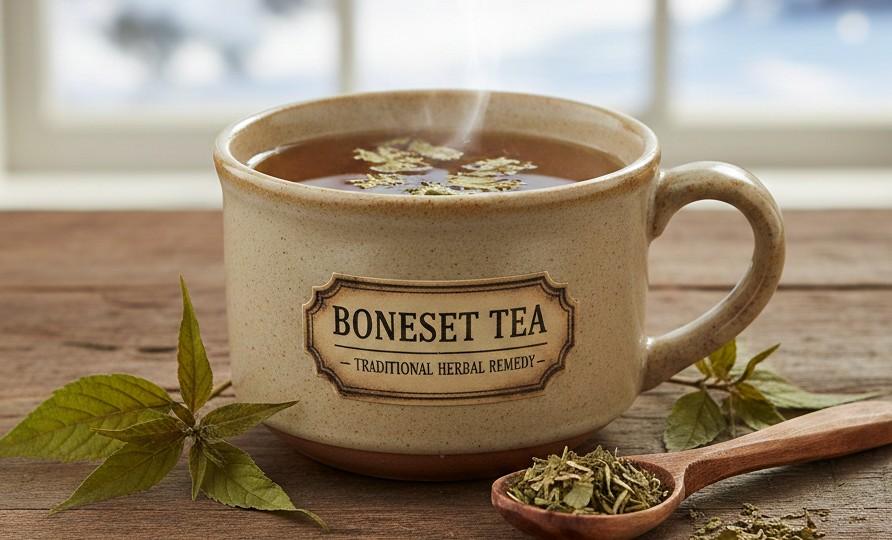
Herbal teas have been valued for centuries for their soothing qualities and traditional healing uses. Among these lesser-known herbal infusions is boneset tea — a bitter, aromatic brew made from the leaves and flowering tops of the boneset plant. Although it is not as widely consumed as chamomile or peppermint tea, boneset tea has a long history in traditional herbal practices, particularly for seasonal illnesses and digestive discomfort.
Today, interest in herbal remedies is rising again, and boneset tea is being explored not only for its folk uses but also for its phytochemical content and potential therapeutic properties. However, like many medicinal herbs, it should be consumed with awareness of both its benefits and possible risks. This guide explores everything you need to know about boneset tea, from proven health benefits to preparation methods, safety precautions, and ideal consumption practices.
What is Boneset Tea?
Boneset tea is a herbal infusion prepared from the dried aerial parts — mainly leaves and flowers — of the boneset plant (Eupatorium perfoliatum). The plant is native to North America and has been used in traditional medicine for centuries, particularly by Indigenous communities and early settlers.
The name “boneset” originated from its historical use during outbreaks of illnesses that caused severe body aches, such as dengue-like fevers known as “breakbone fever.” People believed the herb helped relieve deep muscle and joint discomfort, hence the name.
Boneset tea is characterized by:
- A strong, bitter taste
- Earthy herbal aroma
- Traditionally used warming effect on the body
The tea is commonly consumed for immune support, fever management, and digestive relief. Modern herbalists continue to use it cautiously, as it contains potent plant compounds that require mindful dosing.
Components of Boneset Tea
Boneset tea is not consumed for macronutrient content like calories or protein. Instead, its value lies in bioactive plant compounds such as flavonoids, polysaccharides, and bitter principles. Below is an approximate nutritional and phytochemical profile per cup (240 ml) of brewed tea:
| Component | Approximate Amount | Role |
|---|---|---|
| Calories | 1–2 kcal | Minimal energy contribution |
| Carbohydrates | Trace | Negligible |
| Protein | 0 g | Not significant |
| Fat | 0 g | Not present |
| Flavonoids | Present | Antioxidant activity |
| Bitter compounds | Present | Digestive stimulation |
| Essential oils | Trace | Aroma and therapeutic effects |
| Tannins | Small amounts | Astringent properties |
| Sesquiterpene lactones | Present | Bioactive plant chemicals |
| Alkaloids | Trace | Potential physiological effects |
Note: Nutritional values vary depending on preparation strength and plant quality.
20 Science-Backed Benefits of Boneset Tea
- Immune System Support: Boneset tea contains plant compounds that may help strengthen the body’s natural immune response.
- Anti-Inflammatory Effects: Its bioactive phytochemicals may assist in reducing mild inflammation in tissues and joints.
- Fever Relief Support: Traditionally, boneset tea has been used to promote sweating, which may aid the body in regulating body temperature.
- Cold and Flu Comfort: Drinking warm boneset tea may help soothe symptoms such as congestion and body aches.
- Pain Relief: The herb’s anti-inflammatory properties may help ease minor muscular discomfort.
- Digestive Stimulation: Bitter components in boneset tea may stimulate digestive enzymes and support digestion.
- Appetite Enhancement: Its bitter profile may encourage appetite in individuals experiencing reduced hunger.
- Respiratory Support: Boneset tea may help loosen mucus and provide comfort during respiratory irritation.
- Antioxidant Protection: Flavonoids present in the herb may help neutralize oxidative stress in the body.
- Circulation Support: Herbal stimulation may contribute to mild improvements in blood flow.
- Mild Laxative Effect: Some individuals may experience gentle bowel stimulation after consumption.
- Stress Comfort: Warm herbal beverages may promote relaxation and emotional ease.
- Skin Health Support: Antioxidant intake from boneset tea may contribute to maintaining healthy skin.
- Joint Mobility Support: Anti-inflammatory activity may support flexibility and reduce stiffness.
- Blood Sugar Regulation Support: Preliminary research suggests plant compounds may influence metabolic balance.
- Menstrual Discomfort Relief: Traditional use includes easing minor cramps or discomfort during menstruation.
- Hydration Support: Herbal infusions contribute to overall daily fluid intake.
- Antimicrobial Potential: Some compounds demonstrate mild microbial inhibition in laboratory studies.
- Detoxification Support: Boneset tea has historically been used to support natural cleansing processes.
- Seasonal Wellness Tonic: It has traditionally been consumed as a short-term tonic for general vitality support.
10 Side Effects of Boneset Tea
- Liver Toxicity Risk: Boneset contains compounds that may harm the liver if consumed excessively or over long periods.
- Nausea: Its strong bitterness may cause stomach discomfort in sensitive individuals.
- Vomiting: High intake may trigger digestive upset or vomiting.
- Allergic Reactions: Some people may experience skin irritation or breathing discomfort.
- Dizziness: Overconsumption may lead to lightheadedness.
- Drug Interactions: Active plant chemicals may interfere with certain medications.
- Pregnancy Concerns: Boneset tea is not recommended during pregnancy due to potential safety risks.
- Breastfeeding Risks: Insufficient research makes it unsuitable while nursing.
- Kidney Strain: Excessive intake may place stress on detoxifying organs.
- Long-Term Toxicity: Continuous prolonged use may increase the risk of cumulative adverse effects.
How to Make Boneset Tea?
Ingredients:
- 1–2 teaspoons dried boneset herb
- 1 cup boiling water
Instructions:
- Place dried herb into a cup or teapot.
- Pour boiling water over the herb.
- Cover and steep for 10–15 minutes.
- Strain before drinking.
Optional additions such as honey or lemon may help reduce bitterness.
Other Uses of Boneset Tea
- Used as a warm compress for muscle comfort
- Added to herbal bath blends
- Utilized in traditional detox regimens
- Applied in steam inhalation practices
- Included in seasonal wellness tonics
How Much Boneset Tea Can You Drink a Day?
Moderation is critical with boneset tea.
- Typical traditional use: 1 cup per day
- Occasional short-term use during illness
- Avoid prolonged continuous consumption
- Always consult a healthcare professional for therapeutic use
Excess intake is not recommended due to potential toxicity.
Tips for Consuming Boneset Tea
- Start with a mild brew strength
- Avoid daily long-term use
- Purchase herbs from reputable suppliers
- Combine with sweeter herbs to improve taste
- Monitor your body’s response
- Drink slowly and in small quantities
- Do not exceed suggested intake
Best Time to Drink Boneset Tea
- During early cold or flu symptoms
- After meals for digestive support
- In the evening for relaxation
- When hydration and warmth are desired
Avoid consuming on an empty stomach if bitterness causes discomfort.
Who Should Drink Boneset Tea?
- Adults seeking traditional herbal wellness support
- Individuals exploring immune-supportive herbal teas
- Those interested in seasonal herbal tonics
- People looking for digestive stimulation
It should always be used mindfully and not as a replacement for medical care.
Who Should Not Drink Boneset Tea?
- Pregnant individuals
- Breastfeeding mothers
- Children
- People with liver conditions
- Individuals taking complex medications
- Those sensitive to bitter herbs
Consult a healthcare professional before use if unsure.
Precautions and Interactions
- Avoid long-term or high-dose consumption
- Monitor for allergic reactions
- Discontinue use if adverse symptoms occur
- Do not mix with hepatotoxic medications
- Seek medical advice if using alongside prescription drugs
- Store herbs properly to avoid contamination
Boneset tea contains potent plant compounds that warrant careful, informed use. While it offers promising traditional and research-supported benefits, safety awareness is essential.
Final Thoughts
Boneset tea represents an intriguing example of how traditional herbal knowledge continues to intersect with modern wellness exploration. Its historical role in supporting immune comfort, easing aches, and promoting digestion has sparked renewed curiosity among herbal enthusiasts. Yet, it is not a casual everyday beverage — it is a medicinal herb that should be approached with respect, moderation, and proper guidance.
Understanding both its advantages and risks allows individuals to make informed decisions about incorporating boneset tea into their lifestyle. When used thoughtfully, it may serve as a supportive addition to holistic wellness practices, but it should never replace professional healthcare or prescribed treatments.
FAQ’s
What is boneset tea used for?
Boneset tea is traditionally used to support immune health, ease cold and flu discomfort, stimulate digestion, and promote overall wellness.
Can I drink boneset tea every day?
Boneset tea is generally not recommended for daily long-term use due to its potent plant compounds, and it is best consumed occasionally and in moderation.
What does boneset tea taste like?
Boneset tea has a strong, bitter, earthy flavor that some people soften with honey or lemon.
Is boneset tea safe during pregnancy?
Boneset tea is not recommended during pregnancy due to potential safety concerns and insufficient research.
Can children drink boneset tea?
Boneset tea is generally not considered suitable for children because of its potency and lack of safety data.
Does boneset tea help with colds?
Traditionally, boneset tea has been used to provide comfort during cold symptoms, though it should not replace medical treatment.
How should boneset tea be stored?
Dried boneset herbs should be stored in an airtight container in a cool, dark place to maintain freshness.
What is Boneset Tea made from?
Boneset tea is made from the dried leaves and flowering tops of the boneset plant (Eupatorium perfoliatum), which are steeped in hot water to create a bitter herbal infusion.
How long does it take for Boneset Tea to work?
The time it takes for boneset tea to show noticeable effects varies by individual and purpose, but traditional use suggests mild comfort or warming effects may be felt within a few hours, while broader wellness benefits may require consistent short-term use.
What is Boneset Tea good for?
Boneset tea is commonly used in traditional herbal practices to support immune health, ease cold and flu discomfort, stimulate digestion, and promote general seasonal wellness.
Also Read: