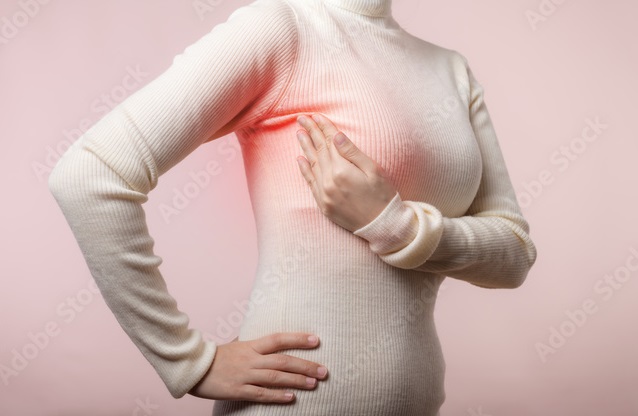
Breast lumps are one of the most common reasons women visit a doctor. Finding a lump in your breast can be frightening, but not all lumps are cancer. In fact, most breast lumps are benign (non-cancerous). Understanding what breast lumps are, why they happen, and how they are evaluated can help reduce anxiety and encourage timely medical care. This guide explains the types of breast lumps, possible causes, warning signs, diagnostic procedures, treatment options, and preventive measures.
What Are Breast Lumps?
A breast lump is a localized swelling, bump, or mass in the breast tissue that feels different from the surrounding tissue. Lumps can vary in size, texture, and tenderness. Some are soft and movable, while others may feel hard and fixed in place.
Breast lumps can occur in women of all ages and, less commonly, in men. They may develop due to hormonal changes, infections, injuries, cysts, or tumors. While many lumps are harmless, some can be an early sign of breast cancer.
How Common Are Breast Lumps?
Breast lumps are very common, especially in women between the ages of 20 and 50. Hormonal fluctuations during menstruation, pregnancy, breastfeeding, and menopause often contribute to changes in breast tissue.
According to the American Cancer Society, most breast lumps are benign, particularly in younger women. However, any new or unusual lump should always be evaluated by a healthcare professional.
Types of Breast Lumps
Breast lumps can be broadly categorized as benign or malignant.
1. Benign Breast Lumps
Benign lumps are non-cancerous and often related to hormonal changes or structural variations in breast tissue.
Fibroadenomas
Fibroadenomas are solid, smooth, rubbery lumps that are common in women under 30. They usually move easily under the skin and are painless. These are non-cancerous tumors composed of glandular and fibrous tissue.
Breast Cysts
Cysts are fluid-filled sacs that may feel soft or firm. They often fluctuate in size during the menstrual cycle and can be tender before a period.
Fibrocystic Breast Changes
This condition involves lumpy, rope-like breast tissue, often accompanied by tenderness. It is very common and not considered a disease.
Lipomas
Lipomas are soft, fatty lumps that grow slowly under the skin. They are generally painless and harmless.
Mastitis and Abscess
Infections, particularly in breastfeeding women, can cause painful lumps. Mastitis may lead to redness, warmth, and fever. If untreated, it can form an abscess.
2. Malignant Breast Lumps
Malignant lumps are cancerous and require prompt medical attention. They may feel hard, irregular in shape, and fixed in position. Unlike cysts, they usually do not fluctuate with the menstrual cycle.
Breast cancer develops when abnormal cells grow uncontrollably in the breast tissue. Early detection significantly improves treatment outcomes.
Causes of Breast Lumps
Breast lumps can develop for many reasons. Some common causes include:
1. Hormonal Changes:
Estrogen and progesterone fluctuations during the menstrual cycle can cause swelling and lumpiness. Pregnancy and menopause also influence breast tissue.
2. Infections:
Bacterial infections, particularly during breastfeeding, may result in painful lumps.
3. Injury or Trauma:
A blow to the breast can cause fat necrosis, forming a firm lump.
4. Cysts:
Blocked milk ducts or hormonal changes can lead to fluid accumulation.
5. Tumors:
Both benign and malignant tumors can form in breast tissue.
Symptoms Associated with Breast Lumps
Not all breast lumps cause symptoms, but possible signs include:
- A noticeable mass in the breast or underarm
- Breast pain or tenderness
- Swelling in part of the breast
- Changes in breast size or shape
- Skin dimpling or puckering
- Redness or warmth
- Nipple discharge
- Nipple inversion
Certain warning signs, such as skin changes resembling an orange peel or bloody nipple discharge, should be evaluated immediately.
When to See a Doctor?
You should consult a healthcare provider if you notice:
- A new lump that persists after your menstrual cycle
- A hard, immovable mass
- Skin changes or nipple discharge
- Persistent breast pain in one area
- Swollen lymph nodes in the armpit
Early evaluation does not necessarily mean cancer, but it ensures timely diagnosis and peace of mind.
How Breast Lumps Are Diagnosed?
Diagnosis involves a combination of physical examination and imaging tests.
Clinical Breast Exam
A healthcare provider manually examines the breasts and underarm area for abnormalities.
Mammogram
A mammogram is an X-ray of the breast used to detect abnormal masses. Women over 40 are typically advised to undergo regular screening.
Ultrasound
An ultrasound uses sound waves to determine whether a lump is solid or fluid-filled.
MRI
Magnetic resonance imaging provides detailed images and may be recommended for high-risk individuals.
Biopsy
If imaging suggests suspicious features, a biopsy is performed. A small sample of tissue is removed and examined under a microscope to determine whether it is cancerous.
Understanding Breast Cancer Risk Factors
Not all breast lumps are cancer, but understanding risk factors can help assess your level of concern.
Common risk factors include:
- Increasing age
- Family history of breast cancer
- Genetic mutations (such as BRCA1 and BRCA2)
- Early menstruation or late menopause
- Hormone replacement therapy
- Obesity
- Alcohol consumption
- Previous radiation exposure
Having one or more risk factors does not mean you will develop breast cancer, but it may warrant closer monitoring.
Breast Lumps During Different Life Stages
Adolescence
Teenage girls often develop fibroadenomas due to hormonal changes. Most are benign.
Pregnancy
Hormonal surges and milk production can cause lumps. However, any persistent lump should still be evaluated.
Breastfeeding
Blocked milk ducts and mastitis are common causes of lumps during this stage.
Menopause
Hormonal changes can alter breast density. Postmenopausal lumps are more likely to require thorough evaluation.
Treatment Options for Breast Lumps
Treatment depends on the underlying cause.
1. Observation:
Some benign lumps require no treatment and may resolve on their own.
2. Medication:
Antibiotics are used for infections. Hormonal therapy may be recommended in certain cases.
3. Aspiration:
Fluid-filled cysts can be drained with a needle.
4. Surgical Removal:
Benign tumors like large fibroadenomas may be surgically removed if they cause discomfort or grow rapidly.
5. Cancer Treatment:
If the lump is cancerous, treatment may include:
- Surgery (lumpectomy or mastectomy)
- Chemotherapy
- Radiation therapy
- Hormone therapy
- Targeted therapy
Treatment plans are individualized based on the cancer stage and patient health.
Self-Examination: Should You Do It?
While formal guidelines vary, becoming familiar with your breasts helps you notice changes early. Instead of focusing on a strict monthly self-exam routine, experts recommend breast self-awareness. You should know how your breasts normally look and feel so that you can recognize unusual changes.
Prevention and Risk Reduction
Although not all breast lumps are preventable, certain lifestyle measures may reduce risk:
- Maintain a healthy weight
- Exercise regularly
- Limit alcohol intake
- Avoid smoking
- Breastfeed if possible
- Attend recommended screenings
Regular check-ups and screening mammograms are essential for early detection.
Emotional Impact of Finding a Breast Lump
Discovering a breast lump can cause anxiety, fear, and stress. Waiting for test results may be emotionally challenging. It is important to seek support from family, friends, or counseling services during this time. Remember that most breast lumps are not cancer. Early evaluation and modern medical advancements have significantly improved outcomes.
Breast Lumps in Men
Although less common, men can also develop breast lumps. Causes include:
- Gynecomastia (enlarged male breast tissue)
- Cysts
- Infections
- Breast cancer
Men should also seek medical evaluation if they notice a lump, nipple discharge, or skin changes.
Conclusion
Breast lumps are a common health concern and can occur for many reasons, most of which are not cancerous. Understanding the possible causes and knowing when to seek medical advice can make a significant difference in outcomes. Early detection remains one of the most powerful tools in managing breast health. If you notice any changes in your breasts, do not ignore them. Timely medical evaluation ensures proper diagnosis and peace of mind.
FAQ’s
Are breast lumps always a sign of cancer?
No, the majority of breast lumps are non-cancerous. However, any new or unusual lump should be evaluated by a healthcare professional.
How do I know if a breast lump is serious?
A hard, irregular, painless, and immovable lump may be more concerning. Only medical tests such as imaging and biopsy can determine whether a lump is cancerous.
Do breast lumps hurt?
Some breast lumps, like cysts or infections, can be painful. Cancerous lumps are often painless, but pain alone does not determine whether a lump is serious.
Can hormonal changes cause breast lumps?
Yes, fluctuations in estrogen and progesterone during menstruation, pregnancy, or menopause can cause temporary lumpiness or swelling.
Can breast lumps go away on their own?
Some lumps related to hormonal changes or simple cysts may disappear without treatment. Persistent or growing lumps should be medically evaluated.
At what age are breast lumps most common?
Breast lumps are common between ages 20 and 50 due to hormonal activity. The risk of cancer increases with age.
Can men develop breast lumps?
Yes, men can develop breast lumps due to hormonal imbalance, infections, or breast cancer. Any lump in men should also be evaluated.
What does a cancerous breast lump feel like?
Cancerous lumps often feel hard, irregular in shape, and fixed in place. They typically do not move easily under the skin.
Can stress cause breast lumps?
Stress does not directly cause breast lumps, but it can affect hormone levels, which may contribute to breast tenderness or lumpiness.
Do all breast lumps need surgery?
No, many benign lumps do not require surgery. Treatment depends on the cause, size, symptoms, and whether the lump is cancerous.
Can breastfeeding cause breast lumps?
Yes, blocked milk ducts, mastitis, or abscesses during breastfeeding can cause painful lumps.
Are breast lumps common before periods?
Yes, hormonal changes before menstruation can cause swelling, tenderness, and temporary lumpiness in the breasts.
How can I reduce my risk of serious breast problems?
Maintaining a healthy lifestyle, limiting alcohol, exercising regularly, and following recommended screening guidelines from organizations like the American Cancer Society can help reduce risk and support early detection.
Also Read: