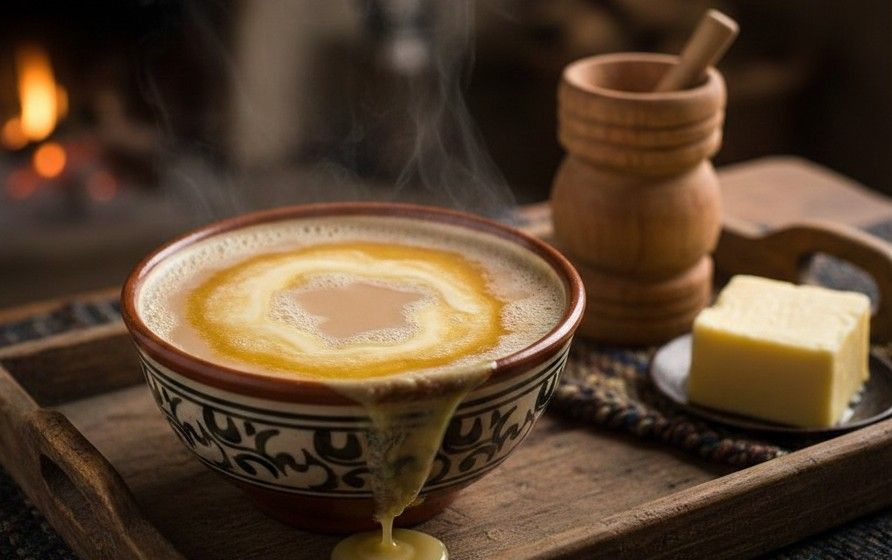
Butter tea is a traditional beverage known for its rich, salty taste and energizing qualities. Popular in high-altitude cultures, it has gained global attention among wellness enthusiasts looking for nourishing, warming drinks that go beyond ordinary tea. This guide explores everything you need to know about butter tea — from its nutritional profile and potential health benefits to preparation methods, precautions, and who should or should not drink it.
What is Butter Tea?
Butter tea, often called po cha, is a traditional beverage originating from the Himalayan regions, especially in Tibet and surrounding areas like Nepal, Bhutan, and parts of China. Unlike sweet tea varieties, butter tea is savory. It is made by blending brewed tea (typically black or pu-erh tea) with butter and salt, traditionally using yak butter.
Historically, butter tea served as a daily staple in high-altitude communities where calories, hydration, and warmth were essential for survival in cold climates. The fats provided sustained energy, while the salt helped replenish electrolytes. Today, butter tea is consumed both for cultural appreciation and for perceived wellness benefits similar to those associated with high-fat energy drinks.
Modern variations may use cow’s butter instead of yak butter, and some add milk or cream to alter flavor and texture. It is creamy, frothy, and nourishing, often consumed throughout the day rather than just as a morning beverage.
Nutritional Facts of Butter Tea
The nutritional content varies depending on preparation, but here is an approximate table for one cup (240 ml) made with black tea, 1 tablespoon butter, and a pinch of salt.
| Nutrient | Approximate Amount |
|---|---|
| Calories | 120–150 kcal |
| Fat | 12–14 g |
| Saturated Fat | 7–9 g |
| Protein | 0–1 g |
| Carbohydrates | 0–1 g |
| Sodium | 100–200 mg |
| Calcium | Small traces |
| Antioxidants | Present (from tea) |
| Caffeine | 30–50 mg |
These values are estimates and change based on butter quantity, tea strength, or added dairy.
20 Science-Backed Benefits of Butter Tea
- Supports Energy Levels: The combination of caffeine and fat provides steady, sustained energy without rapid crashes.
- Promotes Warmth in Cold Climates: High fat content generates body heat, helping maintain warmth in low temperatures.
- Enhances Mental Alertness: Caffeine and L-theanine from tea may improve focus and cognitive clarity.
- Provides Antioxidant Protection: Tea polyphenols help neutralize oxidative stress in the body.
- Encourages Satiety: Fats can increase fullness, potentially reducing unnecessary snacking.
- Supports Hydration Balance: Sodium and fluid content contribute to maintaining electrolyte balance.
- May Aid Weight Management: Some evidence suggests healthy fats can support metabolic regulation when consumed moderately.
- Promotes Gut Comfort: Warm liquids and fats may soothe digestive discomfort for some individuals.
- Supports Skin Health: Fat-soluble nutrients in butter may contribute to skin nourishment.
- Helps Maintain Energy at High Altitudes: Traditional use shows effectiveness in sustaining stamina in physically demanding environments.
- Encourages Nutrient Absorption: Dietary fat enhances absorption of certain vitamins and compounds.
- Supports Mood Stability: Balanced energy release may contribute to reduced irritability associated with blood sugar fluctuations.
- May Boost Physical Endurance: Fat-derived energy can sustain longer activity periods.
- Supports Immune Function: Antioxidants and nutrients may contribute to immune resilience.
- Promotes Relaxed Alertness: Theanine and caffeine synergy provides calm concentration.
- Helps Reduce Cold Sensitivity: Warm and calorie-rich drinks can support thermal comfort.
- May Support Cardiovascular Health: Moderate tea consumption has been linked to improved vascular function.
- Provides Quick Caloric Intake: Useful for individuals needing efficient energy sources.
- Encourages Cultural Dietary Diversity: Exploring traditional foods can broaden nutritional habits.
- Supports Morning Wakefulness: A savory alternative to coffee may provide a gentler stimulation.
10 Side Effects of Butter Tea
As with any beverage high in fat or caffeine, moderation is important.
- High Calorie Intake: Excess consumption may contribute to weight gain due to fat content.
- Elevated Cholesterol Risk: Saturated fats may raise LDL cholesterol in sensitive individuals.
- Digestive Discomfort: Rich fats can cause bloating or nausea for some people.
- Salt Sensitivity Issues: Added sodium may worsen blood pressure concerns.
- Caffeine-Related Effects: Overconsumption may cause jitteriness or insomnia.
- Potential Lactose Intolerance Reaction: Dairy butter may trigger symptoms in intolerant individuals.
- Acne or Skin Changes: Some people notice skin reactions to increased dairy intake.
- Not Suitable for Low-Fat Diets: May conflict with medical dietary restrictions.
- Possible Headaches: Excess caffeine intake may contribute to headaches.
- Caloric Replacement of Nutrient Foods: Overreliance may displace balanced meals.
How to Make Butter Tea?
Traditional-Style Recipe
Ingredients:
- 2 cups water
- 1 teaspoon black tea leaves
- 1 tablespoon unsalted butter
- Pinch of salt
Instructions:
- Boil water and add tea leaves.
- Simmer for several minutes until strong.
- Strain into a blender or container.
- Add butter and salt.
- Blend or whisk until frothy and creamy.
- Serve hot.
Optional additions include milk or cream for smoother flavor.
Other Uses of Butter Tea
- Culinary ingredient in soups or stews for richness
- Substitute for high-calorie beverages in cold weather
- Cultural ritual beverage during gatherings
- Comfort drink during fasting or trekking
- Base liquid for experimental savory recipes
How Much Butter Tea Can You Drink a Day?
For most healthy adults, one to two cups per day is generally reasonable when balanced within overall dietary fat and calorie intake. Individuals monitoring cholesterol, sodium, or calorie intake should consider limiting portions and consulting professionals if uncertain.
Tips for Consuming Butter Tea
- Use quality tea leaves for better flavor and antioxidant content
- Choose grass-fed butter when possible
- Adjust salt to personal health needs
- Blend thoroughly for ideal texture
- Pair with balanced meals rather than using as sole nutrition
- Monitor portion size to control calorie intake
Best Time to Drink Butter Tea
- Morning for sustained energy
- Before outdoor activity in cold weather
- During fasting periods needing satiety
- Midday as a warming beverage
Avoid late evening consumption if sensitive to caffeine.
Who Should Drink Butter Tea?
- Individuals needing high-calorie nourishment
- People exploring traditional cultural beverages
- Those seeking coffee alternatives
- Outdoor enthusiasts or travelers in cold climates
- Adults without dietary fat restrictions
Who Should Not Drink Butter Tea?
- Individuals with heart disease risk factors related to saturated fat
- People on sodium-restricted diets
- Those with lactose intolerance (unless using substitutes)
- Individuals sensitive to caffeine
- Anyone under medical instruction to avoid high-fat foods
Precautions and Interactions
Butter tea should be consumed thoughtfully within the context of overall diet and health conditions.
- Monitor interactions with cholesterol-lowering or blood pressure medications
- Consider caffeine interactions with stimulants or sleep aids
- Adjust fat intake if managing metabolic conditions
- Consult professionals if pregnant, breastfeeding, or managing chronic illness
- Maintain dietary variety rather than relying heavily on a single beverage
Conclusion
Butter tea is more than just a drink — it represents centuries of tradition, survival, and cultural identity in mountainous regions. Its combination of tea antioxidants, fats, and salt makes it unique among global beverages. While it offers potential benefits such as sustained energy, warmth, and satiety, it also carries considerations related to calories, fat, and sodium.
Enjoyed mindfully and in moderation, butter tea can be a flavorful addition to dietary exploration and wellness routines. Understanding its preparation, effects, and appropriate consumption helps ensure that you gain its advantages without unintended drawbacks.
FAQ’s
What is butter tea made from?
Butter tea is traditionally made from brewed black tea, butter (often yak butter in Himalayan regions), salt, and sometimes milk or cream blended into a frothy drink.
What does butter tea taste like?
Butter tea has a savory, creamy, slightly salty flavor rather than sweetness, with a rich texture that feels more like broth than typical tea.
Does butter tea contain caffeine?
Yes, since it is typically made with black tea, butter tea contains moderate amounts of caffeine that can promote alertness and energy.
Can butter tea help with weight loss?
It may promote fullness due to fat content, but it is calorie-dense, so weight effects depend on overall diet and lifestyle rather than the drink alone.
Is butter tea suitable for lactose-intolerant individuals?
Traditional recipes use dairy butter, which may cause discomfort; lactose-free or plant-based alternatives can be considered.
Can pregnant or breastfeeding women drink butter tea?
Moderate intake may be acceptable, but due to caffeine and fat content, it is advisable to consult a healthcare professional first.
Can children drink butter tea?
Small amounts may be safe occasionally, but caffeine content and high fat levels make it unsuitable as a regular beverage for children.
Can I drink Butter Tea every day?
Yes, butter tea can be consumed daily in moderation, but because it is high in fat and calories, limiting intake to one or two cups and balancing it with a healthy diet is recommended.
How long does it take for Butter Tea to work?
The energizing effects from caffeine may be felt within 15–30 minutes, while satiety from fat content can last longer depending on metabolism and portion size.
How should Butter Tea be stored?
Fresh butter tea is best consumed immediately, but leftovers can be refrigerated in a sealed container for up to 24 hours and reheated gently before drinking.
What is Butter Tea good for?
Butter tea is valued for providing sustained energy, warmth in cold climates, hydration support, and a sense of fullness due to its fat and caffeine content.
In which state butter tea is famous?
Butter tea is especially well known in the Indian union territory of Ladakh, where it is a staple in local culture and cuisine.
What is butter tea Ladakh food?
In Ladakhi cuisine, butter tea refers to a traditional salty tea prepared with butter, tea leaves, and salt, commonly served alongside regional meals and during social gatherings.
What is Butter Tea in Chinese?
In China, particularly in Tibetan regions, butter tea is commonly referred to as po cha, reflecting its cultural roots in Himalayan traditions.
Is Butter Tea healthy to drink?
Butter tea can be part of a balanced diet when consumed in moderation, offering antioxidants and energy, but excessive intake may contribute to high calorie and saturated fat consumption.
Which country drinks Butter Tea?
Butter tea is widely consumed in India, Nepal, Bhutan, and China, particularly in Himalayan and Tibetan communities.
Also Read: