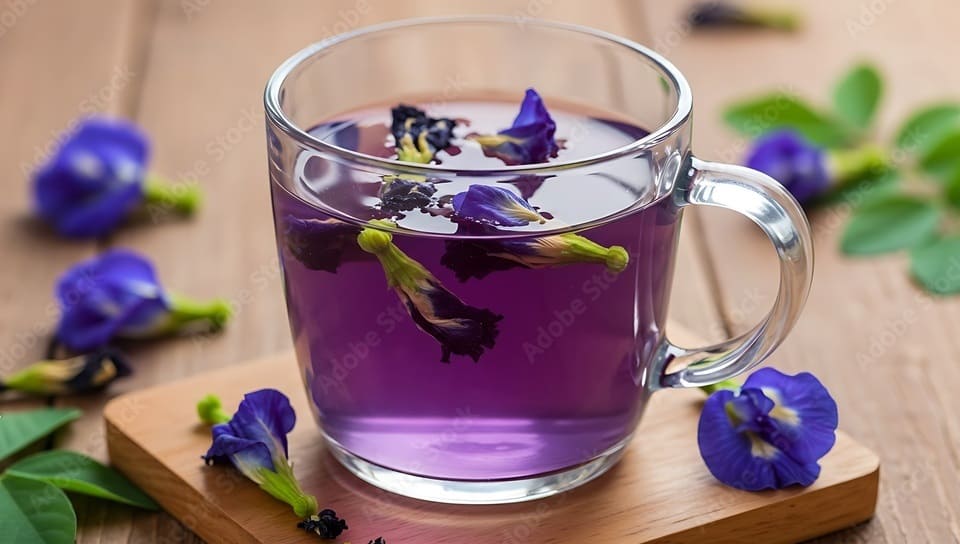
Butterfly Pea Flower Tea is more than just a pretty blue drink. It’s a centuries-old herbal tea that’s been loved in Southeast Asia for both its medicinal and aesthetic appeal. The striking blue color, the earthy taste, and the unique ability to change colors when mixed with acidic ingredients make it one of the most intriguing teas you’ll ever try. But this tea is not just about looks — it’s backed by traditional uses and modern science that highlight its health-promoting properties.
In this guide, we’ll explore what Butterfly Pea Flower Tea is, its nutritional facts, benefits, side effects, preparation tips, and everything you need to know before adding it to your daily routine.
What is Butterfly Pea Flower Tea?
Butterfly Pea Flower Tea is a caffeine-free herbal infusion made from the dried petals of the Clitoria ternatea plant, a flowering vine native to Southeast Asia. Known by various names such as Blue Tea, Asian Pigeonwings, or Blue Pea, it has been used for centuries in Ayurvedic and traditional Thai medicine.
Its most distinctive feature is its vibrant cobalt-blue hue, which turns purple or pink when lemon juice or other acidic substances are added. Traditionally, it’s consumed either hot or cold and often used as a natural food coloring in desserts and cocktails.
Historically, Butterfly Pea was valued not only for its beauty but also for its medicinal benefits — from enhancing memory to supporting skin health. Today, it’s gaining global popularity for its antioxidants, brain-boosting properties, and Instagram-worthy appearance.
Nutritional Facts of Butterfly Pea Flower Tea
While Butterfly Pea Flower Tea is calorie-free in its pure form, it contains a range of bioactive compounds that contribute to its health benefits. The main active compounds include anthocyanins, flavonoids, and ternatins — all known for their antioxidant activity.
Here’s a general nutritional breakdown per 240 ml cup of brewed tea (without sugar or additives):
| Nutrient / Compound | Approximate Amount | Health Role |
|---|---|---|
| Calories | 0 kcal | No impact on daily calorie intake |
| Carbohydrates | 0 g | Safe for low-carb diets |
| Protein | 0 g | — |
| Fat | 0 g | — |
| Fiber | 0 g | — |
| Vitamin A | Trace | Supports vision and skin health |
| Vitamin C | Trace | Boosts immunity |
| Polyphenols | Present | Antioxidant properties |
| Flavonoids | Present | Anti-inflammatory benefits |
| Anthocyanins | High | Promotes heart and brain health |
| Ternatins | High | Responsible for vivid blue color and antioxidant activity |
Note: Nutrient amounts can vary based on brewing strength, source of flowers, and preparation method.
20 Science-Backed Health Benefits of Butterfly Pea Flower Tea
Butterfly Pea Flower Tea has been researched for multiple health benefits, many of which are supported by traditional wisdom and early-stage scientific studies.
1. Rich in Antioxidants
Helps neutralize free radicals in the body, potentially slowing down aging and reducing the risk of chronic diseases.
2. Supports Skin Health
The antioxidants and flavonoids may promote collagen production, keeping skin youthful and reducing wrinkles.
3. Improves Hair Strength
Traditionally used in hair rinses to stimulate hair growth and prevent premature graying.
4. Enhances Brain Function
Compounds in the flower may improve cognitive function and memory by increasing blood flow to the brain.
5. Reduces Stress and Anxiety
Acts as a natural anxiolytic, helping calm the mind and improve mood.
6. Supports Eye Health
Contains anthocyanins that may improve night vision and reduce eye strain.
7. Anti-inflammatory Effects
Helps reduce inflammation in the body, supporting conditions like arthritis.
8. Boosts Immune System
Contains vitamins and antioxidants that strengthen the immune response.
9. Helps Manage Blood Sugar Levels
Preliminary research suggests it may help regulate glucose metabolism.
10. Supports Heart Health
May reduce bad cholesterol (LDL) and improve circulation.
11. Aids in Weight Management
Low in calories and may help boost metabolism slightly.
12. Enhances Digestive Health
Mildly laxative and can help relieve constipation.
13. Acts as a Natural Diuretic
Helps flush out toxins and reduce water retention.
14. Improves Respiratory Health
Traditionally used to ease symptoms of asthma and cough.
15. Supports Liver Health
Antioxidants help detoxify the liver and improve function.
16. May Have Anti-cancer Potential
Some lab studies suggest compounds may inhibit cancer cell growth.
17. Anti-microbial Properties
Helps fight against certain bacteria and infections.
18. Improves Mood and Reduces Fatigue
Has adaptogenic effects that help the body cope with stress.
19. Promotes Healthy Blood Circulation
Flavonoids and anthocyanins improve vascular function.
20. Supports Hormonal Balance
May help regulate menstrual cycles and reduce PMS symptoms.
Note: While many benefits are supported by preliminary studies, more human research is needed.
10 Side Effects of Butterfly Pea Flower Tea
While generally safe for most people when consumed in moderation, excessive or improper use can lead to side effects.
- Nausea – High doses may upset the stomach.
- Diarrhea – Overconsumption can have a mild laxative effect.
- Low Blood Pressure – May cause dizziness in people with already low BP.
- Allergic Reactions – Rare, but possible in sensitive individuals.
- Headaches – Excessive consumption may trigger headaches in some.
- Hypoglycemia – Can lower blood sugar, risky for diabetics on medication.
- Interference with Fertility – Animal studies suggest possible effects on fertility with very high doses.
- Uterine Stimulation – Not recommended for pregnant women as it may stimulate uterine contractions.
- Medication Interactions – May interfere with drugs for diabetes, blood pressure, or blood thinning.
- Excessive Urination – Its diuretic effect can cause dehydration if not balanced with water intake.
How to Make Butterfly Pea Flower Tea?
Making Butterfly Pea Flower Tea is simple, and you can enjoy it hot or cold.
Ingredients:
- 1–2 teaspoons dried butterfly pea flowers (or 5–7 flowers)
- 1 cup hot water (not boiling, about 90°C)
- Honey or lemon (optional)
Steps:
- Place dried flowers in a teapot or cup.
- Pour hot water over the flowers.
- Let steep for 5–7 minutes until the water turns deep blue.
- Strain and enjoy as is, or add honey for sweetness.
- For a magical color change, add lemon juice to turn the tea purple.
Cold Version: Brew as above, let cool, then add ice cubes for a refreshing iced tea.
Other Uses of Butterfly Pea Flower Tea
Butterfly Pea is not just for drinking — it has culinary and cosmetic uses.
- Natural Food Coloring – Adds blue or purple shades to cakes, rice, cocktails, and smoothies.
- Skin Care – Used in face masks and creams for its antioxidant benefits.
- Hair Care – Used in herbal shampoos to strengthen hair.
- Cocktails and Mocktails – Adds a wow factor to beverages with its color-changing effect.
- Cultural Ceremonies – Used in Southeast Asian rituals and traditional medicine.
How Much Butterfly Pea Flower Tea Can You Drink a Day?
For most healthy adults, 1–2 cups per day is considered safe. This amount is enough to enjoy its benefits without risking side effects. If you’re new to it, start with half a cup and gradually increase.
Tips for Consuming Butterfly Pea Flower Tea
- Use high-quality, pesticide-free dried flowers.
- Avoid adding excessive sugar; honey or stevia is better.
- Drink in moderation to avoid side effects.
- Store dried flowers in an airtight container away from sunlight.
- Experiment with other herbs like lemongrass or mint for unique flavors.
Best Time to Drink Butterfly Pea Flower Tea
- Morning – For a refreshing, antioxidant boost.
- Afternoon – Helps reduce stress and improve focus.
- Evening – Calms the mind before bedtime (caffeine-free).
Avoid drinking on an empty stomach if you have acid reflux or sensitive digestion.
Who Should Drink Butterfly Pea Flower Tea?
- People looking for a caffeine-free herbal tea.
- Those wanting a natural antioxidant boost.
- Individuals interested in natural beauty remedies.
- People aiming to improve focus and memory naturally.
- Those managing mild stress or anxiety.
Who Should Not Drink Butterfly Pea Flower Tea?
- Pregnant or breastfeeding women.
- People with low blood pressure.
- Those on medications for diabetes or blood thinning.
- Individuals with known allergies to legumes or flowers.
- People scheduled for surgery (stop at least 2 weeks before).
Precautions and Interactions
- Always consult your doctor if you have chronic conditions.
- Avoid mixing with strong prescription medications without guidance.
- Do not consume in excessive amounts.
- Stop drinking if you notice allergic symptoms like rash, swelling, or breathing difficulty.
FAQ’s
What does Butterfly Pea Flower Tea taste like?
Butterfly Pea Flower Tea has a mild, earthy, and slightly woody taste, similar to green tea but without bitterness. When mixed with lemon or other citrus fruits, it takes on a tangy flavor.
Can I drink Butterfly Pea Flower Tea every day?
Yes, you can drink 1–2 cups daily if you’re healthy. However, it’s best to avoid excessive consumption to prevent possible side effects.
Is Butterfly Pea Flower Tea safe during pregnancy?
No, Pregnant women should avoid it because it may stimulate uterine contractions.
Does Butterfly Pea Flower Tea contain caffeine?
No, It’s naturally caffeine-free, making it a good option for evening relaxation.
Can Butterfly Pea Flower Tea help with weight loss?
It may support weight loss indirectly by boosting metabolism slightly and replacing sugary drinks, but it’s not a magic solution.
Why does Butterfly Pea Flower Tea change color?
The anthocyanins in the flower react to pH changes. Adding lemon juice or acidic ingredients turns the tea from blue to purple or pink.
How do I store dried Butterfly Pea Flowers?
Keep them in an airtight container away from heat, light, and moisture to preserve their color and potency.
Can children drink Butterfly Pea Flower Tea?
Yes, in small amounts, but avoid adding caffeine or excessive sugar. Always check for possible allergies first.
Where can I buy Butterfly Pea Flower Tea?
You can find it in health food stores, Asian grocery stores, herbal tea shops, and online marketplaces.
Also Read: