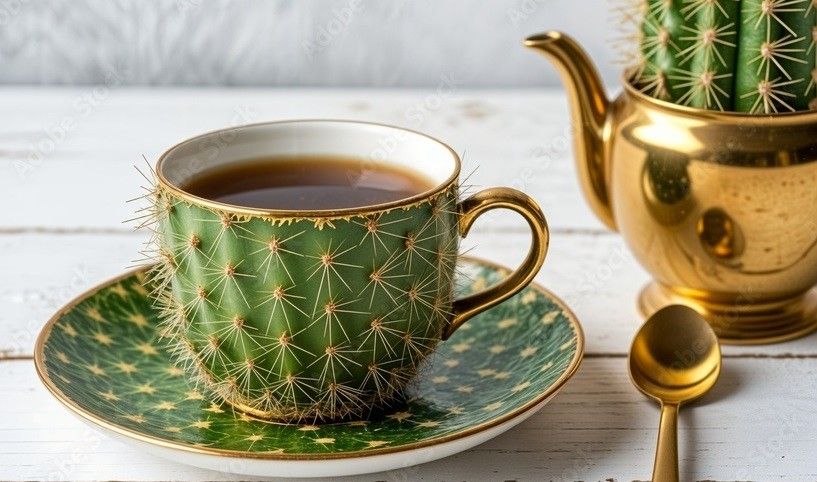
Cactus tea has gained attention as a unique herbal beverage with roots in traditional wellness practices and desert cultures. Made from edible cactus varieties such as prickly pear pads or fruits, this tea is valued for its mild earthy flavor and potential health benefits. As interest in plant-based remedies grows, cactus tea is increasingly explored for hydration, antioxidant support, and digestive comfort.
While it might sound exotic, cactus tea is simple to prepare and can fit into everyday routines when consumed responsibly. This guide explores what cactus tea is, its proven health benefits, possible side effects, preparation methods, and practical consumption advice.
What is Cactus Tea?
Cactus tea is an herbal infusion made from parts of edible cactus plants, most commonly the pads (also called nopales), fruits, or dried flowers. The plant material is cleaned, sliced, and steeped in hot water to extract its nutrients and flavor. Unlike traditional teas derived from the Camellia sinensis plant, cactus tea contains no caffeine unless blended with other ingredients.
Historically, cactus-based drinks were consumed in arid regions where these plants were abundant. The beverage is typically light, slightly vegetal, and sometimes tangy depending on preparation and cactus variety. Today, it is enjoyed for hydration, dietary fiber, and plant compounds believed to support wellness.
Nutritional Facts of Cactus Tea
The nutritional composition of cactus tea varies depending on preparation, cactus species, and concentration. Since tea is an infusion rather than whole consumption, the values below are approximate for one cup (240 ml) of unsweetened cactus tea.
| Nutrient | Approximate Amount |
|---|---|
| Calories | 5–10 kcal |
| Carbohydrates | 1–2 g |
| Dietary Fiber | Trace |
| Vitamin C | Small amounts |
| Magnesium | Trace |
| Potassium | Small amounts |
| Antioxidants | Present |
| Flavonoids | Present |
| Sugar | 0 g |
| Fat | 0 g |
| Protein | 0 g |
Although nutrient density is lower than eating cactus directly, the infusion still contains plant compounds and hydration benefits.
20 Science-Backed Benefits of Cactus Tea
- Hydration Support: Drinking cactus tea contributes to daily fluid intake, helping maintain hydration levels.
- Rich in Antioxidants: Compounds such as flavonoids and polyphenols may help neutralize free radicals.
- Supports Digestive Health: Plant compounds from cactus extracts may promote smoother digestion.
- May Help Regulate Blood Sugar: Studies on cactus pads suggest possible effects on glucose metabolism.
- Heart Health Support: Antioxidants may contribute to overall cardiovascular wellness.
- Potential Anti-Inflammatory Effects: Certain cactus phytochemicals show inflammation-modulating properties.
- Weight Management Aid: Low-calorie composition makes it suitable for calorie-conscious diets.
- Skin Health Support: Antioxidant intake may support skin resilience and protection.
- Immune System Support: Vitamin C traces and plant compounds contribute to immune defenses.
- May Reduce Oxidative Stress: Bioactive components may lower oxidative burden in the body.
- Supports Metabolic Health: Research indicates cactus extracts may influence lipid metabolism.
- Mild Detox Support: Hydrating herbal infusions assist natural detoxification processes.
- Digestive Comfort After Meals: Traditionally used to soothe stomach discomfort.
- Potential Liver Support: Some plant compounds show protective effects in experimental studies.
- Bone Mineral Contribution: Trace minerals may contribute to bone health when consumed regularly.
- May Promote Relaxation: Being caffeine-free, it can be calming when consumed warm.
- Supports Electrolyte Balance: Potassium traces contribute to maintaining electrolyte function.
- May Assist Hangover Recovery: Some research on cactus fruit suggests symptom reduction benefits.
- Promotes Gentle Diuretic Effect: Herbal teas often assist mild fluid balance regulation.
- Supports Overall Wellness: Regular herbal tea intake contributes to holistic lifestyle habits.
10 Side Effects of Cactus Tea
Though generally safe in moderation, some individuals may experience adverse effects.
- Digestive Upset: Excess intake may cause bloating or discomfort.
- Diarrhea Risk: Large quantities may produce laxative-like effects.
- Blood Sugar Drops: Individuals with low blood sugar should monitor intake.
- Allergic Reactions: Rare cases of plant sensitivity may occur.
- Medication Interactions: Potential interaction with glucose-lowering drugs.
- Nausea in Sensitive Individuals: Strong infusions may trigger nausea.
- Headache Possibility: Dehydration or sensitivity could contribute to mild headaches.
- Electrolyte Imbalance: Overconsumption may disrupt mineral balance.
- Skin Irritation During Handling: Improper cactus preparation may cause irritation.
- Not Suitable During Certain Medical Conditions: Some conditions require avoiding herbal infusions.
How to Make Cactus Tea?
Ingredients:
- Fresh cactus pads or dried cactus pieces
- 2 cups water
- Optional: honey, lemon, or herbs
Instructions:
- Wash cactus thoroughly and remove spines if fresh.
- Slice into small pieces.
- Boil water in a pot.
- Add cactus pieces and simmer for 10–15 minutes.
- Strain liquid into a cup.
- Sweeten or flavor as desired.
- Serve warm or chilled.
Other Uses of Cactus Tea
- As a base for smoothies or herbal blends
- Used in detox-style beverage routines
- Cooling summer drink when chilled
- Ingredient in culinary sauces or soups
- Natural hydration drink after physical activity
How Much Cactus Tea Can You Drink a Day?
For most healthy adults, one to two cups per day is generally considered moderate. Excessive consumption is not recommended due to possible digestive or metabolic effects. Individual tolerance varies, so starting with small amounts is advisable.
Tips for Consuming Cactus Tea
- Start with diluted infusions if new to herbal teas
- Use clean, properly prepared cactus material
- Avoid excessive sweeteners
- Drink alongside balanced meals
- Monitor body response after consumption
- Consult a professional if taking medication
Best Time to Drink Cactus Tea
- Morning for hydration support
- After meals for digestive comfort
- Afternoon relaxation without caffeine
- Evening calming beverage option
Timing can depend on personal preference and wellness goals.
Who Should Drink Cactus Tea?
- Individuals seeking caffeine-free beverages
- Those interested in plant-based hydration
- People exploring antioxidant-rich drinks
- Adults maintaining balanced wellness routines
Who Should Not Drink Cactus Tea?
- Individuals with cactus allergies
- People on strict glucose-regulating medications without consultation
- Pregnant or breastfeeding individuals unless approved by professionals
- Those with chronic digestive sensitivity
Precautions and Interactions
- Consult healthcare professionals before regular use
- Avoid combining with similar herbal supplements
- Monitor blood sugar if at risk
- Prepare cactus safely to prevent contamination
- Do not exceed moderate daily intake
- Stop use if adverse symptoms appear
Final Thoughts
Cactus tea is an intriguing herbal beverage blending traditional practices with modern curiosity about plant-based wellness. Its low-calorie profile, antioxidant content, and hydrating qualities make it appealing for those seeking alternatives to conventional teas or sugary drinks. However, like any herbal infusion, it should be consumed thoughtfully and in moderation.
Incorporating cactus tea into a balanced lifestyle can offer variety and potential benefits, but it should complement—not replace—medical care or nutritional planning. As research continues to explore cactus plant properties, this humble desert brew may continue gaining recognition as both a cultural and functional beverage.
FAQ’s
What does cactus tea taste like?
Cactus tea generally has a mild, earthy, and slightly vegetal flavor. Depending on the cactus variety and preparation, it may also have a light tangy or subtly sweet undertone.
Is cactus tea caffeine-free?
Yes, cactus tea is naturally caffeine-free because it is made from cactus plant parts rather than traditional tea leaves.
Can cactus tea help with weight loss?
Cactus tea is low in calories and hydrating, which may support weight management when combined with a balanced diet and active lifestyle, though it is not a direct weight-loss solution.
Is cactus tea safe to drink daily?
For most healthy adults, moderate consumption such as one to two cups per day is generally safe, provided there are no allergies or medical contraindications.
Can cactus tea lower blood sugar levels?
Some research on cactus plant components suggests possible effects on glucose regulation, so individuals with diabetes or related conditions should consult professionals before regular use.
Can you drink cactus tea cold?
Yes, cactus tea can be chilled and served cold, making it a refreshing beverage option in warmer climates.
What type of cactus is used to make tea?
Edible varieties such as prickly pear cactus pads, fruits, or dried parts are commonly used for preparing cactus tea.
Can pregnant individuals drink cactus tea?
Pregnant or breastfeeding individuals should consult healthcare professionals before consuming herbal infusions regularly.
How long does cactus tea last after preparation?
Freshly brewed cactus tea can typically be stored in the refrigerator for up to 24 hours in a sealed container.
Is cactus tea considered a detox drink?
While hydrating herbal teas support natural bodily processes, cactus tea should not be viewed as a medical detox treatment.
Can children drink cactus tea?
Occasional small servings may be acceptable, but consulting a healthcare professional is advisable before introducing herbal teas to children.
What is Cactus Tea made from?
Cactus tea is typically made from edible cactus varieties, most commonly the pads (nopales), fruits, or dried flowers of the plant. These parts are cleaned, sliced, and steeped in hot water to create a mild herbal infusion.
How long does it take for Cactus Tea to work?
The effects of cactus tea depend on the purpose for drinking it and individual body response. Hydration benefits are immediate, while digestive comfort or other mild effects may be noticed within a few hours. Any longer-term wellness effects usually require consistent consumption over time.
How should Cactus Tea be stored?
Freshly brewed cactus tea should be kept in a sealed container in the refrigerator and consumed within 24 hours. Dried cactus ingredients should be stored in an airtight container in a cool, dry place away from sunlight to maintain freshness.
What is cactus tea good for?
Cactus tea is valued for hydration, antioxidant intake, digestive support, and as a caffeine-free beverage option. It may contribute to overall wellness when included as part of a balanced lifestyle, though it is not a substitute for medical treatment.
Also Read: