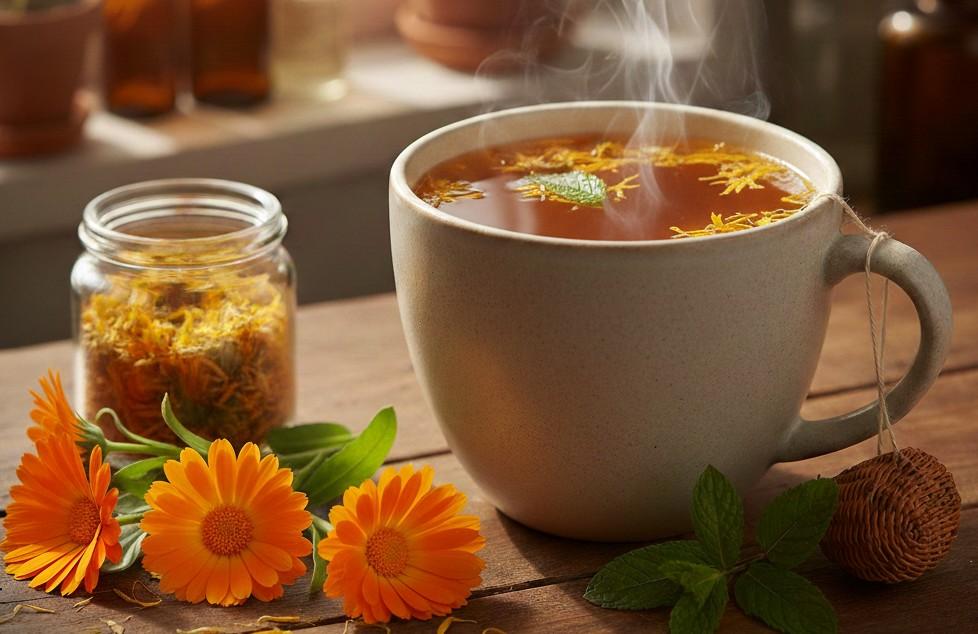
Herbal teas have been used for centuries as gentle, natural ways to support wellness, and calendula tea is among the most underrated. Made from the bright orange or yellow petals of the calendula flower (Calendula officinalis), this soothing infusion has long been used in traditional medicine for skin health, digestion, and immune support. Often referred to as “pot marigold,” calendula is not the same as ornamental marigolds, but it shares their vibrant color and botanical appeal.
Calendula tea stands out because it offers both internal and external wellness benefits. It contains plant compounds such as flavonoids, carotenoids, and triterpenoids that are associated with antioxidant and anti-inflammatory effects. While modern research continues to explore its full potential, traditional herbal knowledge combined with emerging studies suggests that calendula tea may contribute to overall health when consumed appropriately. This guide explores what calendula tea is, its proven health benefits, possible side effects, preparation methods, and practical consumption advice.
What is Calendula Tea?
Calendula tea is an herbal infusion prepared by steeping dried calendula flower petals in hot water. The flowers come from Calendula officinalis, a medicinal plant native to the Mediterranean region but widely cultivated around the world.
Unlike true teas derived from Camellia sinensis, calendula tea is naturally caffeine-free. Its flavor is mild, slightly earthy, and faintly floral, making it easy to blend with other herbs like chamomile or mint. Historically, calendula has been used in Ayurvedic, European, and folk medicine traditions to support wound healing, soothe inflammation, and promote digestive health. The petals are rich in bioactive compounds that may contribute to therapeutic effects. Calendula tea can be consumed as a beverage or applied topically after cooling, further expanding its usefulness.
Components of Calendula Tea
Because calendula tea is an herbal infusion rather than a caloric beverage, its nutritional value comes mainly from plant compounds rather than macronutrients.
| Nutrient / Compound | Approximate Presence |
|---|---|
| Calories | Negligible |
| Carbohydrates | Trace amounts |
| Protein | None |
| Fat | None |
| Vitamin A precursors (carotenoids) | Present in small amounts |
| Flavonoids | Present |
| Triterpenoids | Present |
| Essential oils | Trace |
| Polyphenols | Present |
| Antioxidants | Moderate levels |
| Minerals | Trace amounts depending on preparation |
Values vary depending on steeping time, petal quality, and quantity used.
20 Science-Backed Benefits of Calendula Tea
Below are potential benefits supported by traditional usage and emerging research on calendula’s bioactive compounds.
1. Supports Skin Health
Calendula contains anti-inflammatory compounds that may promote skin repair and reduce irritation when consumed regularly.
2. Promotes Wound Healing
Studies on calendula extracts suggest it may stimulate tissue regeneration and collagen production.
3. Provides Antioxidant Protection
Flavonoids and polyphenols help combat oxidative stress that contributes to chronic disease.
4. Reduces Inflammation
Triterpenoids in calendula may help modulate inflammatory pathways in the body.
5. Supports Digestive Comfort
Calendula tea has traditionally been used to soothe stomach irritation and mild digestive discomfort.
6. May Ease Menstrual Discomfort
Some herbal traditions associate calendula with relief from cramps due to its antispasmodic properties.
7. Boosts Immune Function
Antioxidants may enhance immune defense by protecting cells from damage.
8. Supports Oral Health
When used as a rinse, calendula tea may reduce gum irritation and bacterial buildup.
9. Promotes Liver Health
Preliminary research suggests calendula compounds may assist detoxification processes.
10. May Lower Microbial Activity
Calendula shows antimicrobial properties that could help the body resist certain infections.
11. Supports Eye Health
Carotenoids contribute to maintaining healthy vision and protecting eye tissues.
12. Helps Calm Sore Throats
Warm calendula tea may soothe throat irritation through anti-inflammatory effects.
13. Encourages Relaxation
Its caffeine-free nature and mild flavor make it suitable for stress reduction rituals.
14. Aids Circulatory Health
Some studies indicate calendula extracts may improve blood vessel function.
15. Supports Hormonal Balance
Traditional herbal medicine links calendula with menstrual cycle regulation.
16. May Help Manage Mild Fever Symptoms
Calendula’s cooling and anti-inflammatory qualities have been used in traditional remedies.
17. Encourages Healthy Lymphatic Function
Herbalists sometimes use calendula to support lymphatic drainage and detoxification.
18. Supports Urinary Tract Health
Mild antimicrobial activity may contribute to urinary tract wellness.
19. Promotes Gut Microbial Balance
Polyphenols can help encourage beneficial gut bacteria growth.
20. Contributes to Overall Wellness
Regular herbal tea consumption promotes hydration and general well-being.
10 Side Effects of Calendula Tea
Although generally safe, excessive or inappropriate use may lead to unwanted effects.
1. Allergic Reactions
People sensitive to plants in the Asteraceae family may experience itching or swelling.
2. Pregnancy Concerns
Calendula may stimulate uterine activity and is often avoided during pregnancy.
3. Breastfeeding Uncertainty
Insufficient data exists on safety during lactation.
4. Drowsiness
Mild calming effects may enhance sedation when combined with certain medications.
5. Drug Interactions
Calendula may interact with sedatives, blood pressure medications, or anti-inflammatory drugs.
6. Gastrointestinal Upset
Overconsumption may cause nausea or stomach irritation.
7. Skin Sensitivity
Topical use of brewed tea may irritate sensitive skin.
8. Blood Pressure Effects
Possible mild influence on circulation may not suit individuals with unstable blood pressure.
9. Hormonal Effects
Potential influence on menstrual cycles may be problematic for certain conditions.
10. Contamination Risks
Using improperly sourced flowers may introduce pesticides or contaminants.
How to Make Calendula Tea?
Ingredients:
- 1–2 teaspoons dried calendula petals
- 1 cup hot water
Instructions:
- Bring water to a boil and allow it to cool slightly.
- Place dried petals in a cup or infuser.
- Pour hot water over the petals.
- Steep for 5–10 minutes.
- Strain and serve warm.
Optional additions include honey, lemon, or blending with other herbs.
Other Uses of Calendula Tea
- Used as a skin rinse for minor irritation
- Applied as a compress for tired eyes
- Used as a hair rinse to enhance shine
- Gargled to soothe oral discomfort
- Added to baths for relaxation
How Much Calendula Tea Can You Drink a Day?
Moderate intake is generally recommended.
- 1–2 cups daily is typical for general wellness.
- Therapeutic use should be discussed with a healthcare professional.
- Long-term high consumption should be avoided without guidance.
Tips for Consuming Calendula Tea
- Use high-quality organic petals.
- Avoid over-steeping to maintain flavor balance.
- Combine with complementary herbs for enhanced taste.
- Store dried petals in airtight containers.
- Monitor for any allergic reactions when first trying it.
Best Time to Drink Calendula Tea
- Morning: Supports gentle digestion.
- Afternoon: Provides hydration and relaxation.
- Evening: Ideal caffeine-free calming beverage.
- After meals: May soothe digestive discomfort.
Who Should Drink Calendula Tea?
- Individuals seeking natural antioxidant support
- Those wanting caffeine-free herbal options
- People looking for digestive comfort
- Individuals interested in herbal skincare support
- Adults exploring traditional wellness practices
Who Should Not Drink Calendula Tea?
- Pregnant individuals
- People allergic to related plant families
- Individuals on sedative or blood pressure medications without consultation
- Young children without medical approval
- Anyone with chronic medical conditions without guidance
Precautions and Interactions
Calendula tea should be consumed mindfully. Consult a healthcare professional before regular use if you are pregnant, breastfeeding, or taking medications. Avoid mixing with sedatives or herbal supplements with similar effects without advice. Discontinue use if irritation or allergic symptoms occur. Always ensure petals are sourced from reputable suppliers and prepared hygienically.
Final Thoughts
Calendula tea is more than just a colorful herbal infusion. Its long history in traditional medicine and growing scientific interest highlight its potential as a supportive wellness beverage. While not a replacement for medical treatment, its soothing qualities, antioxidant content, and versatility make it a valuable addition to a balanced lifestyle when consumed responsibly.
FAQ’s
What is calendula tea good for?
Calendula tea is commonly used to support skin health, digestion, immune function, and overall wellness due to its antioxidant and anti-inflammatory plant compounds.
Is calendula tea safe to drink every day?
Drinking 1–2 cups daily is generally considered safe for healthy adults, but long-term or therapeutic use should be discussed with a healthcare professional.
Does calendula tea contain caffeine?
No, calendula tea is naturally caffeine-free, making it suitable for consumption at any time of day.
Can calendula tea help with skin problems?
Calendula contains compounds associated with skin repair and inflammation reduction, which may indirectly support healthier skin when consumed regularly.
Is calendula the same as marigold tea?
Calendula is sometimes called pot marigold, but it is different from ornamental marigolds; only Calendula officinalis is typically used for tea.
Can pregnant women drink calendula tea?
Calendula tea is generally avoided during pregnancy because it may stimulate uterine activity, and medical advice should be sought before use.
How does calendula tea taste?
It has a mild, slightly earthy and floral flavor that pairs well with honey or lemon.
Can calendula tea be used on the skin?
Yes, cooled calendula tea can be applied topically as a rinse or compress for soothing minor irritation.
How long does calendula tea take to work?
Effects vary by individual, but gentle digestive or calming benefits may be noticed shortly after consumption, while other benefits may require consistent use.
How should calendula tea be stored?
Dried calendula petals should be kept in an airtight container away from light and moisture, and brewed tea should be refrigerated and used within 24 hours.
What is Calendula Tea made from?
Calendula tea is made by steeping the dried petals of the Calendula officinalis flower, also known as pot marigold, in hot water to create a mild, herbal infusion.
Is Calendula Tea safe for children?
Calendula tea may be safe in small, diluted amounts for older children, but it is best to consult a healthcare professional before giving it to children, especially infants or those with allergies.
Which is better, chamomile tea or calendula tea?
Neither tea is universally better, as chamomile tea is often preferred for relaxation and sleep support while calendula tea is valued for skin, digestive, and anti-inflammatory benefits, so the choice depends on individual needs.
Also Read: