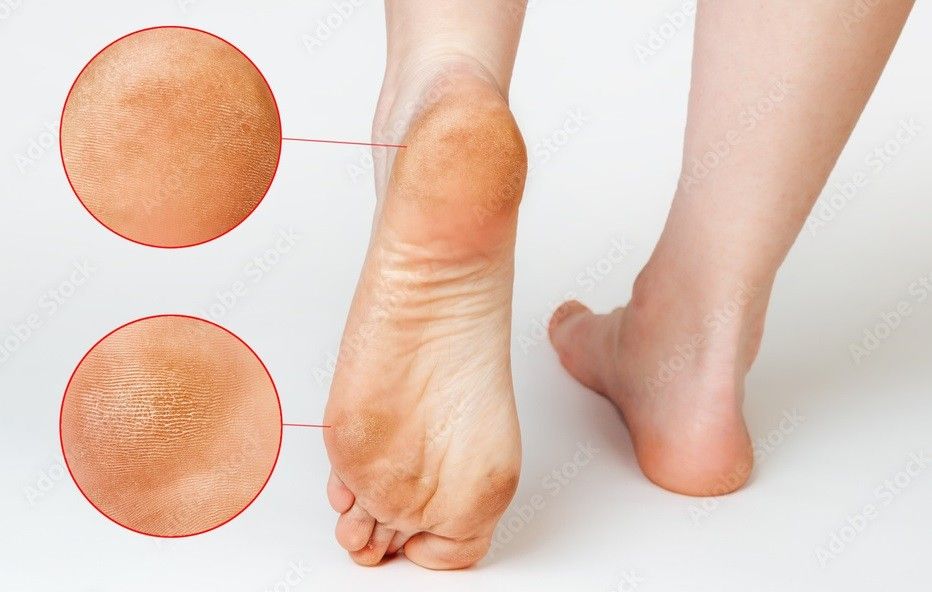
Our feet quietly carry us through thousands of steps every single day. From rushing to work to evening strolls, they absorb impact, adjust to uneven surfaces, and adapt to how we move. Over time, these daily movements leave behind subtle clues—one of the most common being calluses.
While many people see calluses as nothing more than rough, unattractive patches of skin, they are actually valuable messengers. Calluses form for a reason, and their location, thickness, and pattern can reveal a lot about how you walk, how your weight is distributed, and whether your walking pattern may be putting strain on certain parts of your body. In this guide, we’ll take a deep dive into what calluses on different parts of your feet say about your walking pattern, what causes them, and when they may signal a need for correction or professional care.
What Are Foot Calluses?
Calluses are thickened areas of skin that develop as a natural protective response to repeated pressure or friction. When a particular spot on your foot experiences constant stress—whether from walking, standing, or ill-fitting footwear—the body responds by building extra layers of skin to protect the underlying tissues.
Unlike corns, which are usually smaller and painful, calluses tend to be broader, flatter, and often painless. However, their presence should not be ignored, especially when they appear repeatedly in the same areas.
Why Walking Patterns Matter
Your walking pattern, also known as your gait, determines how force travels through your feet, ankles, knees, hips, and spine. Ideally, weight should be evenly distributed as you move from heel strike to toe-off. But in reality, many people unconsciously favor one side, roll their feet inward or outward, or apply more pressure to specific areas.
Over time, these imbalances show up as calluses.
Think of calluses as pressure maps—they highlight the spots where your feet are working the hardest.
Calluses on the Heel: What They Reveal
Calluses on the Back of the Heel
If you notice thick, rough skin at the back of your heel, it often points to heel striking—landing heavily on your heel with each step.
What it says about your walking pattern:
- You may be walking with a heavy heel-first impact
- Your stride might be longer than ideal
- You may lack proper shock absorption from footwear
This pattern is common in people who walk quickly, wear hard-soled shoes, or have stiff ankles.
Calluses on the Outer Heel
Calluses on the outer edge of the heel are often associated with underpronation (supination), where the foot rolls outward instead of inward during walking.
Possible causes include:
- High arches
- Rigid foot structure
- Inadequate cushioning in shoes
This walking pattern reduces natural shock absorption, sending more stress up to the knees and lower back.
Calluses on the Ball of the Foot
The ball of the foot is one of the most common places for calluses, and its exact location can reveal important insights.
Calluses Under the Big Toe Joint
A callus beneath the big toe joint often indicates excessive pressure during push-off, when your foot propels your body forward.
This may suggest:
- Overpronation (foot rolling inward)
- Limited mobility in the big toe
- Tight calf muscles
People with flat feet or weak foot muscles commonly develop calluses in this area.
Calluses Under the Second and Third Toes
Calluses beneath the second and third toes are frequently linked to forefoot overload.
Possible walking pattern issues include:
- Leaning forward while walking
- Wearing shoes with elevated heels
- Shifting weight away from the big toe
This pattern is especially common in people who spend long hours standing or walking in unsupportive footwear.
Calluses on the Outer Ball of the Foot
If calluses appear on the outer side of the ball of your foot, it often points to supination during push-off.
What this means:
- Your foot is not rolling inward enough
- Shock absorption is reduced
- Pressure concentrates on the outer forefoot
Over time, this can contribute to ankle instability and knee discomfort.
Calluses on the Toes and What They Mean
Calluses on the Tip of the Big Toe
Calluses on the tip of the big toe may indicate that your toes are gripping the ground excessively while walking.
This often happens due to:
- Poor balance
- Weak intrinsic foot muscles
- Wearing shoes that are too loose or too tight
Toe gripping can strain the plantar fascia and contribute to foot fatigue.
Calluses on the Top of the Toes
Calluses on the top of the toes usually result from friction against footwear rather than walking pattern alone.
However, they can still indicate:
- Toe deformities like hammer toes
- Limited toe flexibility
- Shoes with insufficient toe box space
While footwear plays a major role here, altered walking mechanics may worsen the problem.
Calluses on the Inner Arch
Calluses along the inner arch are less common but very telling.
They often suggest:
- Overpronation
- Flat feet
- Excessive inward rolling during stance phase
When the arch collapses too much, it bears more pressure than it’s designed to handle. This can lead to foot fatigue, shin splints, and knee pain if left unaddressed.
Calluses on the Outer Edge of the Foot
Calluses along the outer edge—from heel to little toe—often indicate a supinated gait.
Characteristics of this walking pattern include:
- Weight staying on the outside of the foot
- Limited inward roll
- Reduced shock absorption
This pattern can make walking feel stiff and may increase the risk of ankle sprains.
Uneven Calluses Between Left and Right Foot
If one foot has noticeably more calluses than the other, it’s a sign of asymmetrical walking.
This may be caused by:
- Leg length differences
- Previous injuries
- Muscle imbalances
- Habitual weight shifting
Over time, uneven walking patterns can lead to hip, knee, and lower back issues.
How Footwear Influences Callus Formation
While walking pattern plays a major role, footwear cannot be ignored.
Shoes that commonly contribute to calluses include:
- Hard-soled shoes with minimal cushioning
- Narrow shoes that squeeze the forefoot
- High heels that shift weight forward
- Worn-out shoes with uneven soles
Even a healthy walking pattern can be disrupted by poorly designed or ill-fitting shoes.
Are Calluses Always a Problem?
Not all calluses are harmful. Mild calluses can simply be your body’s way of adapting to normal activity. However, calluses may become problematic when they:
- Grow very thick or cracked
- Become painful
- Keep returning in the same spot
- Are accompanied by foot pain or joint discomfort
In people with diabetes or poor circulation, calluses should never be ignored, as they can increase the risk of ulcers.
How to Improve Your Walking Pattern
If your calluses suggest an imbalanced gait, small changes can make a big difference.
Pay Attention to How You Walk
- Aim for a smooth heel-to-toe motion
- Avoid heavy heel striking
- Keep steps relaxed and natural
Strengthen Your Feet
- Toe curls
- Arch lifts
- Barefoot exercises on safe surfaces
Stretch Tight Muscles
- Calf stretches
- Achilles tendon stretches
- Plantar fascia stretches
Choose Supportive Footwear
- Adequate cushioning
- Proper arch support
- Wide toe box
- Evenly worn soles
When to See a Professional
If calluses are persistent, painful, or linked with discomfort in your knees, hips, or back, it’s wise to consult:
- A podiatrist
- A physiotherapist
- An orthopedic specialist
A professional gait analysis can pinpoint exactly where pressure is misaligned and help prevent long-term issues.
What Calluses Can Teach You About Your Body
Your feet are constantly communicating with you. Calluses are not random—they are physical records of how you move through the world every day. By paying attention to where they form, you gain insight into your walking habits, posture, and overall body mechanics.
Instead of viewing calluses as flaws, consider them feedback tools. With the right care, awareness, and footwear, you can improve your walking pattern, reduce unnecessary strain, and support your body from the ground up.
Final Thoughts
Calluses on your feet tell a detailed story—one written step by step through daily movement. Whether they appear on your heel, toes, or arch, their location reflects how your body handles pressure and balance. Listening to these signals early can help you prevent discomfort, improve posture, and walk more efficiently for years to come. Your feet support your entire body—understanding them is an investment in long-term mobility and comfort.
FAQ’s
What do calluses on your feet indicate?
Calluses on your feet usually indicate areas of repeated pressure or friction. Their location can reveal how you walk, where your body weight is concentrated, and whether your walking pattern is balanced or uneven.
Are foot calluses related to walking style?
Yes, foot calluses are closely related to walking style. Heavy heel striking, overpronation, or walking on the outer edges of the feet can all cause calluses to form in specific areas.
What does a callus on the heel mean?
A callus on the heel often means you land heavily on your heel while walking. This may be due to long strides, stiff ankles, poor shock absorption, or unsupportive footwear.
Why do I get calluses on the ball of my foot?
Calluses on the ball of the foot usually form when too much pressure is placed on the forefoot during walking or standing. This can happen due to overpronation, high heels, or leaning forward while walking.
What do calluses on the toes suggest?
Calluses on the toes may suggest excessive toe gripping, poor balance, limited toe mobility, or friction from tight or poorly fitting shoes.
Is it normal to have calluses on only one foot?
Calluses on only one foot often indicate an uneven walking pattern. This could be caused by past injuries, muscle imbalances, or differences in leg length.
Can calluses be a sign of foot problems?
Yes, persistent or painful calluses can signal underlying foot problems such as flat feet, high arches, or gait imbalances that may need professional attention.
Do shoes affect where calluses form?
Absolutely. Tight shoes, hard soles, high heels, and worn-out footwear can all change how pressure is distributed across your feet, leading to callus formation.
Should calluses be removed?
Mild calluses usually don’t need removal. However, thick or painful calluses should be carefully managed with proper foot care or treated by a podiatrist.
Also Read: