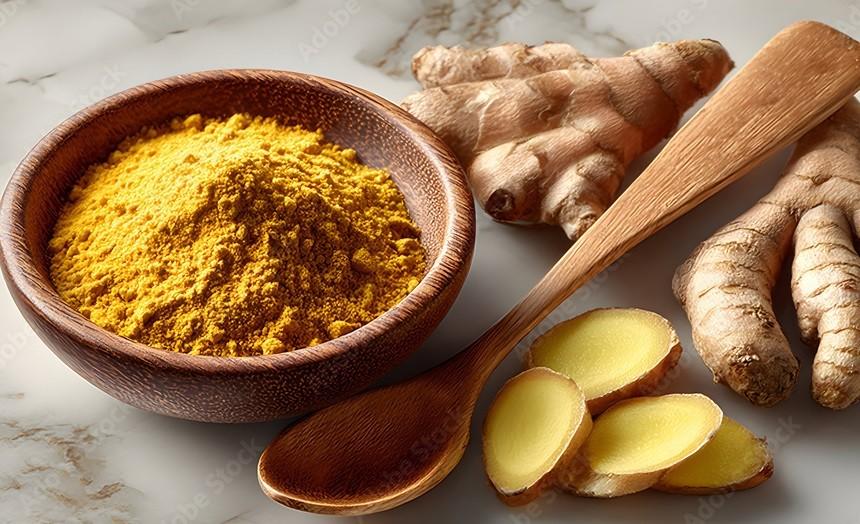
If you have ever reached for turmeric or ginger when you felt a cold coming on, struggled with digestion, or needed something natural to help with inflammation, you’re not alone. These two spices have been staples in kitchens and traditional medicine systems for centuries. But the big question many people ask today is: Can you take turmeric and ginger together?
The short answer is yes. In fact, combining turmeric and ginger can create a powerful healing duo with impressive benefits for your body. However, like any natural remedy, it’s important to understand how they work, what benefits they offer, the potential risks, and the best ways to consume them for maximum effect.
What Are Turmeric and Ginger?
Turmeric
Turmeric is a vibrant yellow-orange spice commonly used in Indian, Southeast Asian, and Middle Eastern cooking. It comes from the root of the plant Curcuma longa and is widely known for its active ingredient curcumin. Curcumin is the compound responsible for turmeric’s anti-inflammatory, antioxidant, and immune-supporting properties.
In Ayurveda and traditional Chinese medicine, turmeric has long been used to treat inflammation, digestive issues, skin conditions, and even wounds.
Ginger
Ginger comes from the root of the Zingiber officinale plant. It has a distinctive spicy-sweet flavor and is commonly used in teas, curries, baked goods, and herbal medicines. Ginger contains powerful bioactive compounds, such as gingerols and shogaols, which provide anti-inflammatory, digestive, and pain-relieving benefits.
In both traditional and modern wellness practices, ginger is often used for nausea, colds, digestive problems, and menstrual discomfort.
Can You Take Turmeric and Ginger Together?
Absolutely. Turmeric and ginger not only complement each other in flavor, but they also work synergistically in the body. This means when taken together, their benefits become more effective than when consumed separately.
Both spices belong to the same botanical family (Zingiberaceae), and their active compounds strengthen each other’s effects, especially in reducing inflammation, boosting immunity, and supporting overall health.
20 Proven Health Benefits of Taking Turmeric and Ginger Together
1. Reduces Inflammation
Chronic inflammation is linked to many modern diseases, including arthritis, heart disease, diabetes, and autoimmune conditions. Turmeric’s curcumin and ginger’s gingerols work together to lower inflammation levels in the body.
This combination is especially helpful for people dealing with joint pain, muscle soreness, and inflammatory conditions.
2. Powerful Antioxidant Support
Both turmeric and ginger have strong antioxidant properties that help fight oxidative stress, protect cells, and reduce free radical damage. This can slow down aging and support long-term health.
3. Boosts Immunity
Together, turmeric and ginger strengthen the immune system by reducing inflammation, supporting gut health, and improving the body’s natural defense mechanisms. Many people drink turmeric-ginger tea during cold and flu season for extra protection.
4. Supports Digestion
Turmeric stimulates bile production, which helps break down fats, while ginger improves digestion and relieves bloating, gas, and indigestion. If you often feel discomfort after meals, combining these two can offer relief.
5. Natural Pain Relief
The anti-inflammatory properties of both spices help reduce pain naturally. Many people use this combination to ease headaches, menstrual cramps, muscle pain, and joint stiffness.
6. Aids in Weight Loss
Turmeric and ginger may support weight loss by improving metabolism, reducing inflammation, and balancing blood sugar. They can also reduce cravings and support fat breakdown.
7. Improves Heart Health
Together, these spices may help reduce cholesterol, lower blood pressure, and improve blood circulation. Curcumin even helps prevent plaque buildup in arteries.
8. Supports Brain Health
Curcumin is known for its neuroprotective effects and may help reduce the risk of Alzheimer’s disease. Ginger supports brain function by improving circulation and reducing oxidative stress.
9. Helps Manage Blood Sugar
Ginger and turmeric can help regulate blood sugar levels, making them potentially beneficial for people with diabetes or prediabetes. They help improve insulin sensitivity and reduce glucose spikes after meals.
10. Protects Liver Health
This powerful combination can help detoxify the liver, reduce inflammation, and promote the regeneration of liver cells.
11. Reduces Menstrual Pain
Ginger has been shown to ease menstrual cramps, while turmeric helps regulate hormones and reduce inflammation. Many women find relief by drinking turmeric-ginger tea during their cycle.
12. Supports Healthy Skin
The antioxidants in turmeric and ginger help combat acne, brighten the complexion, and reduce signs of aging. Some people even apply turmeric-ginger paste to the skin for extra benefits.
13. Helps Fight Infections
Both spices have antibacterial, antiviral, and antifungal properties. Drinking turmeric-ginger tea during illness can soothe symptoms and speed healing.
14. Supports Gut Health
These spices help maintain a healthy gut microbiome, reduce inflammation in the digestive tract, and prevent issues like constipation, indigestion, and gas.
15. Reduces Nausea
Ginger is well-known for reducing nausea caused by motion sickness, pregnancy, or digestive issues. Turmeric supports this effect by calming the stomach.
16. May Help Prevent Cancer
Research suggests that the antioxidants and anti-inflammatory properties of turmeric and ginger may help reduce the growth of cancer cells and protect the body from cellular damage.
17. Supports Bone and Joint Health
Both spices reduce inflammation and discomfort in the joints, making them beneficial for people with osteoarthritis, rheumatoid arthritis, and general stiffness.
18. Improves Mood
Curcumin boosts serotonin and dopamine levels, supporting emotional well-being, while ginger helps reduce cortisol (stress hormone). Together, they can encourage a calmer and more balanced mood.
19. Enhances Longevity
Their combined antioxidant, anti-inflammatory, and immune-boosting properties may support overall health and potentially extend lifespan.
20. Easy to Add to Your Diet
One of the best things about this combination is its versatility. You can use it in teas, smoothies, soups, curries, capsules, and even desserts.
How to Take Turmeric and Ginger Together?
Turmeric and ginger are incredibly versatile, so adding them to your daily routine is easier than you might think. Whether you enjoy warm drinks, supplements, or cooking, here are the best and most effective ways to combine them.
1. Turmeric and Ginger Tea
One of the most popular ways to take both herbs together is by drinking a soothing tea.
How to prepare:
- Boil 1 cup of water
- Add ½ teaspoon turmeric powder and ½ teaspoon grated ginger (or use fresh slices)
- Simmer for 5 minutes
- Add black pepper to enhance curcumin absorption
- Sweeten with honey or add lemon if desired
This tea is excellent for inflammation, digestion, immunity, and overall wellness.
2. Golden Milk (Turmeric-Ginger Milk)
A warm, comforting drink that supports sleep, reduces inflammation, and boosts immunity.
How to prepare:
- Heat any milk (regular or plant-based)
- Add ½ teaspoon turmeric powder and ¼ teaspoon ginger
- Add a pinch of black pepper and cinnamon
- Stir well and sweeten lightly
Drink before bedtime for relaxation and pain relief.
3. Smoothies
If you enjoy cold, refreshing drinks, adding turmeric and ginger to your smoothies is simple and effective.
Try this combination:
- Fresh ginger (½ inch)
- Fresh turmeric (½ inch) or powdered turmeric
- Fruits like pineapple, mango, or banana
- A splash of lemon
Smoothies are great for energy, immunity, and detox.
4. Cooking and Daily Meals
Turmeric and ginger naturally fit into a variety of dishes.
You can add them to:
- Curries
- Soups and stews
- Stir-fries
- Marinades
- Salad dressings
- Rice dishes
Using them in cooking allows for consistent, safe daily consumption.
5. Detox Shots
These are small but powerful wellness shots.
Recipe:
- 1 teaspoon grated ginger
- 1 teaspoon grated turmeric
- 1 tablespoon lemon juice
- Pinch of black pepper
- Water or coconut water
Take one shot in the morning for energy and metabolism support.
6. Capsules or Supplements
If you prefer a simple, once-a-day option, supplements are convenient.
Tips:
- Choose a supplement that combines turmeric and ginger
- Look for curcumin with black pepper extract (piperine)
- Follow dosage on the label
This is ideal for people with chronic inflammation, joint pain, or busy lifestyles.
7. Turmeric and Ginger Paste
This paste can be stored in the fridge and added to drinks or meals.
How to prepare:
- Blend equal parts ginger and turmeric (fresh)
- Add a little water or honey
- Store in a jar
- Use 1 teaspoon daily
It’s perfect for tea, warm water, or breakfast bowls.
8. Herbal Powder Mix
Mix powdered turmeric and ginger in equal parts and store in a container.
How to use:
- Add to milk
- Stir into soups
- Add to tea
- Sprinkle on warm water with honey
This method is easy and economical.
Tips for Best Absorption
To get the maximum benefits:
- Always add black pepper with turmeric
- Consume with healthy fats (like milk, coconut oil, ghee, or avocado)
- Start with small amounts if you’re new to these spices
- Drink plenty of water to avoid stomach irritation
How Much Turmeric and Ginger Should You Take Daily?
Here are general guidelines:
Turmeric
- Fresh root: 1.5 to 3 grams per day
- Powder: 0.5 to 1 teaspoon per day
- Supplement: 500 to 1500 mg curcumin per day
Ginger
- Fresh root: 2 to 4 grams per day
- Powder: 0.5 to 1 teaspoon per day
- Supplement: 500 to 1000 mg per day
If you are combining them, start small and see how your body reacts.
Who Should Avoid Taking Turmeric and Ginger Together?
Although safe for most people, some should be cautious or avoid them:
1. Pregnant and Breastfeeding Women
Ginger may increase the risk of bleeding in high doses, and high amounts of turmeric may stimulate uterine contractions. Small culinary amounts are usually safe, but supplements should be avoided unless a doctor approves.
2. People on Blood Thinners
Both turmeric and ginger can increase bleeding risk. Avoid combining them with medications like warfarin, aspirin, or clopidogrel without medical supervision.
3. People with Gallbladder Issues
Turmeric stimulates bile flow, which may worsen gallstones or bile duct obstruction.
4. Individuals with Acid Reflux
Ginger may trigger heartburn in some people.
5. Those Undergoing Surgery
Avoid both spices at least two weeks before surgery due to possible bleeding risk.
6. People with Kidney Stones
Turmeric contains oxalates, which may worsen kidney stone formation.
Always consult your healthcare provider if you’re taking medications or have underlying health conditions.
Side Effects of Taking Turmeric and Ginger Together
Most people tolerate both spices well, especially in food amounts. However, some may experience:
- Stomach upset
- Heartburn
- Diarrhea
- Increased bleeding tendency
- Allergic reactions
- Kidney stone risk (from turmeric)
- Lower blood sugar (can interact with diabetes medications)
To minimize side effects, start with small doses and gradually increase.
How Long Does It Take for Turmeric and Ginger to Work?
This depends on your purpose:
- For digestion and nausea: effects can be felt within hours
- For inflammation and pain: 2 to 4 weeks of consistent use
- For skin and immunity: noticeable results in 3 to 8 weeks
- For chronic conditions: several months of daily intake
Natural remedies work gently and gradually, so consistency is key.
Turmeric and Ginger Tea Recipe (Simple and Effective)
Here’s one of the easiest ways to enjoy both:
Ingredients:
- 1 cup water
- ½ teaspoon turmeric powder (or 1 inch fresh turmeric)
- ½ teaspoon grated ginger (or 1 inch fresh ginger)
- A pinch of black pepper
- Honey or lemon (optional)
Instructions:
- Bring water to a boil.
- Add turmeric and ginger.
- Simmer for 5 minutes.
- Strain and pour into a cup.
- Add honey or lemon if desired.
This tea is soothing, warming, and perfect for immunity and digestion.
Turmeric and Ginger vs. Other Herbal Combinations
Turmeric + Black Pepper
This combination enhances curcumin absorption by up to 2000 percent.
Ginger + Lemon
Great for digestion and nausea relief.
Turmeric + Ginger + Cinnamon
Perfect for reducing inflammation and supporting weight loss.
Turmeric + Ashwagandha
Helps reduce stress and inflammation at the same time.
You can safely combine turmeric and ginger with many herbs, but always check for interactions if you’re on medication.
Can You Take Turmeric and Ginger Together Every Day?
Yes, turmeric and ginger can be taken daily, as long as you stick to safe dosages. Many people drink turmeric-ginger tea daily or use the spices in cooking without any issues.
However, long-term high-dose supplements should only be taken under medical supervision.
Who Benefits the Most from This Combination?
People who may see the greatest benefits include:
- Those with joint pain or arthritis
- People with chronic inflammation
- Individuals with poor digestion
- Those with frequent colds or weak immunity
- People looking to lose weight
- Those with metabolic issues
- Individuals under stress
- People wanting better skin and hair health
Final Thoughts: Should You Take Turmeric and Ginger Together?
Yes. Turmeric and ginger are two of the most powerful natural ingredients known for their anti-inflammatory, antioxidant, digestive, and immune-boosting properties. Taken together, they amplify each other’s effects and offer impressive health benefits.
Whether you prefer to drink them as tea, add them to food, or take them in supplement form, this combination can support your overall well-being when used consistently and correctly. However, like any supplement or herbal remedy, they’re not for everyone. Always be mindful of your health conditions and medications.
FAQ’s
Is it safe to drink turmeric and ginger tea every day?
Yes, daily consumption is generally safe in moderate amounts. Avoid high-dose supplements unless advised by a doctor.
What is the best time to take turmeric and ginger?
Morning is great for boosting digestion and metabolism, while evening works well for inflammation and relaxation.
What happens if you take too much turmeric and ginger?
Overconsumption may cause heartburn, diarrhea, stomach upset, low blood sugar, or increased bleeding risk.
Does turmeric need black pepper to work?
Yes. Black pepper contains piperine, which significantly increases curcumin absorption in the body.
Can turmeric and ginger help with weight loss?
They may support weight loss by improving digestion, reducing inflammation, balancing blood sugar, and boosting metabolism.
Can I take turmeric and ginger supplements together?
Yes, combined supplements are available and effective, but always follow recommended dosages and consult a doctor if you take medications.
Also Read: