Sesame Oil: Nutrition, 20 Benefits, Side Effects, Uses & Dosage
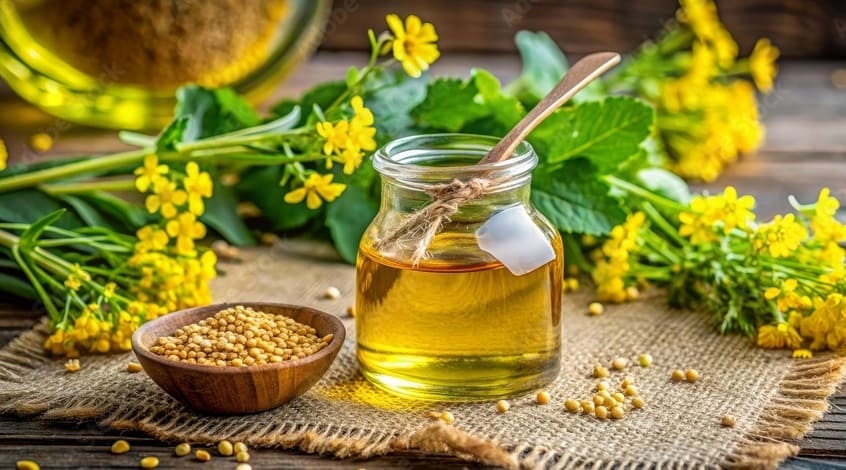
Sesame Oil

Sesame oil, often referred to as gingelly oil or til oil, is one of the oldest and most versatile oils in the world. It has been used for thousands of years in Asian, Middle Eastern, and African cuisines, not just for its nutty flavor but also for its rich medicinal and cosmetic benefits. Derived from … Read more

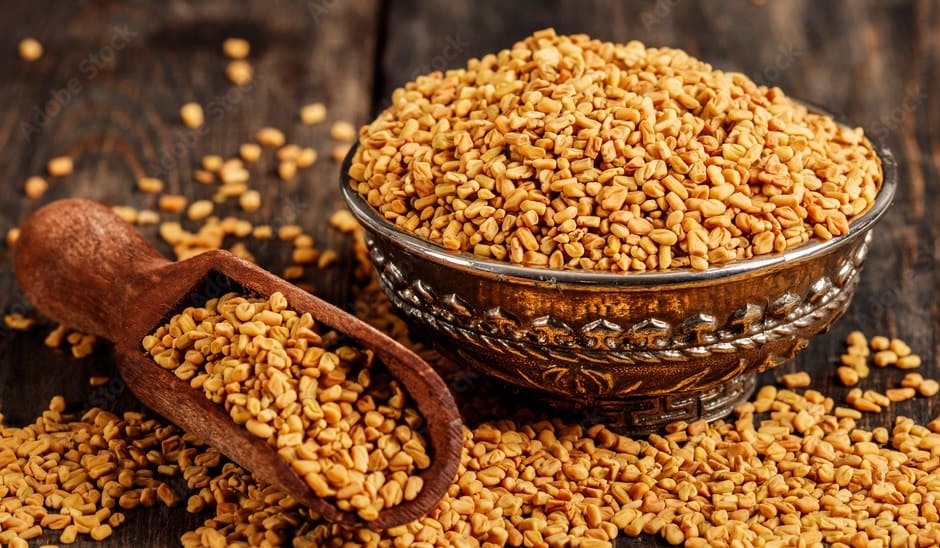
Fenugreek Seeds: 20 Benefits, Side Effects, Uses & How Much to Eat

Fenugreek Seeds

Fenugreek seeds are tiny golden-brown seeds with a strong aroma and a slightly bitter taste that has been used in cooking and traditional medicine for centuries. These seeds are widely used in Indian, Middle Eastern, and Mediterranean cuisines and have earned a place in herbal remedies due to their therapeutic properties. Known as methi dana … Read more

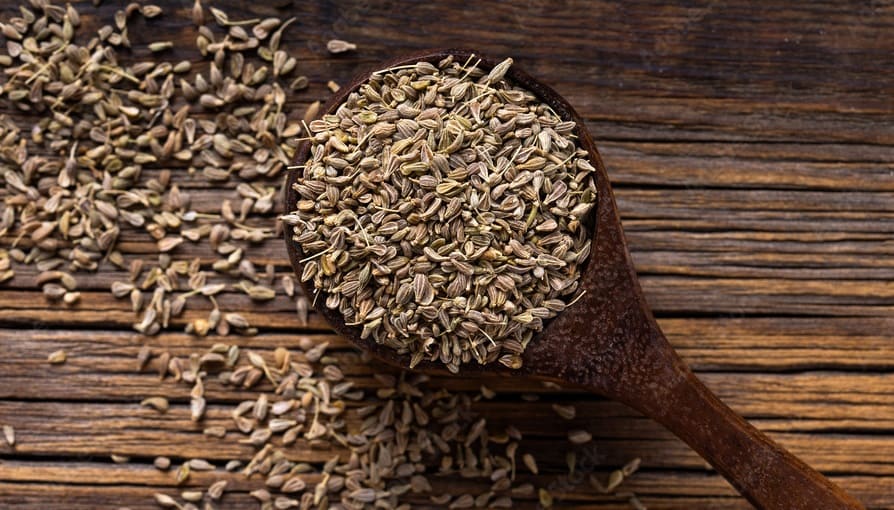
Anise Seeds: 20 Benefits, Side Effects, Uses & How Much to Eat

Anise Seeds

Anise seeds, small yet highly aromatic, have been cherished for centuries not only as a spice but also as a natural remedy. Known for their sweet, licorice-like flavor, they are used in culinary traditions, herbal medicine, and even in Ayurveda. Beyond their taste, these tiny seeds are packed with nutrients and bioactive compounds that contribute … Read more

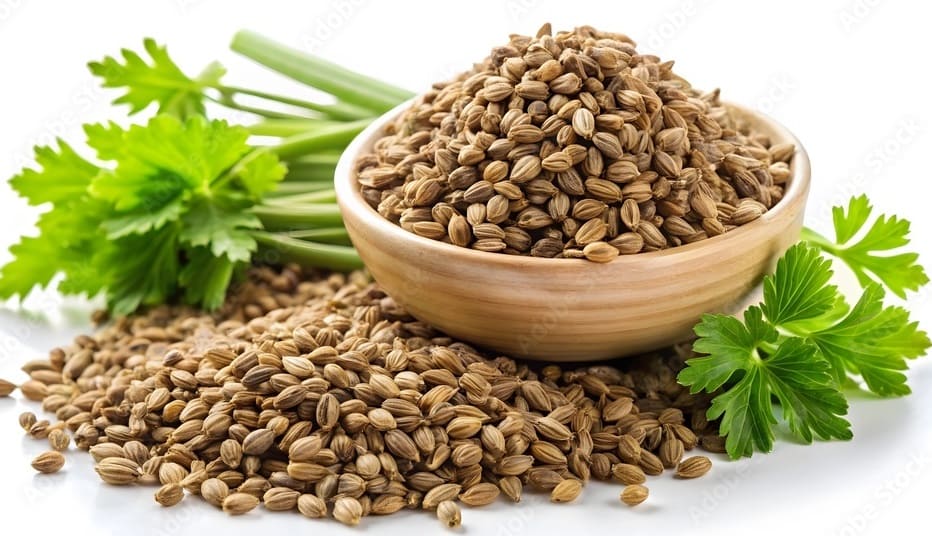
Celery Seeds: 20 Benefits, Side Effects, Uses & How Much to Eat

Celery Seeds

Celery seeds may be tiny, but they pack a powerful punch when it comes to nutrition and health. For centuries, these seeds have been valued in traditional medicine systems like Ayurveda and Chinese medicine for their ability to support digestion, reduce inflammation, and promote overall wellness. Unlike the crunchy celery stalks we commonly eat, celery … Read more

Peanuts: Nutrition, 20 Benefits, Side Effects & How Much to Eat

Peanuts

Peanuts are one of the world’s most popular snacks and a pantry staple in many households. Whether roasted, boiled, turned into creamy butter, or sprinkled on a dish, peanuts are versatile and delicious. But beyond taste, these tiny legumes (yes, peanuts aren’t technically nuts!) are packed with nutrition and offer several health benefits. In this … Read more

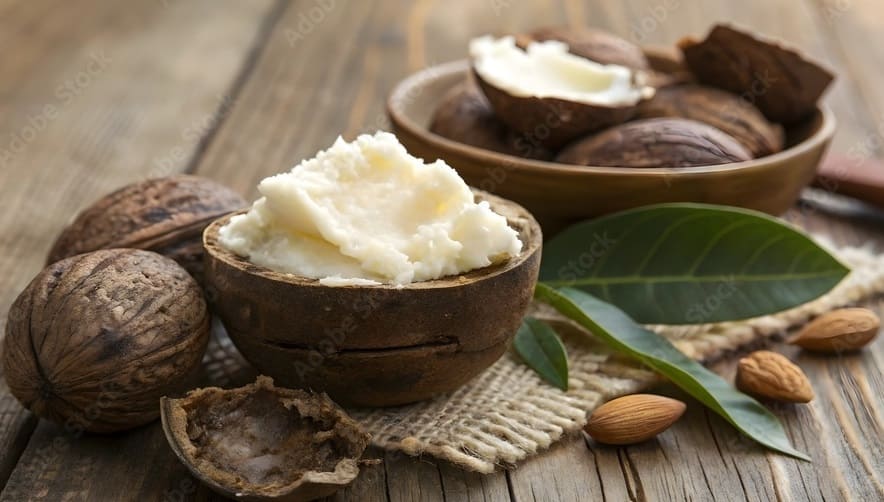
Shea Butter: 20 Benefits, Uses, Side Effects & How to Make It

Shea Butter

When it comes to natural skincare, one ingredient consistently shines through ancient traditions and modern beauty shelves alike—Shea Butter. Loved for its rich, creamy texture and remarkable benefits, shea butter is not just another trend; it has stood the test of time as a skin healer, hair softener, and even a remedy for everyday concerns. … Read more

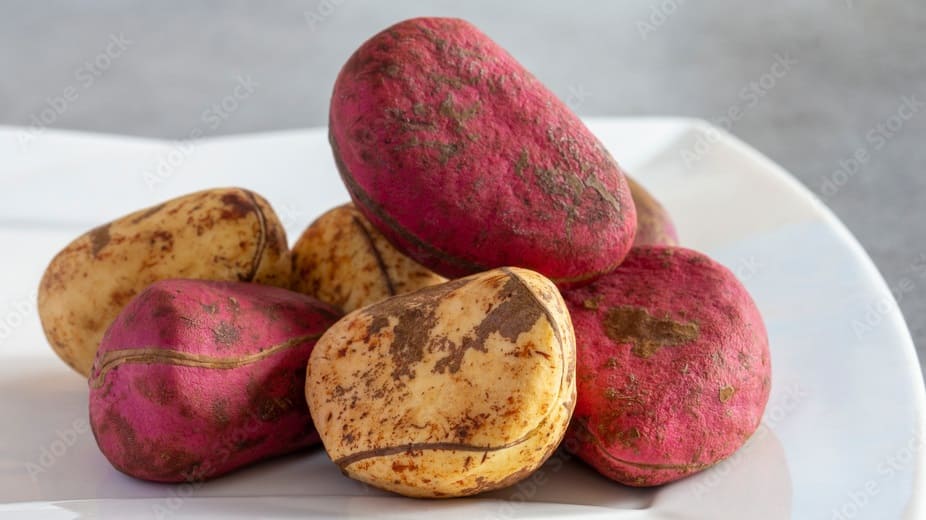
Kola Nut: Nutrition, 20 Benefits, Side Effects & How to Eat Them

Kola Nut

The kola nut has a long and fascinating history. For centuries, it has been a part of African culture, valued both as a social offering and as a natural stimulant. Known for its caffeine-rich properties, kola nut was once the secret ingredient in many soft drinks, including the original Coca-Cola. Beyond its role in beverages, … Read more

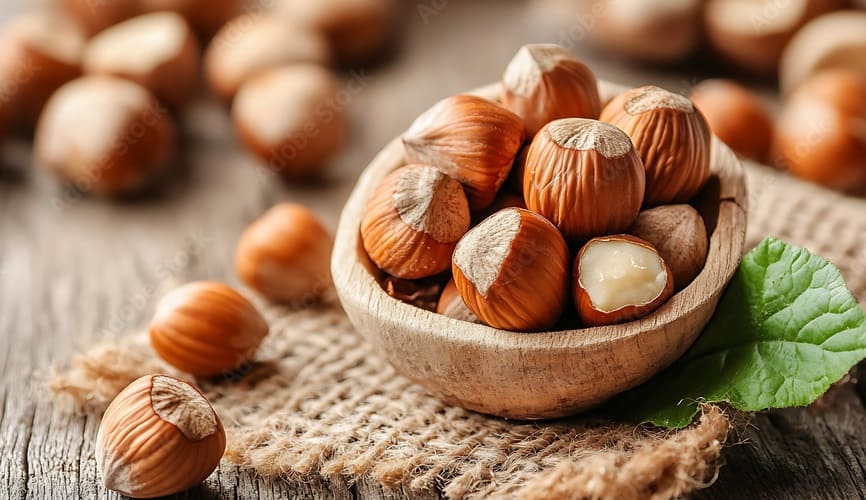
Hazelnuts: Nutrition, 20 Benefits, Side Effects & How to Eat Them

Hazelnuts

When you think about nuts, hazelnuts often come to mind because of their rich, buttery taste and their starring role in chocolates and spreads like Nutella. But beyond their delicious flavor, hazelnuts are nutritional powerhouses packed with healthy fats, vitamins, and antioxidants. Whether eaten raw, roasted, or blended into desserts, hazelnuts carry impressive health benefits—but … Read more

Flax Seeds: Nutrition, 20 Benefits, Side Effects & How to Eat Them

Flax Seeds

Flax seeds, also known as linseeds, have been cultivated for thousands of years and are now considered one of the most powerful plant-based superfoods. These tiny, golden or brown seeds may look ordinary, but they are packed with nutrients that can improve heart health, aid digestion, balance hormones, and support overall wellness. In recent years, … Read more

Watermelon Seeds: Nutrition, 20 Benefits, Side Effects & How to Eat Them

Watermelon Seeds

When most people enjoy a juicy slice of watermelon, the seeds often get tossed aside or spit out. However, those tiny black or white seeds hiding inside the fruit are a powerhouse of nutrients that can contribute to overall health. Watermelon seeds are rich in protein, healthy fats, vitamins, and minerals, making them far more … Read more