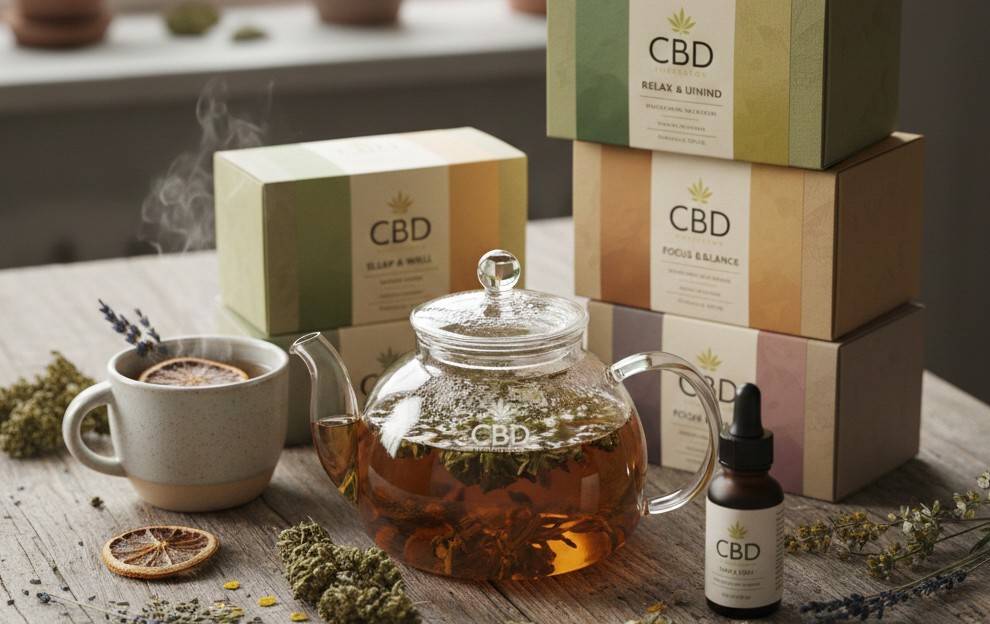
CBD tea has become increasingly popular among people looking for natural ways to relax, reduce stress, and support overall wellness. As interest in plant-based remedies grows, cannabidiol (CBD) — a non-intoxicating compound derived from hemp — is being incorporated into beverages like herbal teas. Whether infused into loose leaves, blended into ready-made bags, or added as oil drops to hot brews, CBD tea represents a fusion of traditional tea culture and modern wellness trends.
This guide explores what CBD tea is, its nutritional profile, scientifically studied benefits, possible side effects, preparation methods, consumption guidelines, and safety considerations. While CBD tea is widely discussed in wellness circles, it is important to approach it with informed expectations and awareness of individual health needs.
What is CBD Tea?
CBD tea is a beverage made by infusing tea leaves or herbs with cannabidiol (CBD), a naturally occurring compound found in the Cannabis sativa plant. Unlike tetrahydrocannabinol (THC), CBD does not produce psychoactive effects or intoxication. Most commercially available CBD tea is derived from hemp plants containing minimal THC levels.
CBD tea can take several forms:
- Hemp flower tea brewed directly from dried hemp leaves or flowers.
- Herbal tea blends infused with CBD oil or isolate.
- Standard teas such as green, black, or chamomile combined with CBD extracts.
- Ready-to-drink CBD beverages available in certain markets.
When consumed, CBD interacts with the body’s endocannabinoid system — a complex cell-signaling network involved in regulating mood, sleep, appetite, and immune response. Drinking CBD tea provides a gentle and gradual delivery of cannabidiol, often combined with the calming ritual of tea consumption.
Components of CBD Tea
CBD tea’s nutritional content varies depending on the base tea or herbs used. Pure CBD itself provides negligible calories and nutrients, but hemp-derived infusions may contain trace plant compounds. Below is a general estimated nutritional profile per 1 cup (240 ml) of unsweetened CBD herbal tea:
| Nutrient | Approximate Amount |
|---|---|
| Calories | 0–5 kcal |
| Protein | 0 g |
| Fat | 0–0.5 g |
| Carbohydrates | 0–1 g |
| Fiber | 0 g |
| Sugars | 0 g |
| CBD Content | 5–25 mg (varies by product) |
| Polyphenants | Trace |
| Terpenes | Trace |
| Minerals (Mg, K) | Small amounts depending on herbs |
| Antioxidants | Variable depending on tea base |
Note: Nutritional values depend on preparation method, added ingredients, and CBD concentration.
20 Science-Backed Benefits of CBD Tea
Research on CBD is ongoing, and many findings are preliminary. The following points summarize areas where scientific studies have observed potential benefits.
- Stress Reduction: CBD tea may help lower perceived stress levels by interacting with receptors that regulate emotional responses.
- Anxiety Support: Research suggests CBD may reduce symptoms of anxiety by influencing serotonin signaling in the brain.
- Improved Sleep Quality: Drinking CBD tea may promote better sleep by encouraging relaxation and addressing factors that disrupt rest.
- Anti-Inflammatory Effects: CBD has demonstrated anti-inflammatory properties that may help reduce chronic inflammation in the body.
- Pain Relief Support: CBD may modulate pain perception pathways and provide mild relief from discomfort.
- Neuroprotective Potential: Studies indicate CBD may help protect nerve cells from oxidative stress and degeneration.
- Heart Health Support: CBD may assist in managing stress-related blood pressure changes and promote cardiovascular wellness.
- Digestive Comfort: CBD tea may support digestive balance by calming stress-related gastrointestinal disturbances.
- Antioxidant Properties: CBD contains compounds that help neutralize free radicals and support cellular health.
- Mood Stabilization: Regular consumption may contribute to emotional balance through neurotransmitter interaction.
- Skin Health Support: Anti-inflammatory benefits may indirectly support healthier skin from within.
- Muscle Relaxation: CBD tea may help reduce muscle tension and stiffness after physical activity.
- Immune System Regulation: CBD may influence immune response through anti-inflammatory pathways.
- Addiction Recovery Support: Some research suggests CBD may reduce cravings in certain dependency contexts.
- Migraine Relief Potential: CBD’s pain-modulating properties may assist some individuals with headache discomfort.
- Hormonal Balance Influence: Interaction with the endocannabinoid system may support endocrine signaling balance.
- Relaxation Enhancement: Drinking CBD tea may promote calmness and mental relaxation.
- Seizure Management Support: Clinical studies show CBD effectiveness for specific seizure disorders under medical supervision.
- Appetite Regulation: CBD may contribute to balancing appetite signals within metabolic processes.
- General Wellness Promotion: Moderate intake may support overall well-being when combined with a healthy lifestyle.
10 Side Effects of CBD Tea
While generally considered well tolerated, CBD can cause adverse effects in some individuals.
- Dry Mouth: CBD tea may temporarily reduce saliva production, causing a sensation of dryness.
- Drowsiness: Higher intake may lead to sleepiness or reduced alertness in some individuals.
- Digestive Discomfort: Some people may experience nausea, diarrhea, or mild stomach upset.
- Appetite Changes: CBD may increase or decrease hunger depending on individual response.
- Lightheadedness: Drops in blood pressure may cause dizziness or faint sensations.
- Medication Interactions: CBD can affect how certain medications are metabolized in the liver.
- Mood Alterations: Rare cases may involve irritability or emotional shifts.
- Liver Enzyme Changes: High doses may influence liver function markers in sensitive individuals.
- Headaches: Some users report mild headaches after consumption.
- Allergic Reactions: Sensitivity to hemp components may trigger itching or irritation.
How to Make CBD Tea?
Ingredients:
- 1 cup water
- Tea leaves or herbal blend
- CBD oil or hemp flowers
- Optional fat source such as milk or coconut oil
- Sweetener or lemon (optional)
Instructions:
- Bring water to a gentle boil.
- Add tea leaves or herbs and simmer for several minutes.
- Stir in a small amount of fat to improve CBD absorption.
- Add measured CBD oil or hemp flowers.
- Steep for 5–10 minutes.
- Strain, sweeten if desired, and serve warm.
Other Uses of CBD Tea
- As a calming bedtime beverage
- For mindfulness or relaxation rituals
- As part of herbal wellness routines
- As a base for iced wellness drinks
- For social tea gatherings focused on relaxation
How Much CBD Tea Can You Drink a Day?
Safe intake varies widely depending on body weight, tolerance, and CBD concentration. General considerations include:
- Beginners may start with 5–10 mg CBD daily.
- Moderate users may consume 15–30 mg daily.
- Intake should be spaced across the day rather than concentrated.
- Consulting a healthcare professional is advisable before regular use.
There is no universally established dosage guideline, so gradual experimentation is key.
Tips for Consuming CBD Tea
- Choose products tested for purity and potency.
- Begin with small servings to assess tolerance.
- Combine with healthy fats for better absorption.
- Avoid mixing with alcohol or sedatives.
- Store CBD products properly to maintain stability.
- Monitor physical and mental responses.
Best Time to Drink CBD Tea
- Morning: For calm focus without intoxication
- Afternoon: To ease stress or tension
- Evening: To support relaxation or sleep
- Post-workout: For recovery support
Timing should align with personal wellness goals.
Who Should Drink CBD Tea?
- Adults seeking relaxation support
- Individuals experiencing stress or mild anxiety
- People interested in plant-based wellness options
- Those exploring alternative sleep support strategies
- Herbal tea enthusiasts interested in functional beverages
Who Should Not Drink CBD Tea?
- Pregnant or breastfeeding individuals
- Children unless medically supervised
- People taking interacting medications
- Individuals with liver disorders
- Anyone sensitive to cannabis compounds
- Those living in regions where CBD is restricted
Precautions and Interactions
CBD tea should be consumed responsibly and with awareness of potential interactions:
- It may affect medications metabolized by liver enzymes.
- Blood pressure medications may interact with CBD.
- Sedatives may amplify drowsiness effects.
- Alcohol combination may increase impairment.
- Medical consultation is recommended for chronic conditions.
- Check local regulations regarding CBD legality before use.
Conclusion
CBD tea represents an intersection of traditional herbal beverage culture and emerging cannabinoid research. With potential benefits ranging from relaxation support to anti-inflammatory effects, it offers an appealing option for wellness-conscious individuals. However, scientific understanding is still evolving, and effects vary based on dosage, product quality, and personal physiology.
Moderation, informed sourcing, and professional guidance are essential when incorporating CBD tea into daily routines. When used thoughtfully, it can serve as a calming ritual that complements a balanced lifestyle rather than replacing medical treatment or healthy habits.
FAQ’s
What does CBD tea taste like?
CBD tea typically has an earthy, slightly herbal flavor due to hemp compounds, but the taste varies depending on the base tea blend and added ingredients such as mint, chamomile, or citrus.
Does CBD tea make you feel high?
No, CBD tea does not produce intoxication because it contains cannabidiol rather than psychoactive THC in significant amounts.
Is CBD tea legal?
Legality depends on regional regulations and THC limits, so consumers should verify local laws before purchasing or consuming CBD products.
How long does CBD tea take to work?
Effects may begin within 20–60 minutes after consumption, depending on metabolism, dosage, and whether it is taken with food.
Can you drink CBD tea every day?
Many adults consume CBD tea daily in moderate amounts, but long-term use should be discussed with a healthcare professional for safety.
Is CBD tea safe for beginners?
Yes, when started at low doses and sourced from reputable brands, beginners can usually tolerate CBD tea well.
Can CBD tea help with sleep?
Some studies suggest CBD may promote relaxation and address factors that interfere with sleep, although individual results vary.
Is CBD tea addictive?
CBD is generally not considered addictive based on current research, but responsible consumption is recommended.
Is CBD tea suitable for children?
CBD tea is typically not recommended for children unless prescribed and supervised by a healthcare provider.
Can pregnant or breastfeeding individuals drink CBD tea?
It is generally advised to avoid CBD during pregnancy or breastfeeding due to limited safety research.
How should CBD tea be stored?
It should be kept in a cool, dry place away from sunlight to maintain potency and freshness.
Can you mix CBD tea with other herbal teas?
Yes, CBD can be blended with various herbs, but compatibility and tolerance should be considered.
How much CBD tea should you drink at once?
A single cup containing a low CBD dose is recommended initially, with adjustments based on response.
Does CBD tea show up on drug tests?
Most CBD products contain minimal THC, but trace amounts may still appear on sensitive tests depending on product purity.
What is CBD Tea made from?
CBD tea is made by infusing tea leaves or herbal blends with cannabidiol (CBD), a compound extracted from hemp plants. It may contain dried hemp flowers, CBD oil, or CBD isolate combined with traditional teas such as green, black, or herbal varieties. Some blends also include natural flavoring herbs, spices, or citrus ingredients.
What is CBD Tea good for?
CBD tea is commonly consumed for its potential calming and wellness-supporting effects. It may help promote relaxation, support stress and anxiety management, improve sleep quality, and provide mild anti-inflammatory and pain-relief benefits. Many people also drink it as part of a holistic lifestyle routine focused on balance and mental well-being.
Does CBD tea make you sleepy?
CBD tea does not automatically cause sleepiness, but it may promote relaxation, which can lead to drowsiness in some individuals, especially when consumed in higher amounts or in the evening. Effects vary depending on dosage, personal sensitivity, and the type of tea used in the blend.
Also Read: