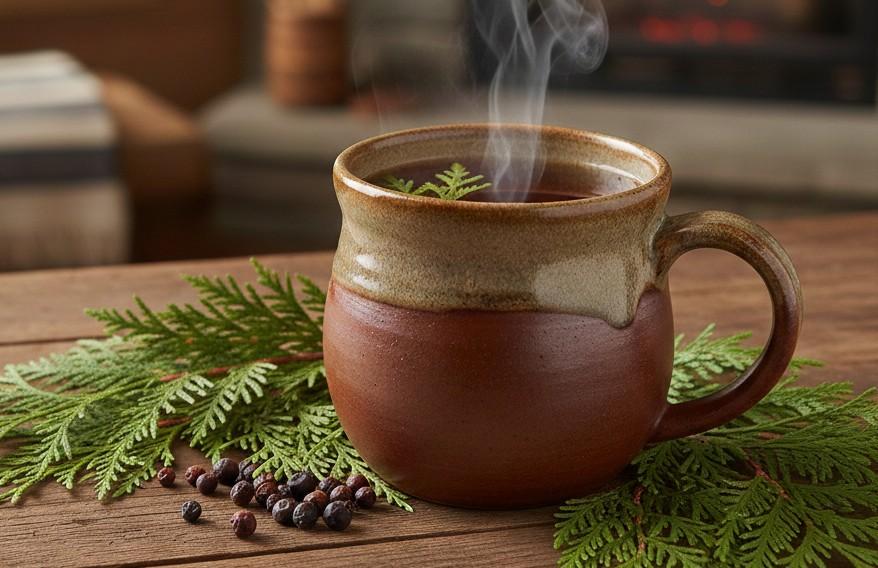
Herbal teas have been consumed across cultures for centuries for their comforting taste and potential wellness benefits. Among them, cedar tea is a lesser-known but historically valued infusion made from parts of the cedar tree. Indigenous communities in different regions have used cedar preparations for respiratory relief, cleansing rituals, and seasonal wellness. Today, cedar tea has gained attention among herbal enthusiasts looking for unique, plant-based beverages.
While cedar tea offers interesting potential benefits, it’s important to understand how to prepare and consume it safely. Not all cedar species are suitable for consumption, and moderation is essential. This guide explores what cedar tea is, its proven health benefits, side effects, and practical usage tips.
What is Cedar Tea?
Cedar tea is an herbal infusion made by steeping the leaves, bark, or needles of certain cedar or cedar-like trees in hot water. Traditionally, people have used species such as Eastern white cedar or similar conifers to prepare this tea. It produces a fragrant drink with a slightly woody, earthy flavor and mild bitterness.
Historically, cedar tea was valued for:
- Supporting immune health
- Providing warmth in colder seasons
- Offering respiratory comfort
- Cultural and ceremonial uses
It is essential to understand that the term “cedar” can refer to different species, and not all are safe for ingestion. Only properly identified edible varieties should be used, ideally sourced from reliable herbal suppliers. Cedar tea is caffeine-free, making it suitable for those seeking calming or evening beverages. However, because of its strong phytochemical content, it should be consumed thoughtfully rather than as a daily replacement for conventional teas.
Components of Cedar Tea
Cedar tea is not typically consumed for macronutrients but for its bioactive plant compounds. Exact values vary depending on the plant species, preparation strength, and serving size.
| Nutrient / Compound | Approximate Presence | Potential Role |
|---|---|---|
| Vitamin C | Moderate (varies widely) | Supports immune function |
| Antioxidants | Present | Helps combat oxidative stress |
| Flavonoids | Trace amounts | Anti-inflammatory potential |
| Tannins | Present | Astringent and digestive effects |
| Essential oils | Present | Aromatic and therapeutic properties |
| Calcium | Trace | Bone health support |
| Magnesium | Trace | Muscle and nerve function |
| Potassium | Trace | Fluid balance |
| Calories | Very low | Minimal energy contribution |
| Caffeine | None | Suitable for caffeine-sensitive individuals |
Note: Nutritional values are approximate and depend heavily on preparation method and plant species.
20 Science-Backed Benefits of Cedar Tea
Below are potential benefits based on known properties of cedar phytochemicals and herbal research related to similar conifer infusions.
1. Immune Support
Compounds such as vitamin C and antioxidants may help strengthen the immune response.
2. Antioxidant Protection
Antioxidants present in cedar may help neutralize free radicals that contribute to cellular damage.
3. Respiratory Comfort
Traditional use suggests cedar tea may assist with mild respiratory irritation through soothing vapors and compounds.
4. Anti-Inflammatory Properties
Plant compounds may help reduce mild inflammation in the body.
5. Digestive Support
Astringent elements like tannins may aid in digestion when consumed in moderation.
6. Antimicrobial Potential
Certain cedar extracts have demonstrated antimicrobial activity in laboratory studies.
7. Stress Relief
Warm herbal tea consumption promotes relaxation and calming rituals.
8. Skin Health Support
Antioxidants may contribute to healthier skin by reducing oxidative stress.
9. Detoxification Support
Traditional herbal practices associate cedar tea with supporting natural detox pathways.
10. Circulatory Health
Trace minerals and hydration may support blood circulation.
11. Oral Health Benefits
Antimicrobial properties may help maintain oral hygiene when used as a rinse.
12. Mild Pain Relief
Traditional use indicates potential for mild discomfort relief through anti-inflammatory action.
13. Seasonal Wellness Aid
Vitamin content and warming properties may be useful during seasonal changes.
14. Hydration Support
Like most herbal teas, it contributes to fluid intake.
15. Mood Enhancement
Herbal aromas may promote psychological comfort.
16. Sleep Support
Caffeine-free nature allows for nighttime consumption.
17. Urinary Tract Support
Traditional use suggests mild diuretic properties.
18. Metabolic Support
Antioxidants may assist overall metabolic balance.
19. Aromatherapy Benefits
Steam inhalation during preparation may offer calming aromatic effects.
20. Cultural and Ritual Wellbeing
Traditional use contributes to emotional and cultural health practices.
10 Side Effects of Cedar Tea
Despite potential benefits, cedar tea may cause adverse effects if misused.
1. Allergic Reactions
Some individuals may experience skin or respiratory sensitivity.
2. Digestive Irritation
Strong preparations may upset the stomach.
3. Toxicity from Incorrect Species
Certain cedar species contain compounds unsafe for ingestion.
4. Pregnancy Risks
Some cedar compounds may stimulate uterine contractions.
5. Medication Interactions
Herbal compounds may interfere with certain medications.
6. Kidney Stress
Excess consumption could burden kidney function.
7. Liver Concerns
High intake of concentrated extracts may affect liver health.
8. Dizziness or Headache
Overconsumption may lead to mild discomfort.
9. Dehydration Risk
Possible mild diuretic effect if consumed excessively.
10. Skin Sensitivity
Handling plant materials may cause irritation in sensitive individuals.
How to Make Cedar Tea?
Ingredients:
- 1 cup fresh cedar leaves or needles (or 1–2 teaspoons dried)
- 2 cups water
Instructions:
- Rinse the cedar material thoroughly.
- Bring water to a boil.
- Add cedar leaves or needles to hot water.
- Simmer for 5–10 minutes.
- Strain into a cup.
- Allow cooling before drinking.
Optional additions: honey, lemon, or mint for flavor balancing.
Other Uses of Cedar Tea
- Used as a steam inhalation for respiratory comfort
- Applied as a mild skin rinse in traditional practices
- Used in cultural cleansing or ritual contexts
- Added to baths for aromatic relaxation
- Used as a natural room fragrance infusion
How Much Cedar Tea Can You Drink a Day?
Moderation is critical.
- Typical suggested amount: 1 cup per day
- Occasional use preferred rather than daily consumption
- Avoid concentrated or multiple servings unless guided by a professional
Herbal tolerance varies significantly among individuals.
Tips for Consuming Cedar Tea
- Use only properly identified edible species
- Start with small amounts
- Avoid strong concentrations
- Source from reputable suppliers
- Do not consume long-term without breaks
- Consult a professional if unsure
- Monitor body reactions carefully
- Store herbs in dry, clean conditions
Best Time to Drink Cedar Tea
- Evening relaxation due to caffeine-free nature
- During colder seasons for warming comfort
- After meals in mild amounts for digestion
- During rest periods rather than before intense activity
Who Should Drink Cedar Tea?
- Adults interested in herbal wellness
- Individuals seeking caffeine-free beverages
- People exploring traditional herbal infusions
- Those wanting occasional immune-support drinks
Who Should Not Drink Cedar Tea?
- Pregnant or breastfeeding individuals
- Children
- People with chronic kidney or liver conditions
- Those with known plant allergies
- Individuals on medication without consultation
- Anyone uncertain about plant identification
Precautions and Interactions
- Always confirm species safety before use
- Avoid combining with strong herbal supplements
- Discuss with healthcare providers if taking medication
- Stop consumption if unusual symptoms appear
- Avoid high concentrations or prolonged use
- Keep away from pets and children
- Use responsibly as part of balanced wellness practices
Conclusion
Cedar tea represents a fascinating intersection of tradition, herbal knowledge, and modern curiosity about natural wellness beverages. With its distinctive aroma and potential benefits ranging from antioxidant support to relaxation, it can be a valuable addition to occasional herbal routines. However, the importance of correct species identification, moderate consumption, and awareness of possible side effects cannot be overstated.
FAQ’s
Can I drink Cedar Tea every day?
Daily consumption is not generally recommended. It’s best enjoyed occasionally in moderation unless advised otherwise by a healthcare professional.
How long does it take for Cedar Tea to work?
Hydration and warmth are immediate, while calming or soothing effects may be noticed within minutes to an hour. Results vary by individual.
What is Cedar Tea good for?
Cedar tea is valued for potential antioxidant support, relaxation, and mild immune or respiratory wellness benefits when consumed moderately.
What is cedar tea made from?
Cedar tea is typically made by steeping the leaves, needles, or bark of certain edible cedar or cedar-like trees in hot water to create an aromatic herbal infusion.
Is cedar tea safe to drink?
Cedar tea can be safe when prepared using properly identified edible species and consumed in moderation, but incorrect plant identification or excessive intake may pose health risks.
Does cedar tea contain caffeine?
No, cedar tea is naturally caffeine-free, making it suitable for individuals avoiding stimulants or seeking a calming beverage.
What does cedar tea taste like?
Cedar tea usually has a woody, earthy flavor with slightly bitter and resinous notes, which some people balance with honey or lemon.
Can cedar tea boost immunity?
Cedar tea may contribute to immune support due to antioxidants and vitamin content, though it should not replace medical treatment or balanced nutrition.
Is cedar tea good for colds or congestion?
Traditional use suggests cedar tea may provide soothing effects during respiratory discomfort, but scientific evidence remains limited.
Can pregnant women drink cedar tea?
Pregnant or breastfeeding individuals should avoid cedar tea unless advised otherwise by a healthcare professional.
Are all cedar trees safe for making tea?
No, not all cedar species are safe for consumption. Proper identification and sourcing are essential before preparing cedar tea.
Can children drink cedar tea?
Cedar tea is generally not recommended for children due to its potent plant compounds and limited safety data.
Does cedar tea help with digestion?
Some traditional practices associate cedar tea with digestive comfort, possibly due to its astringent properties when consumed in small amounts.
How long should cedar tea steep?
Typically, cedar tea is steeped or simmered for about 5–10 minutes to extract flavor and beneficial compounds.
Can cedar tea be stored?
Freshly prepared tea is best consumed immediately, but it can be refrigerated for up to 24 hours in a sealed container.
Is cedar tea used for anything besides drinking?
Yes, it may be used in steam inhalation, baths, rinses, or traditional aromatic practices depending on cultural context.
What is cedar tea used for?
It is used as a caffeine-free herbal drink and in traditional practices such as steam inhalation, baths, or aromatic rituals.
Also Read: