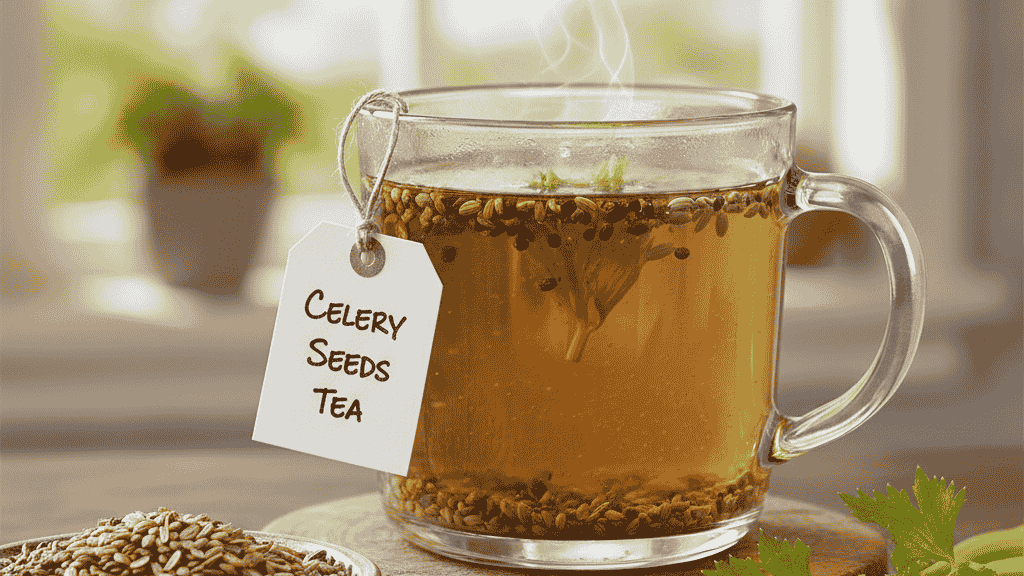
Celery seeds are small, aromatic seeds derived from the Apium graveolens plant, the same plant that gives us celery stalks. While celery itself is celebrated for its nutritional benefits, its seeds have long been valued in traditional medicine for their therapeutic properties. One of the most popular ways to consume celery seeds is through celery seeds tea, a soothing beverage known for its health-boosting effects. In this post, we will dive deep into what celery seeds tea is, its nutritional profile, proven benefits, side effects, and how to prepare it.
What is Celery Seeds Tea?
Celery seeds tea is an herbal infusion made by steeping dried celery seeds in hot water. It captures the seeds’ natural flavors and compounds, offering a concentrated source of nutrients and bioactive compounds. Traditionally, this tea has been used to support digestive health, reduce inflammation, manage blood pressure, and promote kidney function.
Celery seeds contain several bioactive components such as volatile oils, flavonoids, alkaloids, and phenolic compounds, which are responsible for their therapeutic properties. Drinking celery seeds tea can be a gentle and natural way to incorporate these compounds into your diet.
Nutritional Facts of Celery Seeds Tea
Although the nutrient content may vary depending on the quantity of seeds used and the steeping time, here is an approximate nutritional profile for a cup (240 ml) of celery seeds tea made with 1 teaspoon of seeds:
| Nutrient | Amount per 1 Cup (240 ml) | % Daily Value* |
|---|---|---|
| Calories | 8 kcal | 0.4% |
| Protein | 0.4 g | 1% |
| Carbohydrates | 1.3 g | 0.4% |
| Dietary Fiber | 0.5 g | 2% |
| Fat | 0.3 g | 0.5% |
| Calcium | 40 mg | 4% |
| Iron | 0.6 mg | 3% |
| Magnesium | 5 mg | 1% |
| Phosphorus | 7 mg | 1% |
| Potassium | 60 mg | 1% |
| Sodium | 1 mg | 0% |
| Vitamin C | 0.5 mg | 1% |
*Percent Daily Values are based on a 2,000-calorie diet.
Celery seeds are particularly noted for their calcium, iron, and potassium content, which can support bone health, blood pressure regulation, and overall mineral balance.
20 Science-Backed Health Benefits of Celery Seeds Tea
- Supports Blood Pressure Regulation – Celery seeds contain phthalides, compounds that help relax blood vessels, potentially lowering blood pressure.
- Promotes Kidney Health – Traditionally used as a diuretic, celery seeds tea may help in flushing out toxins and preventing kidney stones.
- Reduces Inflammation – Flavonoids and phenolic compounds in celery seeds have anti-inflammatory properties that may help manage conditions like arthritis.
- Aids Digestion – Celery seeds can stimulate digestive enzymes and relieve bloating or indigestion.
- Supports Heart Health – By helping reduce blood pressure and oxidative stress, celery seeds tea may contribute to cardiovascular well-being.
- Natural Antioxidant – The tea is rich in antioxidants that help neutralize free radicals, protecting cells from damage.
- Helps Manage Gout – Celery seeds may aid in reducing uric acid levels, which can prevent or alleviate gout symptoms.
- Supports Liver Function – Compounds in celery seeds may assist the liver in detoxification processes.
- May Aid Weight Management – Low in calories and with mild diuretic effects, celery seeds tea can support weight management strategies.
- Antibacterial Properties – Celery seeds have shown antibacterial activity, which may support overall immunity.
- Relieves Menstrual Discomfort – Traditional medicine uses celery seeds for easing menstrual cramps and discomfort.
- Supports Bone Health – With calcium and other minerals, celery seeds tea can contribute to maintaining healthy bones.
- Reduces Cholesterol Levels – Preliminary studies suggest celery seed compounds can lower LDL cholesterol.
- Helps with Respiratory Health – Anti-inflammatory compounds may alleviate symptoms of asthma or bronchitis.
- Regulates Blood Sugar – Some studies indicate celery seeds may improve insulin sensitivity and support blood sugar control.
- Supports Skin Health – Antioxidants in celery seeds protect skin cells from oxidative stress and premature aging.
- Boosts Immune System – Nutrients like iron and antioxidants can strengthen the body’s natural defenses.
- Relieves Muscle Spasms – Celery seeds contain compounds that may help relax muscles and reduce spasms.
- Improves Urinary Tract Health – The diuretic properties may prevent urinary tract infections by promoting regular urine flow.
- Supports Mental Well-being – Some research suggests antioxidant-rich herbal teas, including celery seeds tea, can help reduce stress and improve cognitive function.
10 Side Effects of Celery Seeds Tea
While generally safe for most people, excessive consumption or certain health conditions may cause side effects:
- Allergic Reactions – Some individuals may experience rashes or itching.
- Lowered Blood Pressure – People with hypotension should consume cautiously.
- Increased Urination – Overconsumption may lead to excessive fluid loss.
- Kidney Irritation – Excessive intake can stress the kidneys.
- Digestive Discomfort – High amounts may cause nausea or diarrhea.
- Photosensitivity – Celery seed compounds can make skin more sensitive to sunlight.
- Blood Sugar Fluctuations – Diabetics should monitor blood sugar when consuming regularly.
- Pregnancy Risk – Excessive amounts may stimulate uterine contractions.
- Medication Interactions – May interfere with diuretics or blood pressure medications.
- Electrolyte Imbalance – Prolonged overuse can lead to mineral imbalance due to its diuretic effect.
How to Make Celery Seeds Tea?
Ingredients:
- 1 teaspoon of celery seeds
- 1 cup (240 ml) of water
- Optional: honey or lemon for flavor
Instructions:
- Boil water in a small saucepan.
- Add the celery seeds to the boiling water.
- Reduce heat and simmer for 5–10 minutes.
- Strain the tea into a cup.
- Add honey or lemon if desired.
- Drink warm for best results.
Other Uses of Celery Seeds Tea
- Culinary Use – The brewed tea can be added to soups and stews for flavor.
- Detoxification – Consumed as part of a detox regimen for kidney and liver health.
- Topical Use – Cooled tea can be used as a soothing compress for minor skin irritations.
- Aromatherapy – The aroma of celery seed tea has calming effects and can be used in relaxation rituals.
How Much Celery Seeds Tea Can You Drink a Day?
For most adults, 1–2 cups per day is considered safe and sufficient to reap health benefits. Overconsumption can increase the risk of side effects due to its potent compounds and diuretic effect.
Tips for Consuming Celery Seeds Tea
- Start with a small quantity to check for tolerance.
- Avoid consuming on an empty stomach to reduce the risk of digestive discomfort.
- Combine with other herbs like ginger or turmeric for enhanced health benefits.
- Drink freshly brewed tea rather than storing it for long periods to preserve antioxidants.
- Use organic celery seeds to minimize exposure to pesticides.
Best Time to Drink Celery Seeds Tea
- Morning – Supports digestion and acts as a gentle diuretic.
- Before Meals – Can help stimulate appetite and digestive enzyme production.
- Evening (1–2 hours before dinner) – May promote relaxation and aid kidney function overnight.
Who Should Drink Celery Seeds Tea?
Celery seeds tea may be beneficial for:
- Individuals with high blood pressure
- Those looking to support kidney and liver health
- People with inflammatory conditions like arthritis
- Individuals seeking digestive support
- People aiming to manage cholesterol or uric acid levels
- Anyone looking for a low-calorie, antioxidant-rich beverage
Who Should Not Drink Celery Seeds Tea?
Celery seeds tea should be avoided or consumed with caution by:
- Pregnant or breastfeeding women
- Individuals with low blood pressure
- People with kidney disorders
- Those allergic to celery or related plants
- Individuals on blood pressure, diuretic, or blood sugar medications without consulting a doctor
Precautions and Interactions
- Medication Interactions – Celery seeds may enhance the effects of diuretics and blood pressure medications, leading to excessive lowering of blood pressure or dehydration.
- Pregnancy Caution – High doses may cause uterine contractions.
- Allergy Alert – People allergic to celery, carrots, or parsley should avoid it.
- Electrolyte Monitoring – Long-term consumption may require monitoring potassium and sodium levels, especially in individuals with kidney issues.
Conclusion
Celery seeds tea is a powerful herbal infusion with a long history of use in traditional medicine. Packed with antioxidants, anti-inflammatory compounds, and essential minerals, it offers a range of potential health benefits, from supporting heart and kidney function to aiding digestion and relieving inflammation.
However, like any herbal remedy, moderation is key. Overconsumption or ignoring potential interactions with medications can lead to unwanted side effects. By following recommended dosages, timing, and precautions, celery seeds tea can become a valuable addition to a balanced wellness routine. Whether you drink it for health support, detoxification, or simply for its unique flavor, celery seeds tea is a simple, natural beverage worth incorporating into your daily life.
FAQ’s
What is celery seeds tea good for?
Celery seeds tea is known for supporting blood pressure, aiding digestion, reducing inflammation, promoting kidney and liver health, and providing antioxidant protection.
Can celery seeds tea help with weight loss?
While not a weight-loss solution by itself, celery seeds tea’s low calories and mild diuretic effect can support weight management as part of a balanced diet.
Can celery seeds tea lower blood pressure?
Yes, celery seeds contain phthalides that may help relax blood vessels and support healthy blood pressure levels.
Is celery seeds tea safe for people with diabetes?
It may help regulate blood sugar levels, but diabetics should monitor blood sugar closely and consult a doctor if consuming regularly.
Can children drink celery seeds tea?
It is generally not recommended for young children unless advised by a healthcare professional.
Is celery seeds tea safe during pregnancy?
Celery seeds tea is generally not recommended during pregnancy. High doses of celery seeds may stimulate uterine contractions, which could increase the risk of miscarriage. Pregnant women should avoid it or consult a healthcare professional before consuming.
Can I drink celery seeds tea every day?
Yes, in moderation. 1–2 cups per day is generally safe for most adults. Drinking it daily can provide health benefits like supporting digestion, reducing inflammation, and promoting kidney health. Overconsumption may lead to side effects such as excessive urination, low blood pressure, or digestive discomfort.
What does celery seeds tea taste like?
Celery seeds tea has a warm, slightly bitter, and earthy flavor with a hint of the distinct celery aroma. Some people add honey or lemon to balance the bitterness and enhance the taste.
Is celery seeds tea good for kidneys?
Yes. Celery seeds tea has mild diuretic properties, which can help flush out toxins and support kidney function. It may also help prevent kidney stones by promoting urine flow. However, people with kidney disorders should consult their doctor before regular consumption.
Does celery seeds tea lower uric acid?
Celery seeds are traditionally used to help reduce uric acid levels, making the tea potentially beneficial for people with gout or high uric acid. The anti-inflammatory compounds in the seeds may also help relieve joint pain associated with uric acid buildup.
Also Read: