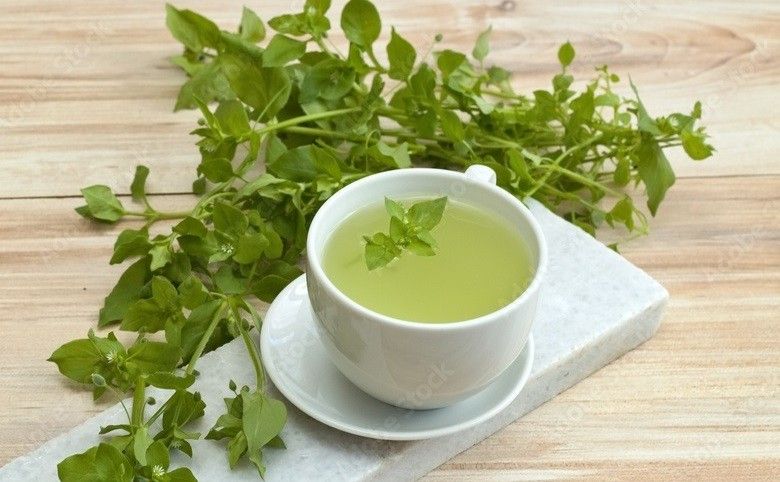
Herbal teas have been valued across cultures for centuries as gentle, plant-based ways to support wellness. Among lesser-known yet traditionally appreciated herbal infusions is chickweed tea — a mild, earthy beverage made from the chickweed plant. Though modest in reputation compared to chamomile or peppermint, chickweed has long been used in folk herbalism for soothing digestion, supporting skin health, and promoting overall vitality. This guide explores everything you need to know about chickweed tea — what it is, its proven health benefits, possible side effects, preparation methods, consumption tips, and safety considerations.
What is Chickweed Tea?
Chickweed tea is a herbal infusion prepared from the leaves, stems, and sometimes flowers of the chickweed plant, commonly known in botanical terms as Stellaria media. This small, delicate plant grows widely across temperate regions and has historically been used in traditional remedies in Europe and Asia.
The tea is typically made by steeping fresh or dried chickweed in hot water. It produces a light, grassy flavor that many describe as refreshing and mild. Traditionally, chickweed has been valued for its cooling, soothing, and nourishing qualities, and modern interest in herbal nutrition has brought renewed attention to its potential health-supportive compounds.
Chickweed contains plant-based nutrients, antioxidants, and bioactive compounds such as flavonoids and saponins that are believed to contribute to its wellness benefits. While research specifically on chickweed tea is still emerging, findings from nutritional and phytochemical studies help explain its traditional uses.
Nutritional Facts of Chickweed Tea
The exact nutrient content varies depending on whether the tea is made from fresh or dried plant material and the brewing strength. The table below provides approximate nutritional components associated with chickweed infusion.
| Nutrient / Compound | Presence in Chickweed Tea | Potential Role |
|---|---|---|
| Vitamin C | Moderate | Supports immune function and antioxidant protection |
| Vitamin A precursors | Trace to moderate | Supports vision and skin health |
| Calcium | Small amounts | Contributes to bone health |
| Magnesium | Small amounts | Supports muscle and nerve function |
| Potassium | Small amounts | Helps maintain fluid balance |
| Iron | Trace | Supports oxygen transport in blood |
| Flavonoids | Present | Antioxidant and anti-inflammatory activity |
| Saponins | Present | May support cholesterol balance and detox processes |
| Fiber compounds | Trace | Supports digestion |
| Chlorophyll | Present | Associated with cleansing and antioxidant support |
Note: Herbal tea infusions provide lower nutrient concentrations compared to consuming the whole plant, but bioactive compounds are still extracted.
20 Science-Backed Benefits of Chickweed Tea
1. Antioxidant Protection:
Chickweed tea contains flavonoids that help neutralize free radicals and may reduce oxidative stress in the body.
2. Supports Immune Health:
The presence of vitamin C and plant antioxidants contributes to immune system support and general resilience.
3. Promotes Healthy Digestion:
Traditional use and preliminary research suggest chickweed may soothe digestive discomfort and encourage gentle bowel regularity.
4. Anti-Inflammatory Support:
Bioactive compounds in chickweed show potential anti-inflammatory properties that may benefit overall wellness.
5. Skin Health Enhancement:
Antioxidant nutrients may help protect skin cells from damage and support clearer skin from within.
6. Weight Management Aid:
Saponins and fiber-related compounds may promote satiety and support healthy metabolism when combined with lifestyle measures.
7. Cholesterol Regulation Potential:
Some plant saponins are associated with helping maintain balanced cholesterol levels.
8. Mild Detoxification Support:
Chlorophyll and hydration effects may assist natural cleansing processes through liver and kidney pathways.
9. Fluid Balance Support:
Chickweed’s mild diuretic action may encourage elimination of excess fluids.
10. Joint Comfort Promotion:
Anti-inflammatory plant compounds may provide supportive effects for joint wellness.
11. Respiratory Comfort:
Traditional herbal use includes chickweed infusions for soothing minor throat or respiratory irritation.
12. Energy and Vitality Support:
Trace minerals and plant nutrients contribute to maintaining metabolic function and energy levels.
13. Blood Sugar Balance Assistance:
Emerging studies on plant extracts suggest possible supportive roles in maintaining glucose stability.
14. Cardiovascular Support:
Antioxidants and mineral content may contribute to overall heart health maintenance.
15. Menstrual Comfort Support:
Herbal traditions associate chickweed with easing mild menstrual discomfort through soothing properties.
16. Digestive Bloating Reduction:
The tea’s mild soothing nature may help reduce bloating or abdominal heaviness.
17. Liver Function Support:
Chlorophyll-containing herbs are often associated with supporting healthy liver detox processes.
18. Hydration Enhancement:
As a caffeine-free beverage, chickweed tea contributes to daily fluid intake.
19. Relaxation Promotion:
Warm herbal tea consumption can support relaxation and stress reduction routines.
20. General Nutritional Supplementation:
Regular consumption can provide small amounts of beneficial micronutrients that complement a balanced diet.
10 Side Effects of Chickweed Tea
1. Digestive Upset:
Consuming large quantities may lead to nausea or stomach discomfort in sensitive individuals.
2. Allergic Reactions:
Some people may experience itching, rash, or irritation if they are sensitive to the plant.
3. Interaction with Medications:
Herbal compounds may interfere with certain medications, particularly diuretics or blood thinners.
4. Overconsumption Risks:
Excessive intake may increase fluid loss due to mild diuretic effects.
5. Pregnancy Concerns:
Insufficient safety research means pregnant individuals should avoid use without medical guidance.
6. Breastfeeding Uncertainty:
Limited data on safety during breastfeeding warrants caution.
7. Blood Sugar Effects:
Potential glucose-lowering properties may affect those managing diabetes medications.
8. Skin Sensitivity:
Handling fresh chickweed may cause irritation in some individuals.
9. Mineral Imbalance:
Frequent excessive use could theoretically affect mineral balance due to diuretic action.
10. Contamination Risk:
Improper identification or harvesting from polluted areas may introduce toxins or pesticides.
How to Make Chickweed Tea?
Ingredients:
- 1–2 teaspoons dried chickweed or a small handful of fresh chickweed
- 1 cup hot water
Preparation Steps:
- Bring water to a gentle boil and allow it to cool slightly.
- Place chickweed in a cup or teapot.
- Pour hot water over the herb.
- Cover and steep for 5–10 minutes.
- Strain and serve warm.
Optional additions include lemon, honey, or blending with other mild herbs to enhance flavor.
Other Uses of Chickweed Tea
Beyond drinking, chickweed tea can serve additional purposes:
- Used as a cooled skin rinse for soothing irritation
- Applied as a compress for minor swelling or redness
- Added to bathwater for relaxation
- Used as a hair rinse for scalp freshness
- Included in herbal skincare preparations
These traditional uses are anecdotal and should not replace medical care.
How Much Chickweed Tea Can You Drink a Day?
For most healthy adults:
- 1–2 cups daily is generally considered reasonable
- Occasional consumption of up to 3 cups may be tolerated
- Continuous high intake is not recommended without professional advice
Start with small amounts to assess tolerance.
Tips for Consuming Chickweed Tea
- Use properly identified and clean plant material
- Choose organically sourced dried herbs when possible
- Avoid overly strong infusions initially
- Drink freshly brewed tea rather than storing for long periods
- Monitor your body’s response after consumption
- Combine with a balanced diet for best results
Best Time to Drink Chickweed Tea
- Morning: Supports hydration and gentle digestive activation
- Afternoon: Helps maintain energy without caffeine
- Evening: Offers relaxation when consumed warm
There is no strict timing requirement; it can be enjoyed whenever suits your routine.
Who Should Drink Chickweed Tea?
Chickweed tea may be suitable for:
- Individuals seeking caffeine-free hydration
- Those interested in traditional herbal wellness
- People looking to support digestion or skin health
- Herbal tea enthusiasts exploring new plant infusions
- Adults maintaining a balanced lifestyle
Who Should Not Drink Chickweed Tea?
Avoid or seek guidance before drinking if you are:
- Pregnant or breastfeeding
- Taking prescription medications
- Managing chronic medical conditions
- Allergic to similar plants
- Preparing herbal remedies for children
Consulting a healthcare professional is recommended when in doubt.
Precautions and Interactions
- Always correctly identify wild plants before harvesting.
- Wash fresh herbs thoroughly to remove contaminants.
- Introduce gradually to observe tolerance.
- Discontinue use if adverse reactions occur.
- Avoid combining with strong herbal supplements without guidance.
- Discuss use with a qualified professional if taking medications affecting blood pressure, blood sugar, or fluid balance.
Conclusion
Chickweed tea is a gentle, nutrient-containing herbal infusion rooted in traditional use and supported by emerging scientific understanding of plant compounds. Its potential benefits range from antioxidant support to digestive comfort and skin wellness. While generally mild, it should still be consumed responsibly, respecting individual sensitivities and health conditions.
As with all herbal beverages, chickweed tea works best as a complement to a balanced diet, healthy habits, and informed awareness rather than as a cure or treatment. With proper preparation and moderation, it can be a refreshing addition to your herbal tea collection.
FAQ’s
What does chickweed tea taste like?
Chickweed tea has a light, mild, grassy flavor that is generally considered refreshing and easy to drink, and it can be enhanced with lemon or honey if desired.
Can I drink chickweed tea every day?
Most healthy adults can drink 1–2 cups daily in moderation, but long-term or high intake should be discussed with a healthcare professional.
Is chickweed tea caffeine-free?
Yes, chickweed tea is naturally caffeine-free, making it suitable for consumption at any time of day.
How long does chickweed tea take to work?
Herbal teas typically offer gentle, gradual effects, and noticeable benefits depend on consistency of use and individual health factors rather than immediate results.
Can chickweed tea help with weight loss?
Chickweed tea may support weight management indirectly through hydration and satiety, but it should not be considered a standalone solution for weight loss.
Is chickweed tea safe during pregnancy?
Due to limited research on safety, pregnant individuals should avoid chickweed tea unless approved by a healthcare provider.
Can children drink chickweed tea?
Children should only consume herbal teas under guidance from a qualified professional, as dosage and safety considerations vary.
How should chickweed tea be stored?
Dried chickweed should be kept in an airtight container away from light, heat, and moisture to preserve freshness and potency.
Can I make chickweed tea from fresh plants?
Yes, fresh chickweed can be used after proper identification and thorough washing to ensure safety and cleanliness.
What is Chickweed Tea made from?
Chickweed tea is made from the leaves, stems, and sometimes flowers of the chickweed plant (Stellaria media), which are steeped in hot water either fresh or dried to create a mild herbal infusion.
What is Chickweed Tea good for?
Chickweed tea is traditionally used to support digestion, hydration, skin health, and general wellness due to its antioxidant compounds, trace nutrients, and soothing plant properties, although it should be viewed as a supportive beverage rather than a medical treatment.
Is chickweed tea good for your liver?
Chickweed tea contains chlorophyll and antioxidants that may support overall detox and liver function as part of a healthy lifestyle, but there is limited direct scientific evidence confirming specific liver benefits, so it should not replace medical care or treatment.
Also Read: