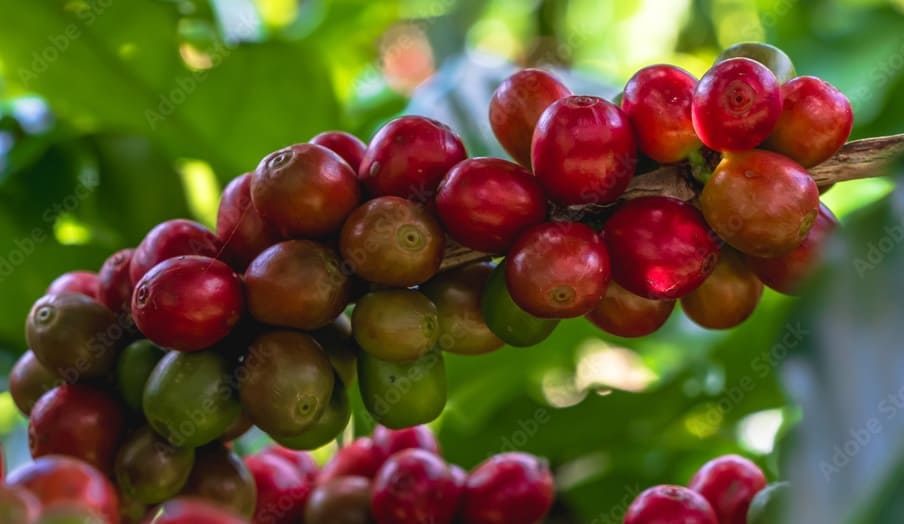
When you think of coffee, chances are you imagine roasted beans brewed into your morning cup. But what if I told you that the beans we roast are only part of the story? Hidden behind those beans lies a vibrant, berry-like fruit that is packed with antioxidants, nutrients, and health-promoting compounds. This fruit is often overlooked but is now gaining attention for its impressive benefits. Welcome to the world of coffee fruit. In this guide, we’ll explore what coffee fruit is, its nutritional profile, amazing health benefits, side effects, how to eat it, and much more. By the end, you’ll understand why this small, often-discarded fruit deserves a place in your diet.
What is Coffee Fruit?
Coffee fruit, also called coffee cherry or coffee berry, is the fleshy outer part of the coffee plant’s seed. Each coffee fruit contains two seeds, which we know as coffee beans. Before they’re roasted and ground into the coffee we drink, these beans rest inside a sweet, reddish fruit that resembles a small cherry.
The fruit itself has a mild, slightly sweet taste, sometimes compared to watermelon, hibiscus, or cranberry. Traditionally, it wasn’t consumed much because coffee producers were mostly interested in the beans inside. However, in recent years, researchers and nutrition enthusiasts have discovered that coffee fruit is a nutrient powerhouse, rich in polyphenols, antioxidants, and other bioactive compounds.
Coffee-growing regions in Ethiopia, Yemen, and Central America have historically made teas and drinks from dried coffee fruit, known as cascara. Today, coffee fruit extracts are also widely used in dietary supplements, skincare products, and functional beverages.
Nutrition Facts of Coffee Fruit
The nutritional value of coffee fruit can vary depending on whether it’s fresh, dried, or concentrated into an extract. Below is an approximate nutritional breakdown of 100 grams of raw coffee fruit:
| Nutrient | Amount (per 100 g) |
|---|---|
| Calories | 45–60 kcal |
| Carbohydrates | 12–15 g |
| Dietary Fiber | 3–5 g |
| Protein | 1–2 g |
| Fat | 0.5 g |
| Vitamin C | 8–12 mg |
| Vitamin A | Trace amounts |
| B Vitamins (B1, B2, B3) | Small amounts |
| Potassium | 250–300 mg |
| Magnesium | 20–25 mg |
| Iron | 0.3–0.5 mg |
| Polyphenols & Antioxidants | High |
| Caffeine | 5–15 mg (much less than coffee) |
What stands out here is the low caffeine content compared to brewed coffee. A cup of coffee can contain 80–120 mg of caffeine, while coffee fruit has only a fraction of that. Instead, it’s rich in antioxidants, especially chlorogenic acid and proanthocyanidins, which have been linked to improved brain health, reduced inflammation, and better heart health.
20 Proven Health Benefits of Coffee Fruit
Coffee fruit may be small, but its benefits are wide-ranging. Here are science-backed health benefits:
- Rich in Antioxidants – Coffee fruit contains powerful antioxidants that protect your body from free radical damage and oxidative stress.
- Supports Brain Health – Research suggests coffee fruit extract increases brain-derived neurotrophic factor (BDNF), a protein that supports memory, learning, and neuroplasticity.
- Improves Mood – By boosting BDNF and reducing oxidative stress, coffee fruit may enhance mood and reduce symptoms of depression.
- Protects Against Neurodegenerative Diseases – Its compounds may reduce the risk of Alzheimer’s and Parkinson’s by supporting brain cells.
- Boosts Energy Levels – While it’s lower in caffeine, coffee fruit still provides a gentle, sustained energy lift without jitters.
- Supports Heart Health – Polyphenols in coffee fruit may reduce inflammation, improve circulation, and lower the risk of heart disease.
- Enhances Immune Function – Vitamin C and antioxidants strengthen the immune system, helping your body fight infections.
- Anti-Inflammatory Effects – Its compounds can reduce chronic inflammation linked to arthritis and other diseases.
- Promotes Healthy Skin – Antioxidants protect skin from premature aging, while some skincare products use coffee fruit extract for rejuvenation.
- Supports Weight Management – Its fiber content and chlorogenic acids may help regulate blood sugar and promote satiety.
- Aids Digestion – The natural fiber supports gut health and smooth digestion.
- Improves Blood Sugar Levels – Coffee fruit polyphenols may improve insulin sensitivity, lowering diabetes risk.
- Strengthens Bones – Minerals like magnesium and potassium help maintain bone strength.
- Enhances Athletic Performance – Its combination of antioxidants and mild caffeine can support endurance and recovery.
- Protects the Liver – Antioxidants help reduce liver inflammation and oxidative stress.
- Improves Focus and Concentration – The gentle caffeine boost and BDNF support better mental clarity.
- Supports Healthy Cholesterol Levels – It may help lower LDL (“bad” cholesterol) and increase HDL (“good” cholesterol).
- Protects Eyesight – The antioxidants may lower the risk of age-related macular degeneration.
- Improves Circulation – Coffee fruit compounds promote healthy blood vessel function.
- Supports Longevity – Regular intake of antioxidant-rich foods like coffee fruit is linked to better overall health and a longer lifespan.
10 Side Effects of Coffee Fruit
While coffee fruit is generally safe, excessive consumption or individual sensitivities can lead to some issues. Here are possible side effects:
- Mild Stomach Upset – Too much fiber may cause bloating, gas, or discomfort.
- Caffeine Sensitivity – Though low in caffeine, those highly sensitive may still experience restlessness or trouble sleeping.
- Allergic Reactions – Rare, but some people may be allergic to coffee plant products.
- Drug Interactions – May interact with blood pressure medications, anticoagulants, or diabetes medications.
- Diarrhea – High intake of coffee fruit teas or extracts could lead to loose stools.
- Low Blood Pressure – In sensitive individuals, it may enhance the effects of blood pressure-lowering drugs.
- Pregnancy Risks – Limited research exists, so pregnant women should consult their doctor before consuming.
- Kidney Concerns – Excess potassium could be problematic for people with kidney disease.
- Overstimulation – Combining with coffee or other caffeinated products could increase jitteriness.
- Headaches – In rare cases, caffeine sensitivity may trigger headaches.
How to Eat Coffee Fruit?
Coffee fruit isn’t as widely available as coffee beans, but there are several ways to enjoy it:
- Fresh Fruit – In coffee-growing regions, people sometimes eat the fresh fruit straight from the tree.
- Dried Fruit (Cascara) – The dried skins are steeped into a tea-like beverage, which is fruity, mildly sweet, and refreshing.
- Juice or Puree – Some companies process coffee fruit into juices or concentrated purees.
- Powder or Extract – Available as a dietary supplement in capsules or powders, often added to smoothies.
- Energy Drinks & Functional Beverages – Some natural energy drinks use coffee fruit extract as a key ingredient.
Tips for Consuming Coffee Fruit
- Start with small amounts if you’re new to it.
- Choose organic, minimally processed coffee fruit products for maximum benefits.
- If drinking cascara tea, avoid adding too much sugar to keep it healthy.
- Pair it with foods rich in healthy fats (like nuts or yogurt) to boost antioxidant absorption.
- If taking supplements, follow the recommended dosage on the label.
Other Uses of Coffee Fruit
Coffee fruit isn’t just for eating or drinking. It has several other applications:
- Skincare Products – Extracts are used in anti-aging creams, serums, and lotions for their antioxidant properties.
- Animal Feed – In some regions, leftover coffee fruit pulp is dried and used as livestock feed.
- Compost & Fertilizer – The pulp can enrich soil when composted.
- Functional Supplements – Used in nootropic (brain-boosting) formulas due to its effect on BDNF.
How Much Coffee Fruit Can You Eat in a Day?
Moderation is key. For most people:
- Fresh fruit: 1–2 small servings per day (about 50–100 grams).
- Cascara tea: 1–2 cups daily.
- Supplements: Typically 100–400 mg of standardized coffee fruit extract.
Always follow product guidelines and consult a doctor if you’re on medications.
Best Time to Eat Coffee Fruit
- Morning or Afternoon – The mild caffeine and energy boost make it ideal earlier in the day.
- Before a Workout – It can provide a natural performance and endurance lift.
- With Meals – Consuming alongside meals improves nutrient absorption.
Avoid eating it late at night if you’re sensitive to caffeine.
Who Should Eat Coffee Fruit?
Coffee fruit can benefit many groups:
- People looking for antioxidant-rich foods.
- Students or professionals who want better focus and memory.
- Older adults interested in brain and heart health.
- Athletes needing endurance and recovery support.
- Anyone seeking a low-caffeine alternative to coffee.
Who Should Not Eat Coffee Fruit?
Certain groups should be cautious:
- Pregnant or breastfeeding women (lack of safety studies).
- Children (due to caffeine content).
- People with kidney disease (high potassium may be harmful).
- Those with caffeine sensitivity.
- People taking blood pressure, diabetes, or anticoagulant medications without medical advice.
Precautions and Interactions
- Always consult a doctor before taking coffee fruit supplements if you’re on medication.
- Avoid combining with multiple caffeinated products to reduce overstimulation.
- If you experience digestive upset, reduce intake or switch to a milder form like tea.
- Store dried coffee fruit or supplements in a cool, dry place to maintain potency.
Final Thoughts
Coffee fruit is more than just the wrapper around coffee beans—it’s a superfood in its own right. Packed with antioxidants, brain-boosting compounds, vitamins, and minerals, it offers benefits ranging from improved brain health to better skin and immunity. While it’s generally safe, moderation and awareness of potential interactions are essential.
As interest in natural, functional foods continues to grow, coffee fruit may well become the next big trend in wellness. So, the next time you sip your coffee, remember the fruit it came from—it just might be the key to a healthier you.
FAQ’s
Is coffee fruit the same as coffee beans?
No. Coffee beans are the seeds inside the fruit, while coffee fruit (or coffee cherry) is the fleshy outer part that surrounds the beans.
What does coffee fruit taste like?
Coffee fruit has a mild, fruity, and slightly sweet taste, often compared to watermelon, cranberry, or hibiscus.
Does coffee fruit have caffeine?
Yes, but much less than brewed coffee—typically only 5–15 mg per serving, compared to 80–120 mg in a cup of coffee.
Is coffee fruit healthy?
Yes. It’s packed with antioxidants, polyphenols, vitamins, and minerals that support brain health, heart health, and immunity.
Can you eat coffee fruit raw?
Yes, but it’s not commonly available outside coffee-growing regions. Most people consume it as dried cascara tea, juice, or extract.
Is coffee fruit good for the brain?
Yes. Research shows coffee fruit extract may increase brain-derived neurotrophic factor (BDNF), which supports memory, learning, and focus.
Can coffee fruit help with weight loss?
It may support weight management by improving satiety, regulating blood sugar, and providing antioxidants, though it’s not a magic solution.
Is coffee fruit safe during pregnancy?
There isn’t enough research on coffee fruit safety during pregnancy, so it’s best to avoid it unless approved by a doctor.
Where can I buy coffee fruit?
Coffee fruit is sold as cascara tea, juice, powder, or dietary supplements in health food stores, online retailers, and some specialty coffee shops.
Is cascara the same as coffee fruit?
Yes, cascara is the dried husk of coffee fruit, often brewed into tea.
Does coffee fruit cause weight gain?
No, it’s low in calories and may even help regulate blood sugar and appetite.
Is coffee fruit good for your skin?
Yes. Coffee fruit is rich in antioxidants, including polyphenols, which help fight free radicals, reduce inflammation, and protect the skin from premature aging. Some skincare products also use coffee fruit extract to improve skin texture and elasticity.
Does coffee fruit extract raise blood pressure?
Coffee fruit extract contains only a small amount of caffeine, so it typically does not raise blood pressure in most people. However, individuals sensitive to caffeine or those with high blood pressure should monitor their intake.
Can coffee fruit be juiced?
Yes, Fresh coffee fruit can be juiced or blended into smoothies. The juice is slightly sweet and fruity, offering a natural source of antioxidants and vitamins.
Is coffee fruit bitter?
No, coffee fruit is generally mild and slightly sweet, unlike coffee beans, which are bitter when roasted. Some extracts or dried forms may taste tart depending on processing.
Where do coffee cherries grow?
Coffee cherries grow on coffee plants, which thrive in tropical regions near the equator. Major coffee-producing countries include Ethiopia, Colombia, Brazil, Vietnam, and Central American nations.
How many seeds are in a coffee cherry?
Typically, each coffee cherry contains two seeds, which are the coffee beans. Rarely, a cherry may contain only one seed, called a “peaberry.”
Is coffee fruit safe to eat every day?
Yes, in moderate amounts. Consuming fresh fruit, cascara tea, or standardized extract in recommended doses is generally safe for daily use. Excessive intake could cause mild digestive upset.
Is coffee fruit safe for children?
Children should consume coffee fruit with caution, especially products containing caffeine or extracts. Small amounts of fresh fruit or cascara tea are usually safe, but consult a pediatrician first.
Also Read: