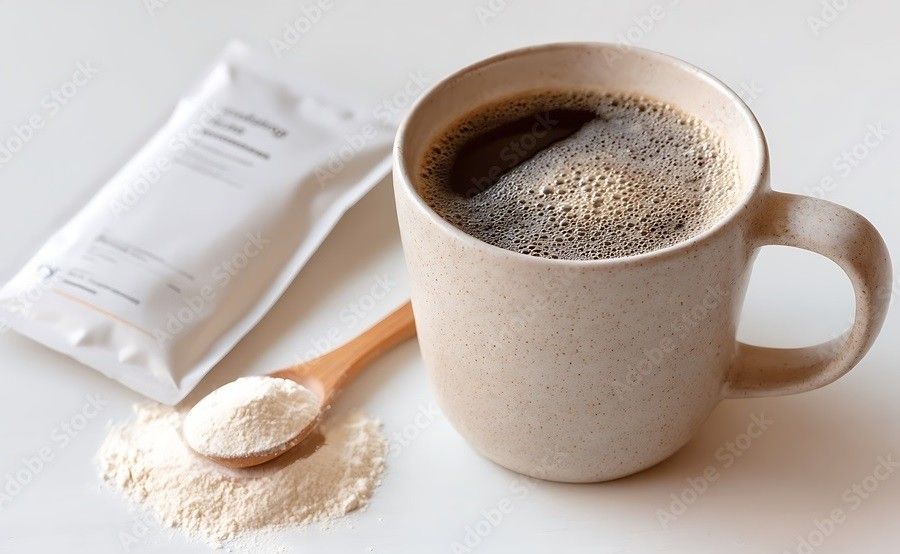
Collagen coffee has quickly moved from a niche wellness trend to a mainstream health beverage. Blending collagen peptides with coffee combines the energizing effects of caffeine with the structural benefits of collagen, making it especially popular among people focused on skin health, joint support, gut wellness, and healthy aging. But what exactly is collagen coffee, and is it truly as beneficial as wellness influencers claim?
This guide explores collagen coffee from a science-backed perspective. You will learn what collagen coffee is, its nutritional value, proven health benefits, possible side effects, how to make it, and who should or should not consume it.
What Is Collagen Coffee?
Collagen coffee is a beverage made by adding collagen peptides or collagen protein powder to brewed coffee. Collagen is the most abundant protein in the human body, responsible for maintaining the structure of skin, bones, joints, tendons, ligaments, hair, and nails.
The collagen used in coffee is typically hydrolyzed collagen, also known as collagen peptides. These are broken down into smaller amino acid chains, making them easy to dissolve in hot or cold liquids and more easily absorbed by the body.
Collagen coffee can be prepared at home or purchased as ready-made blends. It is often marketed as a functional drink that supports beauty, joint health, muscle recovery, and gut integrity while still delivering the familiar energy boost of coffee.
Nutritional Facts of Collagen Coffee
The nutritional value of collagen coffee depends on the type and amount of collagen used, the coffee itself, and any added ingredients such as milk, creamers, or sweeteners. Below is an approximate nutritional profile for one cup of black coffee with one scoop (10 g) of collagen peptides.
| Nutrient | Amount |
|---|---|
| Calories | 35–45 kcal |
| Protein | 9–10 g |
| Total Fat | 0–1 g |
| Carbohydrates | 0 g |
| Sugar | 0 g |
| Sodium | 30–50 mg |
| Calcium | 2–4% DV |
| Potassium | 2–3% DV |
| Glycine | 2–3 g |
| Proline | 1–2 g |
| Hydroxyproline | 1–2 g |
| Caffeine | 80–100 mg |
Collagen coffee is low in calories and carbohydrates, making it compatible with low-carb, keto, and intermittent fasting routines.
20 Science-Backed Benefits of Collagen Coffee
1. Supports Skin Elasticity and Hydration
Collagen peptides provide amino acids like glycine and proline, which are essential for skin structure. Studies show collagen supplementation may improve skin elasticity, hydration, and smoothness while reducing the appearance of wrinkles over time.
2. Promotes Healthy Hair Growth
Collagen contains amino acids that contribute to keratin production, the main protein in hair. Regular intake may help strengthen hair strands, reduce breakage, and support healthier hair growth.
3. Strengthens Nails
Clinical studies suggest collagen supplementation can reduce nail brittleness and improve nail growth rate, especially in individuals with weak or splitting nails.
4. Supports Joint Health
Collagen helps maintain cartilage integrity. Regular consumption may reduce joint pain and stiffness, particularly in people with osteoarthritis or age-related joint wear.
5. Enhances Bone Strength
Collagen makes up a large portion of bone matrix. Supplementation may help improve bone mineral density and reduce fracture risk when combined with adequate calcium and vitamin D.
6. Aids Muscle Recovery
Collagen provides amino acids needed for muscle repair. When combined with exercise, it may support lean muscle mass and reduce recovery time after workouts.
7. Improves Gut Health
Collagen supports the integrity of the gut lining. Glycine may help reduce gut inflammation and support digestion, particularly in individuals with leaky gut or IBS-like symptoms.
8. Supports Heart Health
Collagen contributes to arterial structure. Some research suggests it may help maintain arterial elasticity and support healthy blood pressure levels.
9. Helps Manage Blood Sugar Levels
Collagen contains no sugar and does not spike blood glucose. When added to coffee, it may help reduce appetite swings and improve glycemic control when paired with a balanced diet.
10. Promotes Satiety and Appetite Control
High protein content increases feelings of fullness, which may help reduce unnecessary snacking and support weight management goals.
11. Supports Healthy Aging
Collagen production naturally declines with age. Supplementing collagen may help counteract age-related changes in skin, joints, and connective tissues.
12. Enhances Sleep Quality
Glycine, abundant in collagen, has been linked to improved sleep quality by helping regulate body temperature and calm the nervous system.
13. Boosts Metabolism
Protein has a higher thermic effect than carbohydrates or fats. Collagen coffee may slightly increase metabolic rate and energy expenditure.
14. Supports Liver Health
Glycine supports detoxification pathways in the liver and may help protect against oxidative stress.
15. Improves Exercise Performance
Collagen supports connective tissues, which may reduce injury risk and improve overall mobility during workouts.
16. May Reduce Cellulite Appearance
Some studies suggest collagen supplementation can improve skin structure and reduce visible cellulite by strengthening connective tissue.
17. Supports Immune Function
Certain amino acids in collagen help maintain immune cell function and gut-associated lymphoid tissue.
18. Promotes Healthy Teeth and Gums
Collagen supports gum tissue strength and may contribute to overall oral health.
19. Enhances Coffee Tolerance
Collagen may reduce coffee-related acidity for some individuals, making coffee gentler on the stomach.
20. Convenient Daily Protein Source
Collagen coffee offers an easy way to increase daily protein intake without changing meal structure.
10 Side Effects of Collagen Coffee
1. Digestive Discomfort
Some people may experience bloating, gas, or a feeling of fullness when first introducing collagen.
2. Allergic Reactions
Collagen sourced from fish, shellfish, or eggs may trigger allergies in sensitive individuals.
3. Kidney Strain in Excess
Very high protein intake may place strain on kidneys, especially in people with pre-existing kidney conditions.
4. Bad Taste or Texture Issues
Low-quality collagen may clump or create an unpleasant aftertaste.
5. Increased Calcium Levels
Marine collagen may contain calcium, which could contribute to hypercalcemia if consumed excessively.
6. Acne Flare-Ups
Some users report acne breakouts, possibly due to increased amino acid intake or hormonal responses.
7. Caffeine Sensitivity
Collagen does not reduce caffeine effects. Anxiety, jitters, or insomnia may still occur.
8. Interactions With Medications
Collagen supplements may interact with calcium supplements or certain medications.
9. Weight Gain if Overused
Although low-calorie, excessive use with sweeteners or creamers may contribute to calorie surplus.
10. Heavy Metal Contamination
Poor-quality collagen products may contain trace heavy metals if not properly tested.
How to Make Collagen Coffee?
Ingredients
- 1 cup freshly brewed coffee
- 1 scoop (10 g) collagen peptides
- Optional: milk, plant milk, cinnamon, vanilla, or natural sweetener
Instructions
- Brew coffee as usual.
- Add collagen powder to hot coffee.
- Stir thoroughly or blend for smooth consistency.
- Add optional ingredients if desired.
Collagen peptides dissolve best in hot liquids and do not alter coffee flavor significantly.
Other Uses of Collagen Coffee
- As a pre-workout drink
- As a breakfast replacement with healthy fats
- In iced coffee or cold brew
- Mixed with protein shakes or smoothies
- Used as a base for bulletproof-style coffee
How Much Collagen Coffee Can You Drink a Day?
Most studies suggest 10–20 grams of collagen per day is safe and effective. This equals one to two cups of collagen coffee daily, depending on dosage per scoop. Exceeding this amount does not necessarily increase benefits and may increase side effect risk.
Tips for Consuming Collagen Coffee
- Choose hydrolyzed collagen peptides
- Look for third-party tested products
- Combine with vitamin C for better collagen synthesis
- Avoid excessive sweeteners
- Stay hydrated throughout the day
Best Time to Drink Collagen Coffee
- Morning: Supports energy, skin, and metabolism
- Pre-workout: Helps joints and muscle support
- Mid-morning: Controls appetite and focus
Avoid drinking late in the evening due to caffeine content.
Who Should Drink Collagen Coffee?
- Adults concerned about skin aging
- Athletes and active individuals
- People with joint or bone concerns
- Those on low-carb or keto diets
- Individuals seeking convenient protein intake
Who Should Not Drink Collagen Coffee?
- People with collagen source allergies
- Individuals with kidney disease
- Pregnant or breastfeeding women without medical advice
- People with severe caffeine sensitivity
- Those on protein-restricted diets
Precautions and Interactions
- Consult a healthcare provider if you have chronic conditions
- Avoid combining with excessive calcium supplements
- Monitor caffeine intake from other sources
- Use reputable brands to avoid contaminants
- Start with small doses to assess tolerance
Final Thoughts
Collagen coffee is more than a passing trend. When consumed responsibly, it offers a practical way to support skin, joints, muscles, and overall wellness while enjoying your daily coffee ritual. Like any supplement, quality, moderation, and individual health needs matter.
FAQ’s
Does collagen coffee really work?
Yes, research suggests collagen supplementation may improve skin elasticity, joint comfort, nail strength, and gut health when consumed consistently and paired with a balanced diet and healthy lifestyle.
Can collagen coffee help with weight loss?
Collagen coffee may support weight management by increasing satiety, reducing cravings, and stabilizing blood sugar levels. However, it is not a weight-loss solution on its own.
Is collagen coffee safe to drink every day?
For most healthy adults, drinking collagen coffee daily is considered safe when intake is limited to 10–20 grams of collagen per day and caffeine consumption stays within recommended limits.
What does collagen coffee taste like?
Unflavored collagen peptides are tasteless and dissolve easily in coffee, without changing the flavor or aroma. Flavored collagen powders may slightly alter the taste.
Does collagen coffee break a fast?
Strict fasting rules consider collagen coffee a fast-breaker because it contains protein and calories. However, many people practicing intermittent fasting still consume it during fasting windows for its functional benefits.
Can collagen coffee improve skin and hair?
Yes, collagen provides amino acids necessary for skin structure and hair protein formation. Regular use may improve skin hydration, elasticity, and hair strength over time.
Is collagen coffee good for joints?
Collagen coffee may help support joint cartilage and reduce stiffness, especially in individuals with age-related joint discomfort or active lifestyles.
Can I drink collagen coffee on a keto or low-carb diet?
Yes, collagen coffee is low in carbohydrates and sugar, making it suitable for keto and low-carb diets when prepared without sweeteners or high-carb additives.
What is the best collagen to use in coffee?
Hydrolyzed collagen peptides are the best option because they dissolve easily in hot coffee and are easier for the body to absorb.
How long does it take to see results from collagen coffee?
Visible improvements in skin, nails, or joint comfort typically appear after 4–8 weeks of consistent daily use.
Can I add collagen to iced coffee?
Yes, collagen peptides can be added to iced coffee or cold brew, though blending may help improve dissolution in cold liquids.
Is collagen coffee better than protein coffee?
Collagen coffee supports skin, joints, and connective tissues, while protein coffee is better for muscle building. Each serves a different nutritional purpose.
Also Read: