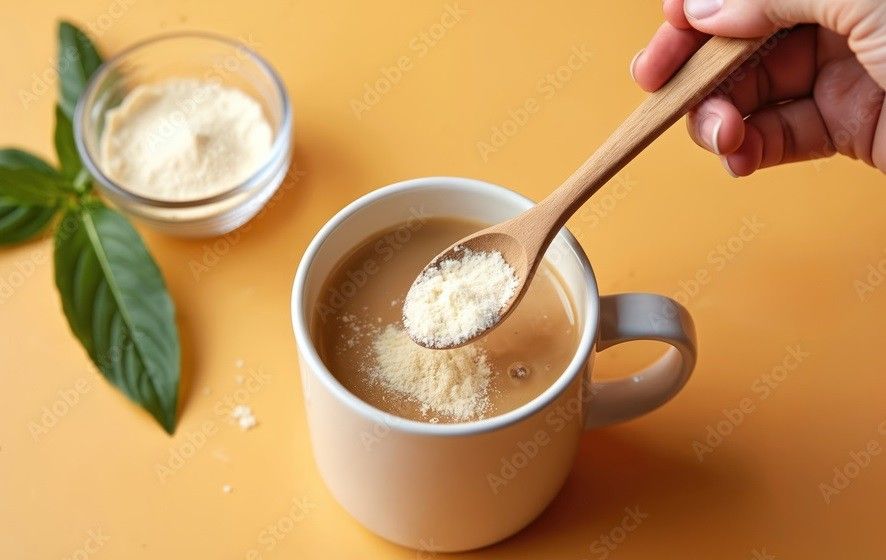
Collagen tea has rapidly gained popularity among health enthusiasts, beauty experts, and wellness communities. Marketed as a skin-glowing, joint-supporting, and gut-healing drink, collagen tea combines traditional tea with collagen peptides to create a functional beverage aimed at improving overall health from the inside out.
But what exactly is collagen tea? Is it truly effective, or just another wellness trend? This guide explores everything you need to know about collagen tea—from its nutritional profile and science-backed benefits to side effects, preparation methods, dosage, and safety precautions.
What Is Collagen Tea?
Collagen tea is a beverage made by combining collagen peptides or collagen powder with tea, usually herbal tea, green tea, black tea, or white tea. Collagen itself is a structural protein found naturally in the human body, accounting for nearly 30% of total body protein. It plays a crucial role in maintaining the health of skin, bones, joints, muscles, hair, nails, and connective tissues.
Unlike regular tea, collagen tea is not derived from tea leaves alone. It is fortified with hydrolyzed collagen, which is collagen broken down into smaller amino acid chains for easier digestion and absorption.
Common Sources of Collagen Used in Tea
- Bovine collagen (from cows)
- Marine collagen (from fish skin or scales)
- Chicken collagen
- Plant-based collagen boosters (contain amino acids, not true collagen)
Collagen tea is typically flavorless or mildly flavored, making it easy to incorporate into daily routines without altering taste significantly.
Nutritional Facts of Collagen Tea (Per 1 Cup – Approximate)
| Nutrient | Amount |
|---|---|
| Calories | 35–50 kcal |
| Protein | 8–10 g |
| Collagen Peptides | 8–10 g |
| Glycine | 2–3 g |
| Proline | 1–2 g |
| Hydroxyproline | 1–1.5 g |
| Fat | 0 g |
| Carbohydrates | 0–1 g |
| Sugar | 0 g |
| Sodium | 30–50 mg |
| Calcium | 10–20 mg |
| Magnesium | 5–10 mg |
| Caffeine (if tea-based) | 0–40 mg |
Note: Nutritional values vary depending on collagen source, brand, and tea type.
20 Science-Backed Benefits of Collagen Tea
1. Improves Skin Elasticity and Firmness
Collagen is essential for maintaining skin structure. Studies show that collagen supplementation can improve skin elasticity, reduce dryness, and slow visible signs of aging.
2. Reduces Wrinkles and Fine Lines
Hydrolyzed collagen provides amino acids needed for dermal repair, helping minimize wrinkles over time when consumed consistently.
3. Supports Joint Health
Collagen helps maintain cartilage integrity. Regular intake may reduce joint pain, stiffness, and discomfort, especially in aging individuals or athletes.
4. Promotes Bone Strength
Collagen forms the framework of bones. Supplementation may help improve bone mineral density and reduce fracture risk.
5. Enhances Hair Growth and Thickness
Collagen provides proline and glycine, which support keratin production, improving hair strength and growth.
6. Strengthens Nails
People who consume collagen regularly often report stronger, less brittle nails with reduced breakage.
7. Aids Gut Health
Collagen supports the gut lining and may help reduce intestinal inflammation and symptoms of leaky gut syndrome.
8. Supports Muscle Mass
Collagen contains amino acids that aid muscle repair and maintenance, particularly beneficial for older adults.
9. Improves Wound Healing
Collagen plays a role in tissue repair and regeneration, speeding up healing processes.
10. Supports Heart Health
Some studies suggest collagen may support arterial health by maintaining elasticity of blood vessels.
11. Enhances Hydration of Skin
Collagen improves moisture retention, leading to healthier, more hydrated skin.
12. May Reduce Joint Inflammation
Its amino acid profile may help modulate inflammation, benefiting individuals with arthritis.
13. Supports Weight Management
High protein content increases satiety, helping control appetite and reduce cravings.
14. Improves Sleep Quality
Glycine found in collagen may promote deeper, more restful sleep.
15. Boosts Metabolism
Protein intake increases thermogenesis, supporting metabolic health.
16. Supports Liver Health
Collagen amino acids assist in detoxification and liver repair processes.
17. Enhances Athletic Recovery
Collagen aids muscle and joint recovery post-exercise.
18. May Improve Brain Function
Glycine supports neurotransmitter balance, potentially improving focus and memory.
19. Supports Immune Function
Amino acids in collagen contribute to immune cell production.
20. Convenient Nutrient Absorption
Collagen tea provides an easy, digestible way to consume protein daily.
10 Side Effects of Collagen Tea
Although collagen tea is generally safe, excessive or improper use may cause side effects.
1. Digestive Discomfort
Some people experience bloating, gas, or fullness, especially when starting.
2. Allergic Reactions
Marine collagen may trigger allergies in people sensitive to fish or shellfish.
3. Kidney Strain
High protein intake may stress kidneys in individuals with kidney disease.
4. Calcium Imbalance
Marine collagen can slightly increase calcium levels if consumed excessively.
5. Unpleasant Aftertaste
Some users report a lingering taste depending on collagen quality.
6. Acne Breakouts
Rarely, collagen may trigger breakouts due to increased protein intake.
7. Increased Appetite
Protein may stimulate hunger in some individuals.
8. Headaches
Usually linked to dehydration or mineral imbalance.
9. Medication Interactions
Collagen supplements may interact with calcium-affecting drugs.
10. Weight Gain (Rare)
Excessive intake without calorie control may contribute to weight gain.
How to Make Collagen Tea?
Basic Collagen Tea Recipe
Ingredients:
- 1 cup hot water
- 1 tea bag (green, herbal, black, or white)
- 1 scoop collagen peptides (8–10 g)
Instructions:
- Brew tea as usual.
- Let it cool slightly (avoid boiling temperatures).
- Stir in collagen powder until fully dissolved.
- Drink warm or let cool.
Optional Add-Ins
- Lemon juice (vitamin C enhances collagen synthesis)
- Ginger or turmeric
- Honey or stevia
Other Uses of Collagen Tea
- Post-workout recovery drink
- Beauty supplement for skin and hair
- Morning protein beverage
- Bone broth alternative
- Anti-aging wellness drink
- Digestive health support
- Sleep-time relaxation tea (caffeine-free versions)
How Much Collagen Tea Can You Drink a Day?
Most experts recommend 8–15 grams of collagen per day, which equals 1–2 cups of collagen tea daily.
- Beginners: 5–8 g/day
- Maintenance: 8–10 g/day
- Therapeutic use: Up to 15 g/day
Avoid exceeding 20 g daily unless advised by a healthcare professional.
Tips for Consuming Collagen Tea
- Choose high-quality hydrolyzed collagen
- Combine with vitamin C for better absorption
- Stay hydrated
- Avoid boiling temperatures
- Be consistent for at least 8–12 weeks
- Rotate collagen sources if sensitive
- Use caffeine-free tea if sensitive to stimulants
Best Time to Drink Collagen Tea
- Morning: Boosts skin and metabolism
- Post-Workout: Aids muscle recovery
- Evening: Promotes relaxation and repair (caffeine-free)
There is no strict timing; consistency matters more than timing.
Who Should Drink Collagen Tea?
- Aging adults
- People with joint pain
- Athletes and fitness enthusiasts
- Individuals with brittle hair or nails
- Those seeking skin health support
- People with digestive issues
- Individuals on high-protein diets
Who Should Not Drink Collagen Tea?
- People with severe kidney disease
- Those allergic to collagen sources
- Individuals with high calcium levels
- Pregnant or breastfeeding women (unless approved by a doctor)
- People on protein-restricted diets
Precautions and Interactions
- Consult a healthcare provider if you have chronic conditions
- Avoid mixing with high-calcium supplements excessively
- Check labels for additives and allergens
- Monitor protein intake from all sources
- Stop use if adverse reactions occur
Final Thoughts
Collagen tea is more than a wellness trend—it is a practical and science-supported way to improve skin health, joint function, gut integrity, and overall vitality. When consumed responsibly and consistently, it can be a valuable addition to a balanced lifestyle. As with any supplement, quality, moderation, and individual health conditions matter. Choose wisely, listen to your body, and enjoy the benefits of tea as part of a holistic wellness routine.
FAQ’s
What does collagen tea do for your body?
Tea supplies collagen peptides that support skin elasticity, joint health, bone strength, gut lining, and muscle recovery. Regular intake may help slow signs of aging and improve overall connective tissue health.
Is it safe to drink collagen tea every day?
Yes, tea is generally safe for daily consumption when taken in recommended amounts, usually 8–15 grams of collagen per day. People with medical conditions should consult a healthcare professional.
How long does it take to see results from collagen tea?
Visible benefits such as improved skin texture or reduced joint discomfort usually appear after 4–8 weeks of consistent use, while hair and nail improvements may take up to 12 weeks.
Does collagen tea help with weight loss?
Tea may support weight management by increasing protein intake, improving satiety, and helping preserve lean muscle mass, but it should not be considered a standalone weight-loss solution.
Can collagen tea improve skin and hair?
Yes, tea provides amino acids needed for collagen and keratin production, which can improve skin firmness, hydration, hair strength, and nail durability over time.
Is collagen tea better than collagen powder?
Tea is essentially collagen powder mixed with tea. Its benefit lies in convenience and routine rather than superior effectiveness. Both forms offer similar nutritional value.
Can collagen tea be taken on an empty stomach?
Yes, tea can be consumed on an empty stomach. Some people find it easier to digest in the morning, while others prefer it after meals to avoid mild stomach discomfort.
Does collagen tea have caffeine?
Caffeine content depends on the tea used. Green, black, and white teas contain caffeine, while herbal teas are caffeine-free. Collagen itself does not contain caffeine.
Can vegetarians or vegans drink collagen tea?
Traditional collagen comes from animal sources, making it unsuitable for vegetarians and vegans. However, plant-based collagen boosters can be used as alternatives, though they do not contain true collagen.
Is collagen tea safe during pregnancy?
Pregnant or breastfeeding women should consult a healthcare provider before consuming tea, as individual nutritional needs vary.
Should collagen tea be taken with vitamin C?
Yes, vitamin C supports natural collagen synthesis in the body. Adding lemon or consuming vitamin C-rich foods alongside collagen tea may enhance its effectiveness.
Can collagen tea help joint pain?
Studies suggest collagen peptides may reduce joint pain and stiffness by supporting cartilage health, especially in older adults or physically active individuals.
Will collagen tea increase calcium levels?
Marine collagen may slightly increase calcium intake. People with high calcium levels should monitor intake and consult a doctor if concerned.
Is collagen tea good for digestion?
Tea may support gut health by strengthening the intestinal lining and aiding digestion, particularly for people with sensitive stomachs or gut inflammation.
What is collagen tea made from?
Tea is made by mixing hydrolyzed collagen peptides with brewed tea. The collagen usually comes from animal sources such as bovine (cow), marine (fish), or chicken collagen. The tea base may be green tea, black tea, white tea, or herbal tea. Collagen itself is flavorless and dissolves easily in hot or warm liquids.
Is collagen tea safe for older adults?
Yes, tea is generally safe for older adults and may be especially beneficial for joint health, bone strength, muscle maintenance, and skin elasticity. Older adults should stay within recommended doses and consult a healthcare provider if they have kidney disease or are on multiple medications.
Is collagen tea safe for children?
Tea is not usually recommended for children unless advised by a healthcare professional. Children typically get sufficient collagen-forming nutrients from a balanced diet without supplementation.
What is collagen tea good for?
Tea is commonly used to support skin elasticity, wrinkle reduction, joint and bone health, hair and nail strength, gut health, muscle recovery, and overall protein intake. It is also popular for anti-aging and wellness support.
What does collagen tea taste like?
Tea is usually neutral or mildly flavored. High-quality collagen peptides are tasteless and do not change the flavor of tea. The taste mainly depends on the type of tea used and any added ingredients like lemon or honey.
Also Read: