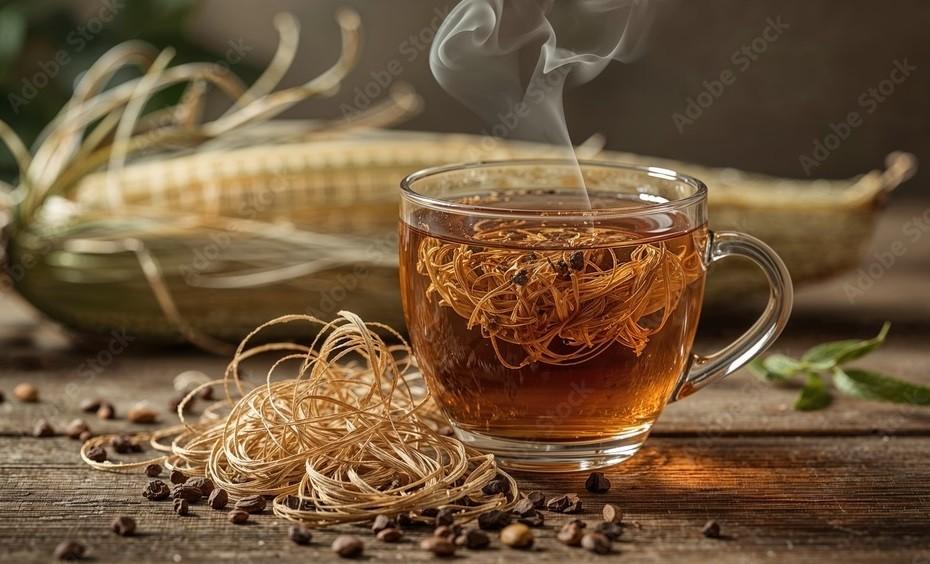
Corn silk tea is one of those traditional, plant-based remedies that has been quietly used for centuries but is only now starting to receive the attention it deserves. Those fine, thread-like strands you see when you peel back a corn husk turn out to be far more powerful than most people imagine. Known as corn silk, these silky fibers are loaded with bioactive compounds that offer impressive health benefits when brewed as a tea.
From supporting kidney function and reducing inflammation to promoting better digestion and regulating blood sugar, corn silk tea is valued in folk medicine systems across China, the Americas, and parts of Europe. Today, it’s becoming popular among people who prefer natural wellness solutions.
In this guide, you’ll discover everything you need to know about corn silk tea — from what it is and its nutrition to its proven health benefits, side effects, how to prepare it, and the best way to use it safely.
What is Corn Silk Tea?
Corn silk tea is an herbal tea made from the long, shiny, thread-like fibers that grow beneath the husk of an ear of corn. These fibers, scientifically known as Zea mays stigma, are usually discarded during cooking, but they are actually one of the most medicinal parts of the corn plant.
These silky strands play an important role in the corn plant’s reproduction, but in human wellness, they are known for their:
- Diuretic properties (help remove excess fluid)
- Anti-inflammatory compounds
- Antioxidant content
- Natural soothing effects on the urinary system
Corn silk can be used fresh or dried. When steeped in hot water, it creates a mild, earthy, slightly sweet tea that is gentle on the body yet powerful in its effects.
For centuries, corn silk tea has been traditionally used to treat:
- Urinary tract problems
- Kidney inflammation
- Bladder irritation
- Water retention
- High blood pressure
- Digestive discomfort
Today, modern research is beginning to support many of these traditional uses.
Nutritional Facts of Corn Silk Tea
Although corn silk tea isn’t a calorie-dense beverage, it contains several active plant compounds that contribute to its health effects.
| Nutrient / Compound | Estimated Presence in Corn Silk Tea |
|---|---|
| Calories | Very low (1–5 kcal per cup) |
| Carbohydrates | Trace amount |
| Fiber | Minimal |
| Flavonoids | High |
| Alkaloids | Present |
| Saponins | Present |
| Tannins | Present |
| Potassium | Moderate |
| Calcium | Small |
| Magnesium | Small |
| Vitamin C | Trace |
| Vitamin K | Trace |
| Antioxidants | High |
| Anti-inflammatory compounds | High |
| Diuretic compounds | High |
Corn silk tea is caffeine-free, making it suitable for people who want a natural drink without stimulation.
20 Science-Backed Benefits of Corn Silk Tea
1. Supports Kidney Health
Corn silk tea is widely known for its ability to support kidney function. Its diuretic properties help increase urine flow, flushing out toxins and reducing the risk of kidney problems.
2. Reduces Water Retention
By promoting urination, the tea helps eliminate excess water from the body, making it useful for bloating and swelling.
3. Helps Treat Urinary Tract Infections (UTIs)
Its anti-inflammatory and antibacterial properties soothe irritation in the urinary tract and may help prevent the growth of harmful bacteria.
4. Lowers Blood Pressure
Because it helps remove excess sodium and fluid from the body, regular use may contribute to lower blood pressure levels.
5. Supports Liver Function
The antioxidants in corn silk help detoxify the liver and reduce oxidative stress, supporting overall liver health.
6. Helps Regulate Blood Sugar
Studies suggest corn silk may help reduce blood sugar levels and improve insulin sensitivity.
7. Soothes Bladder Irritation
This tea creates a protective coating effect on the bladder lining, helping relieve bladder discomfort.
8. Fights Inflammation
Corn silk contains flavonoids and polyphenols that suppress inflammatory activity in the body.
9. Aids Digestion
It helps calm the digestive system, reduce acidity, and support healthy gut function.
10. Strengthens Immune System
Its antioxidant and antimicrobial properties support a stronger immune response.
11. Helps with Prostate Health
Corn silk tea may relieve urinary difficulties linked to an enlarged prostate.
12. Helps Remove Toxins
It supports detoxification by encouraging toxin elimination through urine.
13. Reduces Edema
Ideal for those suffering from fluid accumulation in the legs, ankles, or hands.
14. Supports Weight Loss
By flushing out excess water and supporting metabolic processes, it may help with healthy weight management.
15. Improves Skin Health
Better detoxification often results in clearer, healthier-looking skin.
16. Prevents Kidney Stones
Increased urine flow reduces mineral build-up that can form stones.
17. Protects Against Free Radical Damage
Antioxidants neutralize harmful free radicals in the body.
18. Relieves Menstrual Discomfort
Its mild anti-inflammatory effects can help reduce cramping and bloating.
19. Supports Heart Health
By reducing blood pressure and improving circulation, this tea supports cardiovascular health.
20. Promotes Overall Wellness
Regular consumption strengthens the body’s natural detox and healing processes.
10 Side Effects of Corn Silk Tea
While generally safe, corn silk tea can cause side effects in some individuals:
1. Allergic Reactions
People allergic to corn may experience itching, rashes, or swelling.
2. Low Blood Pressure
Excessive intake may drop blood pressure too much, causing dizziness.
3. Electrolyte Imbalance
Its diuretic nature may reduce potassium or sodium levels.
4. Dehydration
Overuse may cause dehydration if not balanced with enough water.
5. Blood Sugar Drop
Can interfere with diabetes medication, sometimes lowering sugar too much.
6. Pregnancy Concerns
May stimulate uterine activity in high amounts.
7. Drug Interactions
May interact with diuretics or blood pressure medications.
8. Kidney Overstimulation
Too much may put stress on already weak kidneys.
9. Stomach Upset
Some people may experience mild nausea or diarrhea initially.
10. Hormonal Sensitivity
May slightly affect hormone levels in rare cases.
Moderation is key for safe use.
How to Make Corn Silk Tea?
You can prepare corn silk tea using either fresh or dried corn silk.
Ingredients:
- 1–2 tablespoons fresh or dried corn silk
- 2 cups water
- Optional: honey, lemon, or cinnamon
Method:
- Rinse corn silk thoroughly to remove dirt
- Bring water to a boil
- Add corn silk to boiling water
- Reduce heat and simmer for 10–15 minutes
- Strain the tea
- Add honey or lemon if desired
- Drink warm
Fresh silk gives a slightly sweeter flavor, while dried silk is stronger and more concentrated.
Other Uses of Corn Silk Tea
Corn silk tea isn’t just for drinking. It can also be used for:
- Skin rinses for irritation
- Eye compress (cooled tea)
- Hair rinses to soothe the scalp
- Natural diuretic treatment
- Herbal compress for swollen joints
- Added to bathwater for relaxation
- Used as a mild herbal tonic
It has beauty, medicinal, and wellness-related applications.
How Much Corn Silk Tea Can You Drink a Day?
Safe daily intake depends on your body type and health condition:
| Person Type | Recommended Amount |
|---|---|
| Healthy adults | 1–3 cups per day |
| Detox or kidney support | Up to 2 cups |
| Beginners | 1 cup per day |
| Diabetics (after consultation) | 1–2 cups |
| Pregnant or breastfeeding women | Avoid unless approved by doctor |
Do not exceed 3 cups daily for extended periods without medical advice.
Tips for Consuming Corn Silk Tea
- Use organic corn silk whenever possible
- Always wash fresh silk before use
- Combine with lemon for detox benefits
- Drink warm for maximum absorption
- Avoid adding too much sugar
- Use glass or ceramic teapots for purity
- Stay hydrated throughout the day
- Start with small amounts
- Listen to your body’s reaction
- Take breaks after long-term use
Best Time to Drink Corn Silk Tea
The timing of consumption improves its effectiveness:
Morning
Best for detox and reducing water retention.
Afternoon
Helps digestion and improves energy balance
Evening
Can be taken but best to limit due to increased urination
Best time: 30–60 minutes after meals.
Avoid just before bedtime.
Who Should Drink Corn Silk Tea?
Corn silk tea is beneficial for:
- People with urinary problems
- Those with mild fluid retention
- People suffering from high blood pressure
- Diabetics (under supervision)
- People needing detox support
- Anyone seeking herbal remedies
- Those with kidney weakness (mild)
- People with digestive discomfort
It is especially helpful for people who retain water or frequently feel bloated.
Who Should Not Drink Corn Silk Tea?
Avoid or consult a doctor if you:
- Are allergic to corn
- Have extremely low blood pressure
- Are pregnant or breastfeeding
- Have severe kidney disease
- Are on strong diuretic medication
- Are scheduled for surgery
- Have unstable blood sugar levels
- Are on blood pressure medications
Children should only consume it with medical approval.
Precautions and Interactions
Corn silk tea is natural, but it can still interact with certain conditions or medications.
Be careful if you are taking:
- Diuretics
- Blood pressure medicines
- Blood sugar medication
- Hormonal therapies
- Kidney treatments
Precautions:
- Do not use as a substitute for medical treatment
- Do not combine with other strong diuretics
- Take breaks if using long-term
- Watch for unusual symptoms
- Consult your doctor if you have a chronic illness
Final Thoughts
Corn silk tea is a wonderful example of how nature often gives us healing tools that we overlook. Those silky strands tucked behind corn husks are filled with potent compounds that can support kidney health, improve digestion, fight inflammation, regulate blood sugar, and promote better overall wellness.
When used responsibly and in moderation, this traditional herbal tea can be a gentle yet effective addition to your daily routine. Whether you’re looking for a natural detox, relief from bloating, urinary support, or just a soothing caffeine-free drink, corn silk tea deserves a place in your wellness cupboard.
FAQ’s
Is corn silk tea good for the kidneys?
Yes, corn silk tea is traditionally used to support kidney health. Its natural diuretic properties help increase urine flow and flush out toxins, which may reduce the risk of kidney infections and stone formation.
Can I drink corn silk tea every day?
Most healthy adults can drink 1–2 cups of corn silk tea daily. Regular long-term use should be done in moderation, and it’s best to take occasional breaks to avoid electrolyte imbalance.
Does corn silk tea help with UTIs?
Corn silk tea may help soothe the urinary tract and reduce inflammation caused by UTIs. However, it should not replace antibiotics or medical treatment in severe cases.
Is corn silk tea safe for people with high blood pressure?
Yes, it may help lower blood pressure naturally by reducing fluid retention. However, people on blood pressure medication should consult a doctor before daily use.
Can pregnant women drink corn silk tea?
It is not recommended during pregnancy without medical supervision, as it may affect hormonal balance or stimulate uterine activity.
Does corn silk tea help with weight loss?
It may support weight loss indirectly by reducing water retention and aiding detoxification, but it is not a magic weight-loss solution.
What does corn silk tea taste like?
Corn silk tea has a mild, earthy, slightly sweet flavor, making it easy and pleasant to drink.
Can children drink corn silk tea?
Children can drink corn silk tea in very small amounts only after a doctor’s approval. Because it has diuretic properties, it may affect fluid and electrolyte balance in young children if taken regularly or in large amounts.
What is corn silk tea good for?
Corn silk tea is mainly used to support kidney and bladder health, reduce water retention, help soothe urinary tract infections, lower inflammation, support digestion, and gently detox the body. It is also known to help regulate blood sugar and blood pressure in mild cases.
Also Read: