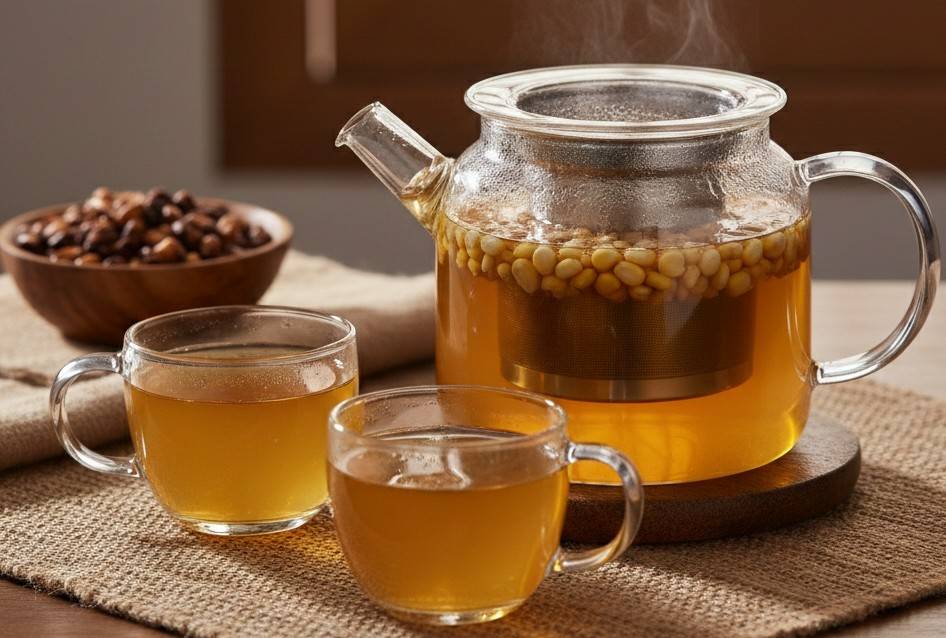
Corn tea is a mild, comforting, and naturally caffeine-free beverage enjoyed in many parts of the world. Known for its subtle sweetness and toasty aroma, it is often consumed as a daily drink rather than a medicinal herbal tea. Whether served hot in winter or chilled in summer, corn tea offers both hydration and potential health benefits. In this guide, we will explore what corn tea is, its proven health benefits, side effects, preparation methods, and who should or should not drink it.
What is Corn Tea?
Corn tea is a herbal infusion made from roasted corn kernels, corn silk, or sometimes whole dried corn. It is especially popular in East Asia, including Korea and Japan. In Korea, it is known as oksusu-cha, and in Japan, it is called mugi-cha when made from barley, but corn-based versions are also consumed.
The tea is typically made by roasting dried corn kernels until golden brown and then steeping them in hot water. Some variations use corn silk (the fine threads under the husk), which has traditionally been used in folk medicine for urinary and kidney health.
Corn tea is:
- Naturally caffeine-free
- Low in calories
- Mildly sweet and nutty in flavor
- Suitable for both adults and children
Because it contains no caffeine, it can be consumed throughout the day without affecting sleep.
Nutritional Facts of Corn Tea
Corn tea is generally low in calories, as most nutrients remain in the corn after steeping. However, small amounts of antioxidants, vitamins, and plant compounds dissolve into the water. Below is an approximate nutritional profile per 1 cup (240 ml) of unsweetened corn tea:
| Nutrient | Approximate Amount |
|---|---|
| Calories | 0–5 kcal |
| Carbohydrates | <1 g |
| Sugars | 0 g |
| Protein | 0 g |
| Fat | 0 g |
| Fiber | 0 g |
| Sodium | 0–2 mg |
| Potassium | Trace amounts |
| Magnesium | Trace amounts |
| Antioxidants (phenolic compounds) | Present in small amounts |
Note: The nutritional content varies depending on whether the tea is made from roasted kernels or corn silk.
20 Science-Backed Benefits of Corn Tea
1. Rich in Antioxidants
Corn contains phenolic compounds and flavonoids that help neutralize free radicals and reduce oxidative stress in the body.
2. Supports Kidney Health
Corn silk has traditionally been used as a natural diuretic, and research suggests it may support kidney function and urinary flow.
3. Promotes Urinary Tract Health
Corn silk extracts have shown antimicrobial and anti-inflammatory properties that may help maintain urinary tract health.
4. Acts as a Natural Diuretic
Corn tea made from silk may gently increase urine production, helping the body eliminate excess fluids.
5. Helps Reduce Mild Inflammation
Corn contains anti-inflammatory plant compounds that may help lower inflammation markers in the body.
6. May Support Blood Sugar Regulation
Studies on corn silk extracts suggest potential blood sugar-lowering effects in animal models.
7. Supports Heart Health
Antioxidants in corn may help reduce oxidative damage linked to cardiovascular diseases.
8. Aids Hydration
Because it is caffeine-free and mild, corn tea helps maintain hydration levels without stimulating effects.
9. May Help Lower Blood Pressure
Corn silk’s mild diuretic effect may assist in reducing fluid-related blood pressure elevation.
10. Supports Digestive Comfort
Warm corn tea can soothe the digestive tract and may help relieve mild bloating.
11. May Improve Cholesterol Levels
Certain compounds in corn have been linked to improved lipid metabolism in research settings.
12. Gentle on the Stomach
Corn tea is mild and unlikely to irritate the stomach lining, making it suitable for sensitive individuals.
13. May Support Liver Function
Antioxidants found in corn may help protect liver cells from oxidative damage.
14. Helps Reduce Water Retention
Its diuretic action may assist those experiencing mild fluid retention.
15. Supports Immune Health
Antioxidants and plant compounds may contribute to immune system resilience.
16. May Help with Mild Edema
Traditional use suggests corn silk tea may help reduce swelling associated with fluid buildup.
17. Promotes Relaxation
Being caffeine-free, corn tea can be consumed in the evening without disturbing sleep.
18. Supports Weight Management
As a low-calorie beverage, corn tea can replace sugary drinks and reduce overall calorie intake.
19. May Help Soothe Throat Irritation
Warm herbal infusions like corn tea can provide temporary relief from mild throat discomfort.
20. Supports Overall Wellness
Regular consumption of antioxidant-rich herbal teas may contribute to long-term health maintenance.
10 Side Effects of Corn Tea
Although corn tea is generally safe, excessive intake or specific health conditions may cause unwanted effects.
1. Increased Urination
Corn silk tea may increase urination due to its diuretic properties.
2. Electrolyte Imbalance
Excessive diuretic effects could potentially lead to low potassium levels if consumed in large amounts.
3. Allergic Reactions
Individuals allergic to corn may experience itching, rash, or digestive discomfort.
4. Blood Sugar Changes
People with diabetes should monitor blood sugar levels, as corn silk extracts may affect glucose levels.
5. Interaction with Diuretics
Combining corn silk tea with prescribed diuretics may increase the risk of dehydration.
6. Interaction with Blood Pressure Medications
Because of its mild fluid-reducing effect, it may enhance the effect of antihypertensive drugs.
7. Stomach Upset
In rare cases, excessive consumption may cause mild digestive discomfort.
8. Frequent Urination at Night
Drinking large quantities before bedtime may disturb sleep due to increased urination.
9. Possible Contamination Risk
Improperly stored corn may contain mold toxins, so high-quality ingredients are important.
10. Not Suitable for Severe Kidney Disease Without Medical Advice
Those with advanced kidney conditions should consult a healthcare provider before use.
How to Make Corn Tea?
There are two main methods: using roasted corn kernels or corn silk.
Method 1: Roasted Corn Kernel Tea
Ingredients:
- 2 tablespoons roasted corn kernels
- 2–3 cups water
Steps:
- Dry roast corn kernels in a pan until golden brown and fragrant.
- Bring water to a boil.
- Add roasted corn and simmer for 5–10 minutes.
- Strain and serve hot or chilled.
Method 2: Corn Silk Tea
Ingredients:
- 1 tablespoon dried corn silk
- 2 cups hot water
Steps:
- Rinse and dry fresh corn silk or use dried silk.
- Steep in hot water for 10–15 minutes.
- Strain before drinking.
Other Uses of Corn Tea
- Base for soups and broths
- Used as cooking water for rice
- Iced summer beverage
- Added to herbal blends
- Used in detox regimens
- Traditional support for urinary discomfort
How Much Corn Tea Can You Drink a Day?
For general wellness:
- 1–3 cups per day is considered moderate and safe for most healthy adults.
- For corn silk tea specifically, limit to 1–2 cups daily unless advised otherwise by a healthcare professional.
Moderation is key to preventing excessive diuretic effects.
Tips for Consuming Corn Tea
- Use organic, mold-free corn.
- Avoid adding excessive sugar.
- Drink earlier in the day if sensitive to nighttime urination.
- Store roasted corn in an airtight container.
- Start with small amounts if trying for the first time.
Best Time to Drink Corn Tea
- Morning: Helps hydration and digestion.
- Afternoon: Good caffeine-free alternative to coffee.
- Evening: Safe to drink since it is caffeine-free, but avoid large amounts before bed if using corn silk.
- After Meals: May support digestion and reduce bloating.
Who Should Drink Corn Tea?
- Individuals seeking a caffeine-free beverage
- Those looking to stay hydrated
- People managing mild fluid retention
- Individuals wanting a low-calorie drink
- Those sensitive to caffeine
- Children and elderly individuals (in moderation)
Who Should Not Drink Corn Tea?
- Individuals with corn allergies
- People with severe kidney disorders without medical advice
- Those on strong diuretics
- Individuals with electrolyte imbalances
- Anyone advised to restrict fluid intake
Precautions and Interactions
- Consult a healthcare provider if pregnant or breastfeeding.
- Monitor blood sugar if diabetic.
- Avoid combining with other strong diuretics.
- Discontinue use if allergic symptoms appear.
- Use clean, properly dried corn to avoid contamination.
Final Thoughts
Corn tea is a simple, nourishing, and naturally caffeine-free beverage that has been enjoyed for generations. While it may not be a miracle cure, its mild antioxidant and diuretic properties can support hydration, urinary health, and overall wellness when consumed in moderation. As with any herbal drink, balance and awareness of your personal health conditions are important. When prepared properly and enjoyed responsibly, corn tea can be a soothing addition to your daily routine.
FAQ’s
What does corn tea taste like?
Corn tea has a mild, slightly sweet, and nutty flavor with a toasted aroma, especially when made from roasted corn kernels.
Is corn tea caffeine-free?
Yes, corn tea is naturally caffeine-free, making it suitable for children, older adults, and people sensitive to caffeine.
Is corn tea good for kidneys?
Corn silk tea has traditionally been used to support kidney and urinary health due to its mild diuretic properties, but it should not replace medical treatment.
Can corn tea help with weight loss?
Corn tea is very low in calories and can help reduce overall calorie intake when used as a substitute for sugary beverages, which may support weight management.
Can people with diabetes drink corn tea?
Unsweetened corn tea may be safe for people with diabetes, but they should monitor blood sugar levels and consult a healthcare professional if using it regularly.
Is corn tea safe during pregnancy?
Small amounts of roasted corn tea may be safe, but pregnant women should consult a healthcare provider before consuming corn silk tea due to its diuretic effects.
Can I drink corn tea before bed?
Yes, since it is caffeine-free, but if made from corn silk, drinking large amounts before bedtime may increase nighttime urination.
Does corn tea contain calories?
Corn tea contains very few calories, typically between 0–5 calories per cup when unsweetened.
Can children drink corn tea?
Yes, plain roasted corn tea is generally safe for children in moderate amounts because it does not contain caffeine.
Is corn tea the same as barley tea?
No, corn tea is made from roasted corn, while barley tea is made from roasted barley; both are caffeine-free but have different flavors.
Can corn tea cause allergies?
People with corn allergies should avoid corn tea, as it may trigger allergic reactions.
How long can you store corn tea?
Freshly brewed corn tea can be stored in the refrigerator for up to 2–3 days in a sealed container.
Can corn tea help with bloating?
Warm corn tea may support digestion and help relieve mild bloating due to its soothing and hydrating properties.
Is corn silk tea stronger than roasted corn tea?
Corn silk tea may have more pronounced diuretic effects compared to roasted corn kernel tea, so it should be consumed in moderation.
What is Corn Tea made from?
Corn tea is made from roasted corn kernels or dried corn silk.
Can I drink Corn Tea every day?
Yes, 1–3 cups daily is generally safe for most healthy adults.
How long does it take for Corn Tea to work?
Hydration effects are immediate, while diuretic effects may appear within a few hours.
What is Corn Tea good for?
It supports hydration, digestion, antioxidant intake, and urinary health.
Is corn tea good for the kidneys?
Corn silk tea may support kidney and urinary function, but it is not a medical treatment.
Also Read: