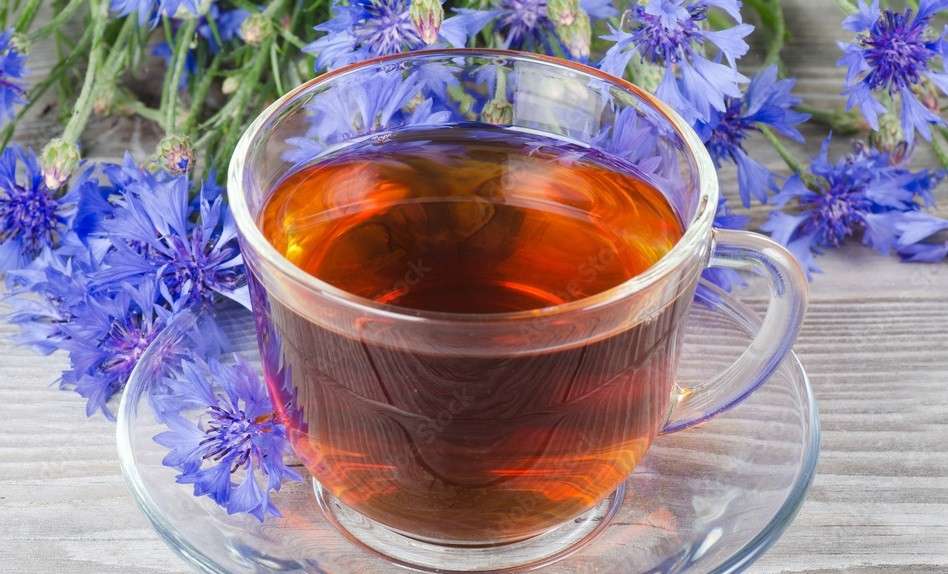
Herbal teas have been used across cultures for centuries as gentle, plant-based ways to support health and relaxation. One lesser-known yet fascinating option is cornflower tea — a delicate floral infusion made from vibrant blue petals that has a history in traditional wellness practices. Appreciated for its subtle flavor and visual appeal, this herbal drink is also associated with a range of potential health benefits. In this guide, you’ll explore what cornflower tea is, its nutritional profile, proven health benefits, possible side effects, preparation methods, and practical tips for consumption.
What is Cornflower Tea?
Cornflower tea is an herbal infusion made from the dried petals of the cornflower plant, commonly recognized for its vivid blue blossoms. The petals are steeped in hot water to create a mild, floral beverage that is naturally caffeine-free. Traditionally, it has been used in herbal remedies for soothing digestion, calming inflammation, and supporting eye and skin health.
The tea itself has a light, slightly earthy taste with gentle floral notes. It is often consumed alone or blended with other herbs to enhance flavor and therapeutic effects. Because it does not contain caffeine, it is suitable for consumption throughout the day and is often used as a relaxation drink. Cornflower petals are also valued beyond beverages — historically used in topical preparations and wellness rituals — which adds to the appeal of this tea as both a functional and aesthetic herbal option.
Components of Cornflower Tea
Although herbal teas are typically low in calories and macronutrients, they may contain beneficial plant compounds such as antioxidants and trace micronutrients. Exact nutritional values vary based on preparation and petal quality. Below is an approximate nutritional profile per 1 cup (240 ml) brewed cornflower tea:
| Nutrient / Component | Approximate Amount |
|---|---|
| Calories | 0–2 kcal |
| Carbohydrates | 0 g |
| Protein | 0 g |
| Fat | 0 g |
| Fiber | 0 g |
| Vitamin C | Trace |
| Potassium | Trace |
| Calcium | Trace |
| Polyphenols | Present |
| Flavonoids | Present |
| Anthocyanins | Present |
| Caffeine | 0 mg |
The primary value of cornflower tea lies in its plant compounds rather than traditional nutrition metrics.
20 Science-Backed Benefits of Cornflower Tea
- Rich in Antioxidants — Cornflower tea contains plant compounds that help neutralize free radicals and support cellular health.
- Supports Eye Comfort — Traditional use suggests it may help soothe minor eye strain and irritation when consumed or used externally.
- Reduces Mild Inflammation — Natural flavonoids in the petals may assist in calming low-level inflammatory responses.
- Promotes Relaxation — Being caffeine-free, it encourages calmness and mental relaxation when included in daily routines.
- Aids Digestive Comfort — Warm herbal infusions like cornflower tea may help reduce bloating and promote smoother digestion.
- Encourages Hydration — Drinking herbal tea contributes to overall daily fluid intake and hydration levels.
- Supports Skin Wellness — Antioxidant content may assist in protecting skin from environmental stressors.
- Mild Diuretic Support — Traditional herbal use links cornflower to gentle fluid balance support through natural diuretic effects.
- Soothes Throat Discomfort — Warm tea may provide comfort for mild throat irritation or dryness.
- Immune System Support — Trace micronutrients and antioxidants can contribute to general immune health.
- Promotes Restful Evenings — Its calming nature makes it suitable for nighttime consumption without sleep disruption.
- Supports Circulation — Antioxidant compounds may help maintain vascular health and circulation efficiency.
- Mood Enhancement Ritual — Relaxing tea habits can positively influence emotional well-being and stress management.
- May Help Oral Freshness — Herbal infusions can provide gentle cleansing support for the mouth.
- Encourages Recovery Hydration — Light herbal drinks are often comforting during recovery from minor illnesses.
- Supports Urinary Health — Mild fluid-balancing properties may assist natural urinary processes.
- Provides Dietary Variety — Adding diverse herbal teas supports balanced nutrition and lifestyle habits.
- Low-Calorie Beverage Option — Cornflower tea offers flavor and aroma without contributing meaningful calories.
- Gentle Detox Support — Hydration and plant compounds may assist natural detoxification pathways.
- Pleasant Sensory Experience — Its color, aroma, and mild flavor promote mindful relaxation and enjoyment.
10 Side Effects of Cornflower Tea
- Allergic Reactions — Individuals sensitive to related plants may experience itching, swelling, or skin irritation.
- Digestive Discomfort — Excess consumption could lead to mild nausea or stomach upset.
- Medication Interactions — Herbal compounds may interfere with certain prescriptions or treatments.
- Pregnancy Safety Uncertainty — Limited research means pregnant individuals should seek medical guidance before use.
- Breastfeeding Considerations — Lack of safety data warrants caution during lactation.
- Overconsumption Risks — Drinking large amounts may disturb fluid or electrolyte balance.
- Skin Sensitivity — External exposure to concentrated preparations may irritate sensitive skin types.
- Contaminant Exposure — Poor-quality or improperly sourced petals could contain pesticides or pollutants.
- Possible Blood Pressure Influence — Mild diuretic effects may affect fluid-related blood pressure responses.
- Unknown Long-Term Effects — Insufficient research exists regarding prolonged high intake of cornflower tea.
How to Make Cornflower Tea?
Ingredients:
- 1–2 teaspoons dried cornflower petals
- 1 cup hot water
Instructions:
- Bring water to a boil and allow it to cool slightly.
- Place dried petals in a teacup or infuser.
- Pour hot water over the petals.
- Steep for 5–10 minutes.
- Strain and serve warm.
Optional additions include honey, lemon, or blending with other herbal teas for flavor variation.
Other Uses of Cornflower Tea
- Facial rinses or compresses for soothing skin
- Eye compresses when cooled and properly filtered
- Natural hair rinses
- Floral base for herbal blends
- Culinary decoration or flavoring
- Aromatic relaxation rituals
How Much Cornflower Tea Can You Drink a Day?
For most healthy adults:
- 1–2 cups daily is typically considered reasonable
- Occasional use up to 3 cups may be acceptable
- Excessive daily intake is not recommended due to limited research
Consult a healthcare professional for personalized guidance.
Tips for Consuming Cornflower Tea
- Use high-quality, food-grade dried petals
- Avoid oversteeping to prevent bitterness
- Store petals in airtight containers
- Combine with complementary herbs
- Drink fresh rather than storing long periods
- Observe your body’s response when trying it for the first time
Best Time to Drink Cornflower Tea
- Morning for gentle hydration
- Afternoon relaxation break
- Evening wind-down routine
- After meals for digestive comfort
Because it is caffeine-free, timing is flexible based on preference.
Who Should Drink Cornflower Tea?
- Individuals seeking caffeine-free beverages
- People interested in herbal wellness traditions
- Those wanting antioxidant-rich drinks
- Anyone aiming to diversify hydration habits
- Individuals looking for calming evening drinks
Who Should Not Drink Cornflower Tea?
- Individuals with known plant allergies
- Pregnant or breastfeeding individuals without medical advice
- Those on medication that may interact with herbs
- People with chronic medical conditions requiring dietary supervision
Precautions and Interactions
- Consult a healthcare provider before regular use if you take medication
- Avoid excessive consumption
- Purchase petals from trusted sources
- Discontinue use if adverse reactions occur
- Keep away from young children unless approved by professionals
- Avoid using as a substitute for medical treatment
Final Thoughts
Cornflower tea is an elegant and intriguing addition to the world of herbal infusions. With its mild taste, attractive color, and range of potential wellness benefits, it offers both sensory enjoyment and possible supportive effects when consumed responsibly. As with any herbal beverage, moderation, awareness of personal sensitivities, and sourcing quality ingredients are essential for safe enjoyment.
FAQ’s
What is cornflower tea made from?
Cornflower tea is made by steeping dried petals of the cornflower plant in hot water to create a mild, floral herbal infusion.
What does cornflower tea taste like?
It has a light, slightly earthy and floral flavor that is gentle on the palate and often blended with other herbs or sweeteners.
Is cornflower tea caffeine-free?
Yes, cornflower tea is naturally caffeine-free, making it suitable for consumption at any time of day.
How long does cornflower tea take to work?
Effects such as relaxation or digestive comfort may be felt shortly after drinking, while other potential benefits depend on consistent consumption and overall lifestyle.
Can you drink cornflower tea every day?
Moderate daily consumption, typically one to two cups, is generally considered acceptable for healthy adults when sourced from quality food-grade petals.
Is cornflower tea safe for children?
Small amounts may be safe, but consultation with a healthcare professional is recommended before offering herbal teas to children.
Can cornflower tea help with sleep?
Because it is caffeine-free and calming, it may support relaxation routines that contribute to better sleep quality.
How should cornflower tea be stored?
Dried petals should be kept in an airtight container in a cool, dry place away from sunlight to preserve freshness and potency.
Can cornflower tea cause allergies?
Yes, individuals sensitive to certain plants may experience allergic reactions, so trying a small amount first is advisable.
Is cornflower tea safe during pregnancy?
Due to limited research, pregnant individuals should consult a healthcare professional before consuming cornflower tea.
Can cornflower tea be used on skin?
Cooled tea may be used as a gentle rinse or compress, though a patch test is recommended to avoid irritation.
What is cornflower tea good for?
Cornflower tea is valued for its antioxidant content, relaxation support, digestive comfort, and hydration benefits. It may also soothe mild throat irritation and support general wellness, though it should not replace medical treatment.
Also Read: