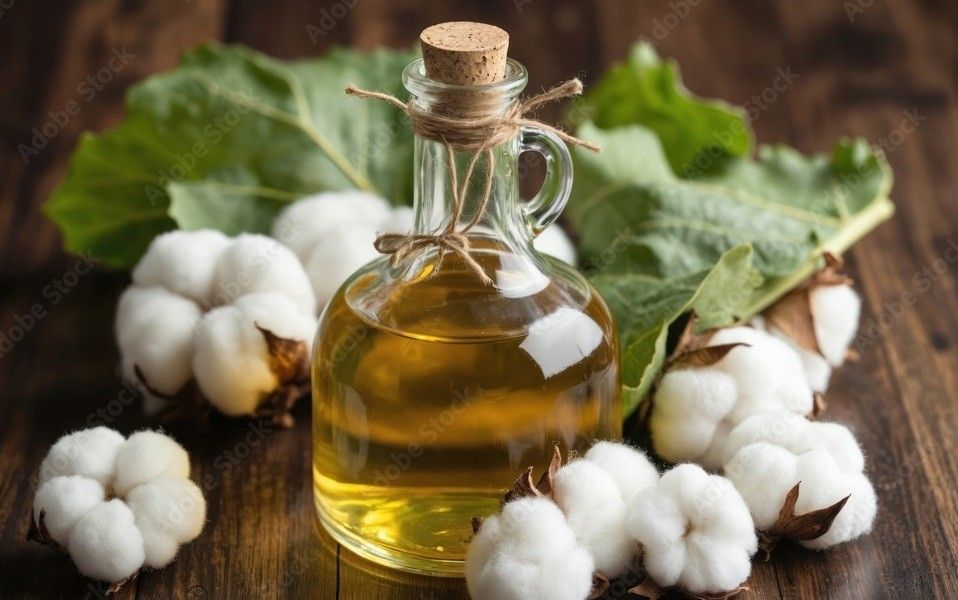
Cottonseed oil may not be as glamorous as olive oil or as trendy as avocado oil, but it has quietly been a part of our kitchens, food industry, and even skincare routines for decades. Extracted from the seeds of cotton plants, this oil has a mild taste, a high smoke point, and an impressive shelf life. And because it’s widely used in cooking, snacks, and cosmetics, many people want to understand whether it’s actually healthy, how to use it safely, and how much is appropriate. This guide will walk you through everything you need to know about cottonseed oil: from its nutrition profile to its science-backed benefits, side effects, uses, dosage, precautions, and more.
What is Cottonseed Oil?
Cottonseed oil is a type of vegetable oil extracted from the seeds of the cotton plant. After cotton fibers are removed, the leftover seeds are processed to extract the oil. In its natural state, cottonseed oil contains gossypol, a naturally occurring toxin that protects the plant from pests. However, commercial cotton seed oil undergoes refining that removes gossypol, making it safe for consumption.
It has a neutral flavor and a high smoke point, which makes it popular for deep frying, sautéing, baking, and commercial food production. Many snacks, chips, and fast foods use cottonseed oil because it remains stable at high temperatures and helps preserve freshness. Beyond cooking, cotton seed oil is also used in skincare, soaps, cosmetics, and even industrial applications.
Nutrition Facts of Cottonseed Oil (Per 1 Tablespoon)
| Nutrient | Amount |
|---|---|
| Calories | 120 kcal |
| Total Fat | 14 g |
| Saturated Fat | 2-4 g |
| Monounsaturated Fat | 3-5 g |
| Polyunsaturated Fat | 7-8 g |
| Omega-6 Fatty Acids | High |
| Omega-3 Fatty Acids | Very Low |
| Vitamin E | 4-5 mg |
| Cholesterol | 0 mg |
Cottonseed oil is mostly made up of unsaturated fats, which are generally considered heart-friendly. However, it is also high in omega-6 fatty acids, which should be balanced with omega-3 intake to avoid inflammation.
20 Proven Benefits of Cottonseed Oil
Below are the major advantages cottonseed oil offers when used properly.
1. Good for High-Heat Cooking:
Cotton seed oil has a high smoke point, meaning it can be heated to high temperatures without burning. It is suitable for frying, roasting, and deep-frying foods.
2. Neutral Flavor:
It doesn’t overpower the taste of foods, making it ideal for baking, salad dressings, and everyday cooking.
3. Rich in Vitamin E:
Vitamin E is a powerful antioxidant that supports skin health, immune function, and protection against free radical damage.
4. Contains Healthy Unsaturated Fats:
Unsaturated fats may help reduce bad cholesterol levels when consumed in moderation.
5. Supports Skin Moisture:
Cotton seed oil is commonly used in skincare products because it helps moisturize the skin and protect the skin barrier.
6. May Promote Hair Softness:
It is sometimes used in hair oils and masks to reduce frizz, soften hair, and add shine.
7. Improves Food Shelf Life:
Its natural stability helps prevent foods from turning rancid, making it beneficial for packaged snacks.
8. Helps Fry Foods Evenly:
Because of its heat stability, fried foods turn out crisp and golden without absorbing too much oil.
9. Contains Antioxidants:
Apart from vitamin E, it contains other compounds that can help reduce oxidative stress.
10. Widely Available and Affordable:
Compared to other oils, cottonseed oil is inexpensive and easy to find.
11. Enhances Food Texture:
Its smooth consistency helps improve the texture of baked goods like cakes and cookies.
12. Acts as a Preservative in Foods:
This oil slows down oxidation, which is why many packaged foods use it to maintain flavor.
13. May Improve Skin Elasticity:
Using oil in skincare products may help maintain skin elasticity due to its fatty acid content.
14. Easily Digestible:
For most healthy individuals, oil is easy to digest when consumed in moderate amounts.
15. A Good Source of Calories:
It provides energy-dense calories, which can be beneficial for people who need higher energy intake.
16. Naturally Low in Trans Fats:
Pure cottonseed oil does not contain trans fats unless hydrogenated.
17. Used in Massage Oils:
Its soothing texture makes it ideal for aromatherapy and massage purposes.
18. Stable for Long-Term Storage:
It has a long shelf life and does not degrade quickly.
19. Used in Pharmaceutical Products:
Oil is used as a carrier oil in some medications and supplements.
20. Versatile in Household Use:
Beyond cooking, it can be used for oil lamps, homemade soaps, skin balms, and conditioners.
10 Side Effects of Cottonseed Oil
While cottonseed oil has benefits, it also has side effects you need to be aware of.
1. High in Omega-6 Fatty Acids:
Excess omega-6 can cause inflammation and imbalance when not paired with omega-3s.
2. Potential Allergic Reactions:
Some people may experience itching, swelling, or digestive discomfort after consuming the oil.
3. May Cause Weight Gain:
Like all oils, it is calorie-dense and can lead to weight gain if consumed excessively.
4. Risk of Increased Inflammation:
Overconsumption may worsen inflammatory conditions like joint pain or skin issues.
5. Can Raise LDL Cholesterol:
Depending on processing methods, some cottonseed oils may contain higher saturated fats, which may increase LDL cholesterol.
6. Not Ideal for Heart Patients When Overused:
People with heart disease should consume it carefully due to its fatty acid profile.
7. May Trigger Skin Breakouts:
Using it topically on sensitive skin can clog pores for some individuals.
8. May Interact with Certain Medications:
Oil might alter absorption of medicines when taken in large amounts.
9. Possible Digestive Issues:
Some individuals may experience stomach discomfort, nausea, or bloating.
10. Risk of Contamination if Poorly Refined:
If not properly refined, leftover gossypol can be harmful. Commercial brands are typically refined, but low-quality oils may pose risks.
How to Use Cottonseed Oil?
There are many ways to use cottonseed oil in daily life:
- For deep frying foods like fries, pakoras, and snacks
- In baking recipes such as cakes and muffins
- For sautéing vegetables
- As a salad dressing base
- In homemade mayonnaise
- In skincare as a moisturizer
- For oil cleansing
- In hair care as a pre-wash oil
Its neutral flavor makes it extremely adaptable.
Other Uses of Cottonseed Oil
Beyond cooking, cottonseed oil is used in:
- Soaps
- Skin lotions
- Face creams
- Massage oils
- Industrial lubricants
- Rubber production
- Paints and varnishes
- Pharmaceuticals
- Cosmetics
- Candle making
Its versatility makes it valuable in multiple industries.
Tips for Consuming Cottonseed Oil
If you want to use oil safely, keep these tips in mind:
- Choose refined, high-quality brands.
- Avoid hydrogenated cottonseed oil (contains trans fats).
- Balance your diet with omega-3 rich foods.
- Use in moderation to avoid excess calorie intake.
- Store in a cool, dry place.
- Do not reuse fried oil multiple times.
- Combine with other oils for a healthier balance.
- Avoid heating above the smoke point.
- Consult your doctor if you have heart conditions.
- Keep away from children’s reach if using industrial-grade oil.
How to Take Cottonseed Oil?
You can consume oil:
- In meals
- In cooking
- Mixed in dressings
- In baked goods
- As part of diet-based intake
Topically, you can apply it to skin or hair, often mixed with other oils.
How to Make Cottonseed Oil?
The production process involves several steps:
- Cotton seeds are cleaned and dehulled.
- Seeds are crushed mechanically.
- Oil is extracted either through pressing or solvent extraction.
- The oil undergoes refining to remove gossypol, impurities, and odor.
- It is filtered and packaged.
Homemade extraction is not recommended because proper refining is essential for safety.
How Much Cottonseed Oil Can You Use Per Day?
Most nutritionists recommend sticking to:
1 to 2 tablespoons per day
as part of your total daily fat intake.
This ensures you enjoy the benefits without increasing inflammation or calorie intake.
Cottonseed Oil Dosage
- Adults: 1–2 tablespoons per day
- Children: Use sparingly; consult a pediatrician
- Topical use: A few drops mixed with a carrier oil is enough
- For hair: 1–2 tablespoons per application
Best Time to Use Cottonseed Oil
You can use cottonseed oil at any time of the day, depending on the purpose:
- Cooking: During meal preparation
- Skin care: At night or after a shower
- Hair care: Before washing or as an overnight treatment
Who Should Use Cottonseed Oil?
Oil may benefit:
- People who cook at high heat
- Those needing an affordable cooking oil
- Individuals looking for mild, neutral-flavored oils
- People who want Vitamin E-rich oils
- Anyone using oil for massage or skincare
Who Should Not Use Cottonseed Oil?
Avoid or limit oil if:
- You have heart disease
- You have high inflammation levels
- You are allergic to cottonseed
- You have acne-prone skin (for topical use)
- You are trying to reduce omega-6 intake
- You prefer unrefined or cold-pressed oils
- You are pregnant or breastfeeding (consult a doctor before use)
How to Store Cottonseed Oil?
To extend shelf life:
- Store in an airtight container
- Keep away from direct sunlight
- Store in a cool, dry cupboard
- Avoid storing near heat sources like stoves
- Refrigeration is optional but can extend freshness
- Ensure the cap is tightly sealed
Precautions and Interactions
Before using cottonseed oil regularly, consider these precautions:
- Check for allergies before eating or applying the oil.
- Avoid excessive consumption due to high omega-6 content.
- Choose refined, branded products to avoid gossypol exposure.
- Consult a doctor if you have heart conditions or diabetes.
- Avoid using expired cottonseed oil.
- Do not use industrial-grade oil for cooking.
- If on medication, ask your doctor about interactions.
- Avoid heating to extreme temperatures to prevent oxidation.
Final Thoughts
Cottonseed oil is a versatile and widely used oil with benefits for cooking, skincare, and even industrial applications. While it offers advantages like a high smoke point, neutral flavor, and vitamin E content, it also comes with concerns such as high omega-6 levels and potential side effects if consumed excessively. The key is moderation. When used wisely and stored properly, oil can be a useful addition to your kitchen and skincare routine. Always choose high-quality, refined oil and pair it with a balanced diet.
FAQ’s
What is cottonseed oil used for?
Oil is used for cooking, frying, baking, salad dressings, and also in skincare, hair care, soaps, and cosmetics.
Can pregnant women use cottonseed oil?
Yes, in moderate amounts for cooking. Avoid excessive intake and consult your doctor before using it for skin or hair.
Is cottonseed oil safe for children?
It can be used in small amounts for cooking, but always ensure a balanced diet with other healthy fats.
What does cottonseed oil taste like?
It has a mild, neutral flavor that doesn’t overpower dishes.
What is cottonseed oil made of?
It’s extracted from the seeds of the cotton plant and mainly contains unsaturated fats, omega-6 fatty acids, and vitamin E.
Can you reuse cottonseed oil after frying?
It’s best not to reuse it multiple times, as repeated heating can create harmful compounds.
How to check the purity of cottonseed oil?
Buy from trusted brands, check labels for refined or cold-pressed oils, and ensure it’s free from gossypol or impurities.
Can cottonseed oil help in skincare?
Yes, it can moisturize and soften skin, but test for allergies and avoid heavy use on acne-prone skin.
What is cottonseed oil good for?
It’s good for high-heat cooking, adding vitamin E to your diet, improving skin and hair texture, and preserving the freshness of packaged foods.
Can I use cottonseed oil every day?
Yes, but keep it to 1–2 tablespoons per day as part of your total fat intake to avoid excess calories and omega-6 imbalance.
What does cottonseed oil smell like?
Refined cottonseed oil has a very mild, neutral smell, while unrefined or crude oil may have a slightly nutty or earthy scent.
Which is healthier, cottonseed oil or sunflower oil?
Sunflower oil is generally healthier because it has a better balance of omega-6 and omega-3 fatty acids, and more monounsaturated fats than cottonseed oil.
Is cottonseed oil healthier than olive oil?
Olive oil is considered healthier due to higher monounsaturated fats and antioxidants, while cottonseed oil is mainly useful for high-heat cooking.
Which is better, cottonseed oil or peanut oil?
Peanut oil is generally a better choice for health due to a higher proportion of monounsaturated fats, though both oils are suitable for frying.
Can I fry with cottonseed oil?
Yes, it’s ideal for frying due to its high smoke point, but avoid reusing it multiple times to prevent the formation of harmful compounds.
Also Read: