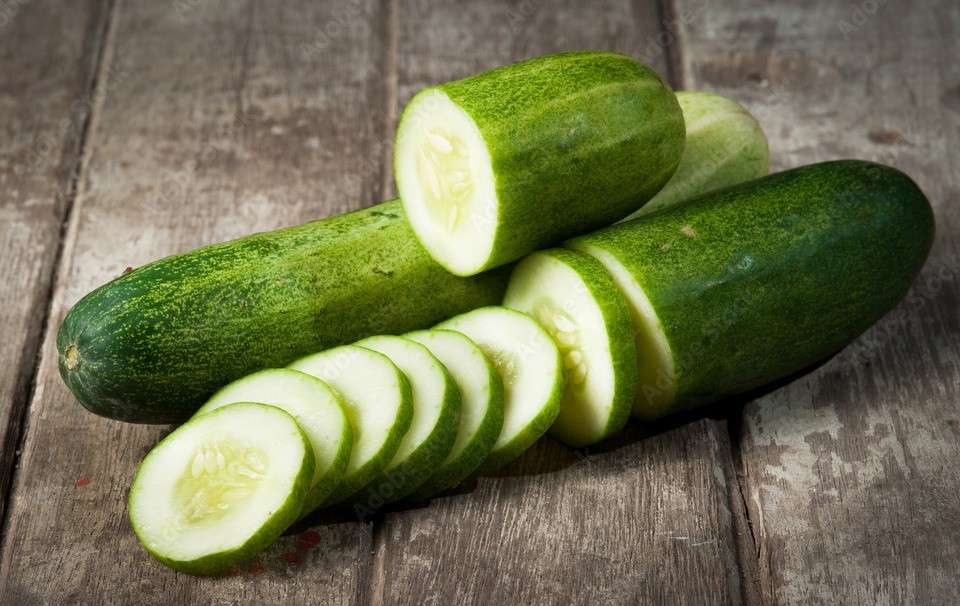
When you think of cucumber, the first thing that probably comes to mind is a cool, crisp slice floating in water or resting on top of a fresh summer salad. But this humble green vegetable is far more than just a garnish. Cucumber is a hydrating, nutrient-rich, and versatile food that has been used for centuries for its health, skincare, and culinary benefits.
Whether you enjoy it in salads, juices, soups, or even skincare treatments, cucumber plays a powerful role in supporting overall well-being. In many cultures, it’s considered a cooling food that balances the body, supports digestion, and promotes clearer, healthier skin. In this guide, we’ll explore everything you need to know about cucumber — from its nutritional profile and science-backed health benefits to how to eat, cook, and store it safely.
What is Cucumber?
Cucumber (Cucumis sativus) is a creeping vine plant belonging to the gourd family, also known as Cucurbitaceae. This family includes other water-rich fruits and vegetables like squash, pumpkin, watermelon, and bottle gourd. Although technically a fruit (because it develops from a flower and contains seeds), cucumber is commonly treated as a vegetable in cooking.
Cucumbers have a mild, slightly sweet, and refreshing taste, and their high water content — around 95% — makes them incredibly hydrating. They are widely grown across the world, including India, China, Europe, and the United States, and are available in several varieties such as:
- English cucumber (seedless and long)
- Garden cucumber
- Persian cucumber
- Kirby cucumber (used for pickling)
In India, cucumber is commonly consumed raw, in salads, raitas, and cooling drinks, especially during the summer.
Nutrition Facts of Cucumber (per 100 grams)
| Nutrient | Amount |
|---|---|
| Water | 95.2 g |
| Calories | 15 kcal |
| Carbohydrates | 3.8 g |
| Fiber | 0.5 g |
| Protein | 0.7 g |
| Fat | 0.1 g |
| Vitamin C | 2.8 mg |
| Vitamin K | 16.4 mcg |
| Potassium | 147 mg |
| Magnesium | 13 mg |
| Calcium | 16 mg |
| Iron | 0.3 mg |
| Antioxidants | Present |
Despite being low in calories, cucumis sativus is rich in hydration, antioxidants, vitamins, and minerals, making it an excellent addition to a healthy diet.
20 Proven Health Benefits of Cucumber
- Keeps you hydrated: With more than 95% water content, cucumber is one of the best foods for hydration, especially during hot weather.
- Supports weight loss: Low in calories and high in water, cucumber helps you feel full without adding extra calories.
- Improves digestion: The fiber and water together support smooth bowel movements and reduce constipation.
- Promotes healthy skin: Cucumbers contain antioxidants and silica, which help keep the skin firm, smooth, and youthful.
- Reduces puffiness and dark circles: Placing cucumis sativus slices on the eyes helps reduce swelling due to its cooling and anti-inflammatory properties.
- Supports heart health: Potassium in cucumber helps regulate blood pressure and supports cardiovascular health.
- Helps control blood sugar: Low glycemic index and fiber content can help regulate blood sugar levels.
- Flushes out toxins: Acts as a natural detoxifier by supporting kidney function and hydration.
- Reduces inflammation: Contains flavonoids and tannins that help fight inflammation.
- Improves gut health: The fiber feeds good gut bacteria, supporting a healthy microbiome.
- Strengthens bones: Contains Vitamin K which is essential for bone strength.
- Freshens breath: Helps control bad breath caused by bacteria in the mouth.
- Boosts immunity: Vitamin C and antioxidants support the immune system.
- Promotes healthy hair: Silica and sulfur in cucumber encourage hair growth and strength.
- Improves eye health: Reduces irritation and strain when used externally or consumed.
- Prevents kidney stones: High water content helps prevent stone formation.
- Improves metabolism: Aids proper enzyme function in the body.
- May have anti-cancer properties: Contains lignans that may help protect against certain cancers.
- Cools the body: Perfect food during summer to reduce internal heat.
- Supports muscle recovery: The natural electrolytes help reduce muscle fatigue.
10 Side Effects of Cucumber
- Can cause bloating and gas: Because cucumber contains a high amount of water and certain compounds, eating too much of it may lead to bloating, gas, or stomach discomfort in some people, especially those with sensitive digestion.
- Excess urination: Cucumber has natural diuretic properties. While this helps with detoxification, excessive intake may cause frequent urination and even mild dehydration if you don’t drink enough fluids alongside it.
- May cause low blood pressure: Cucumber contains potassium, which can lower blood pressure. In people with already low blood pressure or those taking blood pressure medications, overconsumption may cause dizziness or weakness.
- Allergic reactions: Though rare, some people may be allergic to cucumbers. Symptoms can include itching, swelling, rashes, or throat irritation after eating or touching them.
- Can worsen sinus or cold symptoms: Cucumber has cooling properties. People suffering from cold, sinus congestion, or respiratory problems might notice increased discomfort after eating it, especially at night.
- May affect kidney health if eaten in excess: Due to its potassium and water content, consuming a very large amount of cucumber may put extra pressure on the kidneys, particularly for people with existing kidney issues.
- Bitter cucumbers can be toxic: Some cucumis sativus contain a compound called cucurbitacin, which gives a bitter taste. Eating bitter cucumbers can cause nausea, vomiting, diarrhea, and stomach cramps.
- May interfere with blood-thinning medications: Cucumber contains vitamin K, which plays a role in blood clotting. This may reduce the effectiveness of blood-thinning medicines when taken in excess.
- Digestive discomfort at night: Eating cucumis sativus late at night can slow down digestion and may lead to heaviness, indigestion, or disturbed sleep for some individuals.
- Pesticide exposure: Non-organic cucumbers may contain pesticide residue on their skin. If not washed properly or peeled, they may introduce harmful chemicals into the body.
How to Eat Cucumber?
Cucumber is one of the easiest and most versatile foods to add to your diet. You can eat it:
- Raw with salt and lemon
- In salads with tomatoes and onions
- As cucumber juice
- Added to smoothies
- In raita or yogurt dips
- Pickled
- In sandwiches and wraps
- As cucumber water
- In cold soups
- Topped with herbs and spices
The best part is that you don’t need to cook it to enjoy most of its benefits.
Tips for Consuming Cucumber
- Always wash cucumbers well before eating
- Choose firm, dark green ones
- Avoid bitter cucumbers
- Eat with the peel on for more fiber
- Pair with healthy fats like olive oil for better nutrient absorption
- Store in the fridge to keep them fresh and crisp
Other Uses of Cucumber
Cucumber is not limited to consumption only. It is widely used in:
- Skincare products
- Face masks
- Eye treatments
- Soothing sunburns
- Hair treatments
- Body scrubs
- Detox water
- Aromatherapy remedies
- Natural toners
- Anti-aging creams
Its natural cooling and calming properties make it a popular ingredient in beauty and wellness.
How to Cook Cucumber?
Though commonly eaten raw, cucumber can also be cooked in various ways:
- Stir-fried with garlic and sesame oil
- Lightly sautéed with spices
- Added to soups
- Used in curry (common in some Indian dishes)
- Stuffed and baked
- Added to noodles and rice dishes
Light cooking softens its texture and adds a new flavor profile without destroying all nutrients.
How Much Cucumber Can You Eat in a Day?
A healthy amount is 1 to 2 medium cucumbers per day, which equals about 150 to 300 grams. This gives your body enough hydration and nutrients without overloading your system.
If you are trying to lose weight or cool your body in summer, slightly more is fine — as long as you listen to your body.
Best Time to Eat Cucumber
The best time to eat cucumis sativus is during:
- Morning
- Afternoon
- As part of lunch
- After workout
- During hot weather
Avoid eating large quantities late at night, especially if you have digestion issues or sinus problems.
Who Should Eat Cucumber?
Cucumber is especially beneficial for:
- People trying to lose weight
- Those suffering from dehydration
- Individuals with high blood pressure
- People with digestion issues
- Athletes and fitness lovers
- Those with skin problems
- People living in hot climates
- Anyone looking for healthier snack options
Who Should Not Eat Cucumber?
Some people may need to be careful, such as:
- Those with severe kidney disease
- People with chronic sinus problems
- Individuals sensitive to cold foods
- Those on blood-thinning medication
- Anyone allergic to gourds
- People with weak digestion at night
If unsure, it’s best to consult a healthcare professional.
How to Store Cucumber?
To keep cucumbers fresh:
- Store in the refrigerator
- Keep them in a breathable plastic bag or container
- Avoid washing before storing
- Keep away from ethylene-producing fruits like bananas
- Use within 5–7 days for best quality
- Always check for soft or yellowing areas before use
Precautions and Interactions
While cucumis sativus is generally safe, keep these precautions in mind:
- Do not eat bitter cucumbers
- Wash thoroughly to remove pesticides
- Monitor intake if you are on diuretics or blood pressure medication
- Avoid consuming excessive amounts
- If you experience bloating or discomfort, reduce your intake
- Choose organic when possible
Final Thoughts
Cucumber is more than just a crunchy addition to your salad — it’s a natural hydrator, detoxifier, skin enhancer, and digestive supporter wrapped into a simple green vegetable. With its wide range of benefits and minimal calories, it’s truly a gift from nature.
Whether your goal is better digestion, glowing skin, weight loss, or just staying cool in the summer, adding cucumber to your diet is a simple and effective step towards better health. By eating it the right way and in the right amount, cucumis sativus can become one of your everyday wellness allies.
FAQ’s
Can you eat cucumber every day?
Yes, cucumis sativus is safe to eat daily in moderate amounts. Its high water content makes it excellent for hydration and digestion. However, eating too much may cause bloating or frequent urination in some people.
Is cucumber good for weight loss?
Absolutely. cucumis sativus is very low in calories and high in water, which makes you feel full without adding extra calories, making it perfect for weight loss diets.
Does cucumber help reduce high blood pressure?
Yes. cucumis sativus contains potassium, which helps balance sodium levels in the body and supports healthy blood pressure levels.
Can people with diabetes eat cucumber?
Yes. cucumis sativus has a low glycemic index and minimal carbohydrates, making it safe and beneficial for people with diabetes when eaten in the right amounts.
Is cucumber good for the skin?
Yes. cucumis sativus is rich in antioxidants and water, which help hydrate the skin, reduce inflammation, fight acne, and improve overall skin texture.
Can cucumber be eaten at night?
It’s best to avoid large amounts at night, as it may cause bloating or sinus-related discomfort in some people due to its cooling and water-rich nature.
Is cucumber safe during pregnancy?
Yes, cucumis sativus is generally safe during pregnancy when consumed in moderation. It helps reduce dehydration and supports digestion, but it should be washed thoroughly before eating.
Should cucumber be eaten with the peel?
Yes, the peel contains most of the fiber and nutrients. But make sure to wash it properly or choose organic cucumis sativus to avoid pesticides.
Can cucumber improve digestion?
Yes, the fiber and water in cucumis sativus support a healthy digestive system and help prevent constipation.
Is cucumber good for kidney health?
Yes. Its natural diuretic properties support kidney function and help remove toxins, but people with kidney disease should consult a doctor before consuming large amounts.
What does cucumber taste like?
Cucumis sativus has a very mild, fresh, and slightly sweet taste with a light, watery crunch. It is known for its cooling and refreshing flavor, which is why it’s commonly eaten in salads and summer dishes.
Can children eat cucumber?
Yes, children can safely eat cucumis sativus in moderate amounts. It is hydrating and gentle on the stomach. For younger children, it’s best to peel and cut it into small, bite-sized pieces to avoid any choking risk.
Also Read: