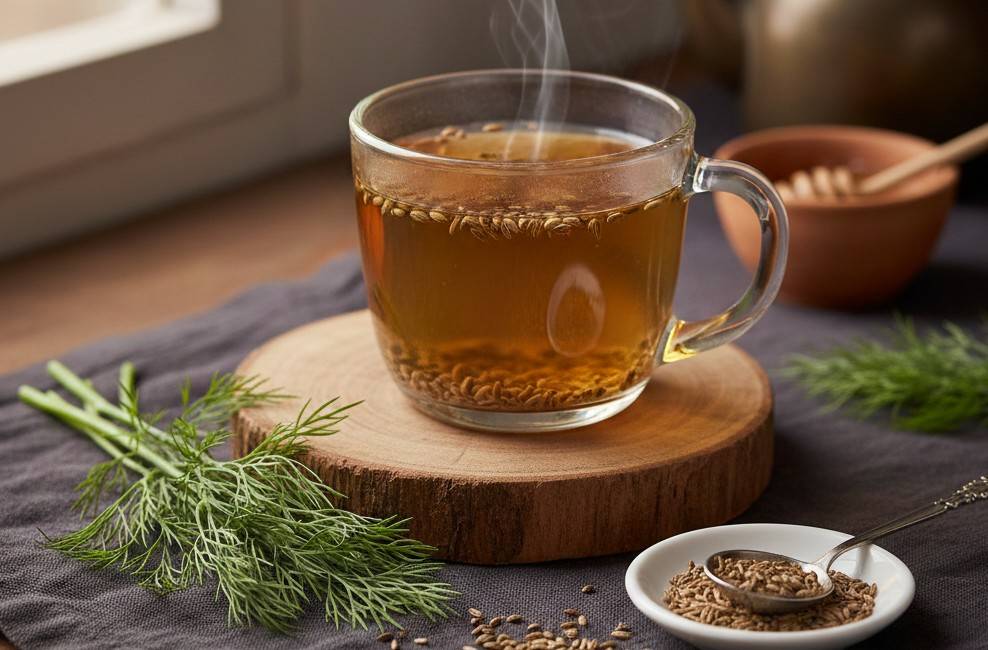
Dill seed tea is a time-tested herbal infusion known for its digestive, calming, and therapeutic properties. Made from the dried seeds of the dill plant, this aromatic tea has been used in traditional medicine systems for centuries to relieve bloating, soothe stomach discomfort, and promote overall wellness. In this guide, we’ll explore everything you need to know about dill seed tea—its proven health benefits, possible side effects, preparation methods, and who should or should not drink it.
What is Dill Seed Tea?
Dill seed tea is an herbal tea prepared by steeping the dried seeds of the dill plant in hot water. The dill plant, scientifically known as Anethum graveolens, belongs to the Apiaceae family, which also includes fennel, coriander, cumin, and parsley.
While dill leaves (often called dill weed) are commonly used as a culinary herb, the seeds are more potent and concentrated in essential oils and bioactive compounds. These seeds contain volatile oils such as carvone, limonene, and dillapiole, which are responsible for their distinctive aroma and therapeutic effects.
Dill seed tea has been traditionally used in Ayurvedic and folk medicine to:
- Relieve indigestion and gas
- Ease menstrual discomfort
- Improve sleep quality
- Support respiratory health
- Promote lactation in nursing mothers
Today, it remains a popular natural remedy for digestive wellness and mild anxiety.
Nutritional Facts of Dill Seed Tea
Although dill seed tea is not calorie-dense, it contains several beneficial compounds and trace nutrients extracted from the seeds during steeping. Below is an approximate nutritional and phytochemical profile per 1 cup (240 ml) of dill seed tea made with 1 teaspoon of crushed seeds:
| Nutrient / Compound | Approximate Amount | Benefits |
|---|---|---|
| Calories | 2–5 kcal | Very low-calorie beverage |
| Carbohydrates | <1 g | Minimal contribution |
| Essential Oils (Carvone) | Trace | Digestive support |
| Limonene | Trace | Antioxidant properties |
| Flavonoids | Trace | Anti-inflammatory support |
| Calcium | Small amount | Bone support |
| Iron | Small amount | Blood health |
| Magnesium | Small amount | Muscle relaxation |
| Potassium | Small amount | Fluid balance |
| Fiber | Negligible | Not significant in tea form |
The primary health benefits of dill seed tea come from its phytochemicals rather than its macronutrient content.
20 Science-Backed Benefits of Dill Seed Tea
- Supports Healthy Digestion – Dill seed tea stimulates digestive enzymes and helps improve overall digestion efficiency.
- Reduces Bloating and Gas – Its carminative properties help relieve trapped gas and abdominal discomfort.
- Eases Indigestion – The essential oils in dill seeds soothe the stomach lining and reduce indigestion symptoms.
- Relieves Stomach Cramps – Dill seed tea relaxes smooth muscles in the gastrointestinal tract to ease cramps.
- May Help with Irritable Bowel Symptoms – Its antispasmodic effects may reduce discomfort associated with IBS.
- Promotes Better Sleep – The calming compounds in dill seeds may support relaxation and improved sleep quality.
- Reduces Mild Anxiety – Dill’s natural sedative-like effects may help calm nervous tension.
- Supports Menstrual Comfort – Dill seed tea may help regulate menstrual cycles and reduce cramps.
- May Help Regulate Blood Sugar – Some studies suggest dill may improve insulin sensitivity and glucose metabolism.
- Supports Heart Health – Antioxidants in dill seeds may help reduce oxidative stress linked to heart disease.
- May Lower Cholesterol Levels – Animal studies indicate dill may help reduce LDL cholesterol.
- Provides Antioxidant Protection – Dill seeds contain flavonoids and phenolic compounds that combat free radicals.
- Supports Respiratory Health – Its antimicrobial properties may help soothe mild respiratory discomfort.
- Promotes Oral Health – Dill’s antibacterial properties may help reduce bad breath and oral bacteria.
- May Enhance Immune Function – The phytonutrients in dill seeds may contribute to immune support.
- Acts as a Mild Diuretic – Dill seed tea may help flush excess fluids from the body.
- Supports Lactation in Nursing Mothers – Traditionally used as a galactagogue to support milk production.
- May Aid Weight Management – Improved digestion and reduced bloating may support healthy weight control.
- Supports Liver Function – Antioxidant compounds may help protect liver cells from oxidative damage.
- May Have Antimicrobial Properties – Dill seed extracts have shown activity against certain harmful bacteria.
10 Side Effects of Dill Seed Tea
Although generally safe in moderation, dill seed tea may cause side effects in some individuals.
- Allergic Reactions – People allergic to plants in the Apiaceae family may experience itching or swelling.
- Low Blood Sugar Risk – Excess consumption may lower blood glucose levels too much in diabetic individuals.
- Blood Pressure Changes – Its mild diuretic effect may influence blood pressure.
- Skin Sensitivity – Dill may increase photosensitivity in some people.
- Digestive Upset – High amounts may cause nausea or diarrhea.
- Hormonal Effects – Dill may influence estrogen levels in sensitive individuals.
- Uterine Stimulation – Excess intake may stimulate uterine contractions.
- Drug Interactions – Dill may interact with diabetes or blood pressure medications.
- Kidney Stress in Excess – Overuse of diuretic herbs may strain kidney function.
- Headache or Dizziness – Rarely, overconsumption may lead to mild neurological symptoms.
How to Make Dill Seed Tea?
Making dill seed tea at home is simple and requires minimal ingredients.
Ingredients:
- 1 teaspoon crushed dill seeds
- 1 cup hot water
- Optional: honey or lemon
Instructions:
- Lightly crush the dill seeds using a mortar and pestle.
- Bring water to a boil.
- Add the crushed seeds to a cup.
- Pour hot water over the seeds.
- Cover and steep for 10–15 minutes.
- Strain and serve warm.
For stronger tea, steep longer or use 1½ teaspoons of seeds.
Other Uses of Dill Seed Tea
Dill seed tea is versatile and can be used beyond drinking.
- Used as a natural mouth rinse for fresh breath
- Added to bath water for relaxation
- Used as a steam inhalation for mild congestion
- Applied as a compress for mild stomach discomfort
- Used in traditional postpartum care
How Much Dill Seed Tea Can You Drink a Day?
For most healthy adults:
- 1–2 cups per day is considered safe.
- Maximum recommended intake: 3 cups daily unless advised by a healthcare professional.
Moderation is important to avoid unwanted side effects.
Tips for Consuming Dill Seed Tea
- Always use fresh, high-quality seeds.
- Lightly crush seeds before brewing to release essential oils.
- Drink after meals for digestive support.
- Avoid excessive consumption.
- Store seeds in an airtight container away from moisture.
Best Time to Drink Dill Seed Tea
- After meals to support digestion
- Before bedtime to promote relaxation
- During menstrual discomfort
- When experiencing bloating or gas
Who Should Drink Dill Seed Tea?
Dill seed tea may be beneficial for:
- Individuals with mild digestive discomfort
- People experiencing bloating or gas
- Those seeking natural sleep support
- Women with mild menstrual cramps
- Individuals looking for caffeine-free herbal alternatives
Who Should Not Drink Dill Seed Tea?
Avoid or consult a doctor before drinking if you:
- Are pregnant
- Have hormone-sensitive conditions
- Have severe allergies to carrot-family plants
- Are taking diabetes medications
- Have kidney disorders
Precautions and Interactions
Dill seed tea may interact with:
- Diabetes medications (may enhance blood sugar lowering effects)
- Blood pressure medications
- Diuretics
- Hormonal therapies
If you are on prescription medications, consult a healthcare provider before regular use.
Final Thoughts
Dill seed tea is a simple yet powerful herbal remedy rooted in traditional medicine. Its digestive, calming, and antioxidant properties make it a valuable addition to a wellness routine when consumed in moderation.
Like any herbal remedy, it should be used responsibly and with awareness of potential side effects and interactions. When prepared correctly and enjoyed mindfully, dill seed tea can offer a gentle, natural way to support digestion, relaxation, and overall health. If you are considering adding dill seed tea to your daily routine for a specific health concern, speaking with a qualified healthcare professional is always recommended.
FAQ’s
What is Dill Seed Tea made from?
Dill seed tea is made from the dried seeds of the dill plant, scientifically known as Anethum graveolens, which are lightly crushed and steeped in hot water to extract their essential oils and beneficial compounds.
What is Dill Seed Tea good for?
Dill seed tea is commonly used to support digestion, relieve bloating and gas, ease stomach cramps, promote relaxation, support menstrual comfort, and provide antioxidant protection.
What does dill seed tea taste like?
Dill seed tea has a mildly sweet, slightly bitter, and aromatic flavor with subtle notes similar to fennel and caraway due to the essential oils present in Anethum graveolens.
Is dill seed tea caffeine-free?
Yes, dill seed tea is completely caffeine-free, making it suitable for evening consumption and for people avoiding stimulants.
Can dill seed tea help with bloating?
Yes, dill seed tea is traditionally used as a carminative, meaning it helps relieve gas, bloating, and abdominal discomfort.
Can I drink dill seed tea every day?
Most healthy adults can safely drink 1–2 cups daily, but long-term excessive intake should be avoided without medical advice.
Is dill seed tea safe during pregnancy?
Pregnant women should consult a healthcare provider before consuming dill seed tea, as high amounts may stimulate uterine contractions.
Does dill seed tea help with sleep?
Dill seed tea contains calming compounds that may promote relaxation and support better sleep when consumed before bedtime.
Can dill seed tea lower blood sugar?
Some studies suggest dill may help regulate blood sugar levels, so individuals with diabetes should monitor levels carefully and consult a doctor.
How long does it take for dill seed tea to work?
For digestive relief, effects may be noticed within 20–30 minutes after drinking, though individual responses vary.
Can children drink dill seed tea?
In small, diluted amounts, dill seed tea has traditionally been used for digestive discomfort in children, but it is best to consult a pediatrician first.
What is the difference between dill weed and dill seeds?
Dill weed refers to the feathery green leaves of the dill plant, while dill seeds are the dried fruits of the plant and are more concentrated in essential oils.
Can dill seed tea help with menstrual cramps?
Dill seed tea may help relax uterine muscles and reduce mild menstrual cramps due to its antispasmodic properties.
Does dill seed tea support weight loss?
While not a direct weight-loss solution, dill seed tea may support digestion and reduce bloating, which can contribute to overall wellness goals.
Can dill seed tea cause allergies?
People allergic to plants in the Apiaceae family, such as fennel or coriander, may experience allergic reactions to dill.
Should dill seeds be crushed before making tea?
Yes, lightly crushing dill seeds before steeping helps release their essential oils and enhances flavor and benefits.
How should dill seeds be stored?
Dill seeds should be stored in an airtight container in a cool, dry place away from sunlight to preserve their potency.
Also Read: