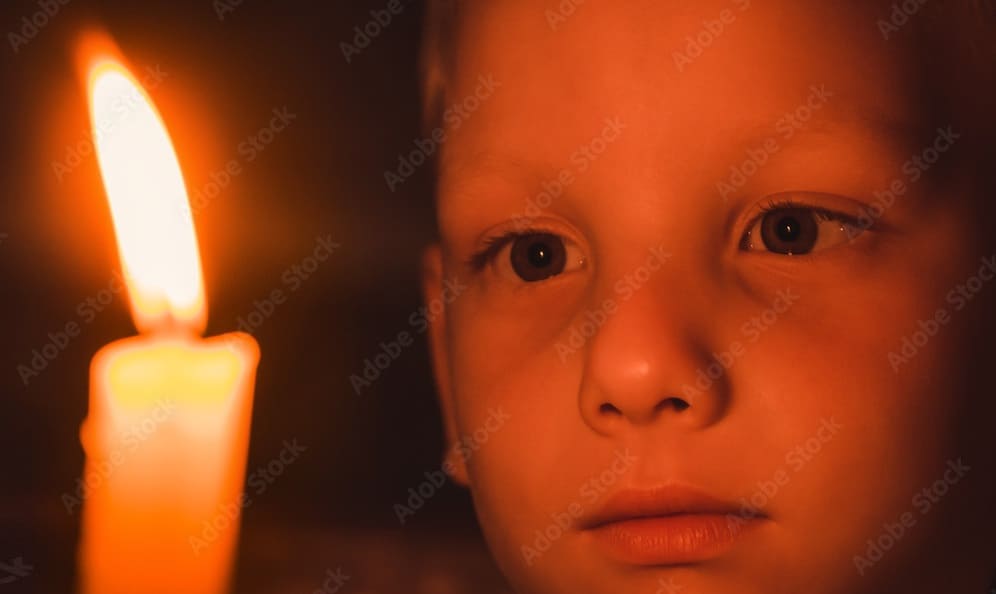
In many households, especially across parts of Asia and Africa, you might have heard the belief that staring at a burning candle (Candle Gazing) can somehow improve a child’s eyesight. It’s often passed down like family wisdom, wrapped in tradition, and supported by anecdotal stories. But how true is this claim?
Can something as simple as focusing on a small flame really enhance vision? Or is it just another old wives’ tale with no real basis in science?
In this blog post, we’ll explore the origins of this belief, examine the potential benefits and risks of staring at a candle, look at what modern science has to say, and suggest safer, evidence-backed ways to support children’s eye health.
What Is the Origin of the Candle-Gazing Belief?
The idea of staring at a candle to improve vision is rooted in ancient practices, particularly in yogic traditions. A form of meditation known as Trataka (from Sanskrit, meaning “to gaze” or “to look”) involves staring at a fixed point, often a candle flame, without blinking. Practitioners believe this helps focus the mind, cleanse the eyes, and improve concentration.
Over time, this practice has been simplified and adapted into the notion that simply staring at a candle could benefit eye health, especially in children. Some parents are told that making their children do this daily will “strengthen the eye muscles” or “improve clarity of vision.”
But is there truth behind the tradition?
What is Trataka Meditation and How is it Related to Candle Gazing?
Trataka is part of a broader yogic system known as Shatkarma, which includes six purification techniques. In Trataka, the practitioner stares at a fixed object—usually a candle flame—placed at eye level and about two to three feet away. The aim is to maintain steady, unblinking gaze for a few minutes.
The process is said to have the following effects:
- Improves concentration and mental clarity
- Encourages inner peace and mindfulness
- Enhances visual focus and endurance
While Trataka is largely spiritual and psychological in its purpose, it’s also been loosely associated with benefits for the eyes. However, the scientific evidence on this is limited and often misinterpreted.
Can Staring at a Candle Really Improve Vision?
Let’s break this down with a few scientific and physiological facts.
1. Eye Muscles and Focusing
The eyes do have muscles—six to be precise—that control movement, and additional internal muscles help with focusing (called accommodation). These muscles are used constantly throughout the day. Just like any other muscles, they can get fatigued, especially with the overuse of screens or reading.
But simply staring at a candle does not constitute meaningful exercise for these muscles. The eyes aren’t being moved significantly nor are they adjusting focus much. If anything, it’s more of a still activity that requires minimal use of the eye muscles.
2. Effect on Vision Clarity
No scientific evidence supports the idea that candle gazing can improve visual acuity (how clearly a person sees). Vision problems like myopia (nearsightedness), hyperopia (farsightedness), or astigmatism are related to the shape of the eye and the way light is focused on the retina—things a candle flame cannot correct.
Children with uncorrected vision issues need proper diagnosis and potentially corrective lenses—not flame-based exercises.
3. Improvement in Concentration
There is some credible research suggesting that Trataka can help with mental focus and stress reduction, which could indirectly benefit children in terms of learning and attention span. But this is more about the mind than the eyes.
Candle Gazing Side Effects: Risks of Staring at a Candle
While the practice may seem harmless, there are some legitimate concerns—especially for young children.
1. Eye Strain and Dryness
Keeping the eyes open and fixed for extended periods without blinking can cause:
- Dry eyes
- Eye strain
- Discomfort or irritation
Children may not communicate these symptoms effectively and might experience discomfort without realizing the cause.
2. Damage from Bright Light
While a candle isn’t as harsh as a laser or the sun, prolonged exposure to any direct light source, even something as mild as a flame, can have negative effects. If the room is dark and the flame is too close, it might lead to visual fatigue.
3. Fire Hazards
Children and open flames are not an ideal combination. Even under supervision, there is always a risk of accidents, burns, or fire-related injuries.
What Do Eye Specialists and Pediatricians Say?
Most optometrists and ophthalmologists agree on the following:
- There is no medical proof that staring at a candle improves eyesight.
- Vision issues should be addressed through regular eye exams, not unverified practices.
- Activities that engage the eyes in a dynamic way—such as reading, looking at various distances, and playing outdoor games—are more beneficial.
- Children need proper nutrition, lighting, screen-time limits, and rest for optimal eye health.
Evidence-Based Tips to Improve Children’s Eye Health
If you’re looking to protect and possibly enhance your child’s vision, here are some research-backed strategies that actually work:
1. Regular Eye Check-ups
Starting from age 3, children should have their eyes checked at least once every two years, or more frequently if they have known vision issues. Early diagnosis of problems like lazy eye (amblyopia) or squint (strabismus) can prevent long-term issues.
2. Healthy Diet for Healthy Eyes
Include foods rich in:
- Vitamin A (carrots, sweet potatoes)
- Omega-3 fatty acids (flaxseed, walnuts)
- Lutein and Zeaxanthin (green leafy vegetables)
- Zinc (chickpeas, eggs)
These nutrients support retinal health, reduce inflammation, and prevent early eye fatigue.
3. Limit Screen Time
Too much screen time is a major factor in the rise of myopia among children. Follow the 20-20-20 rule:
Every 20 minutes, look at something 20 feet away for at least 20 seconds.
Also, ensure screens are at eye level and not too close.
4. Encourage Outdoor Play
Natural daylight and focusing on objects at different distances help maintain eye flexibility. Studies show that kids who spend more time outdoors have a lower risk of developing nearsightedness.
5. Proper Lighting While Studying
Dim lighting forces the eyes to work harder, leading to strain. Ensure your child studies in a well-lit environment with balanced light—not too harsh, not too low.
6. Teach Eye Hygiene
If your child rubs their eyes often, teach them to wash hands before doing so. Encourage regular eye breaks during reading or studying.
How to Do Candle Gazing (Trataka Meditation)?
Here’s how the practice is generally done:
Step-by-Step Guide to Candle Gazing (Trataka)
1. Choose a Quiet, Dimly Lit Room
Select a quiet, dark or dimly lit space where you won’t be disturbed. The room should be free from wind or drafts, so the flame stays steady.
2. Use a Safe Candle
Use a clean, unscented candle placed in a stable holder. Ensure the candle is about eye level when you sit in front of it.
3. Sit in a Comfortable Position
Sit cross-legged on the floor or on a chair with your back straight and hands resting gently on your knees or lap. Keep your body relaxed but alert.
4. Position the Candle Correctly
Place the candle about 2 to 3 feet away from you, so the flame is at eye level. The flame should be steady and not flickering excessively.
5. Begin Gazing
Focus your gaze on the tip of the flame (just above the blue part). Keep your eyes relaxed and unblinking for as long as possible — typically 15 to 30 seconds for beginners.
6. Blink When Needed
If your eyes start to water or feel strained, blink or gently close your eyes. Do not force your eyes to remain open beyond your comfort level.
7. Close Your Eyes
After gazing, gently close your eyes and focus on the afterimage of the flame in your mind. Let it fade naturally as you continue to relax for a few moments.
8. Repeat if Desired
You can repeat the process 2–3 times. A total of 5–10 minutes is more than enough for most people.
Important Tips for Safe Practice
- Supervision is essential if this is done by children — which, again, is not recommended without professional guidance.
- Never leave a burning candle unattended.
- Do not practice near flammable materials.
- Avoid if you have any eye condition like conjunctivitis, dry eye, or photosensitivity.
- People with epilepsy or light sensitivity should not practice Trataka.
Note for Parents:
While candle gazing may help adults with mental focus and meditation, it should not be practiced by children as a vision therapy or replacement for medical treatment. Always consult a pediatric ophthalmologist for any eye health concerns in children.
Should You Still Try Candle Gazing?
While it’s not harmful in very short sessions and under strict supervision, candle gazing should never replace medical advice or be promoted as a vision-improvement tool. It can be introduced as a relaxation technique for older children or teens (ages 10 and above), but not as a treatment.
If you do decide to introduce it, consider these safety tips:
- Keep the flame at least 2 feet away from the eyes.
- Limit the practice to 2–3 minutes per session.
- Perform in a well-ventilated room to avoid smoke irritation.
- Never leave a child unattended with an open flame.
Myths vs Facts: Candle Staring and Eye Health
| Myth | Fact |
|---|---|
| Candle staring improves eyesight | No scientific proof supports this |
| It strengthens eye muscles | Eye movement is minimal during candle gazing |
| It improves eye power in children | Refractive errors need corrective lenses, not flame therapy |
| It’s completely safe | Can cause dryness, strain, and poses fire risk |
| It is a traditional practice so it must work | Tradition does not always equal evidence |
How to Address Eye Problems in Children
If your child complains about:
- Blurred vision
- Headaches after reading
- Squinting at books or the TV
- Frequent rubbing of eyes
- Sensitivity to light
…it’s time to visit an eye care professional.
Avoid DIY techniques or delay in getting help. Early intervention can mean the difference between temporary trouble and long-term issues.
Conclusion: Does Staring at a Burning Candle Improve Children’s Eye Health?
The short and honest answer is: No.
While rooted in traditional meditation techniques like Trataka, there’s no credible scientific evidence that staring at a candle improves eyesight or strengthens the eye muscles in children. In fact, it may lead to more harm than good if practiced without care.
What truly matters for children’s eye health is a combination of medical oversight, balanced nutrition, healthy habits, and outdoor activity. If you’re genuinely concerned about your child’s vision, don’t rely on flickering flames—consult an eye specialist instead.
FAQ’s
Can candle gazing cause eye damage?
Prolonged staring without blinking can cause dryness and strain. Direct damage is unlikely from a small flame, but it’s not a risk-free practice.
Can vision problems in kids go away naturally?
Some conditions like mild farsightedness may improve with age, but many require correction or therapy.
Is it okay to let my child try candle gazing once in a while?
If you want to try it for mental focus under close supervision and only for 1–2 minutes, it’s generally safe—but it should never replace professional care.
Is it safe for children to stare at a burning candle?
Staring at a candle for a short period under supervision may not be immediately harmful, but prolonged gazing can cause eye strain, dryness, or even damage due to bright light exposure. It’s not recommended as a daily practice for children.
Does staring at a candle actually improve eyesight?
There is no scientific evidence that staring at a candle improves vision in children. Some traditional practices like Trataka (a yogic technique) involve gazing at a flame for focus and meditation, but their benefits are more mental than physical for the eyes.
Can candlelight harm a child’s eyes?
Yes, if a child stares at a candle for too long, especially in the dark, it can lead to eye fatigue, watering, and temporary vision discomfort. Direct light exposure should be minimized for young eyes.
Are there better alternatives to improve children’s eye health?
Absolutely, Encouraging outdoor play, a balanced diet rich in Vitamin A, regular eye checkups, limited screen time, and proper lighting while reading are all evidence-backed ways to support and improve children’s vision.
Is candle gazing recognized by medical professionals as a vision therapy?
No, Most ophthalmologists and optometrists do not recommend candle gazing as a valid or safe vision therapy, especially for children. They advocate for clinically tested approaches instead.
Can Trataka or candle gazing be practiced by adults?
Yes, some adults use Trataka for mental clarity and focus in meditation. However, it should be done correctly, in moderation, and not as a treatment for vision correction.
What signs should I watch for if my child has vision problems?
Frequent squinting, sitting too close to the TV, complaining of headaches or eye pain, avoiding reading, or frequent eye rubbing are common indicators. Consult an eye care professional if you notice these signs.
How often should children get their eyes checked?
It’s recommended that children have their first eye exam at 6 months, again at age 3, and before starting school. Regular checkups every 1–2 years are ideal unless advised otherwise by an eye doctor.
Can too much screen time harm my child’s eyes more than candle gazing?
Yes, Excessive screen time is a known contributor to digital eye strain, dry eyes, and myopia (nearsightedness) in children. Managing screen exposure is essential for maintaining healthy vision.
Also Read: