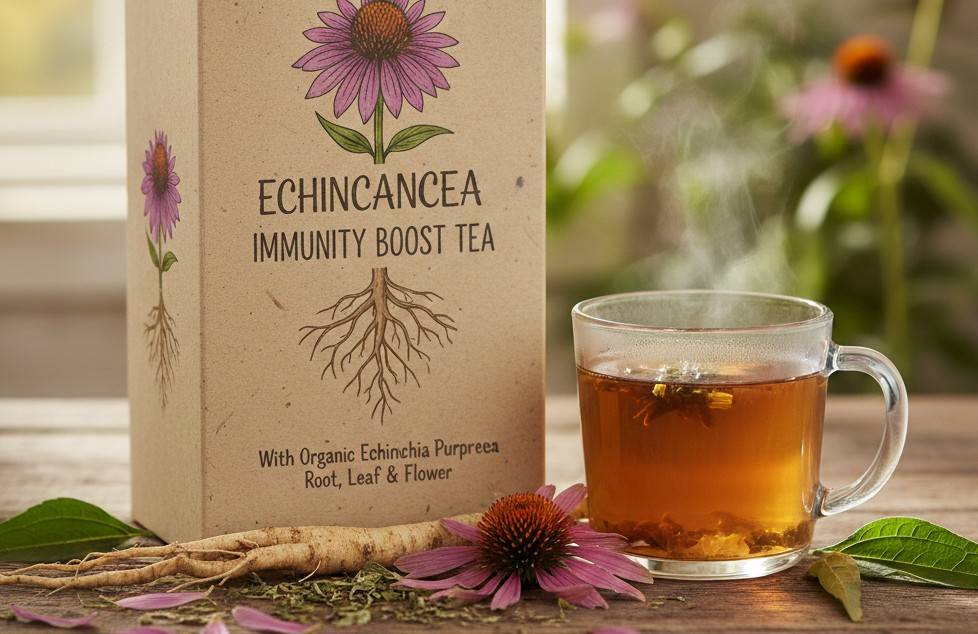
Herbal teas have long been valued in traditional wellness systems for their natural therapeutic qualities, and echinacea tea is among the most popular. Known for its potential immune-supporting effects, echinacea has been used for centuries in herbal medicine. Today, many people drink echinacea tea as part of their daily wellness routine, especially during seasonal changes or periods of stress.
This guide explores what echinacea tea is, its nutritional profile, scientifically supported benefits, potential side effects, preparation methods, and important precautions to consider before including it in your routine.
What is Echinacea Tea?
Echinacea tea is a herbal infusion made from the roots, leaves, or flowers of the echinacea plant. Native to North America, echinacea is a group of flowering plants belonging to the daisy family (Asteraceae). The most commonly used species in herbal preparations are:
- Echinacea purpurea
- Echinacea angustifolia
- Echinacea pallida
Indigenous communities traditionally used echinacea to treat infections, wounds, and respiratory conditions. Modern herbal practice often focuses on its immune-supporting properties. Unlike traditional tea made from Camellia sinensis leaves, echinacea tea is caffeine-free and valued for its mild, earthy flavor.
The tea is usually consumed hot or cold and may be blended with honey, lemon, ginger, or mint to enhance taste and therapeutic effects.
Components of Echinacea Tea
While echinacea tea is not a significant source of calories or macronutrients, it contains several bioactive compounds responsible for its potential health benefits.
| Nutrient / Compound | Approximate Amount per Cup | Role in Health |
|---|---|---|
| Calories | 0–2 kcal | Minimal energy contribution |
| Carbohydrates | 0 g | Negligible |
| Protein | 0 g | Negligible |
| Fat | 0 g | Negligible |
| Polyphenols | Trace amounts | Antioxidant protection |
| Flavonoids | Present | Anti-inflammatory support |
| Alkamides | Present | Immune modulation |
| Caffeic acid derivatives | Present | Antioxidant activity |
| Essential minerals | Trace | Cellular support |
| Vitamin C | Small traces | Immune function |
Values vary depending on preparation strength and plant quality.
20 Science-Backed Benefits of Echinacea Tea
1. Supports Immune Function
Echinacea compounds stimulate immune cell activity, helping the body respond more efficiently to infections.
2. May Reduce Duration of Common Cold
Research suggests echinacea may shorten cold symptoms when taken early.
3. Antioxidant Protection
Polyphenols and flavonoids neutralize free radicals and reduce oxidative stress.
4. Anti-Inflammatory Effects
Active compounds may help modulate inflammation associated with chronic conditions.
5. Respiratory Health Support
Traditionally used to soothe sore throat and congestion.
6. May Help Manage Anxiety
Some preliminary studies indicate calming effects on stress pathways.
7. Skin Health Promotion
Antioxidants support cellular repair and may benefit skin clarity.
8. Antimicrobial Properties
Laboratory studies show activity against certain bacteria and viruses.
9. Blood Sugar Regulation
Some research indicates potential support for glucose balance.
10. Pain Relief Potential
Mild analgesic effects may help reduce discomfort from minor ailments.
11. Supports Oral Health
Anti-inflammatory effects may benefit gum health.
12. Digestive Support
May help soothe mild digestive irritation.
13. Liver Protection
Antioxidants assist in protecting liver cells from oxidative damage.
14. Energy and Vitality Support
By supporting immunity, overall vitality may improve.
15. Helps with Seasonal Allergies
May modulate immune response to allergens.
16. Cardiovascular Protection
Antioxidants contribute to heart health.
17. Cellular Protection
Helps reduce oxidative damage at the cellular level.
18. Urinary Tract Support
Traditional use includes support for urinary health.
19. Fever Management
Historically used to help manage mild fevers.
20. General Wellness Maintenance
Regular moderate consumption may contribute to overall health resilience.
10 Side Effects of Echinacea Tea
1. Allergic Reactions
Especially in individuals allergic to ragweed or related plants.
2. Digestive Upset
May cause nausea or stomach discomfort.
3. Skin Rash
Rare but possible in sensitive individuals.
4. Dizziness
Occasionally reported.
5. Headaches
May occur with excessive intake.
6. Autoimmune Flare Concerns
May stimulate immune activity in autoimmune conditions.
7. Drug Interactions
Can interact with certain medications.
8. Hormonal Effects
Possible interaction with hormone-related treatments.
9. Liver Stress
Very high doses may affect liver health.
10. Not Suitable for Long-Term Continuous Use
Typically recommended for short-term use unless advised otherwise.
How to Make Echinacea Tea?
Ingredients:
- 1–2 teaspoons dried echinacea root or leaves
- 1 cup boiling water
- Optional: honey or lemon
Instructions:
- Bring water to a boil.
- Place echinacea in a cup or infuser.
- Pour hot water over the herb.
- Steep for 10–15 minutes.
- Strain and serve.
For stronger tea, simmer roots for 15 minutes before steeping.
Other Uses of Echinacea Tea
- Gargle for throat soothing
- Base for herbal blends
- Skin rinse after cooling
- Steam inhalation
- Compress for minor skin irritation
How Much Echinacea Tea Can You Drink a Day?
Most herbal guidelines suggest:
- 1–3 cups per day for short-term use
- Typically used for 1–2 weeks during seasonal illness
Long-term daily consumption should be discussed with a healthcare professional.
Tips for Consuming Echinacea Tea
- Start with small quantities
- Combine with ginger or mint for flavor
- Use high-quality dried herbs
- Avoid over-brewing to prevent bitterness
- Drink warm for respiratory comfort
- Maintain hydration alongside herbal intake
Best Time to Drink Echinacea Tea
- At first sign of cold symptoms
- Morning for immune support
- Evening for throat soothing
- During seasonal transitions
Because it is caffeine-free, it can be consumed at any time of day.
Who Should Drink Echinacea Tea?
- Individuals seeking immune support
- People exposed to seasonal illnesses
- Those wanting caffeine-free herbal options
- Individuals exploring traditional herbal wellness practices
Who Should Not Drink Echinacea Tea?
- People allergic to daisy family plants
- Individuals with autoimmune disorders
- Those on immunosuppressant medications
- Pregnant or breastfeeding individuals without medical advice
- Children unless approved by healthcare providers
Precautions and Interactions
- Consult a healthcare professional before regular use
- Avoid combining with immunosuppressive drugs
- Monitor for allergic reactions
- Use cautiously with liver-affecting medications
- Avoid prolonged continuous consumption without guidance
Conclusion
Echinacea tea is a traditional herbal infusion valued for its immune-supportive and antioxidant properties. While not a cure or substitute for medical treatment, it may play a complementary role in wellness routines when consumed responsibly. Understanding its potential benefits, limitations, and precautions ensures safer use.
Incorporating echinacea tea into a balanced lifestyle — alongside proper nutrition, hydration, sleep, and medical care — can contribute to overall wellbeing. As with any herbal preparation, moderation and informed use remain essential.
FAQ’s
What is echinacea tea good for?
Echinacea tea is commonly used to support immune function, especially during cold and flu season. It may help reduce inflammation, provide antioxidant protection, soothe sore throats, and promote general wellness. While it is not a cure, many people use it as a supportive herbal drink.
Can echinacea tea prevent colds?
Some studies suggest echinacea may reduce the risk or duration of common colds, particularly when consumed at the first sign of symptoms. However, it does not guarantee prevention, and results can vary depending on individual health and preparation quality.
Does echinacea tea contain caffeine?
No. Echinacea tea is naturally caffeine-free, making it suitable for consumption in the morning, evening, or before bedtime.
What does echinacea tea taste like?
Echinacea tea has an earthy, slightly floral taste with mild bitterness. Many people add honey, lemon, or ginger to improve flavor and enhance its soothing qualities.
Is echinacea tea safe during pregnancy?
Pregnant or breastfeeding individuals should consult a healthcare professional before consuming echinacea tea, as safety data is limited.
Can children drink echinacea tea?
Children should only consume echinacea tea if approved by a healthcare provider. Dosage adjustments and safety considerations are important.
Are there any allergies associated with echinacea tea?
Yes. Individuals allergic to plants in the daisy family — such as ragweed, marigolds, or chrysanthemums — may experience allergic reactions and should avoid it.
What is Echinacea Tea made from?
Echinacea tea is made from the dried roots, leaves, flowers, or stems of the echinacea plant, most commonly Echinacea purpurea, Echinacea angustifolia, or Echinacea pallida. These plant parts are steeped in hot water to extract their beneficial compounds, creating a caffeine-free herbal infusion.
Can I drink Echinacea Tea every day?
Tea is generally intended for short-term use rather than continuous daily consumption. Many herbal guidelines suggest drinking 1–3 cups per day for up to one or two weeks, particularly during seasonal illness. Long-term daily use should be discussed with a healthcare professional.
How long does it take for Echinacea Tea to work?
The effects vary depending on the purpose and individual response. Some people notice soothing effects, such as throat comfort, shortly after drinking. Immune-support benefits may require consistent intake over several days, especially when taken at the onset of symptoms. It is not an instant or guaranteed remedy.
How should Echinacea Tea be stored?
Prepared tea should be stored in a sealed container in the refrigerator and consumed within 24–48 hours. Dried echinacea herbs should be kept in an airtight container away from light, heat, and moisture to maintain potency, typically lasting up to a year when stored properly.
Is echinacea tea good for sore throat?
Tea may help soothe a sore throat due to its anti-inflammatory and antimicrobial properties. Drinking it warm or using it as a gargle can provide temporary comfort. However, persistent or severe throat pain should be evaluated by a healthcare professional.
Also Read: